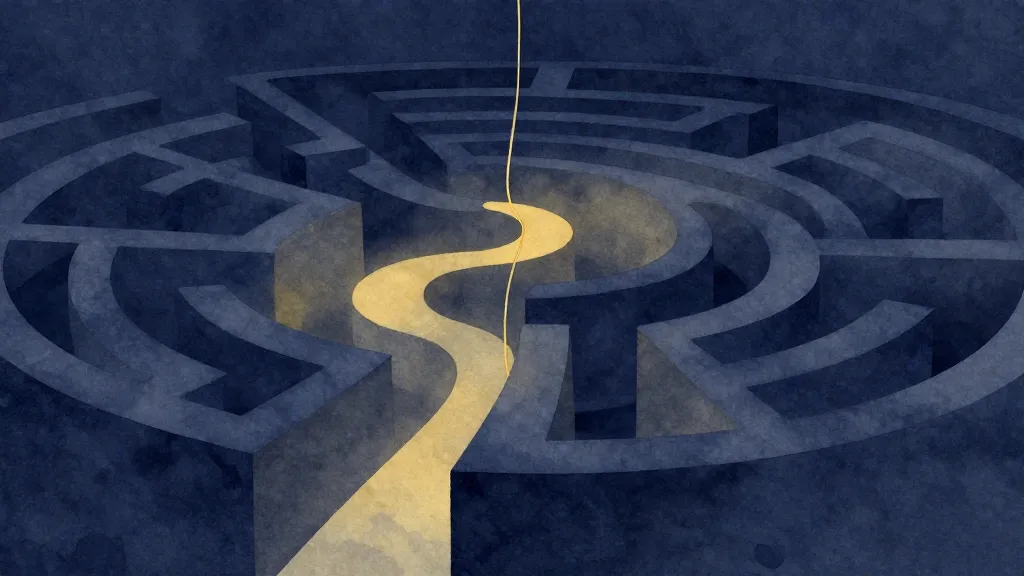
Think about the very last thing you did before reading this sentence.
Maybe you took a sip of water or adjusted how you were sitting. You probably felt like you made a choice, a spark of Free Will that came entirely from you. But philosophers and scientists have spent thousands of years wondering if that feeling is real, or if our lives are shaped by Determinism, the idea that every event is caused by something that happened before it.
Imagine you are standing in front of a giant vending machine. It is filled with every snack imaginable, from salty pretzels to sour gummies. You reach out your hand, hover over the buttons, and finally press the one for popcorn.
It feels like you were the boss of that moment. You had the power to choose anything, but you chose popcorn. This power is what we call Free Will, the ability to make choices that are not forced on us by anything else.

Imagine you are the captain of a small sailing boat. You can turn the rudder and move the sails, which feels like free will. But you are also being pushed by the wind and the ocean currents, which you cannot control. Is the boat moving because of you, or because of the sea?
But what if we looked closer at that choice? Perhaps you chose popcorn because you smelled it earlier in the day. Or maybe your body was low on salt, and your brain sent a signal you did not even notice.
If your choice was just a reaction to your hunger or your surroundings, was it really a free choice? This is the big question that has kept people awake at night for centuries.
Finn says:
"If my brain is just doing stuff because I'm hungry or tired, does that mean 'I' am not really there? It's like my stomach is the one making the decisions!"
The Gardens of Ancient Greece
To understand where these ideas started, we have to travel back over 2,000 years to the city of Athens. In a quiet garden outside the city walls, a philosopher named Epicurus sat with his friends. He looked at the world and saw that everything was made of tiny, invisible building blocks called atoms.
At the time, many people believed in Fate, the idea that the gods had already written the story of your life. They thought you were like a character in a book who could not change the ending. Epicurus did not like this idea because it made human effort seem pointless.
Everything happens for a reason that was decided long ago. You are like an actor following a script written by the stars.
You are the author of your own story. Every moment is a blank page, and you have the pen in your hand.
Epicurus came up with a strange and brilliant solution. He suggested that as atoms fall through space, they sometimes give a tiny, unpredictable "swerve." He believed this swerve was the source of our freedom.
If the smallest parts of the universe could move in unexpected ways, then humans could too. We were not just machines following a set of tracks: we were capable of starting something new.
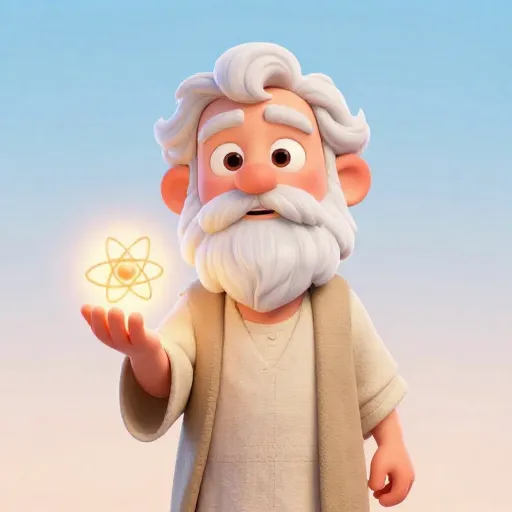
When atoms move straight down through the void by their own weight, they deflect a bit... just enough so that you can say their motion has changed.
The Flying Pebble
Fast forward to the 1600s, a time when scientists were discovering the laws of gravity and motion. Many thinkers began to see the universe as a giant, perfect clock. If you knew where every gear was and how fast it was turning, you could predict exactly what would happen next.
A philosopher named Baruch Spinoza lived during this time. He was a quiet man who spent his days grinding glass lenses for spectacles. Spinoza had a very different view of freedom than Epicurus did.
Pick up a coin and get ready to flip it. Before you flip, tell yourself: 'I am going to choose whether to catch it or let it drop.' Now flip it! Did you 'decide' in the air, or did you just react? Try it five times and see if it feels the same every time.
Spinoza argued that we only think we are free because we don't understand why we do things. He used the example of a stone being thrown through the air. If that stone suddenly became conscious, it would feel like it was flying because it wanted to fly.
The stone would be proud of its flight, even though a hand had actually thrown it. Spinoza suggested that humans are often like that stone. We feel the urge to do something and call it "will," but we forget the hidden forces that pushed us.
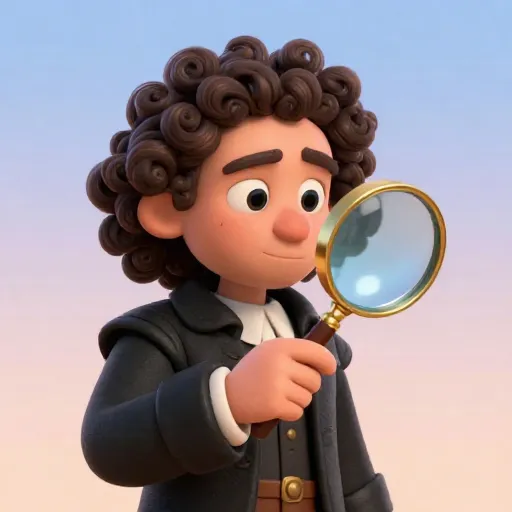
Men believe themselves to be free, because they are conscious of their own actions and are ignorant of the causes by which they are determined.
The Ghost and the Machine
This brings us to a modern mystery: your brain. Inside your head, billions of neurons are firing electrical signals back and forth. This is your Consciousness, the part of you that feels, thinks, and decides.
Scientists can now watch these signals using special cameras. They have found that sometimes, your brain starts preparing for an action before you even realize you want to do it. It is as if the computer has already started printing the page before you clicked the "Print" button.

Mira says:
"I like thinking that my brain and 'me' are on the same team. Even if my brain starts the work early, it's still my brain doing it, right?"
Does this mean your brain is just a biological machine? If your brain is made of atoms that follow the laws of physics, then your choices might just be the result of chemical reactions.
This view is called Physicalism. It suggests that if we could map every atom in your brain, we could predict every thought you will ever have. It sounds a bit like being a robot, which makes many people feel uncomfortable.
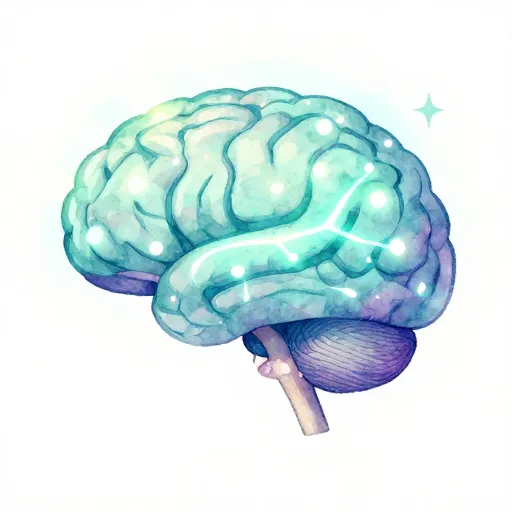
In the 1980s, a scientist named Benjamin Libet discovered that a person's brain showed activity half a second before the person felt they had made a 'conscious decision' to move their hand. This sparked a huge debate about whether our 'conscious self' is the last person to know what we are doing!
Why Free Will Matters
If you are not truly in charge, does it matter if you do something good or something bad? This is where the idea of Moral Responsibility comes in. Usually, we praise people for being kind because we think they chose to be kind.
We also have rules and laws because we believe people can choose to follow them. If a person had no choice in their actions, it would be hard to say they deserved a reward or a punishment. A philosopher named Immanuel Kant thought about this deeply.
Finn says:
"So if a robot does something nice, we don't say it's 'good,' we just say it's working well. But when a person does it, it feels different. That difference is the big mystery."
Kant believed that even if we cannot prove free will exists using science, we must act as if it does. To Kant, being human means having a special kind of dignity. This dignity comes from our ability to look at our instincts and say, "No, I will do what is right instead."
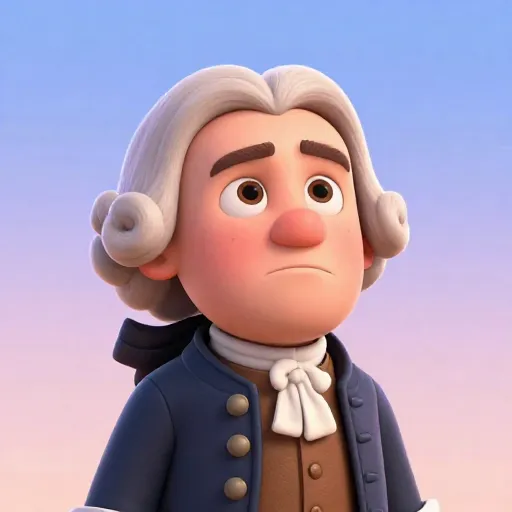
Two things fill the mind with ever new and increasing admiration and awe: the starry heavens above me and the moral law within me.
Living with the Mystery
Today, many thinkers are looking for a middle ground. They suggest that freedom is not about being magic or escaping the laws of physics. Instead, freedom might be about the complexity of our minds.
Think of a cat and a computer. A computer follows a program, and a cat follows its instincts. But humans can think about their own thoughts. We can imagine different futures and weigh them against each other.
Free Will Through the Ages
Maybe free will is not a "yes or no" question. Perhaps it is more like a skill that we can practice. The more we understand our own habits and why we feel certain ways, the more we can step back and make a choice that feels truly ours.
Even if the universe is like a giant clock, you are a very special part of that clock. You are a part that can look at the gears, wonder how they work, and decide which direction you want to turn next.
The universe is a sequence of dominoes. Once the first one falls, every other fall is already decided.
The universe is a giant game of pretend. We have rules, but we can always imagine a new way to play.
Something to Think About
If you knew for sure that every choice you ever made was already decided by the atoms in your brain, would you change how you live your life tomorrow?
There is no right or wrong answer to this. Some people find it scary, while others find it relaxing to think they are part of a giant, orderly universe. How does it feel to you?
Questions About Philosophy
Can science prove that free will doesn't exist?
Why does it matter if we have free will?
Do animals have free will?
The Adventure of Choosing
Whether we are 'swerving atoms' or 'conscious stones,' the feeling of making a choice is one of the most important parts of being human. You don't need to have a final answer to be the captain of your own day. Just keep asking questions and notice the moments when you feel most like yourself.