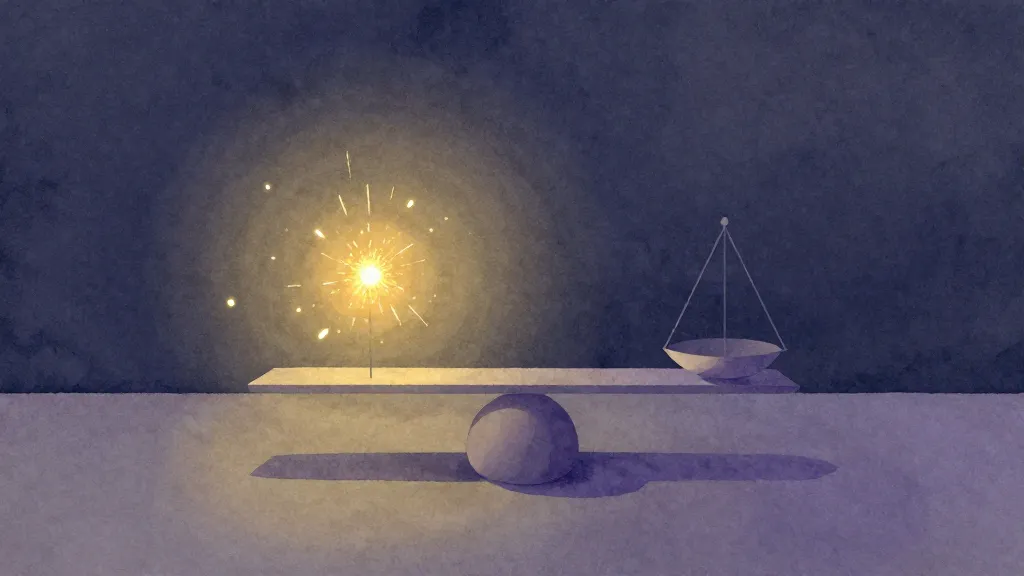
Have you ever wondered why some stories have clear villains with capes while real life feels much more complicated?
Humanity has spent thousands of years trying to map the boundary between Good and Evil. From ancient temples to modern classrooms, we use Ethics and Morality to decide how to treat one another and what kind of world we want to build together.
Imagine you are standing in a dusty, sun-drenched courtyard in ancient Persia about 3,500 years ago. The air smells like cedar wood and burning incense. A man named Zoroaster is speaking to a group of people, telling them that the universe is not just a random collection of stars and dirt. He believes the world is a massive battlefield between two powerful forces: light and darkness.
This was one of the first times humans tried to give a name to the feeling that some things are just 'right' and others are 'wrong.' Zoroaster called this struggle Dualism, the idea that two opposite powers are always at work. He didn't think people were just victims of these forces, but that every person had to choose which side to join.
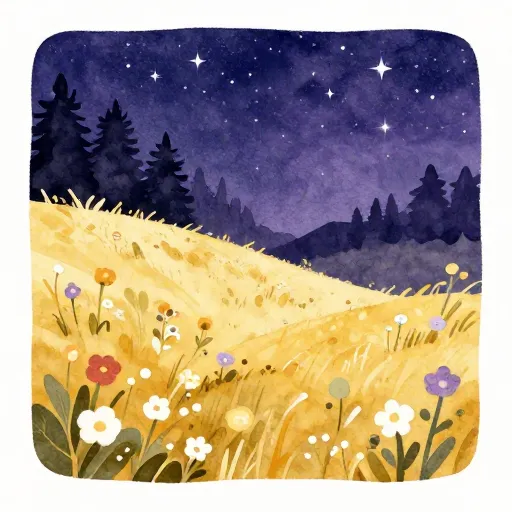
Imagine a world where everything is split exactly in half. One half is pure, bright sunlight where everything grows perfectly. The other half is total darkness where nothing can be seen. This is how the first 'Dualists' saw the world, like a cosmic game of soccer where you have to pick a team and play your hardest for the light.
Before this, many people thought the gods were just like humans: sometimes nice, sometimes mean, and often very messy. But Zoroaster suggested that there was a perfect 'Good' we should aim for. This changed how we look at our own choices. It turned life into a project where we try to add more light to the world.
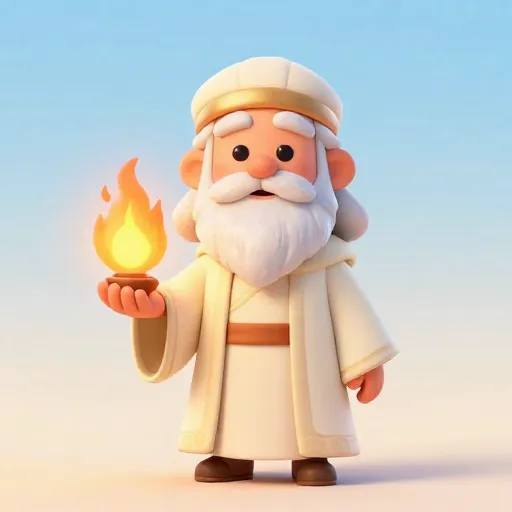
The primeval spirits are a pair: the Good and the Bad, in thought, word, and deed.
As centuries passed, the question of good and evil moved from the stars and the gods into our own minds. People began to ask: If I do something bad by accident, am I still an 'evil' person? Or is evil something we do, rather than something we are?
Finn says:
"I wonder if someone could be 'good' in one country but 'evil' in another just because the rules are different? It feels like the lines move around a lot."
In Ancient Greece, philosophers like Plato and Aristotle looked at this differently. They didn't see it as a cosmic war between two spirits. Instead, they thought about Virtue, which is like a skill you practice, similar to playing the piano or kicking a soccer ball. To them, being 'good' meant finding the perfect balance between two extremes.
We are born with a 'moral compass' that tells us what is right from the very beginning.
We are born like a blank piece of paper, and we have to be taught what is good by our parents and teachers.
Aristotle believed that no one is born a hero or a villain. We become what we do every day. If you practice being brave, you become a brave person. If you practice being selfish, that habit becomes part of who you are. He called this the Golden Mean, where you try to stay right in the middle of being 'too much' and 'too little.'
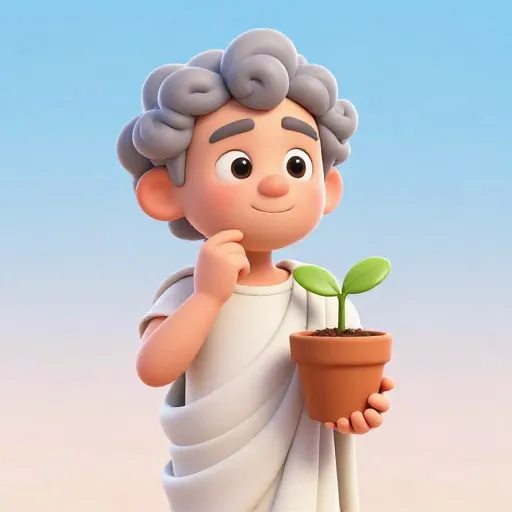
We are what we repeatedly do. Excellence, then, is not an act, but a habit.
Later, during the Middle Ages, a thinker named Augustine of Hippo came up with a strange but interesting idea. He was bothered by a big question: If the world was created to be good, where did evil come from? He decided that evil isn't actually a 'thing' at all. He described it as a lack of something, like a hole in a sock or a shadow where there should be light.
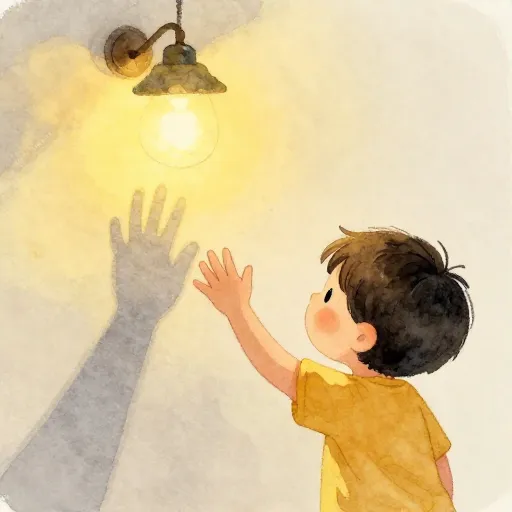
Next time you feel like you've done something 'bad' or 'wrong,' try to look at it like Augustine did. Instead of thinking 'I am a bad person,' ask yourself: 'What was I missing in that moment?' Were you missing sleep? Were you missing a feeling of safety? Were you missing the ability to see how someone else felt? Often, 'bad' choices happen because a 'good' thing (like patience) is missing.
Think about a flashlight. The light is the thing that exists. A shadow is just what happens when something blocks the light. Augustine thought that when people do 'evil' things, they aren't following a dark power. They are just turning away from the 'good' or losing their way. This is a very different way of looking at a 'bad' person, it suggests they are missing something important, like Empathy or understanding.
Through the Ages
As we move into more recent history, the way we talk about these ideas has shifted again. We started looking at how groups of people can do terrible things even if the individuals in the group don't feel 'evil.' This is where we encounter some of the most challenging parts of philosophy. It's not just about monsters in storybooks anymore.

Mira says:
"It's interesting that Augustine thought evil was just a shadow. It makes me think that maybe we don't need to 'fight' it as much as we need to just turn the lights on."
One of the most famous thinkers on this was a woman named Hannah Arendt. She lived through a very dark time in history and watched how ordinary people were convinced to do horrible things. She came up with a phrase that surprised everyone: the Banality of Evil. 'Banal' means something is boring or ordinary, like a grocery list or a dusty office.
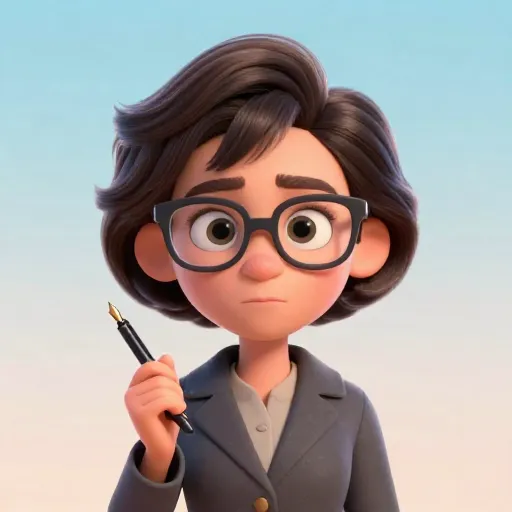
The saddest thing is that most evil is done by people who never make up their minds to be good or evil.
She noticed that many people who did bad things weren't laughing like movie villains. They were often just following orders without thinking. They had stopped using their Conscience, which is that inner voice that helps us tell right from wrong. This teaches us that 'evil' isn't always a scary monster; sometimes, it's just the choice to stop asking questions.
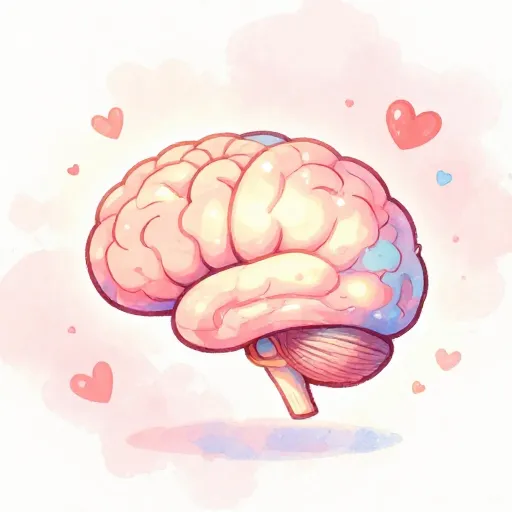
Scientists have discovered that when we do something kind for others, our brains release a chemical called oxytocin. It makes us feel warm and happy. Some people call it the 'cuddle chemical.' This suggests that our bodies might actually be designed to find 'good' behavior rewarding!
Today, scientists also weigh in on these big questions. They study the brain and find that humans have a natural sense of Altruism, which is the urge to help others even if it doesn't benefit us. We seem to be wired for connection. But we also have a 'fight or flight' instinct that can make us feel suspicious of people who are different from us.
Finn says:
"If evil can be 'boring' like Hannah Arendt said, then maybe being good is actually about being really, really awake and paying attention to everything we do."
This brings us to the idea of Ambiguity. In stories, it’s easy to tell who the good guys are because they wear certain colors or have catchy themes. In real life, things are often messy and gray. We might do something we think is good, but it accidentally hurts someone else. This doesn't mean we are 'evil,' but it means we have to keep learning and listening.
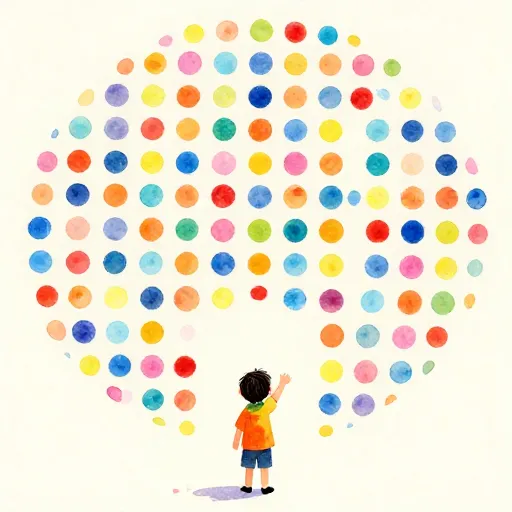
Think of a story where the hero does something 'bad' to save the day, like Robin Hood stealing money. Is he good because he gives to the poor, or bad because he broke the law? This 'gray area' is where most of philosophy happens. It's like looking at a painting that is made of thousands of tiny dots of different colors; from far away it looks one way, but up close it's much more complex.
Understanding good and evil isn't about having all the answers. It’s about staying curious. It's about looking at a situation and asking: 'Who is being helped? Who is being hurt? And what am I not seeing yet?' Philosophy doesn't give us a rulebook, but it gives us a flashlight to help us see into the dark corners of these big questions.
Something to Think About
If you could design a world where it was impossible for anyone to do anything 'evil,' would that world actually be a 'good' place?
There is no right answer here. Think about whether having the choice to be bad is what makes being good so special.
Questions About Philosophy
Are people born evil?
Why do bad things happen to good people?
Can a 'bad' person become 'good'?
The Never-Ending Question
The boundary between good and evil isn't a wall, it’s more like a path we walk every day. By learning from the thinkers of the past, we don't get a map that tells us exactly where to go, but we get a better set of boots for the journey. Keep asking questions, keep looking for the 'light,' and remember that even a small choice can change the balance of the world.