
Imagine you are a successful merchant sailing across the Mediterranean Sea with a ship full of precious purple dye.
The wind is high, the waves are crashing, and suddenly, everything you own is sinking to the bottom of the ocean. This is exactly what happened to Zeno of Citium, and strangely, it was the best thing that ever happened to him. By losing his fortune, he discovered a new way of thinking called Stoicism.
The sea around ancient Greece was a place of great opportunity and even greater danger. In the year 300 BCE, a man named Zeno was sailing from Phoenicia toward Athens. He was a merchant, following in his father's footsteps, carrying a cargo of Tyrian purple dye. This dye was made from tiny sea snails and was worth more than its weight in gold.
Then, the storm hit. We don't know the exact details, but we know the result: the ship went down. Zeno survived, but he reached the shore of Piraeus, the port of Athens, with absolutely nothing. He was a stranger in a massive city, his pockets were empty, and his future as a merchant was gone.
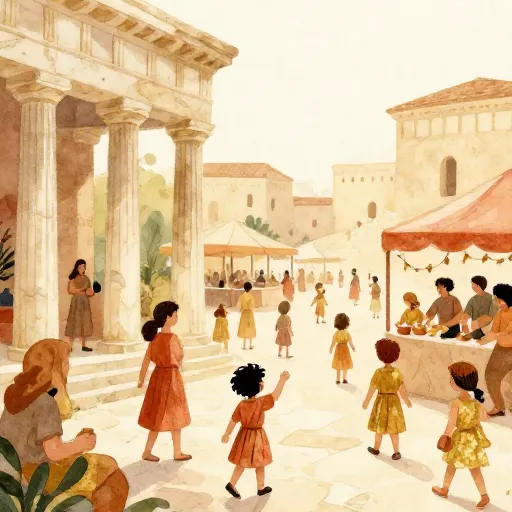
Imagine standing on a dusty street in Athens. The air smells like roasted nuts, salty fish, and expensive incense. You have no money and no friends in this city. You hear the chatter of a hundred different languages. Instead of panic, you feel a strange, cool breeze of freedom. What would you do first?
Most people would have been devastated by such a loss. They might have spent years grieving or trying to find a way to get their money back. But Zeno was different: he felt a strange sense of curiosity about his new situation. He walked into a small bookstore in Athens and began to read about the great philosopher Socrates.
Zeno was so captivated by the ideas in the book that he asked the bookseller where he could find a man like that today. At that exact moment, a famous teacher named Crates was walking past the shop. The bookseller pointed at him and said, "Follow that man." Zeno did exactly that, and his life as a philosopher began.
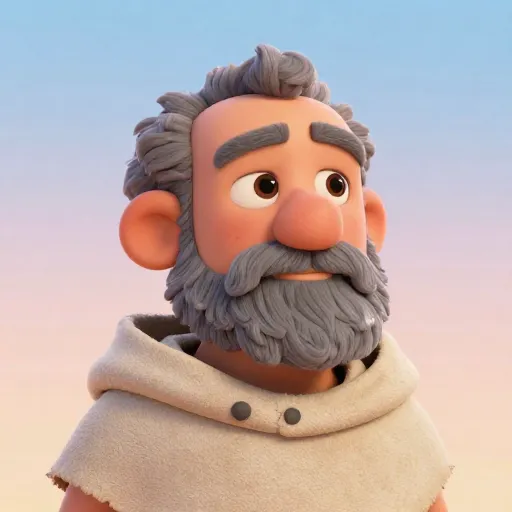
I made a prosperous voyage when I suffered shipwreck.
For many years, Zeno studied under different teachers in Athens. He lived simply, often eating nothing but bread and honey and drinking only water. He learned from the Cynics, who believed that people should live naturally and ignore social status. He also studied logic and the way the universe works.
Zeno realized that while he couldn't control the storms at sea, he could control how he felt about them. This was a revolutionary idea. He started to believe that true happiness doesn't come from purple dye, gold coins, or big houses. Instead, it comes from having a healthy, steady mind.

Finn says:
"If Zeno never lost his ship, would he have just been a regular merchant his whole life? It's weird to think a giant mistake could be a lucky break!"
Around the year 300 BCE, Zeno decided it was time to share his own ideas. He didn't have enough money to rent a building, and he didn't want to hide away in a private garden. Instead, he chose a public porch in the heart of the Athens marketplace. This porch was known as the Stoa Poikile, or the Painted Porch.
It was a beautiful place, decorated with epic paintings of great battles and heroes. Because he taught on the Stoa, his followers became known as the "Stoics." Unlike other schools that were only for the rich or the elite, anyone walking through the market could stop and listen to Zeno.
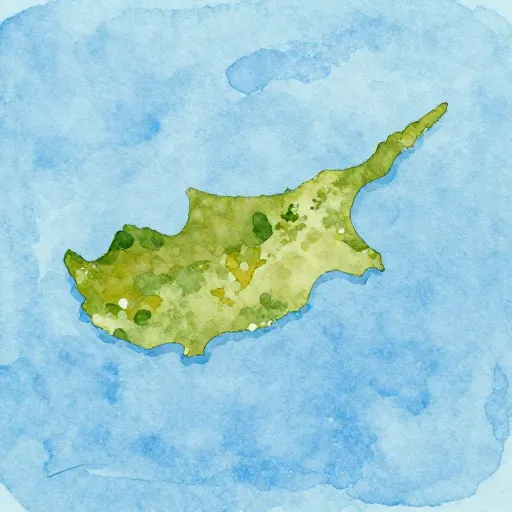
Zeno was actually nicknamed 'The Egyptian' by some people in Athens because he had darker skin than the locals. He was Phoenician, coming from the island of Cyprus. This reminded everyone that philosophy belongs to people from everywhere, not just one city.
Zeno taught that philosophy was like an orchard. He used a famous metaphor to explain how different kinds of knowledge work together:
- Logic is the protective fence around the orchard.
- Physics is the soil and the trees themselves.
- Ethics is the delicious fruit that the trees produce.
He believed you needed all three to live a good life. You need logic to think clearly and not be fooled. You need physics to understand how the world works. But most importantly, you need ethics to know how to act and how to treat other people.

The reason why we have two ears and only one mouth is that we may hear more and speak less.
One of Zeno's most important ideas was the Dichotomy of Control. This is a fancy way of saying that some things are up to us, and some things are not. Zeno believed that most of our unhappiness comes from trying to control things that are outside of our power, like the weather, what people think of us, or the past.
Think about an archer trying to hit a target. The archer can choose how much to practice, how to care for the bow, and when to release the arrow. But once the arrow leaves the string, it is out of their control. A gust of wind could blow it off course, or a bird could fly in the way.
Draw a circle on a piece of paper. Inside the circle, write 3 things you are worried about that you CAN control (like your effort). Outside the circle, write 3 things you are worried about that you CANNOT control (like the weather). Now, look at the stuff outside. Take a deep breath and tell yourself: 'That is not up to me.'
Zeno argued that a wise person focuses only on the part they control: the practice and the aim. If the wind blows the arrow away, the Stoic isn't upset, because they know they did their best. They understand that the result belongs to the world, but the effort belongs to them.
This led Zeno to the concept of Virtue. For the Stoics, virtue was the only true good. It means living with wisdom, justice, courage, and self-control. If you have these qualities, Zeno argued, you can be happy even if you are poor, even if you are sick, and even if your ship sinks.

Mira says:
"The archer idea makes so much sense for school. I can't control what grade the teacher gives me, but I can control how much I study. It takes the pressure off!"
Zeno was also a very early thinker about how humans should live together. He wrote a famous book called The Republic, though we only have tiny pieces of it left today. In it, he imagined a world where there were no borders, no different countries, and no separate laws for different groups of people.
He called himself a Cosmopolitan, which means a "citizen of the world." He believed that all humans share a spark of reason and that we are all part of one big family. This was a massive shift from the way most people thought back then, as they usually only cared about their own small city-state.
The goal of life is to be as successful and famous as possible. We should work hard to get the 'purple dye' of the world so we can be happy.
The goal of life is to have a strong, virtuous character. Since stuff can be taken away by a storm, we should only rely on what is inside our own minds.
As Zeno grew older, he became a very respected figure in Athens. Even though he wasn't a citizen of the city, the people of Athens gave him a golden crown and a bronze statue. They admired him because he actually lived the way he taught. He didn't just talk about being calm and simple; he was calm and simple every day.
Zeno taught for over fifty years and lived to be nearly ninety. When he died, the city of Athens gave him a grand public funeral. They honored him not for being a genius, but for being a good man who taught others how to find peace within themselves. His ideas didn't die with him; they grew into a movement that lasted for centuries.
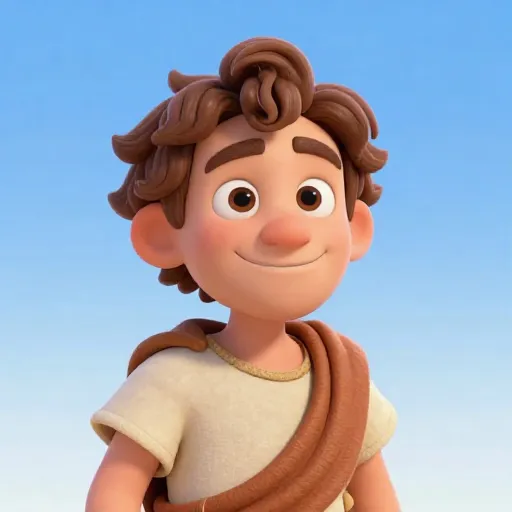
A friend is another self.
After Zeno, Stoicism traveled to Rome, where it became the most popular philosophy for hundreds of years. It influenced everyone from poor enslaved people like Epictetus to powerful emperors like Marcus Aurelius. Even today, the ideas Zeno started on that painted porch are used by athletes, astronauts, and people who have very stressful jobs.
Through the Ages
The paintings on the Stoa Poikile where Zeno taught were so famous that people would travel from other cities just to see them. It was like teaching in the middle of the world's most famous art gallery!
Finn says:
"I wonder if Zeno ever missed his purple dye. Or if he realized that the ideas in his head were actually more colorful than the paint on the ship."
We often think that to be happy, we need everything to go right. Zeno’s life shows us a different possibility. Perhaps happiness isn't about avoiding the storm, but about learning how to be the person who can survive the shipwreck and still find something interesting to do on the shore.
Something to Think About
If a storm took away your most prized possession today, what parts of 'you' would still be standing on the shore?
There isn't a right or wrong way to feel about this. Zeno took a long time to learn his lessons, and every person finds their own way to be brave.
Questions About Philosophy
Did Zeno ever get rich again?
Was Zeno always serious and grumpy?
What is 'Tyrian purple' exactly?
The Merchant's Legacy
Zeno of Citium didn't just build a philosophy; he built a survival kit for the human mind. He showed us that even when our 'ships' sink, our ability to think, to be kind, and to stay steady remains. The next time something goes wrong, remember the man on the Painted Porch who smiled at his own shipwreck.