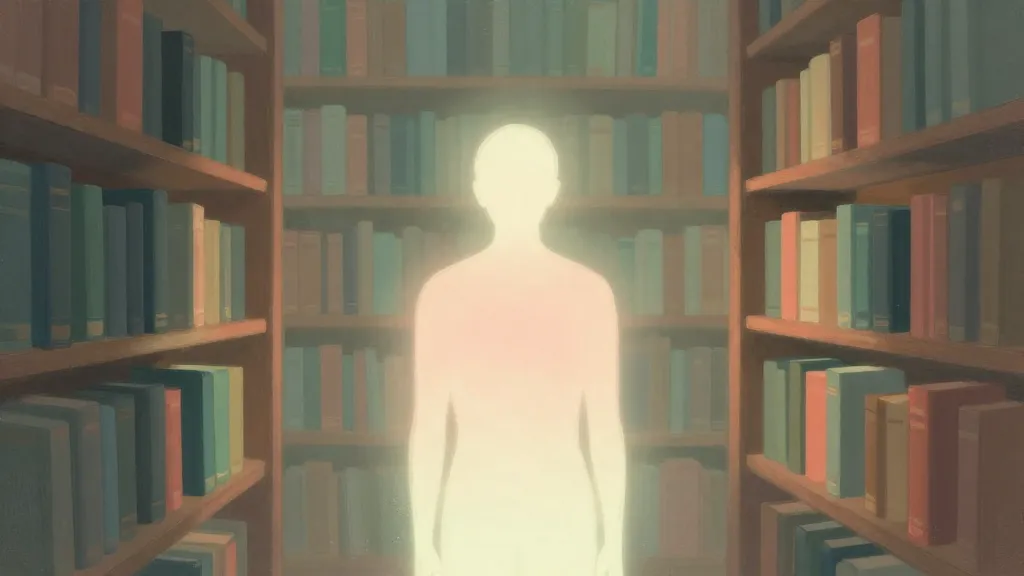
Have you ever noticed that once you decide you like a certain type of shoe, you suddenly see them everywhere?
It feels like magic, as if the world has suddenly filled up with your favorite sneakers. But what you are actually experiencing is a trick of the mind called confirmation bias, a deep-rooted part of human psychology that changes how we see reality.
Imagine you are wearing a pair of glasses with bright yellow lenses. When you look at a white wall, it looks yellow. When you look at a blue sky, it looks green.
You might forget you are wearing the glasses at all. You might just start to believe that the world is naturally yellow and green: and you would have plenty of "proof" every time you looked around.
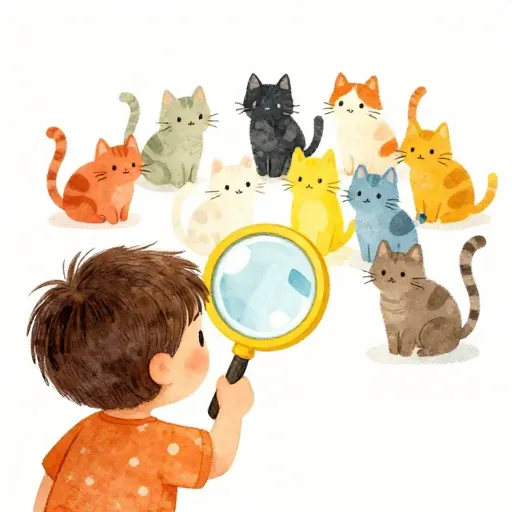
Imagine you have decided that your neighbor’s cat is 'mean.' Every time the cat hisses, you think, 'See! I knew it!' But you completely ignore the ten times the cat purred or slept peacefully. You are only collecting the 'mean' moments for your mental file.
Our brains do something very similar with our thoughts. Once we have a belief about something, our brain starts acting like a filter.
It lets in all the information that says "You are right!" while quietly blocking out the information that says "Wait, you might be wrong." This isn't because the brain is mean or lazy: it is because the brain is trying to be helpful and fast.
The Scientist in the Cold Room
Long ago, in the year 1620, a man named Francis Bacon sat in his study in London. He was a thinker who was obsessed with how humans learn.
He noticed that when people settle on an opinion, they suddenly become very good at finding examples that support it. Even more strangely, they become very good at ignoring or making excuses for things that prove them wrong.
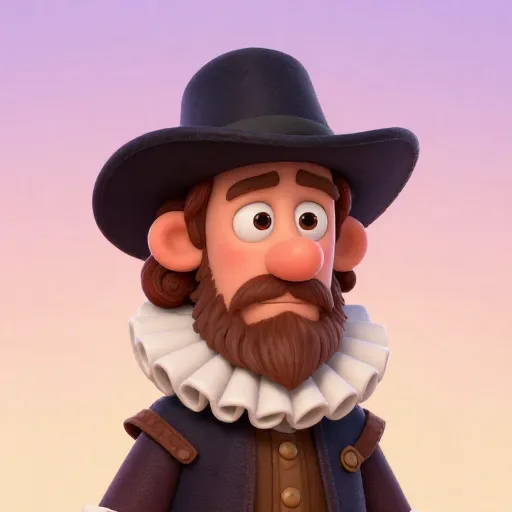
The human understanding when it has once adopted an opinion... draws all things else to support and agree with it.
Bacon realized that our minds are not like clear mirrors reflecting the world exactly as it is. Instead, he thought the human mind was like an uneven mirror that mixes its own nature with the things it sees.
This was a huge discovery for the scientific method. It meant that if we want to find the truth, we cannot just trust our first impressions or our favorite ideas.

Mira says:
"It’s like our brains are building a scrapbook of the world, but we only glue in the pictures we already like."
Why Does the Brain Play Favorites?
To understand why this happens, we have to look at how our brains handle information. Every single second, your eyes, ears, and skin are sending millions of tiny messages to your head.
If your brain tried to pay attention to every single one of those messages, it would get overwhelmed and crash. To survive, it uses heuristics, which are mental shortcuts that help it make decisions quickly.
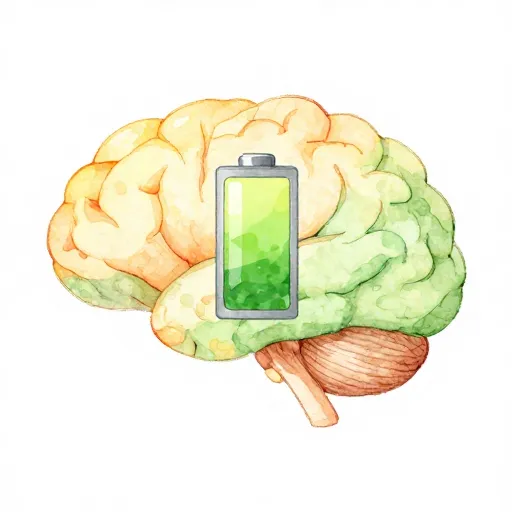
The brain uses about 20 percent of your body's energy. Because it is such a 'power-hungry' organ, it tries to save energy by using shortcuts. Sticking to old beliefs is like staying on a well-paved road instead of hacking through a new jungle.
One of these shortcuts is to stick with what we already know. Changing a belief is hard work for a brain: it takes a lot of energy and can feel uncomfortable.
Finding out we are right, however, feels great. Our brains actually release a chemical called dopamine when we find information that agrees with us: it is like a little internal high-five for being correct.
The Mystery of the Four Cards
For hundreds of years, people talked about this "sticky mind" idea, but it wasn't until the 1960s that a psychologist named Peter Wason gave it a name. He officially called it confirmation bias.
He wanted to see if people would look for the truth, or if they would just look for "yes." He came up with a famous game involving four cards to test how people think.
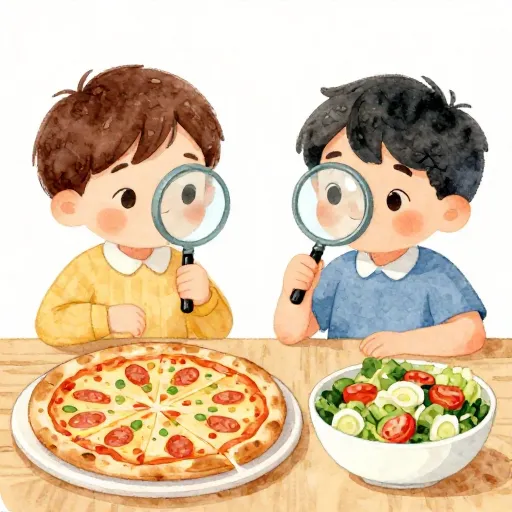
Play the 'Counter-Evidence Game.' Pick something you believe is true: like 'Pizza is the best food.' Now, spend five minutes looking for all the reasons why someone might think pizza is NOT the best food. Can you find three good reasons?
Wason showed that most people are very good at looking for things that confirm their rule. However, they almost never look for things that might break their rule.
He discovered that we are naturally built to be "Yes-Seekers." We want the world to tell us we are smart and that our guesses are correct.
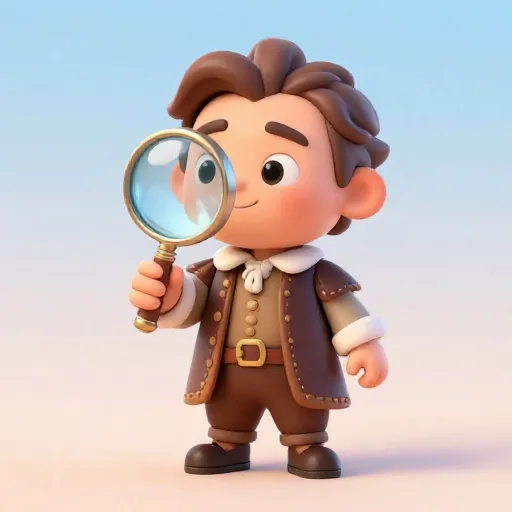
It is the peculiar and perpetual error of the human understanding to be more moved and excited by affirmatives than by negatives.
Finn says:
"If my brain is trying to save energy by taking shortcuts, does that mean I'm technically thinking in low-power mode?"
Seeing the World Through History
Confirmation bias has been shaping human history for thousands of years. It has affected how generals planned battles and how doctors treated patients.
In ancient times, if a leader believed that the stars predicted a victory, they would notice every lucky sign and ignore every warning. This often led to big surprises on the battlefield when things didn't go as planned.
Through the Ages
Even when we try to be very careful, our expectations act like a magnet. They pull similar ideas toward us and push different ideas away.
Think about a map-maker in the 1500s. If they believed there was a giant monster in the middle of the ocean, they might interpret a weirdly shaped cloud or a floating log as "proof" of that monster.
The Digital Echo
Today, confirmation bias is even more powerful because of the technology we use. When you watch videos online or search for things, the computer uses an algorithm to learn what you like.
If you like videos about cats, the computer shows you more cats. This creates something called an echo chamber, where you only hear your own opinions reflected back at you.
Believing you are right makes you feel confident, safe, and happy. It helps you make quick decisions without worrying too much.
Being willing to be wrong makes you smarter and more open-minded. It helps you understand other people and see the world more clearly.
In an echo chamber, our confirmation bias gets very strong. Because we only see things we already agree with, we start to think that everyone agrees with us, and that anyone who doesn't must be very confused.
This makes it harder to talk to people who have different ideas. It makes the world feel smaller and more divided than it actually is.
Becoming a Truth Detective
So, if we all have these "yellow glasses" on, are we stuck seeing the world that way forever? Not quite.
While we can't completely turn off confirmation bias, we can learn to spot it. The best way to do this is to act like a skeptic, which is someone who asks questions instead of just accepting things.
Mira says:
"Maybe we should try to collect 'No's' like they're rare trading cards. Each one shows us something we didn't see before."
Instead of asking, "What proves I am right?" a truth detective asks, "What would it look like if I were wrong?"
This is called looking for falsification. It is the secret weapon of great scientists and thinkers. They don't just look for the "Yes," they actively hunt for the "No."

Most people don't really want the truth. They want a version of the truth that makes them feel better.
The Joy of Being Wrong
It might sound strange, but there is a special kind of wonder in finding out you were wrong about something. It means your world just got bigger.
When we realize our bias was hiding something from us, it is like a curtain being pulled back. We see a new color, a new perspective, or a new way of solving a problem.
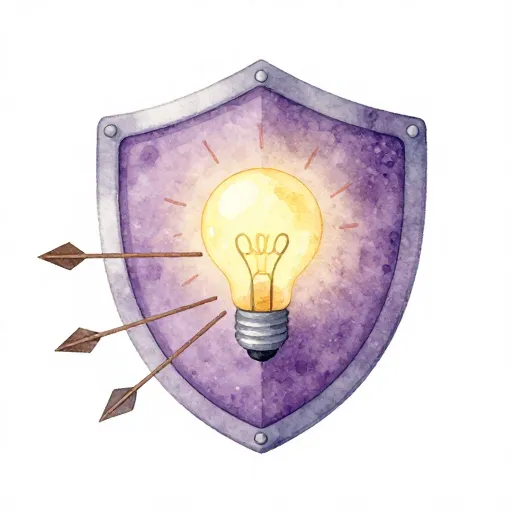
There is something called the 'Backfire Effect.' Sometimes, when people are shown evidence that they are wrong, they actually believe their original idea even MORE strongly! Their brain treats the new evidence like an attack and goes into defense mode.
Being curious is often more exciting than being right. A person who is always right has nowhere left to go, but a person who is curious is always on an adventure.
Next time you feel absolutely certain about something, take a second to pause. Look for the piece of the puzzle that doesn't fit: it might be the most interesting part of the whole picture.
Something to Think About
If you could never be wrong again, would you want to be?
Think about how it feels to be right versus how it feels to discover something brand new. There isn't a right answer, but it's an interesting thing to wonder about.
Questions About Psychology
Is confirmation bias a bad thing?
Can I ever get rid of my biases?
Do scientists have confirmation bias too?
The Adventure of the Unknown
The next time you're sure you have all the facts, remember Francis Bacon and his uneven mirror. Reality is often much bigger and more colorful than the version we have in our heads. Staying curious is the best way to keep the mirror clean and the adventure going.
