Why does everything that lives have to have an ending?
Death is the one thing that happens to every living creature, yet it is often the hardest thing to talk about. By looking at biology, philosophy, and history, we can start to understand how humans have handled this big mystery for thousands of years.
If you look at a garden in the middle of summer, everything feels like it will last forever. The bees are buzzing, the petals are bright, and the trees are heavy with leaves. But if you come back in the winter, the garden looks very different. The flowers have faded, the leaves have fallen, and the ground is quiet.
This is the cycle of life, and every living thing is a part of it. Whether it is a tiny ladybug, a giant whale, or a human being, life has a beginning, a middle, and an end. Even though it can feel sad or scary to think about, death is a natural part of being alive.
Finn says:
"Sometimes when I think about how everything ends, it makes my tummy feel a bit tight. Is it okay to not want to think about it?"
The Biology of Ending
When we talk about death, we are talking about a body stopping its work. In a living person, the heart pumps blood, the lungs breathe air, and the brain sends messages to the rest of the body. When someone dies, these systems stop working.
The body becomes still and quiet, like a machine that has been turned off. It no longer feels pain, it does not get hungry, and it cannot feel cold. This permanence is what makes death different from sleeping. When we sleep, our bodies are still very busy growing and dreaming, but when a body dies, its work is finished.
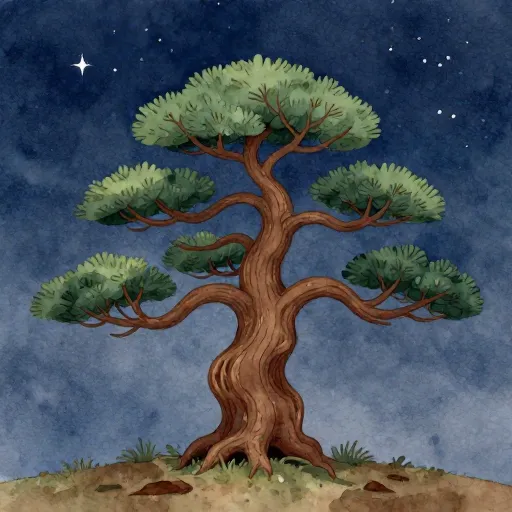
Did you know that some trees can live for thousands of years? The 'Great Basin Bristlecone Pine' in California is over 4,800 years old. Even though it lives a very long time, even it will eventually finish its life cycle and return to the earth.
In nature, this ending is actually a very important job. When a tree falls in the forest, its wood slowly breaks down and turns into rich soil. This soil provides the food that helps new seeds grow into tall trees.
Without death, there would be no room or food for new life to begin. It is a way that nature recycles energy, making sure the world stays balanced. Every creature that has ever lived eventually hands its energy back to the earth to help the next generation.
Death is nothing to us. When we exist, death is not; and when death exists, we are not.
How We Remember
Because death is a big change, humans have always created rituals to help them say goodbye. A ritual is a special set of actions that help people express their feelings. Thousands of years ago, people in Ancient Egypt spent years building giant pyramids for their leaders.
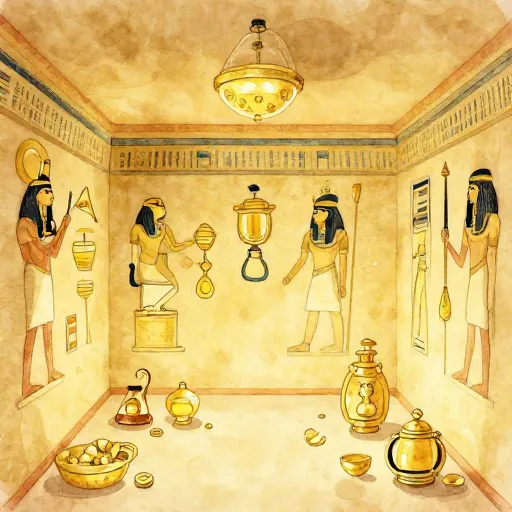
Imagine you are in Ancient Egypt. When a Pharaoh dies, thousands of people work together to build a 'House of Eternity.' They fill it with gold, food, and even games like Senet, because they believe the person is just moving to a different world and will need their favorite things.
In the Victorian era, about 150 years ago, people had very specific rules for mourning. They wore black clothes for a long time to show everyone they were sad. Sometimes they even made jewelry out of the hair of the person who had died so they could keep a piece of them close.
Today, different cultures have different ways of remembering. Some people have quiet funerals in churches, while others have loud, colorful parades with music. The goal is always the same: to honor the person’s life and to support the people who are still here.
Mira says:
"I like to think about how people live on in our memories. It’s like they leave a little map of who they were inside our hearts."
The Philosophy of the "Not Knowing"
One reason death feels so big is that no one knows for sure what happens next. Philosophers are people who love to ask questions that don't have easy answers. For thousands of years, they have debated whether death is the end of "you" or just the beginning of something else.
Some believe in an afterlife, a place where the spirit or soul goes after the body stops working. Others believe in reincarnation, the idea that the soul is born again in a new body. And some believe that when we die, we simply cease to exist, like a flame going out on a candle.
Death is like a long, peaceful sleep where we no longer have to worry or feel anything.
Death is like a doorway or a transformation, where we change from one form into something new.
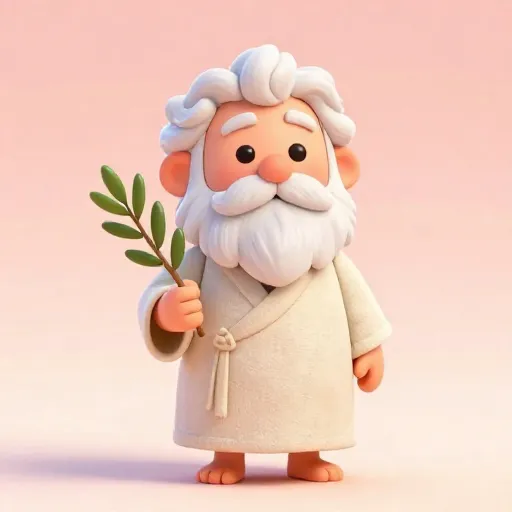
An ancient Greek philosopher named Epicurus had a very famous idea about this. He noticed that many people were afraid of being dead. He argued that we shouldn't be afraid because we won't be there to feel it.
"Where death is, I am not; where I am, death is not."
He meant that as long as you are alive, you don't need to worry about death. And once death arrives, you aren't around to worry about anything anymore. It was his way of helping people feel more peaceful while they were still living.
Through the Ages: How We Say Goodbye
Carrying the Sadness
When someone we love dies, we feel a very strong emotion called grief. Grief is not just one feeling; it is like a big soup of many feelings. You might feel angry, or very tired, or like you have a heavy weight in your chest.
Finn says:
"I wonder if the sadness ever goes away entirely, or if you just get better at carrying it around with you."
You might even feel fine one minute and then burst into tears the next. This is completely normal. Psychologists tell us that grief is actually a form of love. We feel sad because the person mattered to us, and that love doesn't go away just because the person is gone.
One way to handle grief is to focus on legacy. A legacy is what a person leaves behind. This isn't just money or toys; it is the stories they told, the jokes they made, and the way they made you feel. When you remember a person, you are keeping their legacy alive.
Look back over the past, at the vast changes of empires. You can also see as far into the future.
Why endings matter
If a book never ended, you would eventually get bored of reading it. If a summer holiday lasted for ten years, you might forget how special the sunshine feels. In a strange way, the fact that things end is what makes them valuable.
This is called impermanence. Because we know we won't live forever, we learn to cherish the moments we have. We learn to say "I love you," to hug our friends, and to enjoy the taste of a ripe strawberry. Death reminds us that life is a gift that we should use well.
Try making a 'Memory Box' or a 'Memory Jar.' Whenever you think of a happy moment with someone or a pet you miss, write it on a slip of paper and put it inside. This helps you focus on the life they lived rather than just the fact that they are gone.
Finding Your Own Words
It is okay to have questions that nobody can answer. It is okay to feel scared, and it is also okay to feel curious. Talking about death doesn't make it happen faster, but it can make it feel a little less lonely.
When we share our thoughts about the big mystery, we are doing what humans have done since the very beginning of time. We are holding space for each other. We are acknowledging that life is beautiful, mysterious, and finite.
It is not the end of the physical body that should worry us. Rather, our concern should be whether we lived while we were alive.
Something to Think About
If you could design a way for people to be remembered forever, what would it look like?
There are no right or wrong answers. Some people think of statues, some think of planting forests, and some think of telling stories. What feels right to you?
Questions About Psychology
Why do people have to die?
Is it okay to be scared of death?
Does everyone believe the same thing happens after death?
A Part of the Whole
Thinking about death is really another way of thinking about life. It reminds us to be kind, to be curious, and to enjoy the world around us. Even though we don't have all the answers, we are all in this big cycle together.
