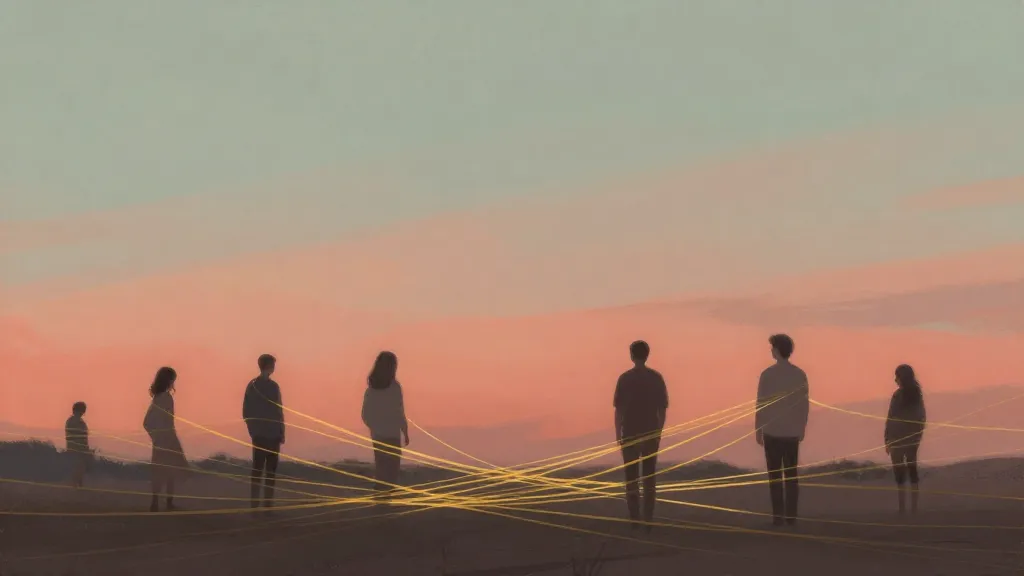
Have you ever felt a warm glow in your chest when someone did something kind for you, even if you didn't ask?
That feeling is gratitude, a complex emotion that acts as the social glue for human relationships. It is far more than just saying thank you: it is a deep sense of appreciation that has shaped history and human survival for thousands of years.
Imagine you are walking through the busy streets of Ancient Rome about two thousand years ago. The air is filled with the smell of roasting meats and the sound of iron wheels on stone.
You see a man helping a neighbor carry a heavy water jug up a steep hill. The neighbor doesn't pay him with coins, but instead offers a look of deep recognition and a promise to help him later.
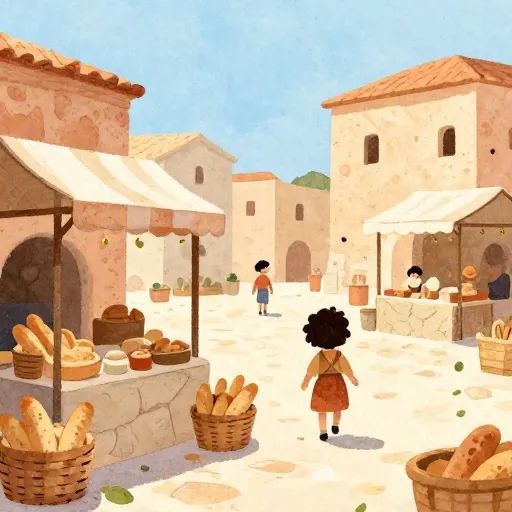
Imagine you are in a crowded market in Rome. A baker hands you a warm loaf of bread, not because you paid him, but because you helped fix his cart last Tuesday. That feeling of 'I helped you, and now you help me' is the heartbeat of a community.
This exchange of kindness was not just a nice moment: it was the way Rome functioned. Philosophers at the time spent years thinking about how these invisible threads of thanks kept the city from falling apart.
One of the most famous thinkers was a man named Seneca. He lived in a world of kings and emperors, but he was fascinated by how a simple benefit could change a person's life.
The Philosopher of Favors
Seneca belonged to a group of thinkers called the Stoics. They believed that while we cannot control the weather or the rules of the king, we can control how we think and feel.
For Seneca, gratitude was not just a feeling that happened to you. He believed it was a skill you had to practice, like playing an instrument or wrestling in the gymnasium.

A grateful mind is both a great virtue and in itself a good.
He noticed that some people felt like they were "losing" something when they received a favor. They felt like they owed a debt, and that made them feel heavy or grumpy.
Seneca argued that this was a mistake. He said that a gift given and received with a good heart was a victory for both people, not a burden.

Finn says:
"Wait, so if I say thank you, am I technically winning a wrestling match with my own brain?"
To the Stoics, being thankful was a way to find peace. If you could be grateful for what you already had, you didn't need to chase after more things to be happy.
This idea was radical because it suggested that happiness comes from looking at the world differently. It moved the focus from what you were missing to what was already there in front of you.
Take a 10-second 'Gratitude Pause.' Close your eyes and think of one thing you can feel right now: the weight of your chair, the warmth of your sweater, or the air moving in the room. Just noticing it is the first step of gratitude.
The Science of the Glow
As time passed, scientists started to wonder what was actually happening inside our bodies when we feel this way. They found that gratitude is like a workout for your brain.
When you feel truly thankful, your brain releases chemicals called dopamine and serotonin. These are the brain's "feel-good" messengers that make you feel relaxed and happy.

Mira says:
"It is like my brain is building its own secret garden, and every thank-you note is a new seed I am planting."
Over time, practicing gratitude can actually change the physical pathways in your brain. It is like walking across a grassy field: the more you take the same path, the easier that path is to follow.
If you practice looking for things to be thankful for, your brain gets better at finding them automatically. This is a big part of what psychologists call well-being.
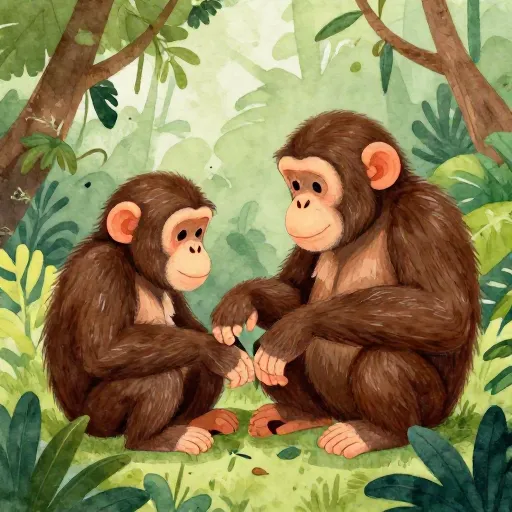
Humans aren't the only ones who show gratitude! Scientists have observed chimpanzees grooming friends who shared food with them earlier in the day. Even vampire bats will share their meals with other bats who have helped them in the past.
But gratitude isn't just about feeling good on the inside. It is also about how we treat people on the outside, which makes it a prosocial emotion.
Humans are social animals, and for most of history, we had to live in small groups to survive. If one person found extra food, they shared it, trusting that others would do the same later.
The Web of Reciprocity
This system is called reciprocity. It is the idea that when someone does something for us, we feel a natural urge to do something for them in return.
It is not a business deal like buying a toy at a store. It is a feeling of being connected to a web of people who look out for one another.
Gratitude is a pure gift. You feel it because someone chose to be kind, and it makes you feel connected and warm without any pressure.
Sometimes gratitude feels like a debt. You might feel like you 'owe' the person now, which can make you feel a little bit trapped or stressed.
In the 18th century, a thinker named Adam Smith wrote about this in a very famous book. He said that gratitude is the main driver behind why humans are so good at cooperating.
Smith believed that when we see someone being kind, we naturally want to reward them. This creates a circle of kindness that helps a whole society grow stronger and more peaceful.
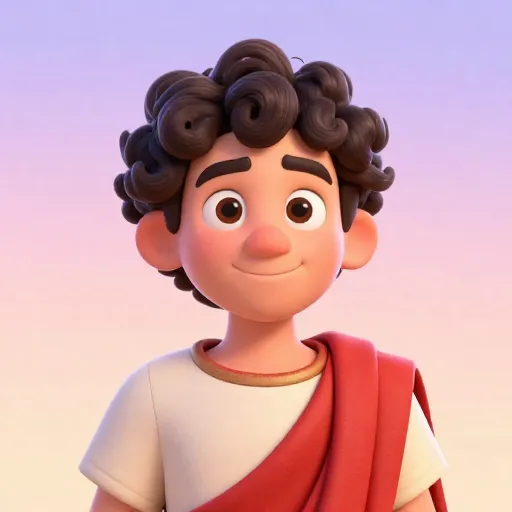
Gratitude is not only the greatest of virtues, but the parent of all others.
When we are grateful, we are using a skill called perspective-taking. This means we are imagining what it was like for the other person to help us, including the time and effort they gave up.
It helps us realize that we aren't alone in the world. We see that other people are thinking about us and caring for our needs, which is a very powerful realization.
Finn says:
"What if I try to be grateful for something small, like my favorite pair of socks? Does that count as a big idea?"
When Gratitude is Hard
Sometimes, people tell children they "should" be grateful, and that can make the feeling go away. Gratitude cannot be forced or ordered like a homework assignment.
It can also be hard to feel thankful when things are going wrong. This is where the concept of resilience comes in, which is our ability to bounce back from difficult times.
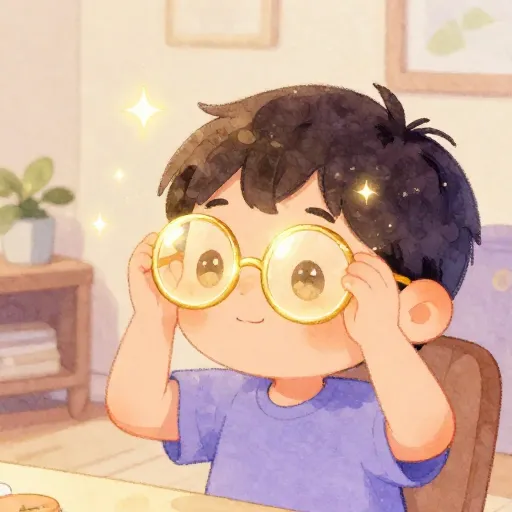
Think of gratitude as a pair of magic glasses. Without them, the world looks grey and ordinary. When you put them on, you suddenly see that your breakfast, your books, and your friends are actually glowing with hidden effort and care.
Many thinkers have pointed out that we often get used to the good things in our lives until we don't even notice them anymore. Scientists call this hedonic adaptation.
If you get a new bike, you are very excited for a week. But by the second month, it is just a bike. Gratitude is the tool we use to "wake up" and see the bike as a gift all over again.
Through the Ages
Modern psychologists, like Martin Seligman, have proven that writing down things you are thankful for can actually reduce sadness. He calls these "Gratitude Visits" or "Three Good Things."
By focusing on the small details, like the taste of an apple or the way the light hits a tree, we train ourselves to be more present. We stop worrying about the future and start noticing the beauty of right now.

Gratitude can make your life happier and more satisfying.
Ultimately, gratitude is a mystery that scientists and philosophers are still exploring. It is a bridge between the past (what someone did for us) and the future (how we will help others).
It reminds us that even in a world that can feel big and scary, we are held together by millions of small, kind actions. We just have to be quiet enough to notice them.
Something to Think About
If you could never say the words 'thank you' again, how would you show someone that you were grateful for them?
There are no right or wrong answers here. You might think of a look, a gesture, or an action. Let your imagination explore how gratitude lives outside of language.
Questions About Psychology
What if I don't feel grateful for something I was given?
Does gratitude mean I have to ignore bad things?
Is there such a thing as too much gratitude?
The Continuing Circle
Gratitude is a conversation that never really ends. Every time you notice a kindness, you are joining a tradition of thinkers and friends that stretches back thousands of years. It is a way of seeing the world that keeps it feeling bright, even on the days when the sun isn't shining.
