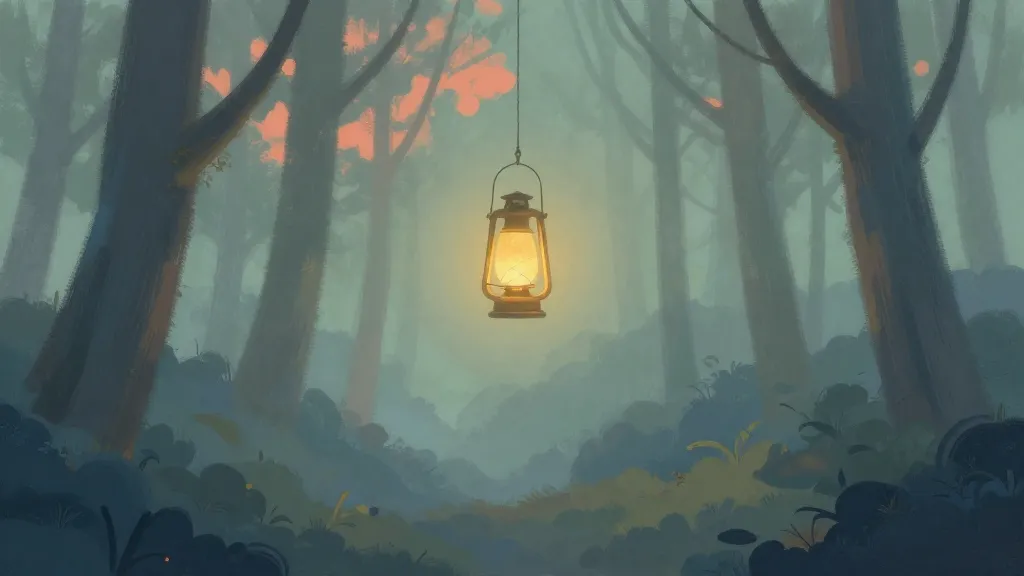
Have you ever felt like a situation was totally stuck, but a tiny voice in your head said, 'Maybe not'?
That tiny voice is hope, a complex emotion that helps us imagine a better future. It is more than just a wish: it is a mix of resilience, imagination, and the courage to face uncertainty.
Imagine you are standing in a dusty workshop in Ancient Greece thousands of years ago. People back then loved stories that explained why the world was so messy and beautiful all at once.
One of their most famous stories was about a woman named Pandora who was given a mysterious jar. She was told never to open it, but curiosity got the better of her.
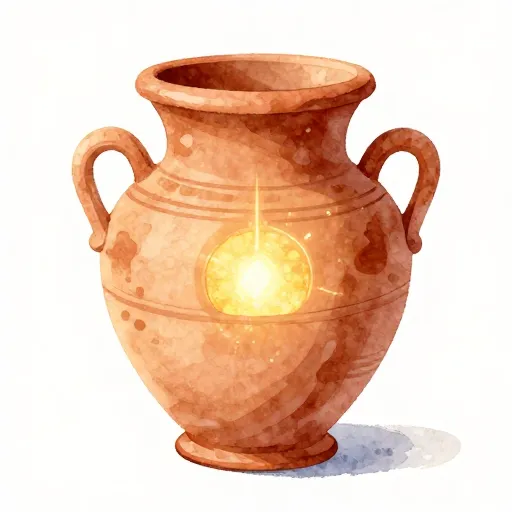
Imagine a tall, clay jar decorated with paintings of swirling clouds. It sits in a dark corner of a room. When the lid is lifted, a cloud of grey smoke hisses out, but at the very bottom, there is a single, glowing golden spark that refuses to go out.
When the lid clicked open, all the troubles of the world flew out: sickness, sadness, and hard work. Pandora scrambled to slam the lid back down, but it was too late.
Almost everything had escaped into the world, leaving the jar nearly empty. But there was one tiny thing left shivering at the very bottom: Elpis, the ancient Greek word for hope.
Finn says:
"If all the bad things flew out of the jar, why was hope left behind? Was it too slow to catch them, or was it staying behind to help us deal with the mess?"
Is Hope a Gift or a Trap?
For thousands of years, philosophers have argued about that story. Some thought hope was a trick: a way to keep people working hard even when things were terrible.
Others believed hope was the greatest gift of all because it gives us the energy to keep going. Without it, the other troubles in the jar would be too heavy to carry.
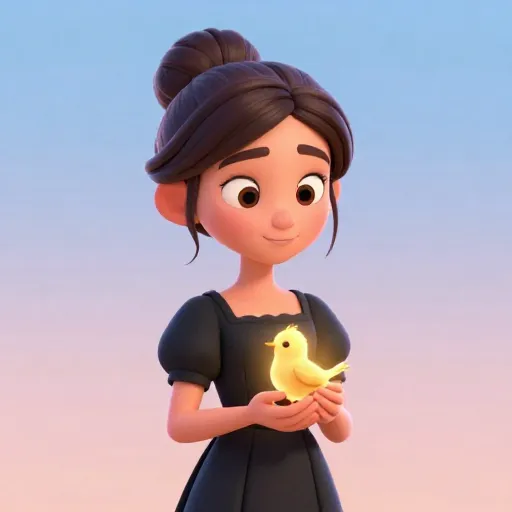
Hope is the thing with feathers / That perches in the soul / And sings the tune without the words / And never stops at all.
Emily Dickinson lived a very quiet life in Massachusetts about 150 years ago. She spent much of her time in her room, writing poems on the backs of envelopes and scraps of paper.
She knew that hope doesn't need to be loud or grand to be powerful. Like a small bird, it just stays there, singing its song even when the wind is freezing.
The Science of 'How'
In the 1990s, a psychologist named C.R. Snyder decided that hope wasn't just a poetic feeling. He believed it was a way of thinking that anyone could learn.
He found that hopeful people have two very specific tools in their mental toolkit. The first is agency, which is the 'I can do this' feeling that makes you want to try.
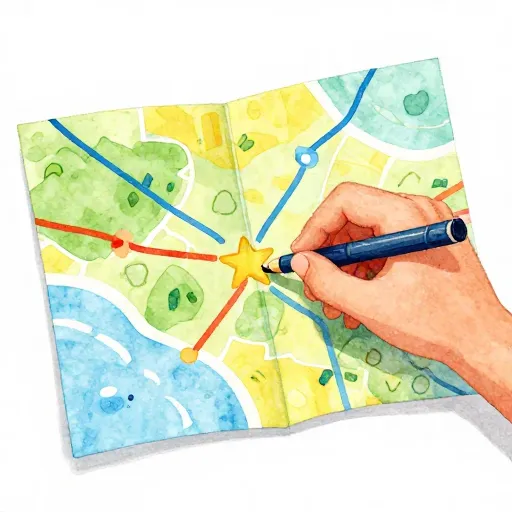
The next time you feel stuck on a homework problem or a project, draw a 'Hope Map.' Put your goal in the middle. Then, draw three different paths to get there. If Path A is 'Ask a teacher,' what are Path B and Path C? Having a backup plan actually makes you feel more hopeful!
The second tool is what he called pathways. This is the ability to map out different ways to reach a goal, even if the first way is blocked by a giant wall.
Mira says:
"I think hope is like a gardener. You plant a seed in the dark dirt, and you can't see anything happening for a long time, but you keep watering it because you know what it could become."
Think about a video game level that feels impossible to beat. A person with high hope doesn't just keep hitting the same 'jump' button over and over.
They look for a secret door, or they try a different character, or they practice a new move. They use their creativity to find a new path when the old one fails.
Hope vs. Optimism
Many people think hope and optimism are the exact same thing, but they are actually cousins. Optimism is the belief that things will probably turn out well, like expecting a sunny day because the forecast said so.
Hope is a bit grittier than that. It doesn't promise that things will be easy or that you will definitely get what you want.
The belief that everything will definitely be fine. It feels like a 'sunny' emotion that relies on things going your way.
The belief that you can find a way forward even if things are messy. It is an 'active' emotion that relies on your own actions and imagination.
Hope is the fuel you use when you aren't sure what will happen next. It is the ability to work for something because it is good, not just because you are certain you will win.
Hope is not the conviction that something will turn out well, but the certainty that something makes sense, regardless of how it turns out.
Vaclav Havel was a playwright who lived in a country called Czechoslovakia during a time when it was not free. He spent years in prison for his big ideas about liberty.
He wrote those words because he realized that if he only felt 'hopeful' when things looked good, he would have given up on day one. Real hope is a state of the heart, not a calculation of the odds.
Hope Through the Ages
How we think about hope has changed a lot depending on where and when people lived. It has traveled from ancient myths into the heart of modern science.
Hope Through the Ages
In the Middle Ages, hope was often seen as a religious duty: a way to keep your eyes on a better world yet to come. It was a form of endurance that helped people survive very difficult lives.
Later, during the Enlightenment, people started to hope in science and human progress. They believed that by using our brains, we could solve any problem, from hunger to gravity.
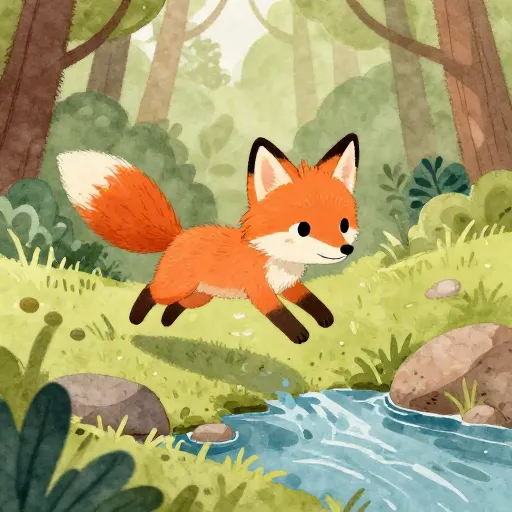
The word 'hope' comes from an old word meaning 'to leap with expectation.' It’s a very active word! It suggests that when we hope, our hearts are ready to jump into action.
The Power of 'Yet'
Today, psychologists often talk about hope in terms of possibility. It’s the difference between saying 'I can't do this' and saying 'I can't do this yet.'
That one tiny word - yet - is a hope-builder. It turns a closed door into a hallway that is still being built.
Finn says:
"So, is hope like a muscle? Does it get stronger if you use it to solve small problems, like finding a lost toy or learning a tricky skateboard trick?"
When we practice hope, we are actually training our brains to be more flexible. We are telling ourselves that the future isn't a fixed movie we are just watching: it’s a story we are helping to write.
This requires a lot of perseverance, which is the ability to keep trying even when you are tired. Hope gives you the reason to stand up one more time than you fall down.
Hope is being able to see that there is light despite all of the darkness.
Desmond Tutu was a leader in South Africa who helped end a very unfair system called apartheid. He lived through times that felt completely dark and hopeless for millions of people.
He compared hope to a light because light doesn't make the darkness disappear instantly. Instead, it shows you where the furniture is so you don't trip, and it reminds you that the room still exists.
Try the 'Three Hopes' exercise tonight. Before you go to sleep, think of one small hope (like having a good lunch), one medium hope (like passing a test), and one big hope (like the world becoming kinder). It helps your brain practice looking for possibilities.
Why Hope Matters Now
In our modern world, we deal with big challenges like climate change or making sure everyone has enough to eat. These problems can feel so big that they make us want to hide under the covers.
But history shows us that every big change started with a small group of people who had hope. They didn't have all the answers, but they had enough agency to take the first step.
Hope is a choice we make every morning. It’s the decision to believe that our actions matter, even if we can’t see the finish line from where we are standing.
Something to Think About
If you could put one 'hope' for the future back into Pandora's jar for safekeeping, what would it be?
There is no right or wrong answer here. Hope looks different for everyone, and your hope is just as important as anyone else's.
Questions About Psychology
Is it okay to feel hopeless sometimes?
Can you have too much hope?
How can I help a friend who has lost hope?
Keep Singing the Tune
Hope isn't a magic wand that makes problems disappear. It's more like a flashlight in a dark cave: it doesn't move the walls, but it shows you where to step. As you go through your week, look for those moments of 'yet' and remember that you are the author of your own next chapter.