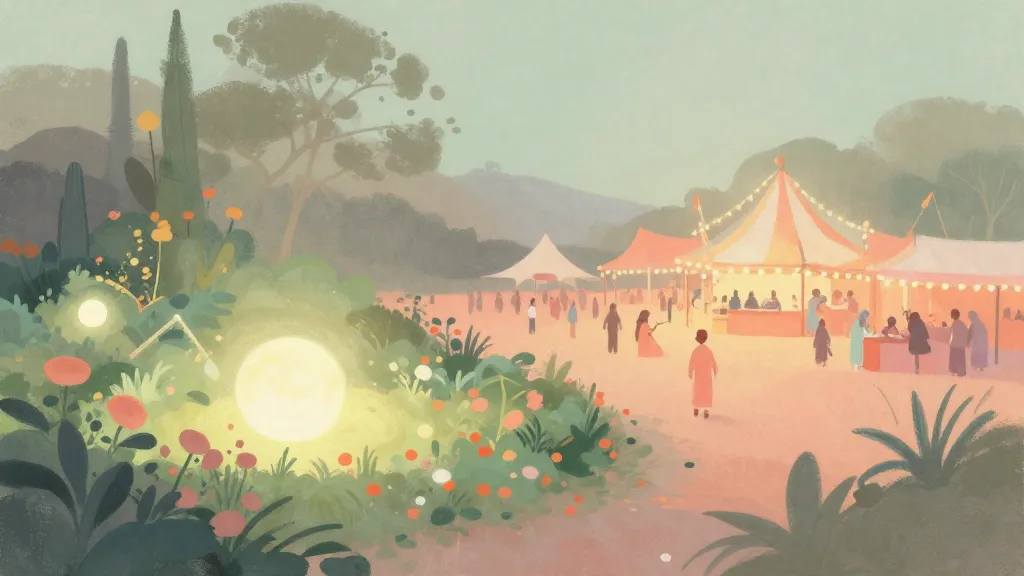
Imagine your brain has a battery that needs charging every single day.
Some people charge that battery by being around a crowd of friends, while others need a quiet corner and a book to get back to full power. This difference is at the heart of introversion and extroversion, two big ideas that help us understand our personality and how we relate to the world.
Imagine you are standing in a snowy city in Switzerland about a hundred years ago. The year is 1921. Inside a quiet office filled with books, a doctor named Carl Jung is thinking about why people are so different from one another.
He noticed that some of his patients seemed to look outward at the world for their energy, while others looked inward. He decided to give these two ways of being names that we still use today.
The word introvert comes from Latin words meaning 'to turn inward.' Extrovert means 'to turn outward.' It is all about where you look for your 'spark.'
Jung believed that no one is just one thing. He thought of these traits as a way that energy flows, like water in a stream moving either toward the shore or out to the deep sea.
Before Jung, people didn't really talk about "personality types." They mostly talked about "character," which was about whether you were brave or honest, rather than how you felt inside.

Finn says:
"If everyone was exactly the same, would we ever have anything new to talk about? I like that we're a puzzle with different shaped pieces."
The Great Energy Battery
The easiest way to understand the difference is to think about your internal battery. An extrovert is someone who feels energized by the outside world, especially by people, noise, and activity.
They might feel a bit bored or lonely if they spend too much time by themselves. For them, a birthday party or a busy playground is like a charging station.
There is no such thing as a pure introvert or extrovert. Such a person would be in a lunatic asylum.
On the other hand, an introvert is someone who finds social interaction quite tiring after a while. They don't necessarily dislike people, but they need to spend time alone to recharge their energy.
Think of it like this: an extrovert spends energy when they are alone and earns it when they are with others. An introvert earns energy when they are alone and spends it when they are with others.
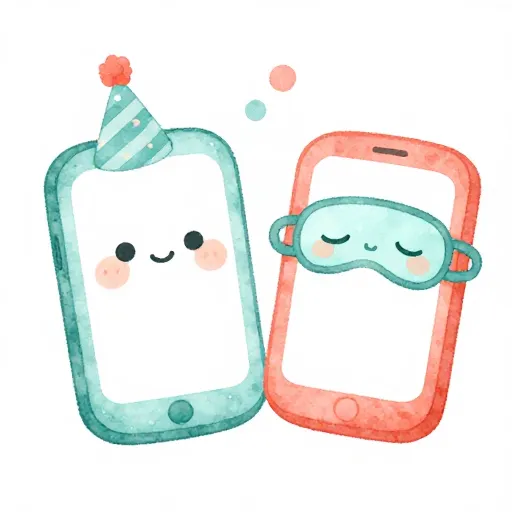
Imagine two phones. One phone (the extrovert) loses its charge whenever it stays in its box and needs to be plugged into a giant social power grid. The other phone (the introvert) uses up its battery every time it makes a call and needs to sit in its quiet box to charge back up.
It is a Spectrum, Not a Box
It is important to remember that you aren't just an "Introvert" or an "Extrovert" with nothing in between. Most psychologists today think of this as a spectrum, which is a long scale with many points.
Imagine a long piece of string. On one end is the "Ultimate Extrovert" and on the other is the "Ultimate Introvert."
- Most people live somewhere in the middle.
- People in the middle are often called ambiverts.
- You might feel like an extrovert at a football game but an introvert during a science lesson.
- Your place on the scale can even move a little bit as you grow older.

Mira says:
"I noticed that I'm an extrovert when I'm with my cousins, but when I'm at the library, I feel like a total introvert. It's like I have two different gears."
What is Happening in the Brain?
You might wonder why we are born this way. Scientists have discovered that our brains actually react differently to a chemical called dopamine.
Dopamine is like a little reward signal in the brain that makes us feel excited. Extroverts have a system that is very sensitive to dopamine, so they go looking for things that trigger it, like big adventures or meeting new people.
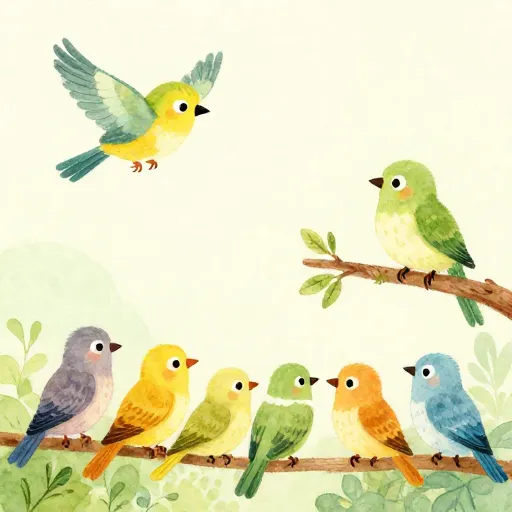
Scientists have found that even some animals have introverted or extroverted personalities! In a group of birds, some are 'bold' explorers while others are 'shy' and stay close to the nest to keep it safe.
Introverts have the same amount of dopamine, but they are more sensitive to it. For an introvert, too much dopamine can feel like a room that is too loud or a light that is too bright.
Instead, introverts often prefer a different chemical called acetylcholine. This chemical makes us feel good when we are calm, focused, and thinking deeply about one thing at a time.

Solitude matters, and for some people, it is the air they breathe.
The Power of the Quiet World
For a long time, especially in schools and offices, people thought being an extrovert was "better." They rewarded people who spoke the loudest or raised their hands the fastest.
But some of the most important things in history happened because someone was willing to sit quietly and think. Solitude, which is the state of being alone without being lonely, is where many great ideas are born.
- Isaac Newton was sitting alone in a garden when he thought about gravity.
- Rosa Parks was a quiet, private person who changed history by standing her ground.
- J.K. Rowling first imagined Harry Potter while sitting quietly on a long train ride.
Next time you are at a busy event, check your 'social battery.' Do you feel like your energy is going up (Extrovert) or down (Introvert)? If it's going down, see if taking 5 minutes of quiet time helps you feel better.
Being an introvert isn't about being shy. Shyness is a fear of what people think of you. Introversion is simply a preference for a lower level of stimulation.
Finn says:
"What if an introvert and an extrovert went on a space mission together? The extrovert would handle the radio and the introvert would fix the complicated engine!"
Speaking to Think vs. Thinking to Speak
Another way to see the difference is in how we communicate. Extroverts often "think out loud." They figure out what they believe by talking about it with other people.
Introverts usually prefer to process their thoughts internally. They might wait until they have the whole sentence ready in their head before they say a word.
I like to talk while I'm thinking so I can hear how my ideas sound out loud. It helps me find the answer!
I like to finish my whole thought in my head before I say it. If I talk too soon, I get confused.
Neither way is right or wrong. In a group, you need the extrovert to get the conversation started and the introvert to listen carefully and notice the details others might miss.

The monotony and solitude of a quiet life stimulates the creative mind.
The World Needs Both
Imagine if the world was only made of extroverts. It would be a very exciting, loud, and busy place, but maybe nobody would ever stop to write a long book or finish a complicated math problem.
If the world was only introverts, it would be peaceful and thoughtful, but maybe we would never have big festivals, team sports, or loud, joyful parades.
Through the Ages
We live in a world that is designed for both, even if it doesn't always feel that way. Understanding where you sit on the spectrum helps you know how to take care of yourself.
If you're an introvert, you don't have to feel bad about needing a break from a party. If you're an extrovert, you don't have to feel bad about wanting to call a friend whenever you're bored.
Learning about your temperament is like getting an instruction manual for your own brain. It doesn't tell you what to do, but it helps you understand why you feel the way you do.
Something to Think About
If you could design a perfect day that made your 'internal battery' feel 100% full, what would it look like?
There is no right or wrong answer here. Some people might dream of a crowded stadium, and others might dream of a treehouse and a sketchpad. Both are wonderful.
Questions About Psychology
Can I change from an introvert to an extrovert?
Is it bad to be shy?
What if I feel like both?
Your Unique Map
Understanding introversion and extroversion isn't about putting yourself in a box. It's about drawing a map of your own heart. When you know what makes you feel tired and what makes you feel alive, you can navigate the world with a lot more confidence. Whether you are a quiet thinker or a loud explorer, the world has a specific place that only you can fill.
