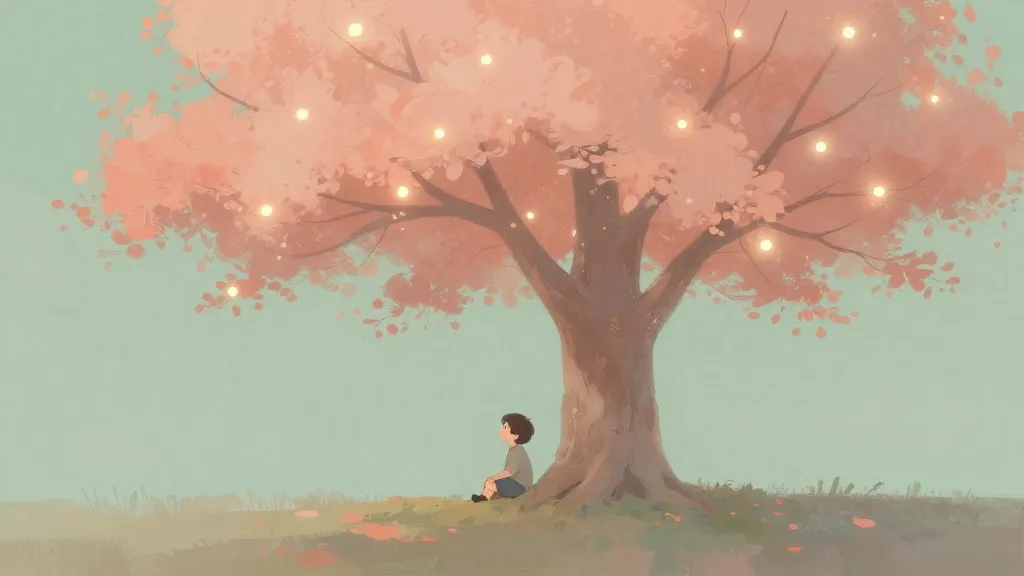
Have you ever felt like you were inside a glass bubble while the rest of the world moved on without you?
Even when a room is full of people, you might feel a strange, quiet ache in your chest. This feeling is called loneliness, and while it can feel heavy, it is one of the most important parts of being human. Understanding our inner world helps us turn that heavy feeling into something more peaceful called solitude.
Imagine you are walking through a busy market in London in the year 1650. You see hundreds of people buying bread, shouting about prices, and bumping shoulders.
At this time in history, if you were by yourself, people wouldn't say you were "lonely." They would say you were "onely," which just meant you were a single person.
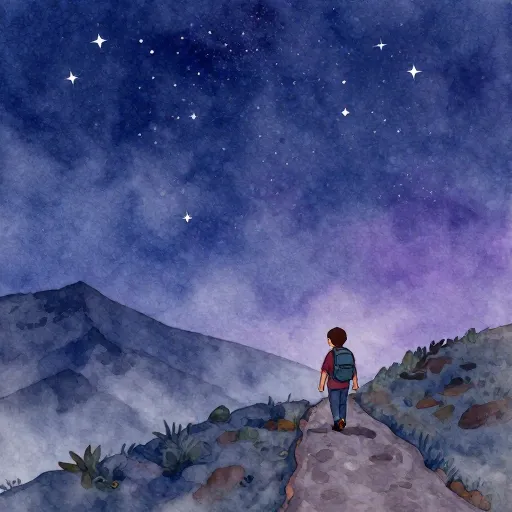
In the 1600s, the word 'lonely' didn't exist in the way we use it today. People usually only felt 'lonely' if they were physically far away from other people, like a traveler on a deserted mountain road.
It wasn't until much later that people started using the word loneliness to describe a feeling of sadness. Before that, being alone was just a physical fact, like having blue eyes or wearing a hat.
Over hundreds of years, our cities grew larger and our lives grew busier. As we lived closer together, we actually started to feel further apart.

Finn says:
"I used to think being lonely was a mistake, like I'd forgotten how to make friends. But even when I'm at a party, I sometimes feel like I'm looking through a window from the outside."
The Nursery and the Secret of Being Alone
In the 1950s, a doctor named Donald Winnicott spent a lot of time watching babies and their parents. He noticed something very strange but very beautiful about how we learn to be ourselves.
He realized that a child's first step toward independence isn't learning to walk. It is learning the capacity to be alone while someone else is nearby.

The capacity to be alone is the capacity to rediscover the self.
Winnicott believed that when a child plays with blocks while their parent sits nearby reading a book, something magical happens. The child feels safe enough to stop worrying about what others think.
In this quiet space, they can discover their own thoughts and feelings. This is how we build a strong inner world, which is like an invisible home inside our minds.
Next time you are at home with someone you trust, try 'being alone together.' Each of you do your own thing, like drawing or reading, in the same room without talking. Notice how it feels to be in your own world while still feeling safe.
Loneliness vs. Solitude
There is a big difference between being lonely and being in solitude. One feels like a cold shadow, while the other feels like a warm, quiet room.
Loneliness is the feeling that you are missing a connection that you need. It is like being hungry, but instead of food, your heart is hungry for another person to understand you.

Mira says:
"That makes sense, Finn. Sometimes our brains just want a different kind of connection than what's happening. Maybe the 'glass window' is just a sign that you're looking for something deeper."
Solitude, on the other hand, is when you are alone but you feel like you are in good company with yourself. You might be drawing, reading, or just staring out the window thinking about space.
A famous thinker named Hannah Arendt believed that solitude is actually a conversation you have with yourself. She thought it was the most important work a person could do.

In solitude, I am by myself, together with myself.
The Body's Alarm System
Why does loneliness sometimes feel like a physical pain in our stomach or chest? Scientists have found that our brains treat social isolation almost the same way they treat a scraped knee.
Thousands of years ago, humans needed to stay in groups to survive. If a person wandered off alone, they were in danger from predators or the cold.
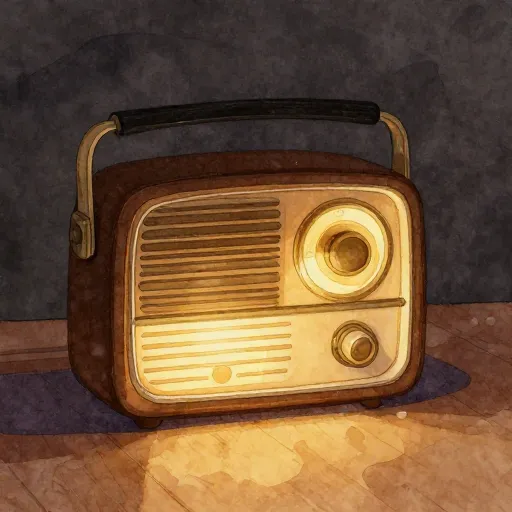
Imagine a radio station that only plays static noise. That static is like the feeling of loneliness. It's not a song yet, but it's the space where a song is supposed to be. Your job isn't to turn off the radio, but to slowly tune the dial until you find your own voice.
Loneliness was like a smoke alarm that told our ancestors to get back to the campfire. Today, we don't have many saber-toothed tigers, but our brains still use that alarm.
When we feel lonely, it is just our brain's way of saying: "Hey, you need a little more connection right now!" It is a signal, not a failure.
Through the Ages: The Story of Alone
Why We Feel Lonely Together
Have you ever felt lonely while sitting right next to your friends? This is what psychologist Adam Phillips calls a "missed encounter."
It happens when we are physically close to people, but we aren't showing them our true selves. We might be acting "cool" or pretending to like things we don't.

Loneliness is a way of being haunted by one’s own life.
This creates a feeling of melancholy, a word for a thoughtful kind of sadness. We feel lonely because the person people are talking to isn't the "real" us.
To stop feeling this way, we don't always need more people. Sometimes we just need to be more honest about who we are when we are with others.
Finn says:
"So if I'm in solitude, I'm actually hanging out with myself? I guess that means I have to learn how to be a good friend to me first."
Holding the Feeling
In psychology, there is a word called containment. It means being able to hold a big, scary feeling without letting it break you.
When you feel lonely, you can practice containing that feeling. You don't have to run away from it or try to fix it right away with a screen or a game.
Being alone is a problem that needs to be fixed immediately by finding people or activities.
Being alone is a skill that helps you learn who you are when no one is watching.
Instead, you can try to look at the loneliness with curiosity. You might ask: "What is this feeling trying to tell me about what I value?"
Often, loneliness tells us that we value deep friendship and being understood. That is a very beautiful thing to care about, even if it hurts for a little while.
Scientists have observed that social animals like elephants and dolphins show signs of loneliness if they are separated from their families. It shows that needing others is a very deep, natural part of being alive.
Something to Think About
If your loneliness was a weather pattern, what would it look like today? Is it a light mist, a heavy rain, or a quiet, snowy day?
There is no right answer to this question. Your feelings are like the weather: they change, they are interesting to watch, and they are always allowed to be there.
Questions About Psychology
Why do I feel lonely even when I have friends?
Is something wrong with me if I like being alone?
What should I do when the lonely feeling is too big?
The Friend Inside
Loneliness isn't an enemy to be defeated. It is a part of the human experience that reminds us how much we value love and understanding. By learning to sit with ourselves, we turn the fear of being alone into the strength of being comfortable in our own skin. You are never truly alone when you are a friend to yourself.