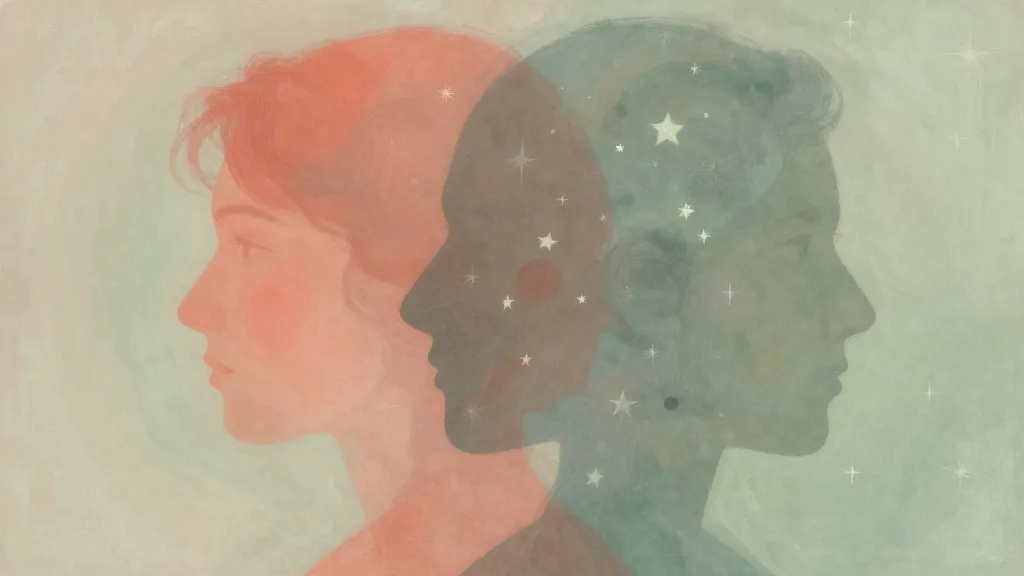
If you had to describe yourself using only three words, which ones would you choose?
Human beings have spent thousands of years trying to solve the mystery of personality. We want to know why we feel, think, and act the way we do, and whether our temperament is something we are born with or something we learn.
Imagine you are standing in a crowded playground. Some children are right in the middle of the action, shouting and running. Others are sitting on the edge of the sandbox, carefully building a castle or talking quietly with one friend.
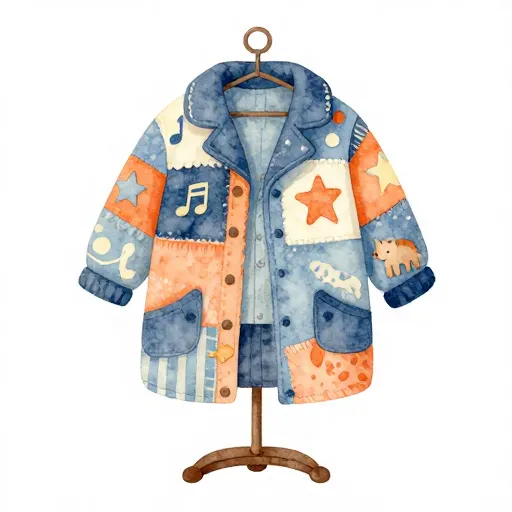
Imagine your personality is like a custom-made coat. Some parts of it are the color you were born with, like your eyes. Other parts are patches you've sewn on yourself because of the books you've read, the friends you've made, and the places you've been.
Why does one person feel energized by a crowd, while another person feels tired by it? This is the core question of personality psychology, a branch of science that looks at the patterns of how we behave. It is the study of what makes you, uniquely you.
The Ancient Humors: Medicine and Mood
To find the beginning of this story, we have to travel back over 2,000 years to Ancient Greece. There, a doctor named Hippocrates was watching his patients very closely. He noticed that people seemed to fall into four main categories of behavior.
Finn says:
"Wait, so if I'm feeling cranky, an ancient doctor would have told me I just had too much yellow juice in my tummy? That's kind of gross, but also pretty funny."
Hippocrates believed that everything in the universe was made of four elements: earth, air, fire, and water. He thought that inside the human body, there were four matching liquids called humors. If these liquids were balanced, you were healthy. If you had too much of one, it changed your personality.
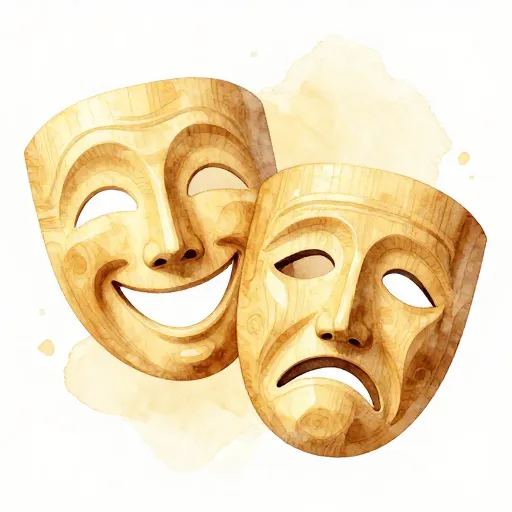
The word 'personality' comes from the Latin word 'persona,' which means 'mask.' In ancient Roman theater, actors wore different masks to show the audience which character they were playing. Today, we think of personality as what's under the mask!
If you had too much "yellow bile," you were considered choleric, which meant you were energetic and perhaps a bit bossy. Too much "black bile" made you melancholic, or thoughtful and artistic. People with lots of "phlegm" were phlegmatic, meaning they were calm and steady. Finally, those with plenty of "blood" were sanguine, meaning they were cheerful and social.
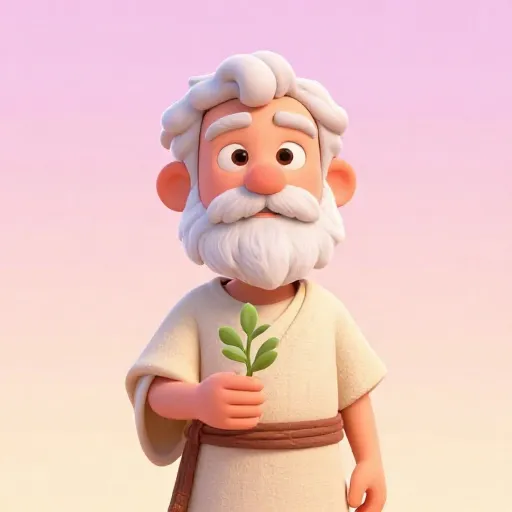
It is far more important to know what person the disease has than what disease the person has.
Of course, we now know that our personalities are not caused by colored liquids in our stomachs. But Hippocrates was onto something important. He realized that our bodies and our minds are connected, and that people have different natural "settings" for how they react to the world.
Carl Jung and the Inner World
For a long time, the idea of the Four Humors stayed the same. But in the early 1900s, a Swiss thinker named Carl Jung decided to look deeper. He wasn't interested in body liquids: he was interested in where people got their energy.
Pay attention to your 'Social Battery' today. After you spend time with a big group of people, do you feel like you want to keep talking? Or do you feel like you need to go to your room and be quiet for a while? There is no wrong answer, it just tells you how you recharge!
Jung noticed that some people seem to be oriented toward the "outer world" of people and things. He called these people extroverts. They tend to think out loud and love variety. When they are around others, they feel like a battery being charged up.

Mira says:
"I like the idea of an 'inner world.' It makes my daydreams feel like a real place I can visit whenever I need to recharge my brain."
On the other hand, some people are oriented toward their "inner world" of thoughts and feelings. Jung called them introverts. This does not necessarily mean they are shy. It just means they need quiet time to recharge their batteries after being in a big group.
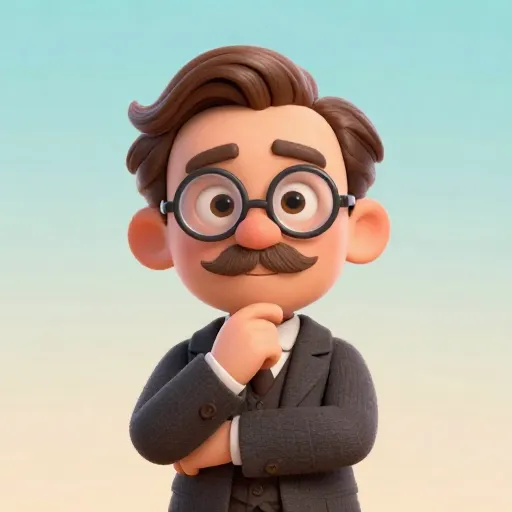
There is no such thing as a pure extrovert or a pure introvert. Such a man would be in the lunatic asylum.
Jung believed that no one is 100% one way or the other. Instead, he thought we all have a bit of both inside us. Think of it like being right-handed or left-handed: you might prefer one, but you still use both hands every day.
The Sorting Hat of the 1940s
During World War II, a mother and daughter named Katharine Briggs and Isabel Briggs Myers took Jung's ideas and turned them into a tool. They wanted to help people find jobs that truly fit their natural strengths. They created the Myers-Briggs Type Indicator, often called the MBTI.
Labels help us understand ourselves and feel less alone. They give us a language to explain why we do what we do.
Labels can be like cages. If you think you are 'just a shy person,' you might not try new things that could help you grow.
They added more categories to Jung's list. They looked at how people gather information: do you look at the tiny details (Sensing), or do you look at the big picture and the possibilities (Intuition)? They also looked at how people make decisions: do you use logic (Thinking), or do you think about how the decision affects people's feelings (Feeling)?

Everything that irritates us about others can lead us to an understanding of ourselves.
By combining these choices, they created 16 different "types." For many people, finding their type feels like finding a key to a lock. It helps them understand why they might struggle with some things while others find them easy. However, some scientists worry that these types are too much like boxes that trap us.
Mapping the Human Mind Through Time
The Big Five: The Modern Map
Today, many psychologists prefer a different system called the Big Five. Instead of putting people into boxes, the Big Five measures personality on five different spectrums. You can remember them using the word OCEAN.
- Openness: How much do you like new ideas and adventures?
- Conscientiousness: How organized and hard-working are you?
- Extraversion: How much do you enjoy being social?
- Agreeableness: How much do you care about getting along with others?
- Neuroticism: How easily do you get stressed or worried?
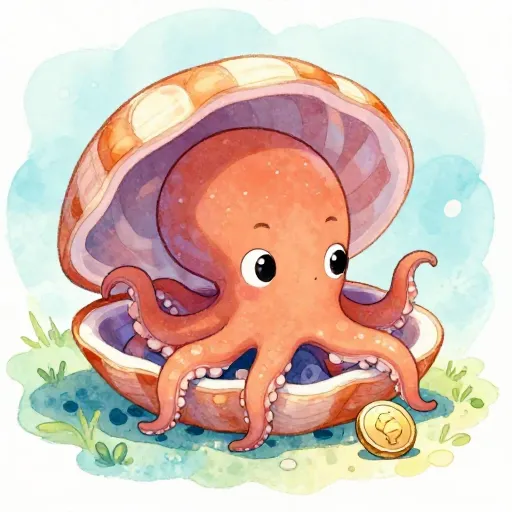
Animals have personalities too! Scientists have found that octopuses, birds, and even some insects show consistent patterns of being 'bold' or 'shy' when they are exploring new places or looking for food.
In the Big Five system, you aren't just "an introvert." You might be "low on the extroversion scale." This allows for more wiggle room. It acknowledges that you might be very organized at school but very messy in your bedroom, or brave with spiders but nervous about public speaking.
Finn says:
"If my brain can build new paths, does that mean I can 'practice' being a different personality? Like, could I train myself to be more adventurous?"
One of the most exciting things about modern psychology is the discovery that our personalities can change. While we might have a natural temperament we are born with, we can also grow. This is called neuroplasticity, the idea that our brains can build new paths as we learn and practice new ways of being.
Why Labels Matter (and Why They Don't)
Learning about personality types is like having a flashlight in a dark room. It helps you see things that were already there but were hard to describe. It can help you be kinder to yourself when you feel "different" from your friends. It can also help you be more patient with a sibling who sees the world differently than you do.
However, it is important to remember that a personality type is just a description, not a destiny. You are much more complex than four letters or a score on a scale. You are a living, breathing person who is constantly growing and changing in response to the world around you.
Something to Think About
Which part of your personality feels like it's a solid 'rock' that stays the same, and which part feels like 'water' that changes depending on who you are with?
There are no right or wrong answers here. You might feel like you have many different versions of yourself, and that's perfectly normal.
Questions About Psychology
Can your personality type change over time?
What if I don't fit into any of the types?
Is one personality type better than the others?
The Unfolding Story of You
Thinking about personality isn't about finding a final answer. It's about starting a conversation with yourself. As you go through life, you will keep discovering new layers of who you are, like a book that keeps adding new chapters. Stay curious about your own mind, it is the most interesting place you will ever visit.
