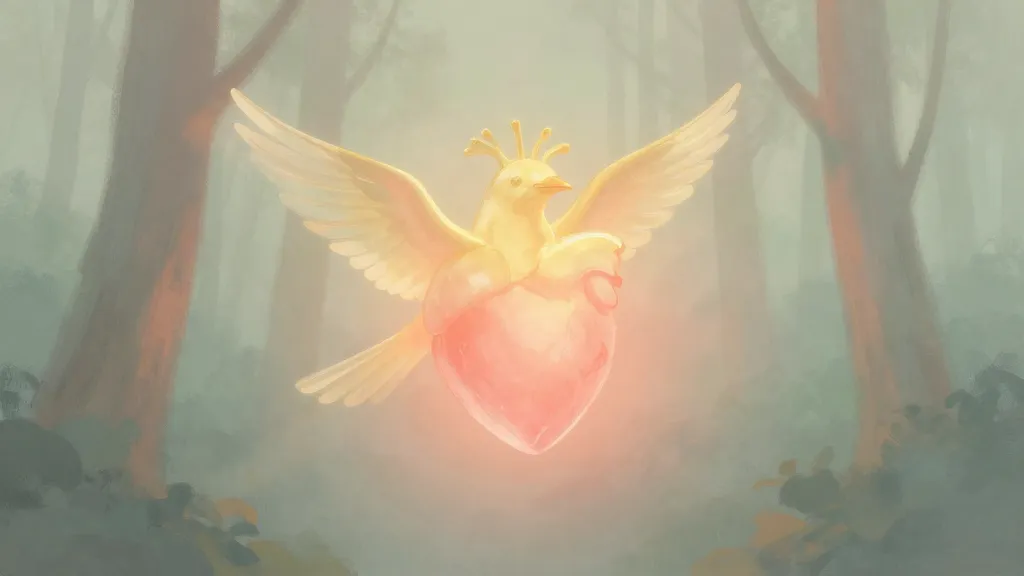
Have you ever finished a difficult puzzle, mastered a new skateboard trick, or finally understood a tricky math problem and felt a sudden, warm glow in your chest?
That feeling is pride, an emotion that tells us we have done something meaningful. For thousands of years, humans have debated whether this feeling is a helpful friend that builds our self-worth or a dangerous trap that makes us think we are better than everyone else.
Imagine you are standing on a sun-drenched street in Ancient Greece, over two thousand years ago. You see a crowd gathered around a storyteller who is describing a boy named Icarus.
Icarus has wings made of feathers and wax, and his father warns him not to fly too high. But the feeling of soaring is so wonderful, and Icarus feels so powerful, that he forgets the warning.

Imagine a pair of wings made of hundreds of white feathers, held together by thick, yellow beeswax. Now imagine the heat of the sun making that wax turn to liquid, dripping like honey as the feathers start to float away into the blue sky. That is the moment the Greeks called hubris: the moment the dream breaks because you forgot your limits.
He flies closer and closer to the sun until the wax melts, his wings fall apart, and he tumbles into the sea. For the Ancient Greeks, this was a story about hubris, which is the kind of pride that makes a person forget they are only human.
They believed that when humans felt too much pride, they were challenging the gods themselves. This made pride seem like a very dangerous thing to have, almost like a spark that could start a forest fire if you weren't careful.

Mira says:
"I wonder if Icarus actually knew he was going to fall, but the feeling of being proud and powerful was just too sparkly to give up."
However, not everyone in Greece thought pride was a mistake. A famous thinker named Aristotle looked at pride differently.
He didn't think pride was a fire to be put out, but more like a muscle that needed to be trained. Aristotle believed in something called the Golden Mean, which is the perfect middle point between two extremes.
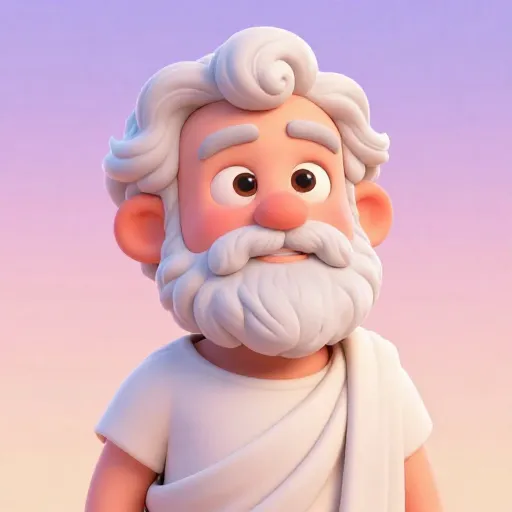
Pride is the crown of the virtues: for it is not found without them, and it makes them greater.
Aristotle described a person he called the "Great-Souled Man." This was someone who knew they were capable of great things and didn't pretend to be small, but they also didn't brag or act like they were more than they were.
To Aristotle, having the right amount of pride was actually a sign of a good, honest character. It meant you knew your own value and were willing to live up to it every single day.
Take a moment to think of three things you are proud of. But here is the challenge: try to pick one thing you are proud of that no one else even knows you did. Maybe you were patient with a sibling, or you kept trying at a game even though you were losing. How does that secret pride feel different from the kind you share with others?
As time moved forward into the Middle Ages, the way people thought about pride changed again. In many parts of Europe, pride became known as one of the most serious mistakes a person could make.
It was often called the "root of all evil" because it was thought to lead to every other problem, like greed or anger. During this time, the goal for many people was humility, which meant keeping yourself small and focusing on others instead of yourself.

Finn says:
"What if we never felt proud at all? Would we just stop trying to do hard things because there was no warm glow at the finish line?"
If you walked through a cathedral in the year 1200, you might see stone carvings of kings falling off their thrones. These carvings were meant to remind everyone that "pride goeth before a fall," a famous saying that suggests if you get too puffed up, life has a way of knocking you down.
But then came the 1600s, and a philosopher named Baruch Spinoza started to look at the human mind in a new, scientific way. He didn't see pride as a sin or a trap, but as a form of joy.
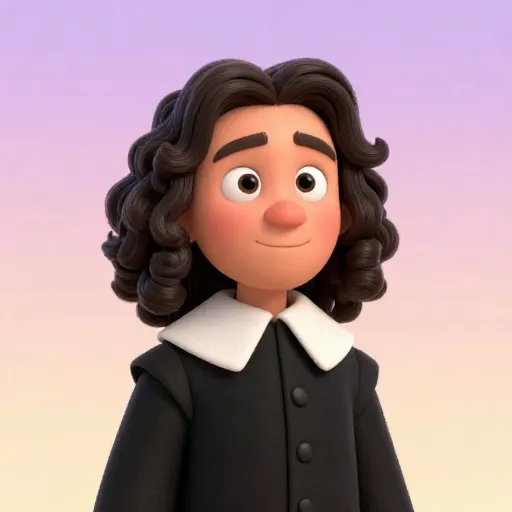
Pride is joy arising from a man's having too high an opinion of himself.
Spinoza thought that when we feel proud, we are simply noticing that we have become more capable or more powerful than we were before. If you learn to ride a bike, you are literally more powerful than you were when you could only walk, and your brain rewards you with a shot of pride.
This shift was important because it started to treat pride as a natural part of being human. Instead of being afraid of the feeling, people began to ask how it could help us grow and learn.
Pride is about the work you put in. It says, 'I am happy because I did my best.' It makes you want to keep practicing and growing.
Vanity is about the attention you get. It says, 'I am happy because people are looking at me.' It makes you worry about what others think more than what you actually do.
In the 1700s, a Scottish philosopher named David Hume took this idea even further. He noticed something very interesting about pride: we almost never feel it entirely by ourselves.
Think about a time you made a beautiful drawing. You might feel a little bit of pride while you are working on it, but that feeling usually explodes when you show it to a friend or a parent and they see what you have done.
Hume believed that pride is like a mirror. We see ourselves through the eyes of other people, and their recognition helps us understand who we are.

Scientists have found that people all over the world make the same 'pride stance' without being taught! Even people who have been blind since birth will lift their chin, put their hands on their hips, and puff out their chests when they succeed. This suggests that pride is hard-wired into our bodies.
He argued that pride is a "social glue" because it makes us want to do things that other people value. We work hard, we are kind, and we create things because we want to feel that warm glow of being seen and appreciated by our community.
Pride Through the Ages
As we moved into the 20th century, psychologists began to distinguish between two very different types of pride. They called them authentic pride and hubristic pride.
Authentic pride is the feeling you get from hard work and effort. It sounds like, "I did a good job because I practiced every day." This kind of pride helps children and adults stay motivated and feel good about their skills.
Hubristic pride, on the other hand, is about status and being better than others. It sounds like, "I am naturally better than you, and that is why I won." This is the kind of pride that often leads to bullying or loneliness because it pushes other people away instead of bringing them closer.
Mira says:
"I think authentic pride is like a warm blanket you weave for yourself, one little accomplishment at a time, until you feel safe and sure of who you are."
In the late 1960s, the word "Pride" took on a whole new meaning during the Stonewall Uprising in New York City. For a long time, certain groups of people had been told they should feel ashamed of who they were or who they loved.
Activists like Marsha P. Johnson decided to flip that feeling upside down. They chose the word "Pride" not to say they were better than anyone else, but to say they refused to feel shame.
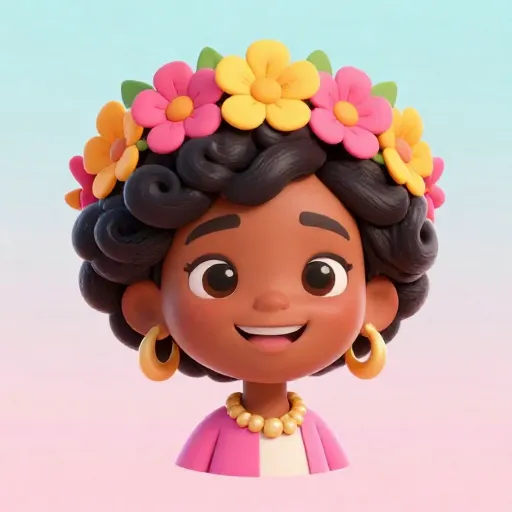
No pride for some of us without liberation for all of us.
This kind of collective pride is different from the pride you feel for winning a race. It is a shared feeling of dignity. It is the sound of a group of people saying, "We are here, we are part of the human family, and we have value."
Today, we see this during Pride Month, but we also see it in sports teams, in cultural festivals, and even in classrooms. It is the feeling of belonging to something bigger than yourself and being proud of what that group stands for.
In the animal kingdom, we use the word 'pride' to describe a group of lions. While the lions don't feel pride the way humans do, they survive because they work together as a family. In a way, human 'collective pride' is very similar: it is the strength we find when we stand together.
So, is pride a good thing or a bad thing? Most modern thinkers believe it is both. It is a powerful engine that can drive us to do our best work and help us stand up for ourselves when things are unfair.
But like any engine, it needs to be steered. If pride is based on how much we have worked and how we treat others, it acts like a compass, pointing us toward the best version of ourselves.
If we let it become a way to look down on others, we might find ourselves like Icarus, flying a bit too high and losing touch with the ground. The secret seems to be in the balance: standing tall without standing on anyone else's toes.
Something to Think About
If you were the only person left on Earth, would you still feel proud of the things you do?
There is no right or wrong answer to this. Some people think pride is a gift we give ourselves, while others think it is a gift we get from being seen by others. What do you think?
Questions About Psychology
Is being proud the same thing as being a show-off?
Why do people say pride is a bad thing?
How can I help a friend feel proud?
The Never-Ending Glow
Pride is a complicated emotion because it is both a private feeling and a public one. It can be the quiet smile you have when you finally tie your shoes, or the loud cheer of a thousand people marching for their rights. As you go through your day, pay attention to that warm glow in your chest. Is it telling you that you've done something hard? Is it reminding you that you matter? Whatever it is, it is a part of the long, human story of discovering who we are and what we can achieve.