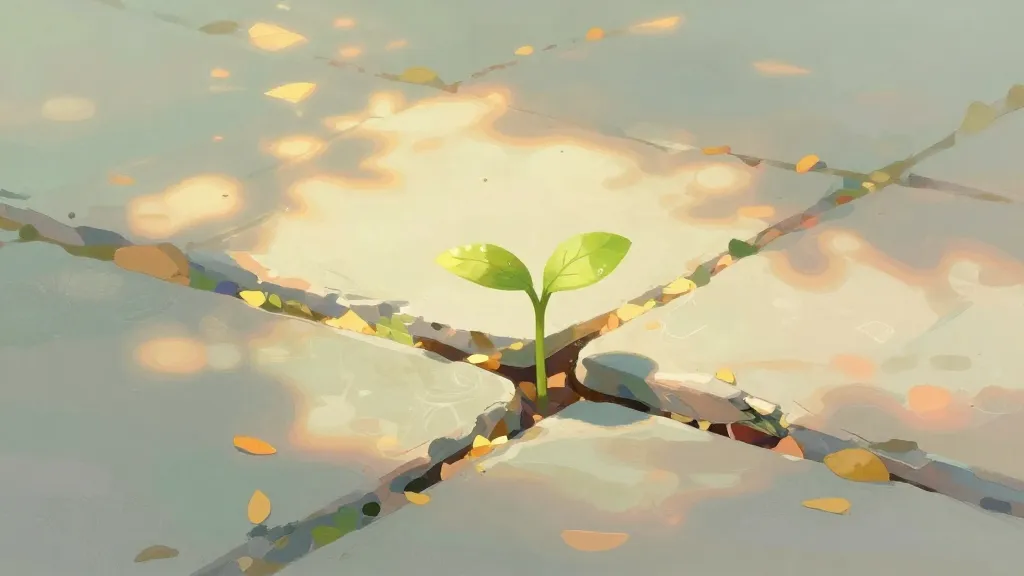
Imagine you are holding a piece of dry spaghetti in one hand and a rubber band in the other.
If you pull both of them, the spaghetti snaps instantly, but the rubber band stretches and returns to its shape. In psychology, we call this ability to 'bounce back' Resilience, a word that has traveled through hundreds of years of history to describe how humans handle Change and Challenge.
Long ago, in the busy streets of Ancient Greece, people were already wondering why some people seem to handle hard times better than others. They didn't have the word resilience yet, but they had a philosophy called Stoicism.
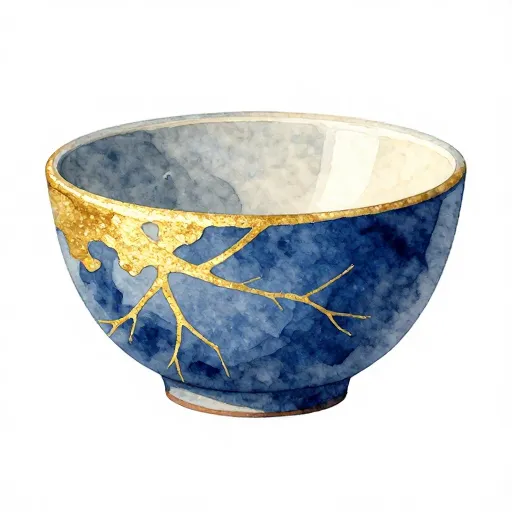
Imagine a bowl from Japan that has been dropped and shattered. Instead of throwing it away, an artist joins the pieces back together using gold. This is called Kintsugi. The bowl is now stronger and more beautiful because of its cracks. Resilience is like that gold - it’s the stuff that holds us together after we’ve been hurt.
The Stoics lived in a world that was often unpredictable and dangerous. They realized that while we cannot control the weather, the wars, or the grumpy moods of our neighbors, we can control how we think about those things.

It’s not what happens to you, but how you react to it that matters.
This idea was like a secret shield for the mind. If you could decide how to feel about a problem, the problem lost its power to break you. This was the earliest form of what we now call Perspective, which is a major part of being resilient.

Finn says:
"So, if I can't stop the rain from ruining my picnic, I should just decide that I like eating sandwiches inside a fort instead? Is that Stoicism?"
The Word That Traveled from Wood to People
For a long time, the word resilience didn't describe people at all. It came from the Latin word Resilire, which means 'to leap back' or 'to rebound.'
In the 1600s, scientists used it to describe how wood or metal would bend under weight and then return to its original shape. They were interested in how much pressure a beam could take before it snapped.
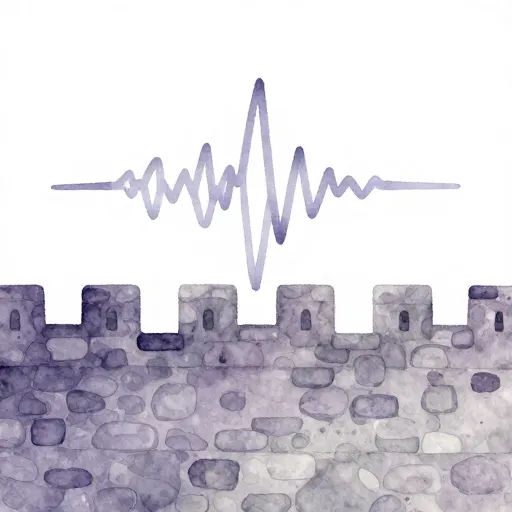
The word resilience was first used in English in the year 1626 by a man named Francis Bacon. He was talking about how echoes 'leap back' from walls. It took over 200 years for people to start using it to talk about our feelings!
It wasn't until much later that doctors and psychologists began to ask: could humans have this same quality? Could a person experience a 'snap' in their life and eventually find their way back to their original shape?
Psychologists began to see that resilience wasn't just about being 'tough' like a rock. Rocks are hard, but if you hit them with a hammer, they shatter into pieces.

Mira says:
"I think the word 'snap' is interesting. Sometimes when things snap, they don't go back to the same shape, but they become something new and useful in a different way."
True resilience is more like a willow tree. It is flexible, it bends with the wind, and it uses its roots to stay grounded even during a hurricane.
- It involves Adaptability, or the ability to change your plans when things go wrong.
- It requires Fortitude, which is a fancy word for courage over a long period of time.
- It grows through Community, because nobody is resilient all by themselves.
The Stress Bucket: Imagine you have a bucket. Every time something stressful happens (a hard test, a fight with a friend), a little water gets added. Resilience is like having a tap at the bottom of the bucket. What are your 'taps'? It could be talking to a friend, drawing, or going for a run to let the stress out before the bucket overflows.
Finding Meaning in the Dark
One of the most important thinkers in the history of resilience was a man named Viktor Frankl. He was a doctor who lived through one of the most difficult times in history, being held in prison camps during World War II.
Frankl noticed something curious about the people around him. It wasn't always the strongest or the fastest people who survived the best.

When we are no longer able to change a situation, we are challenged to change ourselves.
He realized that people who had a 'why' - a reason to keep going - were much more resilient. Some people wanted to see their families again, while others wanted to finish a book they were writing.
This taught the world that resilience is connected to Meaning. When we find a reason to keep trying, our minds find the strength to endure things that seemed impossible before.
Resilience Through the Ages
The Holding Environment
In the 1950s, a pediatrician named Donald Winnicott looked at resilience from a different angle. He studied how babies and children develop the strength to face the world.
He came up with the idea of a Holding Environment. This isn't a physical box, but the feeling of safety provided by the people who love you.

The foundation of health is laid down by the ordinary mother in her ordinary loving care of her own baby.
Winnicott believed that when a child feels safe and supported, they can afford to take risks. They can try something new, fail at it, and know that the world won't end.
Some people think resilience means being 'tough' and never showing that you are hurt or sad. They think you should be like a stone wall that nothing can get through.
Others believe resilience is about being flexible. It's okay to cry and feel sad, as long as you eventually find a way to stand back up and keep growing.
This sense of security is like a safety net under a tightrope walker. Knowing the net is there allows the walker to be brave and resilient, even if they slip and fall.
- Resilience is built when we are allowed to make small mistakes.
- It grows when we have at least one person who truly believes in us.
- It is a skill that gets stronger every time we try again.
Finn says:
"If resilience is like a muscle, does that mean my brain is doing a workout every time I have a bad day? I guess that's why I'm so tired after a big argument!"
Is Resilience Something You Are Born With?
For a long time, people thought you were either born resilient or you weren't. They called these children 'invulnerable,' as if they had magical superpowers that protected them from sadness.
Today, we know that isn't true. Modern science shows that resilience is more like a muscle than a superpower. You can't just wish for big muscles, you have to lift weights to build them.
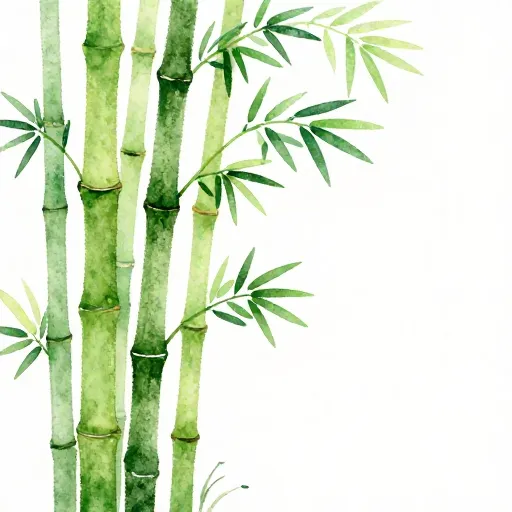
Bamboo is one of the most resilient plants on Earth. During a storm, it can bend almost all the way to the ground without breaking. Once the wind stops, it snaps right back up. It can do this because it is hollow and has strong sections called nodes.
This is where the idea of a Growth Mindset comes in. If you believe your brain can learn and change, you are much more likely to keep going when a math problem gets hard or a friendship feels tricky.
Every time you face a challenge and find a way through it, you are literally changing the wiring in your brain. You are teaching your mind that 'hard' does not mean 'impossible.'
Something to Think About
Can you think of a time when something 'snapped' or went wrong for you, but you ended up learning something new because of it?
There isn't a right or wrong answer here. Sometimes the best thing about resilience is realizing that even the 'snaps' are part of your story.
Questions About Psychology
Does being resilient mean I shouldn't feel sad?
How can I help a friend become more resilient?
Is resilience the same as being brave?
Your Own Invisible Rubber Band
The next time you face a challenge, remember that you aren't just a person trying to get through a bad day. You are part of a long history of humans who have learned how to bend without breaking. Whether you find strength in your thoughts, your 'why,' or your friends, your resilience is a part of you that is always growing.