
If everything you owned was taken away, what would you have left?
Viktor Frankl was a doctor who lived through one of the darkest times in history. He discovered that even when we lose our freedom, we still have the power to choose our attitude. His ideas created a new kind of psychology called Logotherapy, which helps people find a 'why' for their lives.
Imagine walking through the streets of Vienna about a hundred years ago. The city was full of music, grand buildings, and people talking about big ideas in crowded coffee houses. This was where Viktor Frankl grew up, a curious boy who loved to ask questions that didn't have easy answers.

Imagine a young Viktor sitting at a dinner table in 1910. While other kids are playing with toy soldiers, he is listening to his parents discuss philosophy. By the age of 16, he was already writing letters to Sigmund Freud, the most famous psychologist in the world, to share his own theories about the mind.
Young Viktor was fascinated by the human mind. He wondered why some people seemed happy while others felt lost. He eventually became a doctor specializing in psychiatry, which is the study of how people think, feel, and behave. He wanted to help people who felt like their lives didn't matter.
At the time, famous thinkers like Sigmund Freud believed that people were mostly driven by a desire for pleasure. Another thinker, Alfred Adler, thought people were driven by a desire for power. Viktor looked at things differently. He believed humans have a will to meaning, which means our deepest need is to find a reason for being here.

Finn says:
"If everyone is searching for a 'why,' does that mean there's a different answer for every single person? That seems like a lot of answers to keep track of!"
Viktor's life changed forever during World War II. Because he was Jewish, he and his family were taken away by the Nazi government and sent to concentration camps. These were terrible, unfair prisons where people were treated very badly and had almost nothing of their own.
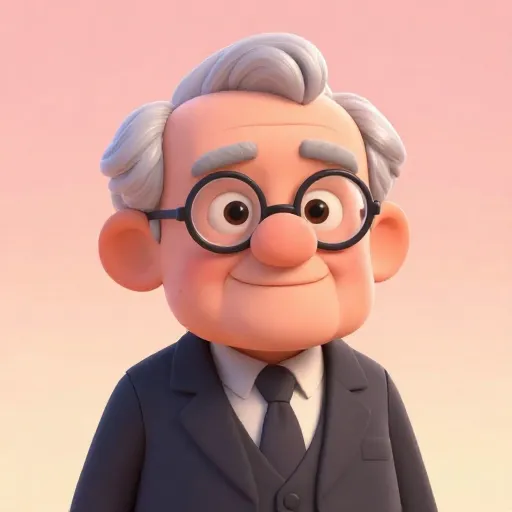
Everything can be taken from a man but one thing: the last of the human freedoms - to choose one’s attitude in any given set of circumstances.
While he was in the camps, Viktor noticed something incredible and strange. Some people who were physically strong gave up hope quickly. But others, who were thin and weak, found the strength to keep going. He realized the difference was often a sense of purpose.

Before he was sent to the camps, Viktor had written a whole book on his new theories. The Nazis took the manuscript and destroyed it. To keep his mind sharp and his hope alive, he spent his nights in the camp mentally rewriting the book, using tiny scraps of paper to jot down shorthand notes.
Viktor spent his time in the camps secretly observing the people around him. He became a sort of detective of the human spirit. He saw that those who had a 'why' - like a child waiting for them, a book they needed to finish, or a dream of helping others - were more likely to survive.

Mira says:
"It’s like your mind is a secret garden that no one else can go into unless you let them. Even in a scary place, you can still imagine beautiful things."
This led Viktor to his most famous discovery, which he called the Last Human Freedom. He realized that even if a person is trapped in a room and has no control over their surroundings, they still own their inner world. They can choose how they think about their situation.

Next time something frustrates you, like a hard math problem or a rained-out soccer game, try to find the 'space.' Take three slow breaths. In those breaths, remind yourself that you get to choose your reaction. Will you be a 'Grumpy Captain' or a 'Brave Explorer'?
Viktor often spoke about the 'space' between what happens to us and how we react. In the world of science, we call what happens a stimulus. How we act is the response. Viktor believed that in that tiny gap between the two, we are completely free.

Between stimulus and response there is a space. In that space is our power to choose our response.
After the war, Viktor returned to Vienna and wrote a book called Man’s Search for Meaning. He wanted to share what he had learned with the world. He developed a way of helping people called Logotherapy, from the Greek word logos, which means 'meaning.'
Through the Ages: The Idea of Meaning
Viktor didn't think meaning was something you just 'found' like a hidden treasure. He believed it was something you could create through your actions. He identified three main ways that people find meaning in their lives.
First, we find meaning by creating something or doing a deed. This could be writing a story, building a Lego tower, or helping a friend with their homework. When we put our energy into making something exist that wasn't there before, we feel a sense of purpose.
Many people believe that meaning is something you find outside yourself, like a job you are meant to do or a specific person you are meant to help.
Viktor Frankl suggested that meaning isn't 'out there' waiting for us. Instead, we create it by how we respond to the world around us every day.
Second, we find meaning by experiencing something or encountering someone. This means really noticing the beauty of a sunset, listening to a beautiful song, or feeling the love of a family member. Viktor believed that just being a witness to something good is a meaningful act.
Mira says:
"I think I get it. Sometimes just being there for a pet or noticing how green the grass looks is enough of a 'why' for a Tuesday morning."
Third, and perhaps most importantly, we find meaning through our attitude toward unavoidable suffering. This is the hardest part of his philosophy. He believed that when we cannot change a situation, we are challenged to change ourselves.
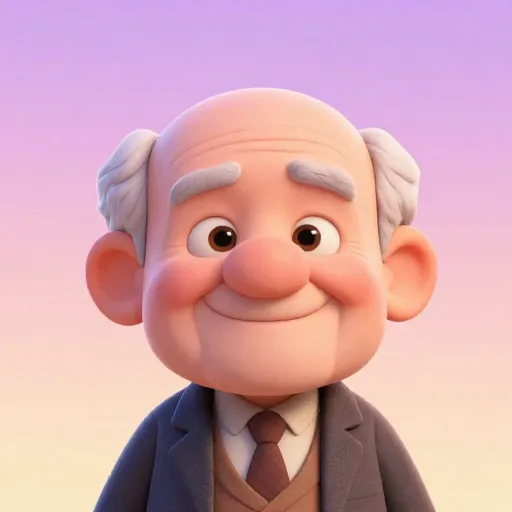
When we are no longer able to change a situation, we are challenged to change ourselves.
Viktor called this tragic optimism. It is the idea that we can remain hopeful even when things are going wrong. It isn't about pretending everything is fine. It is about saying, 'This is really hard, but I am going to find a way to be brave anyway.'

Viktor Frankl wasn't just a thinker; he was also a mountain climber! He loved the physical challenge of climbing the Alps near Vienna. He once said that being on a mountain helped him see the world from a distance, making his problems feel smaller and his purpose feel clearer.
Today, Viktor Frankl's ideas are part of a branch of psychology called existentialism. This sounds like a big word, but it just means the study of how we exist and make choices. He showed us that we aren't just puppets being pulled by the strings of our past or our environment.
We are more like captains of a ship. We might not be able to control the weather or the waves, but we are the ones who decide which way to turn the wheel. Viktor lived to be 92 years old, teaching people that life always has meaning, no matter what.
Something to Think About
If you could pick one 'why' to focus on this week, what would it be?
Viktor believed every person’s meaning is unique. It might be something big, like helping the environment, or something small, like making your sibling laugh. There is no right or wrong answer, only what feels true to you.
Questions About Psychology
Is Logotherapy still used today?
How can an 8-year-old find meaning?
What if I can't find a 'why' right now?
The Captain of Your Soul
Viktor Frankl’s story is a reminder that we are more powerful than we think. Life will always bring us storms and sunny days, but the light we carry inside - our 'why' - is something that can never be taken away. Keep asking your big questions, and remember that you always have the power to choose your own path.