
Have you ever woken up and wondered how your brain managed to build a whole world while you were asleep?
Dreaming is one of the biggest mysteries of the unconscious mind. For centuries, humans have tried to use interpretation to understand why we see strange symbols and stories in our sleep.
Imagine you are tucking yourself into bed. You pull up the covers, the room goes dark, and your eyes close. Within a few hours, you are no longer in your bedroom. You might be flying over a city made of chocolate, or perhaps you are back at school but everyone is wearing a penguin suit.
This is the world of dreaming. It is a place where the rules of the normal world don't apply. Gravity is optional, time moves in strange ways, and people from different parts of your life might meet for the first time. Even though it feels like a private movie, dreaming is something almost every human does every single night.

Did you know that you forget about 95 percent of all your dreams within the first ten minutes of waking up? Unless you write them down immediately, they often vanish like smoke.
For a long time, people thought dreams were messages from the outside world. They believed gods or spirits were trying to tell them something important. Today, we look inside ourselves to find the answer. We use psychology and neuroscience to figure out what happens when our conscious brain takes a break.

Finn says:
"If dreams are just my brain thinking, why do I always feel so surprised by what happens in them? It's like I'm a stranger in my own head!"
The Ancient Dreamers
If you lived in Ancient Egypt four thousand years ago, you wouldn't think a dream was just a dream. You would think it was a visit to another dimension. The Egyptians believed that while the body stayed in bed, the soul could travel to places the living usually couldn't see.
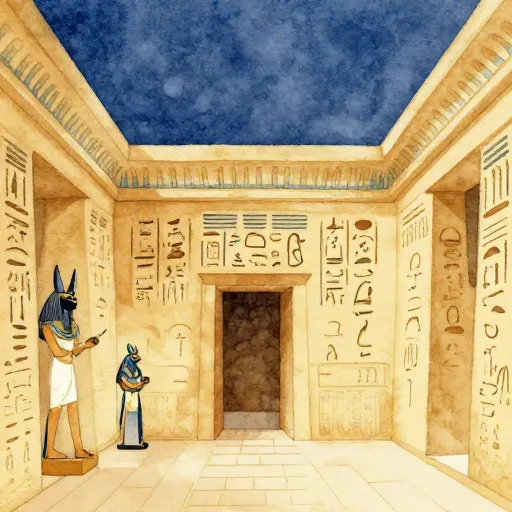
Imagine walking into a cool, dark stone room in a temple by the Nile River. On the walls are carvings of a small, bearded god named Bes. He is the protector of sleep. You lie down on a stone headrest, hoping Bes will send you a vision that helps you solve a problem at home.
They even had special people called dream interpreters. These were like the psychologists of the ancient world. If you had a confusing dream, you would visit a temple and describe it to a priest. They would look through a giant book of meanings to tell you if a dream about a cat meant good luck or a warning.
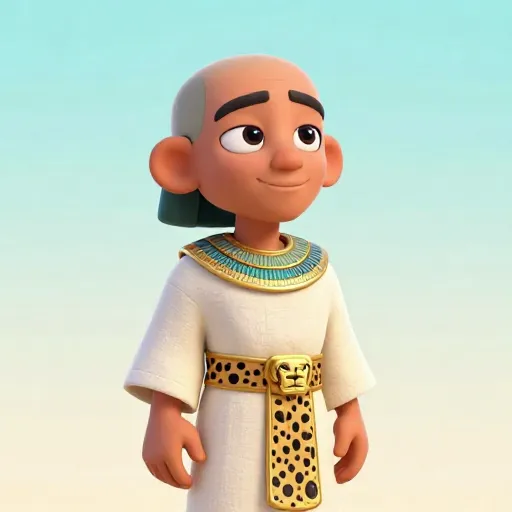
The dream is a message from the Great Beyond, a gift for the soul to see what the eyes cannot.
In Ancient Mesopotamia, which is now part of Iraq, people were just as curious. They wrote their dreams down on clay tablets using a type of writing called cuneiform. They believed dreams were so important that kings would often change their laws or start wars based on a vision they had in the middle of the night.
The Discovery of the Unconscious
For hundreds of years after the ancient times, people mostly forgot about the science of dreams. They thought dreams were just nonsense or perhaps the result of eating a piece of bad cheese before bed. That changed in 1900 when a man named Sigmund Freud published a book that changed everything.
Freud believed that we have two parts to our mind. There is the part we know about, which we call consciousness. This is the part of you that chooses what to eat for lunch or decides to do your homework. But underneath that, like the giant hidden part of an iceberg, is the unconscious mind.
Try keeping a 'Dream Log' next to your bed for one week. The moment you wake up, don't move. Keep your eyes closed and try to remember one image. Then, write it down! You might find that you dream much more than you thought.
Freud argued that our dreams are the way the unconscious talks to us. He believed that when we are awake, we hide our secret wishes and fears because they are too embarrassing or scary. But when we sleep, the "gatekeeper" of our mind relaxes, and these thoughts come out to play.

Mira says:
"Freud's idea of the 'gatekeeper' makes sense to me. Sometimes I dream about things I didn't even know I was worried about until I woke up."
Patterns in the Dark
Freud’s student, Carl Jung, had a slightly different idea. He agreed that dreams were important, but he didn’t think they were only about secret wishes. Jung noticed that people all over the world, even if they had never met, often had the same kinds of dreams.
He called these shared patterns archetypes. For example, many people dream about being chased, or finding a secret room in their house, or losing their teeth. Jung thought these weren't just random. He believed dreams were a way for the mind to find balance by showing us things we were ignoring during the day.
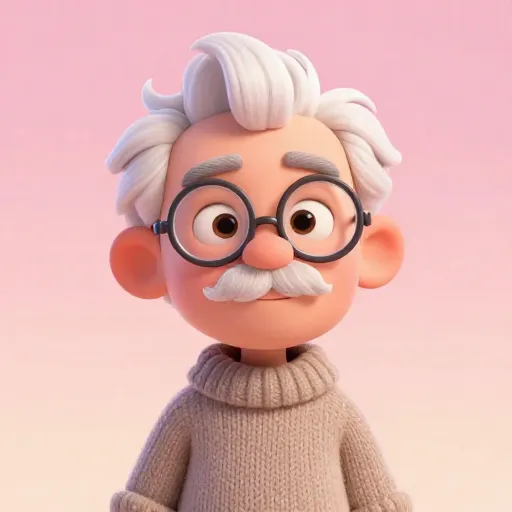
The dream is a little hidden door in the innermost and most secret recesses of the soul.
Jung thought of dreams as a bridge. On one side is your daily life, and on the other side is a deep, ancient well of human experience. When you dream, you are walking across that bridge. It is a way for your brain to remind you that you are part of a much bigger story.
A Brief History of Dreaming
What Science Says Today
In the 1950s, scientists discovered something amazing called REM sleep. REM stands for Rapid Eye Movement. They noticed that every night, our eyes dart back and forth under our eyelids while we are deeply asleep. This is the moment when the most vivid dreaming happens.
Modern scientists believe that dreaming is like a "nightly cleanup" for the brain. During the day, you learn thousands of new things. Your brain meets new people, hears new words, and feels different emotions. While you sleep, your brain has to decide what to keep and what to throw away.
Dreams are just the brain's way of processing information and 'taking out the trash' so we can think better the next day.
Dreams are deep psychological messages from our unconscious that help us understand our hidden feelings and desires.
Think of it like a librarian organizing a messy library. The librarian has to move books around, fix broken pages, and clear out the trash. This process creates neural pathways that help you remember things better the next day. The strange stories we see in dreams might just be our conscious mind trying to make sense of all that filing and sorting.
Finn says:
"So if my brain is just 'cleaning up' at night, does that mean my weird dream about a talking toaster is just a piece of digital trash being thrown away?"
The Magic of Uncertainty
Even with all our modern machines, we still don't have a perfect answer for why we dream. Some people think it is purely biological, like a computer running a scan. Others think it is a creative space where we practice being brave or solve problems that felt too hard during the day.
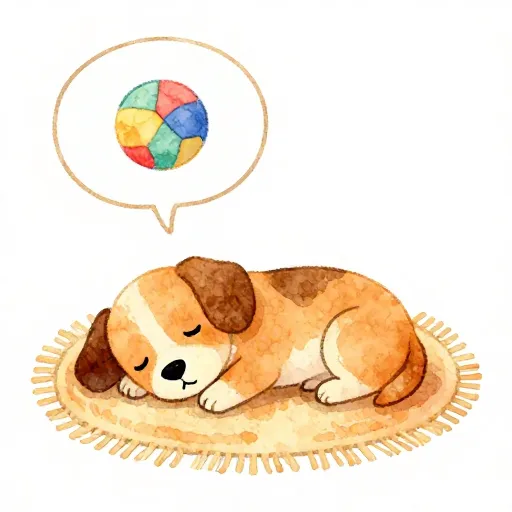
It's not just humans! Scientists have observed dogs, cats, and even octopuses having REM-like sleep. If you see your dog's paws twitching while they sleep, they might be chasing a dream-squirrel.
There is also something called lucid dreaming. This is when you are in a dream and you suddenly realize, "Wait, I'm dreaming!" When this happens, some people can actually take control of the dream. They can choose to fly, change the weather, or talk to characters in their own mind.
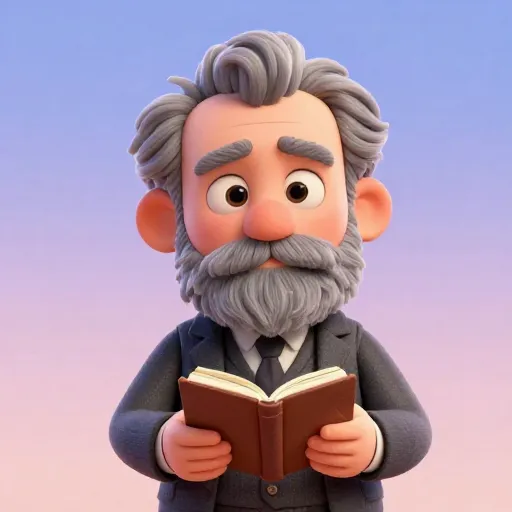
Dreams are the royal road to the unconscious.
Perhaps the most interesting thing about dreams is that they belong only to you. No one else can see your dreams unless you tell them. They are a private playground where you can explore who you are without anyone else watching. It is one of the few places where being confused is actually a good thing.
Something to Think About
If you could design a dream for yourself tonight, what would it look like?
There are no wrong answers here. Would you visit the past, explore a galaxy, or just talk to someone you miss? Your dream world is the only place where anything you imagine can become real.
Questions About Psychology
Why do I have nightmares?
Can dreams predict the future?
Do blind people dream?
Keep Exploring the Night
The next time you drift off to sleep, remember that you are embarking on an adventure that humans have been trying to map for thousands of years. Whether your dreams are a brain-cleanup or a secret message, they are a sign of how wonderfully complex your mind is. Don't be afraid of the strange things you see: they are just your imagination playing in the dark.
