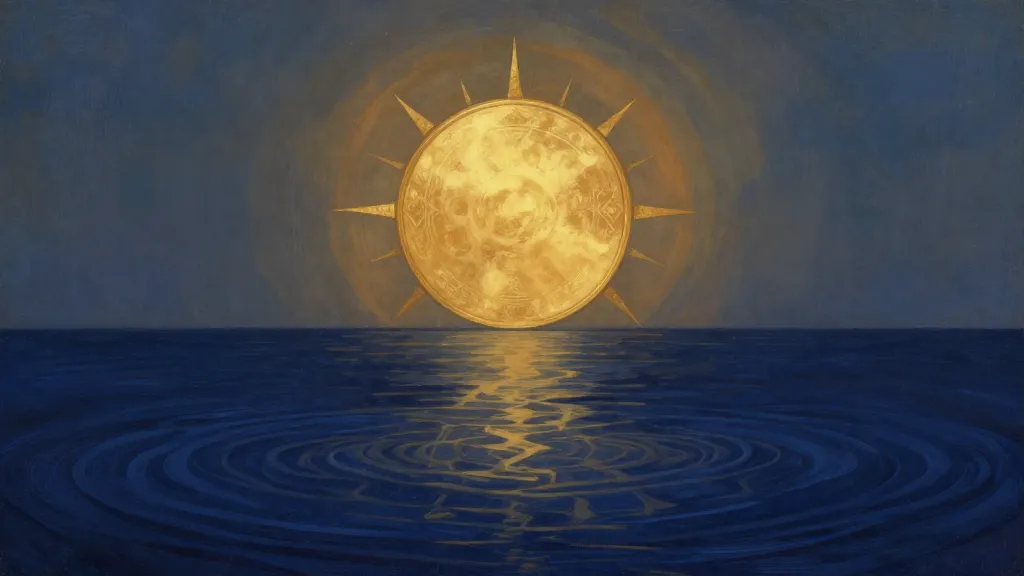
Imagine living in a world where the sun isn't just a star, but a king on a golden boat fighting a giant shadow snake every single night.
For thousands of years, the people of Ancient Egypt lived by a unique form of polytheism, where every part of nature was a god. They didn't just tell stories: they used myths to understand why the river flooded and what happens when we die.
To understand the Egyptians, you have to look at the ground beneath your feet. For them, the world was divided into two distinct places: the 'Black Land' and the 'Red Land.' The Black Land was the rich, silty soil near the Nile River where things grew, while the Red Land was the vast, scorching desert.
Everything in their lives was about this balance between life and death. They believed that the universe was governed by a powerful force called Ma'at. This wasn't a person, exactly, but a concept of truth, balance, and order that kept the stars moving and the seasons changing.
The First Mound of Earth
How does a world begin? Many Egyptian stories start with a vast, dark, swirling ocean called Nun. It wasn't like our oceans today: it was a watery chaos that held the potential for everything but didn't have a shape yet.
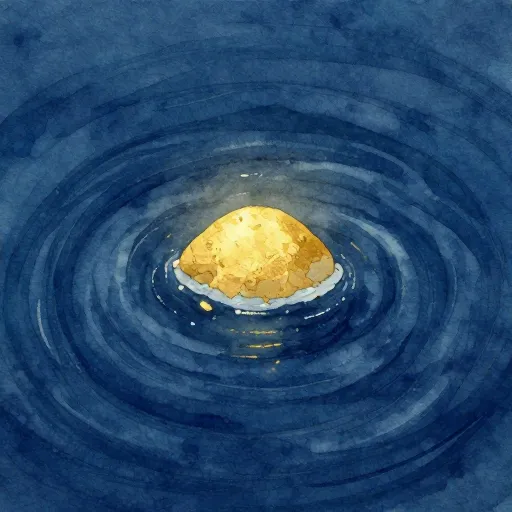
Imagine a world with no ground, no sky, and no sound. There is only a deep, endless indigo water that stretches in every direction. Suddenly, you hear a whisper, and a single golden point of light appears in the distance. This is how the Egyptians felt the universe began: with a single moment of quiet light.
Out of this dark water, a single mound of earth rose up, called the Benben. On this mound, the first god, Atum (who later became Ra, the sun god), created himself. He stood on the dry land and began the work of organizing the universe.
Atum didn't use tools to build the world. He used his thoughts and his voice. By naming things, he brought them into existence, which is why the Egyptians believed that names held a terrifying and beautiful power.
Finn says:
"What if the first mound of earth was still out there somewhere? Imagine being the very first person to stand on dry land and having to name the wind!"
The Family of the Gods
Egyptian mythology is famous for its vast family tree of gods with the heads of hawks, jackals, and lions. These weren't just costumes. The animal heads were symbols of the god’s 'personality' or their specific job in the universe.
For example, Anubis has the head of a jackal because jackals were often seen in cemeteries. The Egyptians didn't see this as scary: they saw the jackal as a guardian who knew the way through the desert of the dead. By giving him a jackal head, they were saying: 'This god has the instincts of a desert navigator.'
A myth is a public dream, a dream is a private myth.
One of the most important stories is the cycle of Osiris and Isis. Osiris was a wise king who was murdered by his jealous brother, Seth, the god of storms and chaos. This story wasn't just about a family fight: it was a way to explain why things die and how they can be reborn.
Isis, the goddess of magic, used her power to bring her husband back to life just long enough to ensure their son, Horus, could be born. This myth gave people hope that death was not the end, but a transition to a new kind of existence.
Living with Ma'at
For an Egyptian child, mythology wasn't just a book of stories read at bedtime. It was the law. Because Ma'at represented order, being a 'good' person meant living in harmony with the rhythm of the world.
If you were greedy or cruel, you weren't just being mean: you were actually damaging the fabric of the universe. You were inviting 'Isfet,' or chaos, back into the world. This made every action feel incredibly important.
The Egyptians had a list called the 'Negative Confessions.' Instead of saying what they did right, they listed things they didn't do wrong. Try making your own list of 5 things you didn't do today to maintain 'Ma'at' (balance). For example: 'I did not waste food' or 'I did not ignore a friend who was sad.'
Maintaining Ma'at was the primary job of the Pharaoh. As the living link between the gods and the people, the king or queen had to perform rituals to ensure the Nile flooded every year. This flooding, known as the Inundation, was the only reason Egypt could exist in the middle of a desert.
When the river rose, it wasn't just water: it was the gods providing for their children. When it failed to rise, it was a sign that the balance had been lost and the people needed to work harder to restore Ma'at.

Mira says:
"I like the idea that we are responsible for the balance of the whole world. It's like how everyone has to do their part in a group project or the whole thing fails."
The Mystery of the Soul
Ancient Egyptians had a very complex idea of what a 'person' actually is. They didn't think you just had one soul: they thought you were made of several different parts that had to work together even after you died.
- The Ka: Your 'double' or life force that stayed in the tomb and needed food offerings.
- The Ba: Your personality, often pictured as a bird with a human head, which could fly out of the tomb to visit the living world.
- The Ren: Your secret name, which had to be spoken aloud for you to keep existing in the afterlife.
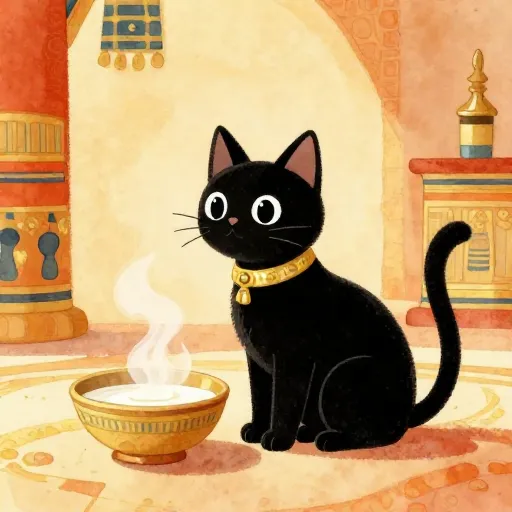
The Egyptians loved cats so much that they were considered sacred! If a house cat died, the whole family would shave their eyebrows as a sign of mourning. They believed cats could see into the spirit world and keep away evil snakes.
To keep these parts of the soul alive, the Egyptians developed the art of mummification. They believed the physical body was a 'home' for the soul. If the home disappeared, the soul would have nowhere to stay and would eventually fade away into the darkness.
This is why they built the pyramids and hidden tombs in the Valley of the Kings. These weren't just fancy graves: they were 'houses of eternity' designed to protect the body and the soul's equipment for thousands of years.
The Journey Through the Duat
When an Egyptian died, their journey was just beginning. They had to travel through the Duat, a mysterious underworld filled with monsters, lakes of fire, and magical gates. To get through, they needed a guidebook.
This guidebook is what we now call the Book of the Dead. It was a collection of spells and directions written on Papyrus scrolls and placed in the coffin. It helped the traveler know which gods to trust and which monsters to avoid.
The Egyptians were not a gloomy people. They loved life and expected to continue it in a much better world.
The final test was the 'Weighing of the Heart.' In a Great Hall, the god Anubis would place the person's heart on a scale. On the other side of the scale was the feather of Ma'at. If the heart was heavy with bad deeds, it would tip the scale.
If the heart was as light as the feather, it meant the person had lived a balanced life. They were allowed to enter the 'Field of Reeds,' a perfect version of Egypt where the crops grew tall, the water was cool, and they would live with the gods forever.
Seth is the villain of the story. He is the god of storms and chaos who killed his brother. Without him, the world would be peaceful and safe.
Seth is necessary for the world. Chaos and storms are what make us grow and change. Even Ra needs Seth on his boat every night to fight the giant snake of darkness.
The Power of the Image
Ancient Egyptians believed that art was magic. If a Scribe carved a picture of a loaf of bread on a tomb wall, that bread could become real food for the soul. This is why their art looks so specific: it wasn't meant to be pretty, it was meant to be functional.
They used Hieroglyphs, a writing system where pictures represented sounds and ideas. Writing a person's name in hieroglyphs was a way of making them immortal. As long as their name was written or spoken, they could never truly die.
Through the Ages
This belief in the power of symbols is why we find so many Amulets in Egyptian ruins. People wore small charms shaped like the 'Eye of Horus' for protection or the 'Scarab Beetle' for rebirth. These weren't just jewelry: they were tiny pieces of mythology you could carry in your pocket.
Mira says:
"It's funny how we still use symbols today, like emojis. Maybe a thousand years from now, people will think our 'heart' emoji was a magical spell for love!"
Why the Myths Still Speak
Today, we look at the ruins of the Great Pyramids or the colorful paintings in a Necropolis (a city of the dead) and wonder what those people were thinking. Their world seems so different from ours, yet their questions were exactly the same.
They wondered why the sun rises, how to be a good person, and what happens when the people we love go away. They didn't have microscopes or telescopes, but they had stories that were so powerful they lasted for thirty centuries.
The gods are many, but they are also one.
Egyptian mythology reminds us that the world is more than just rocks and water. It is a place of patterns and echoes. Even if we don't believe in jackal-headed gods today, we still value the idea of a 'light heart' and a life lived in balance with the world around us.
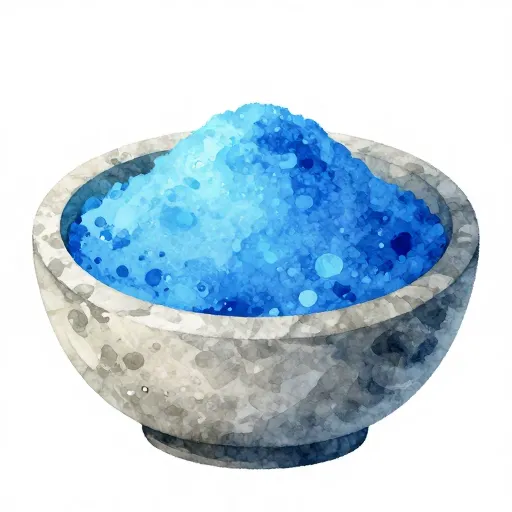
The color blue was incredibly hard to make in the ancient world. Egyptians invented the first synthetic pigment, called 'Egyptian Blue,' because they wanted to paint the gods in the color of the heavens and the Nile.
Something to Think About
If your life were a story, what animal head would your god-form have to represent your personality?
There are no right or wrong answers. Think about the traits you value most: are you patient like a heron, protective like a lioness, or curious like a cat?
Questions About Religion
Did the Egyptians really think their gods had animal heads?
Why did they have so many different gods?
Was the Book of the Dead a scary book?
The River Never Stops
The myths of Egypt are like the Nile itself: they flow through time, changing their shape but always carrying the same essential truths. Whether we are looking at a 4,000-year-old painting or a modern-day superhero, we are still looking for the same thing the Egyptians were: a way to feel at home in a vast and mysterious universe.