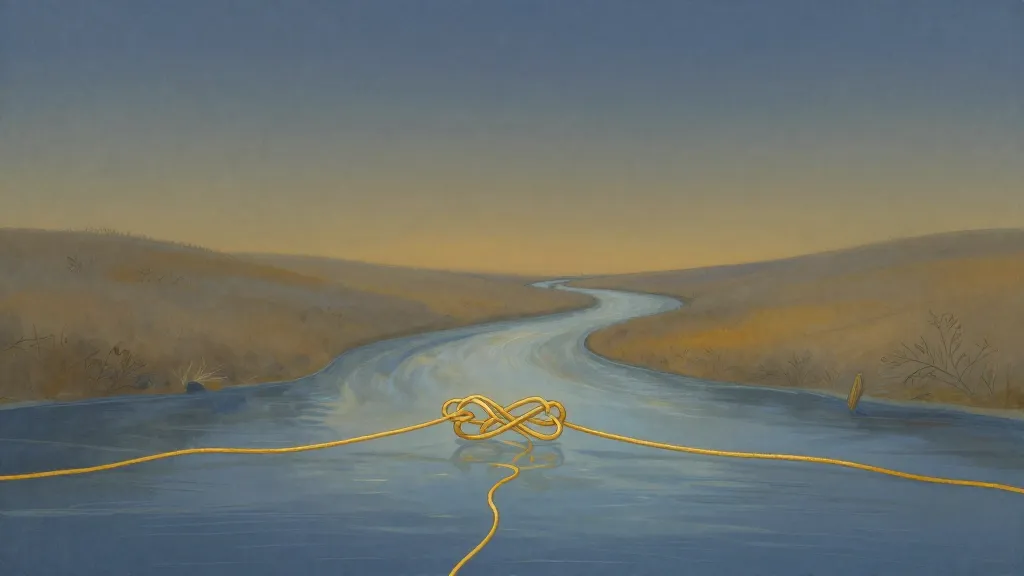
Have you ever carried a heavy secret, or a hot, prickly feeling in your chest because someone was mean to you?
That feeling is called resentment, and it can feel like a heavy stone in your pocket. Throughout history, people have looked for a way to put that stone down through a big idea called forgiveness.
Imagine you are walking down a dusty road in Ancient Rome. If someone tripped you on purpose, the rules of the time were very simple: you had the right to trip them back.
This was called justice, and for thousands of years, most people believed it was the only way to keep things fair. It was often described as "an eye for an eye," meaning the punishment should match the crime exactly.
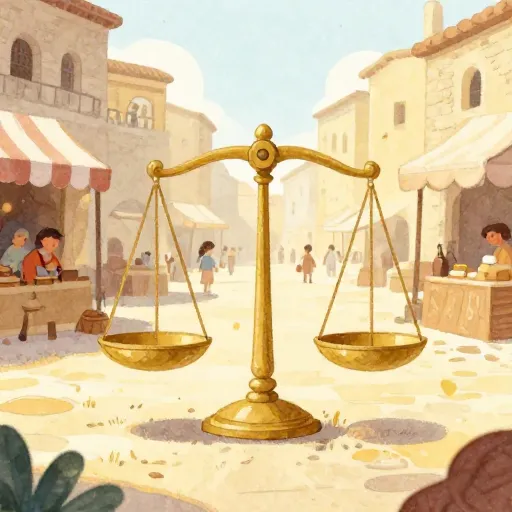
Imagine a giant set of golden scales in the middle of a city square. Every time someone does something wrong, a heavy lead weight is placed on one side. The only way people knew how to fix it was to put an equal weight on the other side. This kept the scales balanced, but the whole machine grew heavier and heavier until it was ready to break.
But there was a problem with this way of thinking. If everyone kept tripping each other back, eventually everyone would have scraped knees, and no one would ever stop being angry.
It was a never ending cycle of getting even. Around 2,000 years ago, a teacher named Jesus of Nazareth started telling stories that flipped this idea upside down.
The Great Flip: From Getting Even to Letting Go
In the Roman Empire, power was everything. If you were hurt, you were expected to show your strength by getting revenge.
Jesus taught a radical new idea called mercy. He suggested that the strongest thing you could do wasn't to hit back, but to choose not to.
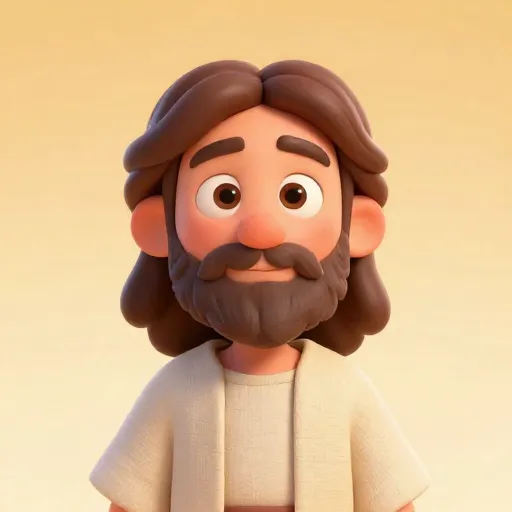
For if you forgive others their trespasses, your heavenly Father will also forgive you.
He told a famous story called the Parable of the Prodigal Son. In the story, a son takes his father's money, runs away, and wastes it all on silly things.
When he finally comes home, cold and hungry, he expects his father to be furious. Instead, the father runs to meet him with a hug.

Finn says:
"Wait, so the dad in the story didn't even make the son pay him back? That feels... unfair. I think I'd still be pretty mad if my brother lost all my LEGOs."
This was a shocking story for people at the time. It suggested that reconciliation - the act of making a relationship good again - was more important than being right or getting your money back.
Why Our Hearts Need Forgiveness
Sometimes we think forgiveness is a gift we give to the person who hurt us. But philosophers like Hannah Arendt believed it is actually a gift we give to ourselves.
She lived through a very difficult time in history called World War II, where she saw people do terrible things to one another.
Find a small stone and carry it in your pocket for a whole day. Every time you move, feel it bumping against your leg. Think of this stone as a 'grudge' - a piece of anger you are holding onto. At the end of the day, take the stone out and place it on the ground. Notice how much lighter your pocket feels. That feeling of lightness is what forgiveness feels like in your heart.
Arendt noticed that without forgiveness, we are stuck in the past. If someone was mean to you yesterday, and you stay angry today, that person is still hurting you right now.
You are tied to that moment like a dog on a short leash. Forgiveness is the pair of scissors that cuts the leash so you can walk away into the future.

Forgiveness is the key to action and freedom.
By forgiving, you aren't saying that what the other person did was "okay." You are simply saying, "I refuse to let what you did define my day today."
The Web of Humanity
In Southern Africa, there is a beautiful concept called Ubuntu. It is often translated as "I am because we are."

Mira says:
"I think Ubuntu is like realizing that if I stay mad at you, I'm actually staying mad at myself, too. Because we're both part of the same human family."
Desmond Tutu, a famous leader and priest, explained that we are all connected by an invisible web. When you hurt someone else, you actually rip a hole in that web, which makes the whole world a little bit weaker.

The word 'forgive' comes from two old words: 'for' (meaning completely) and 'giefan' (meaning to give). So, to forgive literally means to 'give something away completely.' You are giving away your right to be angry.
If you seek revenge, you just rip the hole bigger. But if you forgive, you start to stitch the web back together.
This isn't just a nice thought: it's a way of surviving. In South Africa, they used this idea to help an entire country heal after years of unfairness and fighting.
Through the Ages
Making Things Right: The Art of Teshuvah
In the Jewish tradition, there is a very practical way to think about forgiveness called Teshuvah. This word actually means "returning."
It suggests that when we do something wrong, we have wandered off the path of being a good person. To get back on the path, we can't just say a magic word and be forgiven.
Forgiveness means the bad thing that happened is now okay and forgotten.
Forgiveness means the bad thing was wrong, but you are choosing to let go of the anger so you can move forward.
According to Teshuvah, there are steps to take:
- Admit exactly what you did wrong (no excuses!)
- Feel real regret for hurting the other person
- Do your best to fix the damage (like fixing the toy you broke)
- Promise to try your hardest never to do it again
Only after you have tried to make things right can you ask for an apology. This shows that forgiveness is a two-way street that requires work from both sides.
Finn says:
"I like the Teshuvah steps. It's not just saying 'sorry' to get out of trouble. It's actually trying to fix the mess you made. That feels more real."
The Weight of the Wait
What happens if you aren't ready to forgive? Or what if the person who hurt you isn't sorry at all?
This is the hardest part of the big idea. Sometimes, the hurt is so deep that your heart needs time to heal before it can even think about letting go.
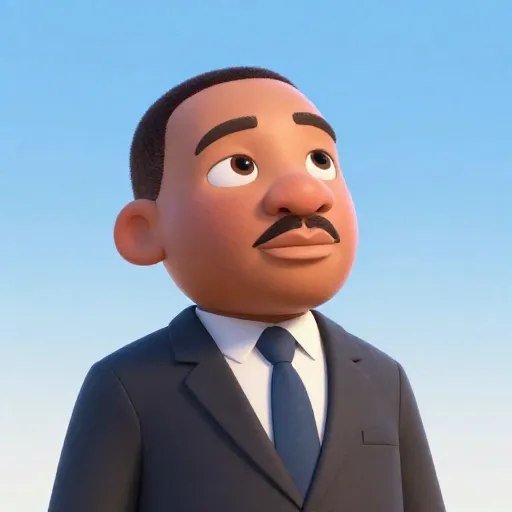
Forgiveness is not an occasional act: it is a constant attitude.
Forgiveness is not a race. It is more like a garden: you can't force a flower to bloom before it's ready, and you can't force your heart to feel peaceful before it's had time to be angry.
It is okay to sit with your feelings. You can be angry and still know that, one day, you might want to put the heavy stone down.
In South Africa, the 'Truth and Reconciliation Commission' was a special court where people told the truth about the bad things they did. Instead of just sending everyone to jail, they focused on healing the community through honesty and forgiveness.
Ultimately, forgiveness is about freedom. It is the realization that while we cannot change the past, we are the masters of our own future.
By choosing to forgive, we stop being victims of what happened and start being authors of what happens next.
Something to Think About
If you could design a 'forgiveness machine,' how would it work?
There are no right or wrong answers. Some people imagine a machine that washes away stains, while others imagine one that unties difficult knots. How do you see it?
Questions About Religion
Is forgiving the same as forgetting?
What if the person isn't sorry?
Do I have to be friends with them again?
A Choice for Tomorrow
Forgiveness is one of the biggest 'Big Ideas' because it is so difficult to do. It asks us to be braver than our anger. Whether you choose to forgive today, or wait until you are ready, remember that your heart belongs to you, and you are the one who decides when to put the stone down.
