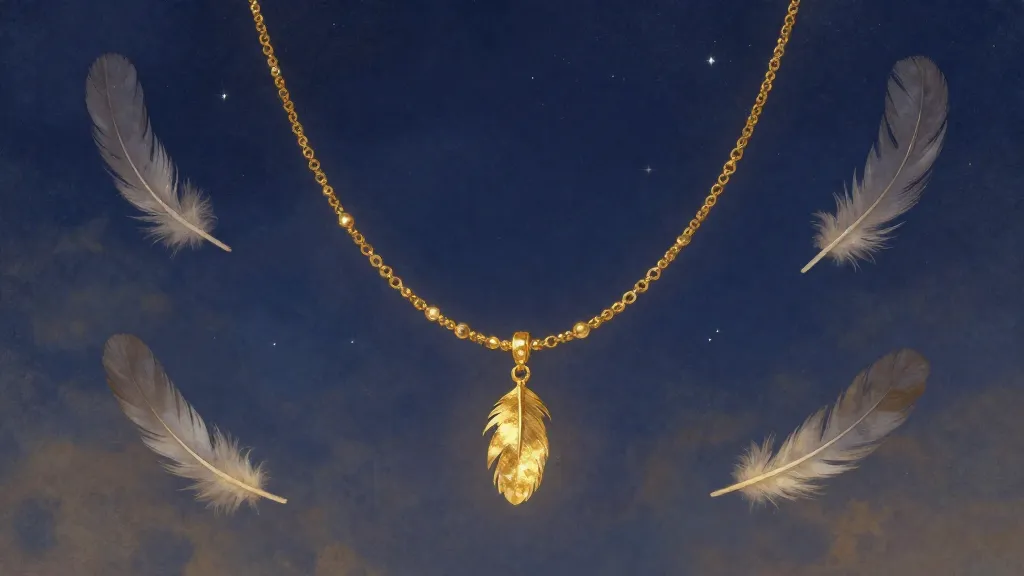
What would you do if you were a goddess who could choose her own fate, fly across the sky in a feathered cloak, and lead an army of the brave?
For the Vikings who lived a thousand years ago, this was the reality of Freya, one of the most complex and beloved figures in Norse Mythology.
Imagine a world where the winter is so long that the sun barely rises, and the mountains are made of dark, jagged stone. This was the home of the Norse people, the ancestors of modern Scandinavians.
In their longhouses, huddled around a crackling fire, they told stories of a goddess who was as bright as the morning sun. Her name was Freya, and she was not a simple figure from a storybook.
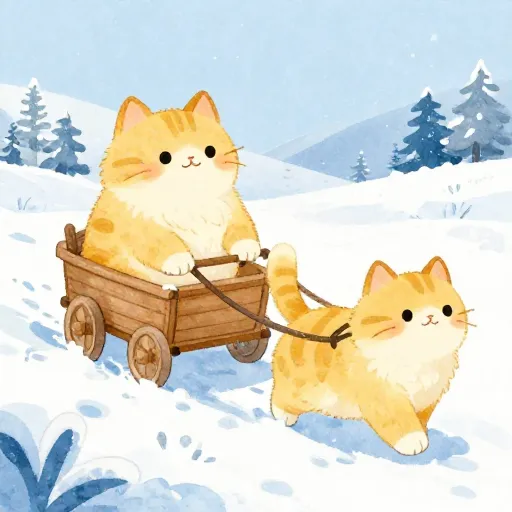
Imagine the air turning cold as a chariot glides silently over the snow. Instead of horses, two enormous, blue-grey forest cats with thick fur and tufted ears are pulling the reins. Standing tall is a woman wearing a necklace that glows like a sunset. She isn't afraid of the winter: she is the one who brings the light into it.
Freya belonged to a group of gods known as the Vanir, who were famous for their connection to nature, magic, and the ability to see what might happen in the future. They were different from the Aesir, the group that included famous gods like Odin and Thor.
While the Aesir were often focused on strength and building things, the Vanir were focused on the wilder parts of life. They understood the wind, the sea, and the secrets hidden in the earth.

Finn says:
"If I had a chariot pulled by cats, would they ever actually go where I wanted? Or would they just stop for a nap in the middle of the sky?"
One of the most famous things about Freya was her chariot, which was pulled by two massive, fluffy cats. These weren't your average house cats: they were powerful enough to pull a goddess through the sky.
She also possessed a magical falcon cloak. When she put it on, she didn't just look like a bird: she actually became one, soaring over the Nine Worlds of the Norse universe.
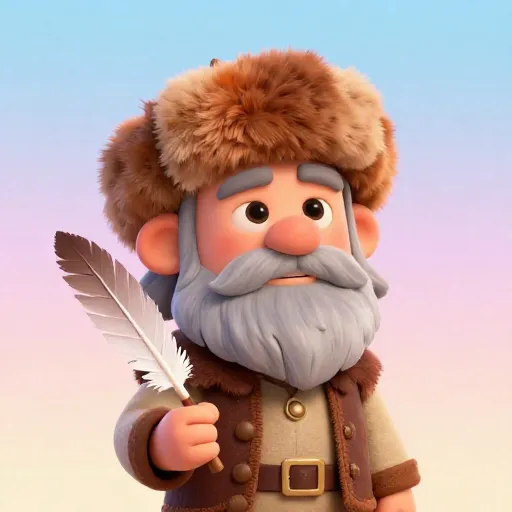
Freya is the most noble of the goddesses. She rides in a chariot drawn by two cats.
This quote from Snorri Sturluson reminds us that Freya wasn't just a background character in these myths. She was the one others looked to for help, whether they were looking for love or looking for victory in a difficult challenge.
Unlike many other goddesses in ancient stories, Freya was famously independent. She didn't wait for others to tell her what to do: she made her own choices and lived in her own palace, called Sessrumnir.
Some say Freya is the goddess of peace and love, helping flowers grow and people find happiness together.
Others point out that she is a warrior who leads the Valkyries and decides who lives and dies on the battlefield.
The Magic of the Mind
Freya was the teacher of a very special and mysterious kind of magic called Seidr. This wasn't the kind of magic where you pull a rabbit out of a hat: it was a way of changing how the world worked by using the power of the mind and the voice.
Seidr involved chanting songs and entering a dream-like state to see the threads of fate. It was a powerful tool, and Freya was the one who eventually taught it to the king of the gods, Odin.

Mira says:
"Freya teaching Odin magic is like a student becoming the teacher. It shows that even the most powerful person doesn't know everything."
Because she could see the future, Freya understood that things aren't always what they seem. She knew that even the most difficult times could lead to something new and beautiful.
This connection to magic made her a figure of great respect and a little bit of fear. The Vikings knew that someone who could see the future was someone you wanted on your side.
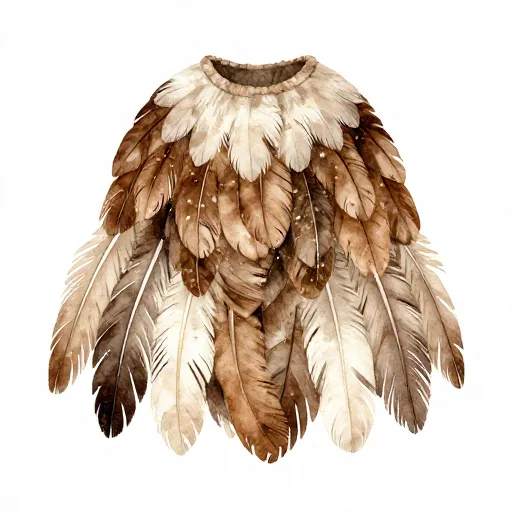
Freya’s falcon cloak allowed her to travel between any of the Nine Worlds in an instant. In one famous story, the trickster god Loki had to borrow it just to keep up with her! It wasn't just a costume: it was a piece of her soul that she could share with others.
Love, War, and the Halfway House
Many people think of Freya only as a goddess of love, but the Vikings saw her as much more than that. She was also a goddess of war and death, which might seem like a strange combination today.
When a battle ended, it was said that the Valkyries - shield-maidens who served the gods - would choose the bravest warriors to go to the afterlife. But many people don't know that Freya got the first pick.
- She chose half of the fallen warriors for her own field, Folkvangr.
- The other half went to Odin’s famous hall, Valhalla.
- This means Freya was seen as just as important, and perhaps even more selective, than the King of the Gods.

Freya is a goddess of many parts: she is the bride, the mother, the queen, and the leader of the dead.
Dr. Davidson spent her life studying the objects and stories the Vikings left behind. She realized that Freya represented the balance of life: the sweetness of love and the harsh reality of struggle.
To the Vikings, war wasn't just about fighting: it was about defending the people you loved. By being a goddess of both, Freya showed that you cannot have one without the other.
The Vikings looked for Freya in the world around them. When they found a ladybug, they called it 'Freya's Hen.' Next time you are outside, try to find something small and beautiful in nature. Does it feel like it belongs to a story? If you were a goddess, what animal would you choose to represent you?
The Shimmering Necklace
One of the most famous stories about Freya involves her most prized possession: a necklace called Brisingamen. It was made of pure gold and glowed with a light so bright it could illuminate the dark corners of the world.
Legend says that when Freya was sad, she cried tears that turned into red gold when they hit the earth. This is a beautiful but heavy idea: that even the sadness of a goddess could create something valuable.
Mira says:
"Tears turning into gold is such a strange thought. It makes me wonder if our own difficult feelings can turn into something useful later on."
Brisingamen was more than just jewelry: it was a symbol of her power and her connection to the earth's riches. The story of how she got the necklace is complicated and involves many different journeys.
It reminds us that even for a goddess, the things we value most often come with a story of effort and determination. You can't just find a treasure: you have to earn it through your experiences.
Freya Through the Ages
Why Freya Still Matters
You might be surprised to learn that you probably say Freya’s name almost every week. The word "Friday" is named after either Freya or her contemporary, Frigg.
Today, we see her influence in movies, books, and video games. She often appears as a strong, wise leader who isn't afraid to stand up for herself or those she protects.

Freya is her own person. She belongs to no one but herself.
Neil Gaiman’s modern retelling of these myths helps us see Freya as a person with feelings and goals, not just a statue in a museum. She remains a symbol of someone who owns her own power and doesn't apologize for it.
Whether she is soaring in her falcon cloak or deciding the fate of warriors, Freya reminds us that being kind and being strong are not two different things. They are two parts of the same person.
Freya had a twin brother named Freyr. While she ruled over magic and the dead, he ruled over the sunshine and the rain. Together, they made sure the earth stayed balanced, proving that power is often a family business.
Something to Think About
If you could wear a cloak that turned you into any animal, which one would you choose, and where would you fly first?
There is no right or wrong animal to pick. Think about what that animal's life is like and why you feel drawn to it. Just like Freya, your choice says something about who you are inside.
Questions About Religion
Is Freya the same as Frigg?
What happened to Freya's cats?
Why did Freya cry gold?
The Falcon in the Sky
Freya is a reminder that we don't have to be just one thing. We can be brave and gentle, magical and practical, a leader and a friend. As you go through your day, remember the goddess in the cat-chariot: stay curious, make your own choices, and don't be afraid to soar.
