Imagine standing in a place so crowded that you can't see the ground, yet so quiet that you can hear your own heart beating.
This is the Hajj, an ancient pilgrimage to the city of Mecca that brings millions of people together from every corner of the Earth. It is a journey of faith, history, and incredible human connection.
The story of the Hajj begins in a landscape of shifting sand and endless sky. Thousands of years ago, long before airplanes or highways, a man named Abraham (known as Ibrahim in Islam) traveled to a dry valley in Arabia. He wasn't looking for gold or conquest, but for a place to build a house dedicated to one God.
This house is the Kaaba, a simple cube-shaped building that stands at the center of the world for Muslims. Today, that same valley is the bustling city of Mecca. Every year, millions of people answer a call that has been echoing through time for over fourteen centuries.

Finn says:
"If everyone is going to the same place at the same time, doesn't it get really noisy? I wonder if you can still hear your own thoughts in a crowd that big."
For a Muslim, the Hajj is not just a vacation or a sightseeing trip. It is one of the Five Pillars of Islam, the foundational acts that shape a person's life. It is a journey that every adult Muslim hopes to take at least once, if they are healthy and can afford it.
The Story in the Sand
The rituals of the Hajj are like a living play, where every pilgrim acts out stories from the past. One of the most moving parts of the journey belongs to a woman named Hagar (Hajar). She was the wife of Abraham, left in the desert with her baby son, Ishmael (Ismail).
When their water ran out, Hagar did not give up. She ran back and forth between two hills called Safa and Marwa, searching for help. She ran seven times, her heart racing, looking at the horizon for any sign of a caravan or a well.
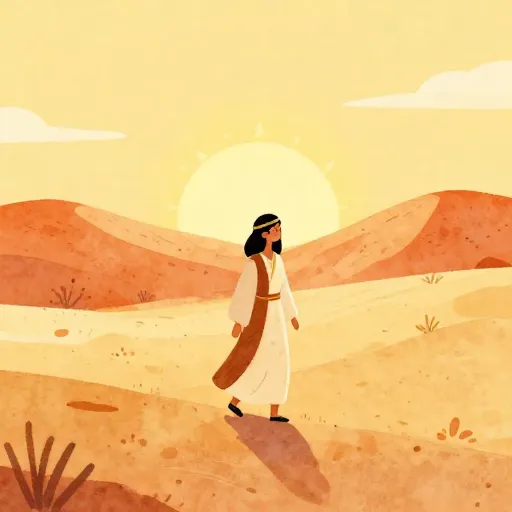
Imagine the heat of the sun on your neck and the sound of your own breathing. You are running between two rocky hills, just like Hagar did. Your feet are dusty, but you keep going because you believe that something wonderful is just around the corner.
Just as things seemed most difficult, a miracle happened. A spring of water bubbled up from the dry ground at the baby's feet. This spring is called the Zamzam well, and it still flows today, thousands of years later. Pilgrims drink this water and run between the same two hills to remember Hagar’s courage and her hope.
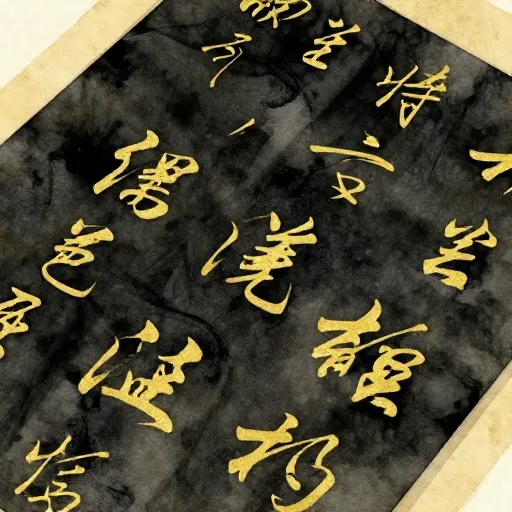
Why should I seek the pilgrimage to a stone house when my heart is the true house of God?
This story reminds children and adults alike that even in the toughest moments, there is often a hidden source of strength. It connects the modern pilgrim to a mother from the ancient past. It turns a dry desert into a place of life.
The Great Leveler
Before a pilgrim even enters the city of Mecca, they must change their clothes. This is more than just getting dressed: it is a state of being called Ihram. Men wear two simple pieces of white, unstitched cloth, while women wear modest clothing of any color, often white.
The desert heat can be over 110 degrees, and you might have to walk 15 miles a day through massive crowds of people.
Many pilgrims say they have never felt more peaceful or closer to other people in their entire lives.
In these clothes, everyone looks exactly the same. You cannot tell who is a billionaire and who is a bus driver. You cannot tell who comes from a palace and who comes from a village. This is intentional, as it shows that in the eyes of God, all humans are equal.
It is a strange and beautiful feeling to be stripped of your usual identity. Without your favorite sneakers or your fancy watch, you are forced to think about who you are on the inside. You aren't a student, a teacher, or a doctor: you are simply a human being among millions of other human beings.

Mira says:
"The white clothes remind me of a blank sheet of paper. It’s like everyone is getting a chance to start their story over from the very first page."
The Motion of the Universe
When pilgrims arrive at the Kaaba, they perform a ritual called Tawaf. They walk around the building seven times in a counter-clockwise direction. From high above, this looks like a giant, shimmering whirlpool of white.
The Kaaba is about 43 feet tall. It is covered in a heavy black silk cloth called the Kiswa, which is embroidered with real gold and silver thread. Every year, a new cloth is made and draped over the building.
Why walk in circles? Think about the way the moon orbits the Earth, or the way planets orbit the sun. Even the tiny atoms that make up your body have parts that spin in circles. By walking around the Kaaba, pilgrims feel like they are joining the natural rhythm of the entire universe.
There is no leader at the front of the line and no one at the back. Everyone moves together, like a single body. If you trip, someone catches you. If you are thirsty, someone shares their water. It is a massive lesson in how to live together in peace.
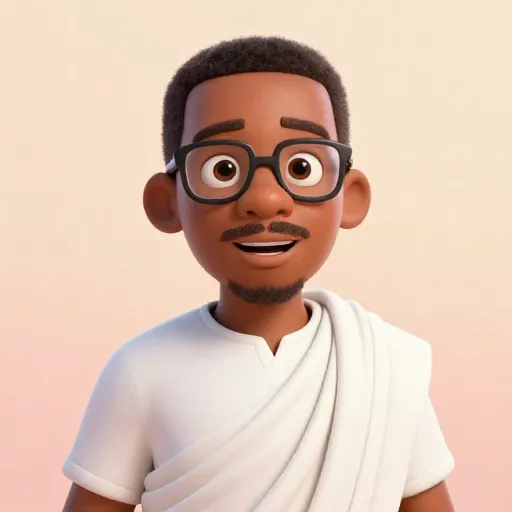
I have never before seen sincere and true brotherhood practiced by all colors together, irrespective of their color.
The Day of Standing
The most important part of the Hajj doesn't actually happen in a building. It happens in a vast, open plain called Arafat. On this day, pilgrims stand from noon until sunset. They don't do much: they pray, they think, and they ask for forgiveness for their mistakes.
This is a quiet, heavy day. It is a time to be honest with yourself about the things you’ve done wrong and the person you want to become. Some people cry, some sit in silence, and others talk quietly to God. It is often described as a rehearsal for the end of time, when everyone will stand together.
Try an 'Arafat Minute.' Find a quiet place to sit for sixty seconds. Don't look at a screen or talk to anyone. Just think: What is one thing you are proud of from this year, and what is one thing you want to do better tomorrow?
After sunset, the crowd moves to a place called Muzdalifah to sleep under the stars. There are no hotels here, just the open sky. Pilgrims collect small pebbles from the ground. These stones are used the next day in a ritual that represents throwing away bad habits and resisting the urge to be selfish.
The Festival of Sacrifice
The Hajj ends with a huge celebration called Eid al-Adha. This is the "Festival of Sacrifice," celebrated by Muslims all over the world, not just those on pilgrimage. It involves sharing food with family, friends, and especially those who are hungry or poor.
Through the Ages
Through these days of walking, praying, and sleeping on the ground, the pilgrims are changed. They often cut or shave their hair as a sign of a new beginning. It is like hitting a "reset" button on their lives. They go home with a new title: Hajji (for men) or Hajjah (for women).
The Long Way Home
Traveling for the Hajj used to take months or even years. People would cross deserts on camels or sail across stormy seas. Today, people arrive on giant airplanes and stay in tall hotels, but the physical difficulty of the journey remains.
Finn says:
"I bet when you get home, your own bed feels totally different after sleeping on the ground under the stars. You'd probably never take a pillow for granted again!"
Even with modern technology, moving three million people through a desert is a challenge. It requires millions of gallons of water, thousands of tents, and incredible patience. The Hajj teaches that anything worth doing usually requires some effort and a little bit of discomfort.
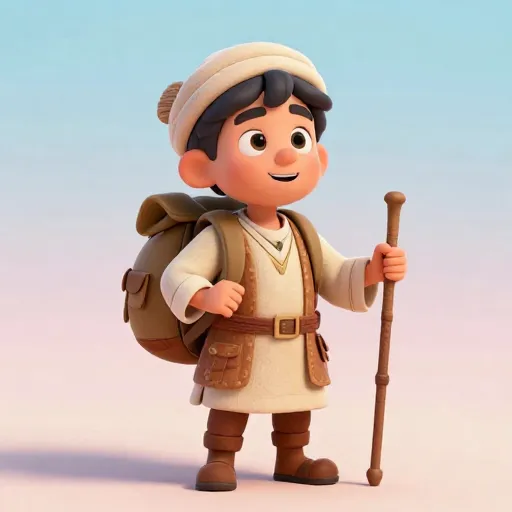
I set out alone, having neither fellow-traveler in whose companionship I might find cheer, nor caravan whose party I might join.
When a pilgrim returns home, they bring back more than just souvenirs or water from the Zamzam well. they bring back a feeling of belonging. They have seen that people from every race and language can stand side by side in peace. They have seen that the world is much bigger than their own neighborhood.
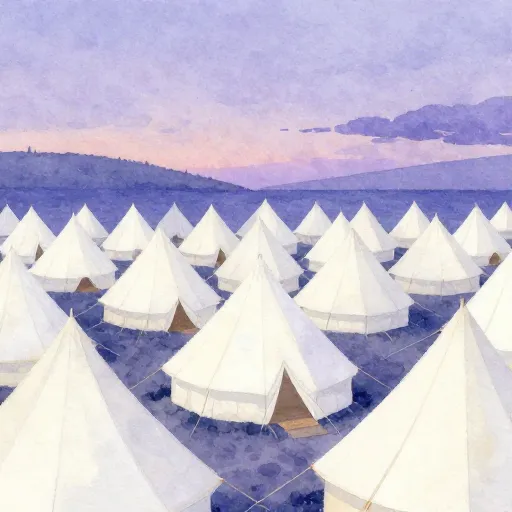
During the Hajj, the Saudi Arabian government sets up over 100,000 air-conditioned tents in a place called Mina. It becomes the largest temporary city in the world, with its own hospitals, fire stations, and kitchens!
How do you keep that feeling of unity alive when you go back to your normal life? That is the real challenge of the Hajj. It isn't just about the journey to Mecca, it is about the journey you take afterward, trying to be a better person every single day.
Something to Think About
If you were part of a crowd of three million people, would you feel like you were losing your own identity, or would you feel like you were becoming part of something much bigger and more important?
There isn't a right or wrong way to feel about being in a crowd. Some people find strength in numbers, while others find it in quiet moments alone. Think about how you feel when you are part of a large group, like at a school assembly or a sports game.
Questions About Religion
Can anyone go to Mecca for the Hajj?
Why do pilgrims throw stones at pillars?
How long does the Hajj actually last?
The Journey Never Really Ends
The Hajj is a physical journey to a specific place, but it is also a map for how to live. It teaches us about the power of hope, the beauty of equality, and the strength we find when we walk together. Whether we ever visit Mecca or not, we can all practice the 'Hajj spirit' by looking for the things that connect us rather than the things that pull us apart.
