What does it mean to be strong when your biggest battle is inside your own heart?
Thousands of years ago, in the sun-drenched valleys of Ancient Greece, people told stories of a man who was both a mortal and a god. His name was Hercules, and his life was a wild, messy journey through mythology and a search for redemption.
Imagine standing on a rocky cliff in Greece three thousand years ago. The air smells like salt water, wild oregano, and dusty olive trees. Below you, the Mediterranean Sea sparkles like crushed diamonds. In this world, the gods weren't distant: they were everywhere.
They lived in the thunder, the deep forests, and the city temples. The most famous person in this world wasn't a king or a general. He was a man named Heracles, though today we usually use his Roman name, Hercules.
In Greek, his name was Heracles, which actually means 'Glory of Hera.' This is a bit of a cosmic joke, since Hera was the goddess who spent her whole life trying to ruin him!
Hercules wasn't just a strongman from a comic book. To the Ancient Greeks, he was a complicated puzzle. He was the son of Zeus, the king of the gods, and a human woman named Alcmene. This meant he had the power of a god but the feelings and heart of a regular person.
This mixture made his life very difficult. He was constantly caught between the world of the immortals and the world of people who get tired, angry, and sad.

Mira says:
"It's like he's a bridge. One foot is in the world of magic and the other foot is in the world of regular people who get stubbed toes and bad moods."
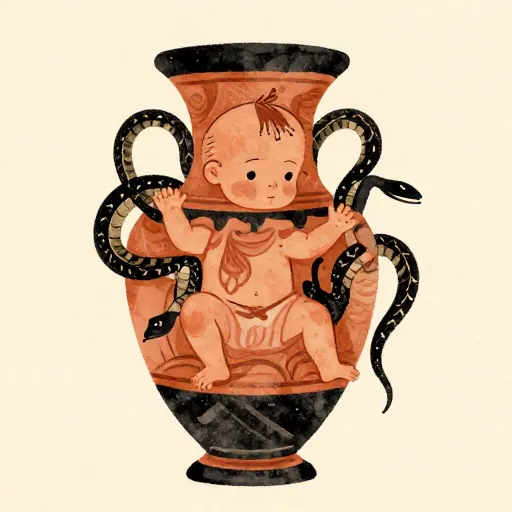
Hercules began his life under a cloud of trouble. Zeus’s wife, the goddess Hera, was furious that Hercules existed. She spent his entire life trying to make things difficult for him. Even when he was a tiny baby in a cradle, she sent two giant snakes to attack him.
Most babies would have been terrified. But Hercules simply reached out with his chubby hands and squeezed the snakes until they stopped moving. This was the first sign that he wasn't a normal child. He had a physical power that was almost impossible to contain.
Hercules was not a man of great intellect, but he had a magnificent soul. He was a man of immense kindness and immense sorrow.
As Hercules grew up, he became a champion, but his life wasn't a happy one. Hera eventually played a trick on his mind, causing him to lose control of his temper. In a moment of terrible confusion, he did something awful: he hurt the people he loved most.
When he woke up and realized what he had done, he was filled with grief. He didn't try to hide or make excuses. He went to the Oracle at Delphi to ask how he could make things right. This is where the famous Twelve Labors began.
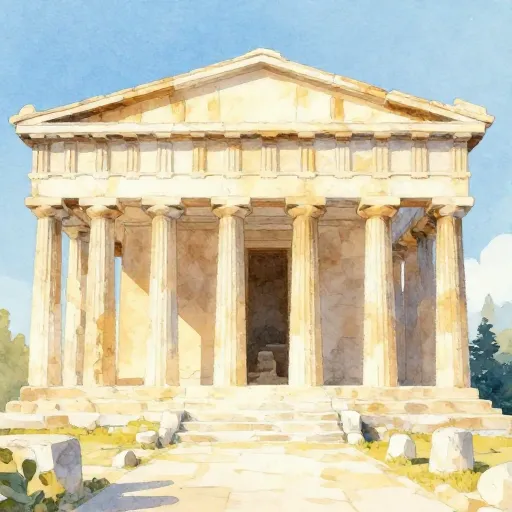
Imagine the Temple of Zeus at Olympia. Above the massive columns, there are twelve carved stones showing Hercules performing his labors. Travelers from all over the world would walk through the heat to see these carvings, using them as a map for how to be brave.
To earn his forgiveness, Hercules had to serve a king named Eurystheus. The king was a cowardly man who was terrified of Hercules. He decided to give Hercules tasks that were so dangerous and impossible that no human could ever survive them.
These tasks weren't just about fighting. They were about testing Hercules's patience, his brain, and his ability to keep going when things felt hopeless. The first few labors were about clearing the world of monsters that were hurting people.
Finn says:
"If he was so strong, why didn't he just say 'no' to the king? I guess sometimes being a hero means doing the things you don't want to do."
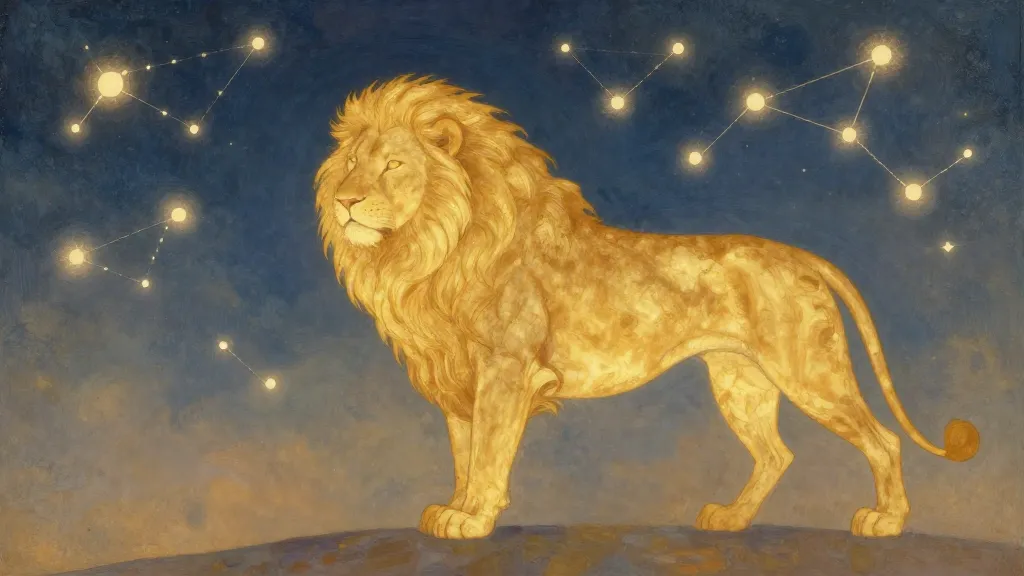
First, he had to face the Nemean Lion, a beast whose skin was so tough that no sword or arrow could pierce it. Hercules had to use his bare hands to defeat it. Afterward, he wore the lion’s skin as armor, making him look even more like the wild force of nature he was.
Then came the Lernean Hydra, a monster with many heads. Every time Hercules cut off one head, two more grew back in its place. This is a great metaphor for how some problems in life seem to get bigger the more we fight them. Hercules had to learn to be clever, using fire to seal the necks so the heads couldn't regrow.
Hercules is a hero because he did things no one else could do. He cleared the world of monsters and showed us that humans can be as powerful as gods if they work hard.
Hercules is a warning. He shows that physical strength is dangerous if you can't control your emotions. His life was full of pain because he couldn't master himself.
Not all the labors were about monsters. Some were just plain annoying. For his fifth labor, Hercules had to clean the Augean Stables. These stables held thousands of cows and hadn't been cleaned in thirty years. The king thought this would humiliate Hercules and break his spirit.
Instead of using a shovel, Hercules used his brain. He dug great trenches and redirected two entire rivers to flow through the stables. In a single day, the rushing water washed away thirty years of mess. It showed that strength isn't always about muscles: sometimes it is about seeing a problem from a new angle.
The hero is the man of self-achieved submission. He has found a way to the life-giving center.
As the years went by, the labors took Hercules to the very edges of the known world. He had to capture a golden deer that was faster than the wind. He had to travel to the garden of the Hesperides to find golden apples. He even had to go down into the Underworld, the land of the dead, to capture the three-headed dog, Cerberus.
Through all of this, Hercules was lonely. He was doing these tasks to fix a mistake, and he carried that weight with him everywhere. The Greeks loved this about him. They saw him as a hero who suffered, someone who knew what it felt like to be overwhelmed by life.
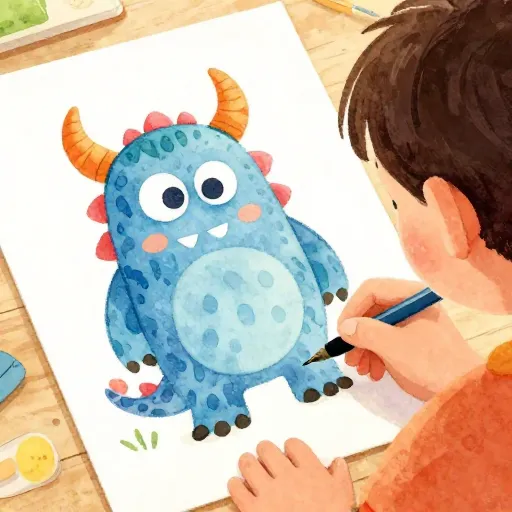
If you had to invent a 13th Labor for Hercules in the modern world, what would it be? It doesn't have to be about a monster. It could be about something that requires huge patience, like untangling every headphone cord in the world or making two enemies become friends.
In many ways, the story of Hercules is about the struggle to become a better version of yourself. The Greeks called this Arete, which means excellence or reaching your full potential. For Hercules, excellence wasn't about being perfect. It was about never giving up, even when the gods themselves were against you.
Eventually, after he had finished his labors and many more adventures, Hercules reached the end of his mortal life. But because he had cleared the world of so much darkness and worked so hard to fix his mistakes, something incredible happened. He was brought up to Mount Olympus to live with the gods.
Mira says:
"I like that he's a constellation now. It’s like his story is written in the lights so we don’t forget that even big mistakes can lead to something bright."
This process is called apotheosis, where a human becomes a god. In the night sky, you can still see the constellation Hercules. He stands there among the stars, a reminder of a man who was once very human, very messy, and very strong.
His story has traveled across the world, changing every time someone tells it. From the marble statues of the Romans to the colorful cartoons of today, we keep coming back to Hercules. We seem to need a hero who makes mistakes just as much as we need a hero who wins.
Hercules Through the Ages

Myth is not a story told once and for all. It is a story that is always being retold, and in the retelling, it changes.
When we look at Hercules today, we see more than just a man with a club. We see a person trying to navigate a world that is often confusing and unfair. We see someone who had to learn that true power isn't just about how much you can lift.
True power is about how you handle your own anger, how you fix your mistakes, and how you help others along the way. Hercules reminds us that even if we feel like we are carrying the weight of the world on our shoulders, we aren't alone in that feeling.
Hercules is the reason we have the Olympic Games, according to one legend. He supposedly won a race at Olympia and decreed that the games should be held every four years to honor Zeus.
Something to Think About
Which of the twelve labors do you think was the most difficult, and why?
There isn't a right answer here. Some people think the monsters were the hardest, while others think the boring chores like the stables required more real strength. What do you think?
Questions About Religion
Was Hercules a real person?
Why did Hera hate Hercules so much?
What happened to Hercules at the end of his life?
The Hero in the Mirror
Hercules is a story that never really ends because human beings are always looking for ways to be brave. Whether you are facing a math test that feels like a multi-headed Hydra or trying to be kind when you feel like a grumpy lion, the spirit of Hercules is there. He reminds us that even when things are messy, there is always a path toward the stars.