What would you do if the person you loved most in the world disappeared?
For the people of Ancient Egypt, the answer was found in the story of Isis, a goddess who used magic and determination to put a broken world back together. She was more than just a character in a story: she was the protector of children and the ultimate symbol of a mother’s love.
Imagine you are standing on the banks of the Nile River three thousand years ago. The air is thick with the scent of lotus flowers and the heat of the desert sun. To the people living here, the world was a place of high stakes and deep mysteries. They believed that the rhythms of the river and the rising of the sun were managed by powerful beings called gods.
Among all these gods, one stood out as the most relatable and yet the most powerful. Her name was Isis, or Aset in the Egyptian language. While other gods lived in the distant sky or the deep underworld, Isis was often seen as the goddess who understood what it meant to be human. She knew about loss, fear, and the hard work of keeping a family safe.
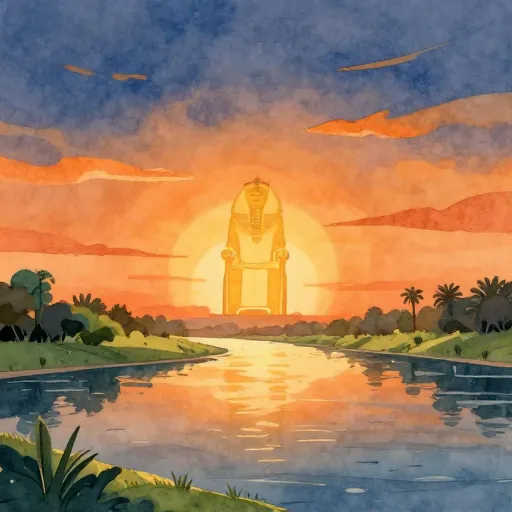
Imagine the Nile during the great flood. The water turns from a muddy brown to a deep, life-giving green. To the Egyptians, this flood was like Isis crying tears of joy for her husband, bringing the dry desert back to life with her love.
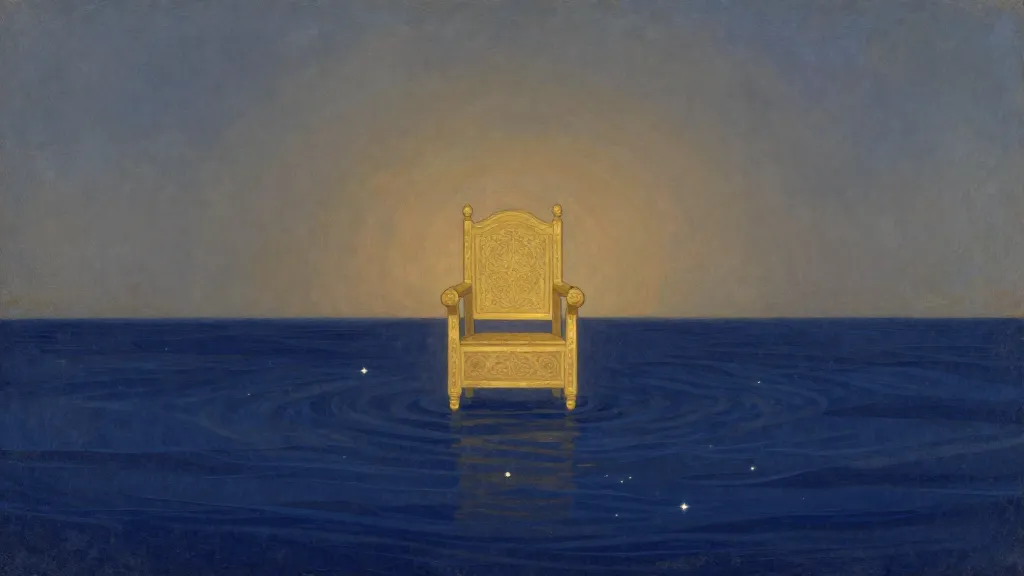
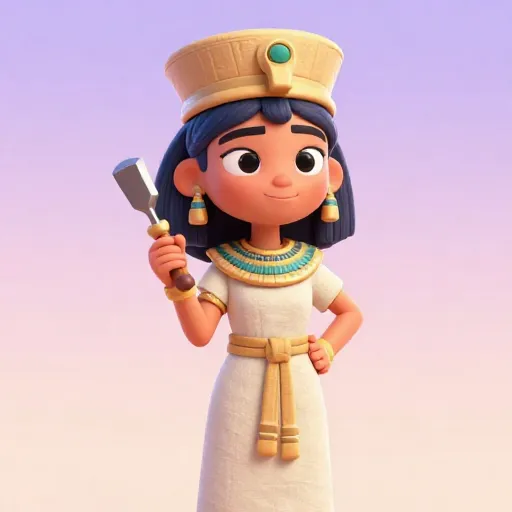
Isis was often pictured wearing a crown shaped like a throne. This was not just a fashion choice. In Ancient Egyptian culture, the throne was the seat of power, but it was also the foundation that held the King up. Without the throne, there could be no King. By wearing it, Isis was saying that she was the quiet strength behind the entire kingdom.
She was part of a legendary family of four siblings: Osiris, Seth, and Nephthys. In the beginning, they were the rulers of the world. Osiris was the wise king, and Isis was his queen. Together, they taught the people how to farm, how to write, and how to live in harmony. It was a golden age of peace and growth.

Finn says:
"If the gods were so powerful, why did they have so much family drama? It sounds like they were just like us, only with more gold and magic."
But stories rarely stay peaceful for long. Osiris had a brother named Seth who was jealous of his power and his popularity. Seth represented the wild, unpredictable storms of the desert. He wanted the throne for himself, and he came up with a clever, cruel plan to take it. This moment changed the course of Egyptian mythology forever.
Seth built a beautiful wooden chest decorated with gold and jewels. During a grand party, he announced that whoever fit perfectly inside the chest could keep it as a gift. Many people tried, but Seth had measured it specifically for Osiris. When the king lay down inside, Seth slammed the lid shut, sealed it with lead, and threw it into the Nile.
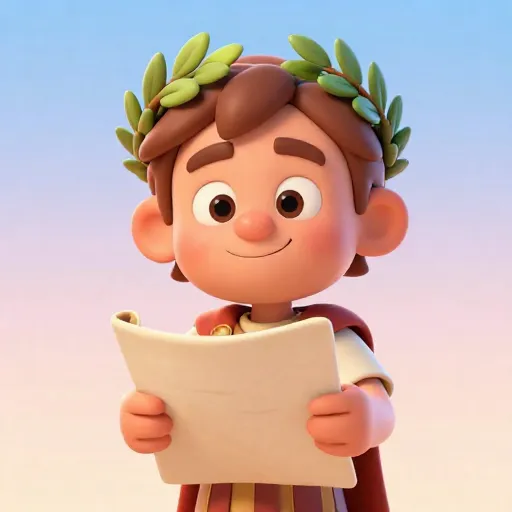
Isis, when she heard of this, cut off one of her locks of hair, and put on a robe of mourning... she wandered everywhere, and was at a loss, and never passed by anyone without speaking to them.
When Isis heard the news, she did not give up. She did not sit down and wait for someone else to solve the problem. Instead, she cut off a lock of her hair, put on mourning clothes, and began a journey that would take her across the known world. She was looking for her husband, but she was also looking for a way to fix what had been broken.
She traveled through marshes and across seas, asking everyone she met if they had seen the chest. Eventually, she found it trapped inside a massive cedar tree in a faraway land called Byblos. The tree had grown so quickly around the chest that it had become a pillar in a king's palace. Isis didn't use her powers to tear the palace down: she used her wisdom to become a nurse for the king's children until she was finally allowed to take the chest home.
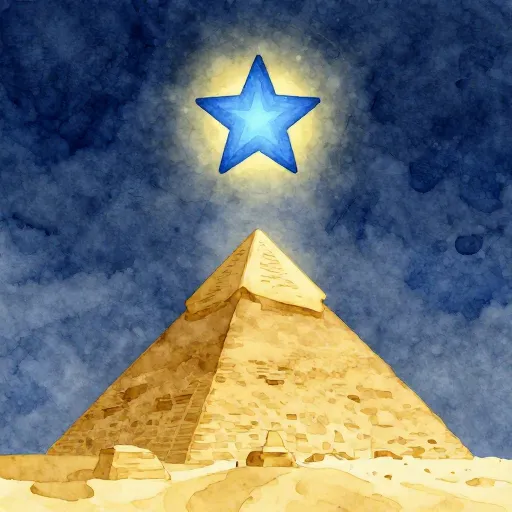
The star we call Sirius was known to the Egyptians as Sothis, the star of Isis. When it appeared in the morning sky after being hidden for 70 days, they knew the Nile was about to flood. Isis was literally their calendar!
Even then, the trouble wasn't over. Seth found the chest again and, in a fit of rage, tore the body of Osiris into fourteen pieces. He scattered them all across the land of Egypt. He thought that by breaking Osiris into tiny parts, he had destroyed him forever. But he underestimated the power of memory and the strength of Isis's magic.
Isis enlisted the help of her sister Nephthys and the jackal-headed god Anubis. Together, they searched every corner of the desert and the riverbank. Every time they found a piece, Isis used her magic to preserve it. This process became the very first version of mummification, the Egyptian practice of preparing a body for the afterlife.
Isis believed that words have power. Try this: Choose one 'power word' for your day, like 'Bravery' or 'Kindness.' Whenever you feel stuck or frustrated, whisper that word to yourself. Does it change how you feel, like a little bit of Heka?
By gathering the pieces, Isis was performing an act of healing that went beyond just medicine. She was putting the world back together. She used her wings to fan breath back into Osiris, and for a brief moment, he lived again. This showed the Egyptians that even after death, there was hope for a new kind of life.

Mira says:
"I like how Isis didn't just wish the pieces of Osiris back together. She had to go find them one by one. Healing takes actual work, doesn't it?"
Isis was famous for her Heka, which is the Egyptian word for magic. But to the Egyptians, magic wasn't about pulling rabbits out of hats. It was about the power of words. They believed that if you knew the true name of something, you had power over it. Words were tools that could build or destroy.
There is a famous story about how Isis gained her ultimate power. She realized that the sun god, Ra, was getting old and forgetful. She wanted his secret name so she could protect her son, Horus. She created a magical snake from the earth and Ra's own saliva. When the snake bit Ra, only Isis knew the spell to cure him, but she refused to use it until he whispered his secret name into her ear.
I am Isis, the goddess, the mistress of magic, who performs magic, with worthy words which cannot fail.
Once she had this power, she became the "Great of Magic." She used it to protect her son, Horus, while he was growing up in the hidden marshes of the Nile. Seth was still looking for them, hoping to end the family line. Isis had to be a master of disguise, hiding Horus from scorpions, snakes, and the soldiers of the desert king.
Some people see Isis as a goddess of power who used tricks and cleverness to get what she wanted, like stealing Ra's secret name.
Others see her as a goddess of service who only used her power to protect her family and heal the sick.
Think about a time you felt scared and someone older made you feel safe. To an Egyptian child, Isis was that feeling. Mothers would often recite spells that Isis used, hoping to protect their own children from fever or accidents. She wasn't just a queen: she was a mother who knew exactly what it felt like to be worried.
Isis Through the Ages
As time went on, the fame of Isis grew. When the Greeks and then the Romans conquered Egypt, they didn't stop worshiping her. Instead, they were fascinated by her. They built temples for her in places as far away as London and Pompeii. To the Romans, she became a universal goddess who looked after sailors and brought peace to the soul.
Behold, I am here! I am she that is the natural mother of all things, mistress and governess of all the elements, the initial progenitor of worlds.
In these later years, she was often shown holding her son Horus on her lap. This image of a mother and child was so powerful that it influenced art for thousands of years. Even after the old Egyptian religion faded away, the idea of a gentle, protective mother figure remained a central part of how people thought about the divine.
Finn says:
"It’s weird to think of a goddess hiding in a swamp. Usually, gods are in palaces. I guess it shows that being important isn't about where you are, but what you're protecting."
Why does Isis still matter to us today? Perhaps it is because her story is about the things we all face. We all lose things. We all see things that are broken and feel like they can never be fixed. Isis tells us that through persistence, memory, and the power of our words, we can gather the pieces and create something new.
She represents the part of us that refuses to give up on the people we love. Whether she is a queen on a throne or a mother in a marsh, she reminds us that magic isn't something that happens to us: it is something we use when we choose to care for others. The world might be messy and scattered, but like Isis, we have the tools to put it back together.
Something to Think About
Is magic something we find in books, or is it something we create with our words?
There isn't a right answer here. Think about how your words can make someone feel better or change a situation. Is that a kind of magic?
Questions About Religion
Was Isis a real person?
Why does she have wings in some pictures?
Is Isis the same as the moon goddess?
The Infinite Circle
The story of Isis doesn't really have an end. As long as people care for one another and try to fix what is broken, her spirit lives on. Keep looking for the 'worthy words' in your own life, and see what kind of magic you can build.
