
Have you ever done something just to see what would happen, even if you knew it might get you into trouble?
In the cold, rocky lands of ancient Scandinavia, the Vikings told stories of a figure who lived exactly like that. He was Loki, the great Trickster of Norse mythology, a character who was neither fully a hero nor fully a villain, but something much more complicated.
Imagine a world where the gods are powerful, brave, and very serious. They build massive walls, fight giants, and protect their home, a place called Asgard. But in the middle of all this strength and order, there is a flicker of movement. This is Loki.
He is a Shape-shifter, meaning he can change his skin as easily as you change your clothes. One minute he is a tall, handsome man with a sharp smile. The next, he is a buzzing fly, a swimming salmon, or a beautiful mare. He does not fit into one box, and that makes the other gods very nervous.
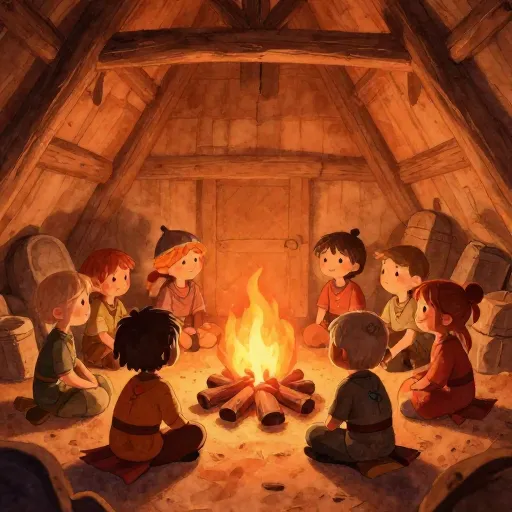
Imagine a room with no windows and one heavy wooden door. The air smells like woodsmoke, roasted meat, and salted fish. Outside, the wind screams across the ice of tenth-century Scandinavia, but inside, the fire is bright. Everyone is leaning forward, eyes wide, as a storyteller describes a god who just turned himself into a giant bird to escape a mountain giant.
Loki did not come from the same family as the other gods. His father was a Jötunn, which is the Old Norse word for a giant. In these stories, giants often represented the wild, untamed forces of nature like storms and shifting mountains.
Even though he was an outsider, Loki became a Blood brother to Odin, the king of the gods. This meant they made a sacred promise to treat each other like family. Because of this bond, Loki lived in the halls of Asgard, right at the heart of the action.
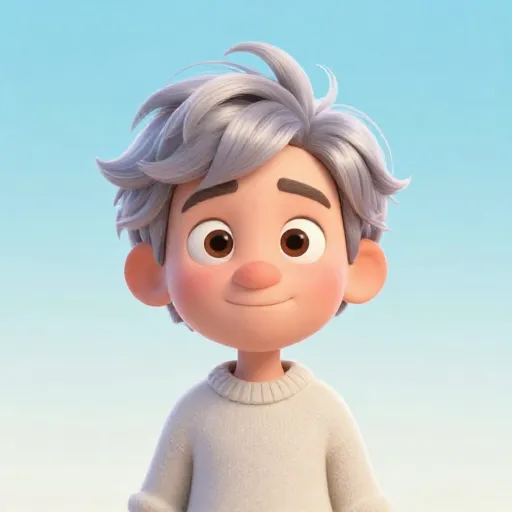
Finn says:
"If Loki was a giant but lived with the gods, did he ever feel like he truly belonged? Maybe he played tricks just to make sure people were paying attention to him."
Life in the Viking Age was hard. Between the 8th and 11th centuries, people in Northern Europe lived through long, dark winters where the sun barely showed its face. They relied on an Oral tradition, which means they didn't write their stories down in books.
Instead, they told them around the hearth fire. They needed characters who reflected the world they saw: a world that was sometimes beautiful, sometimes dangerous, and always changing. Loki was the personification of that change.
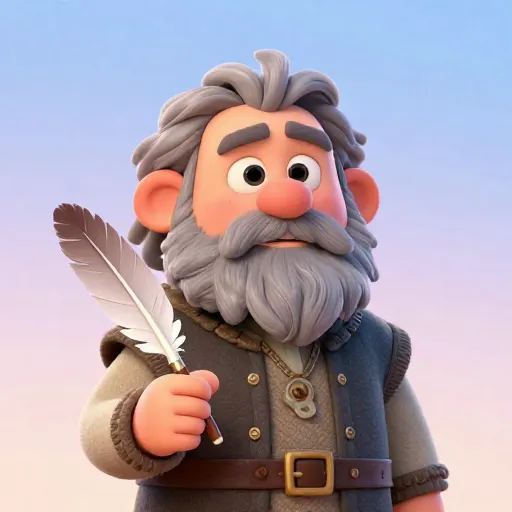
Loki is beautiful and fair of face, but evil in spirit and very fickle in habits.
Most of the time, Loki used his cleverness to solve problems. The funny thing is, he was usually the one who caused the problems in the first place. He was like the person who sets a fire just so they can show everyone how quickly they can put it out.
Take the story of Thor’s hammer. One morning, the god of thunder woke up to find his mighty weapon, Mjölnir, had been stolen by a giant. While the other gods panicked, Loki went to work. He didn't use a sword: he used a plan.
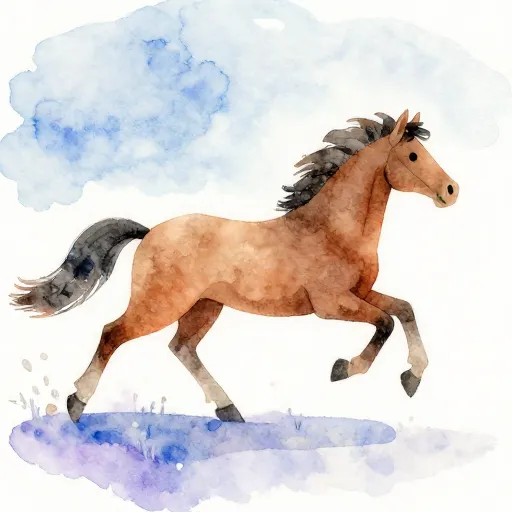
Loki had some very unusual children. One was a giant wolf named Fenrir, another was a massive serpent that circled the entire world, and the third was Hel, who became the ruler of the underworld. He was also the mother of Sleipnir, Odin’s eight-legged horse!
Loki convinced Thor to dress up as a bride to sneak into the giant’s fortress. Loki himself dressed up as the handmaiden. It was a ridiculous plan, but it worked perfectly. Without Loki’s quick thinking and his willingness to look silly, the gods would have lost their greatest protection.
This is the paradox of Loki. He makes life difficult, but he also makes life possible. He provided the gods with their most important treasures, including Odin’s eight-legged horse and the golden hair of the goddess Sif. Chaos, it seems, is the father of invention.
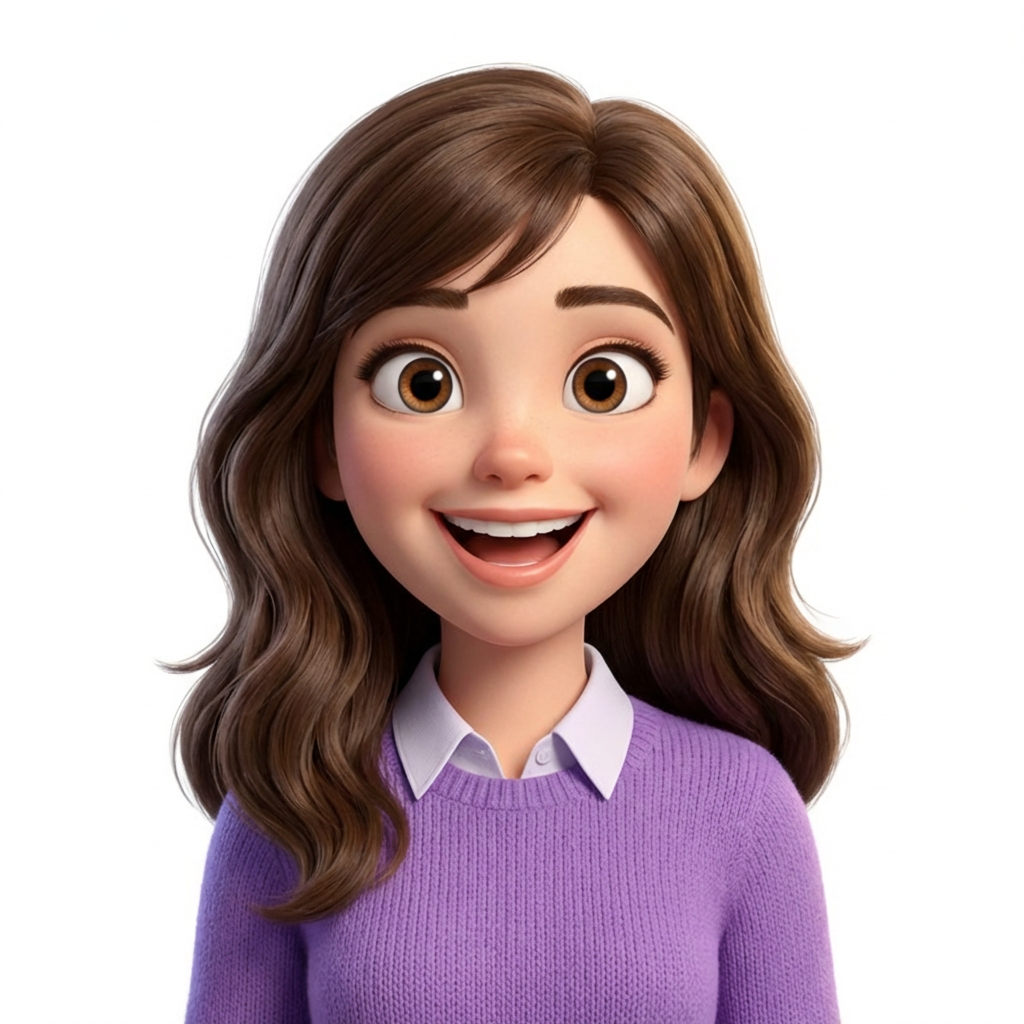
Mira says:
"It’s interesting that the gods needed Loki to get their best tools. It’s like how sometimes my best ideas come from making a mistake first."
As the centuries passed, the way people thought about Loki began to shift. Originally, the Vikings didn't really have a concept of "pure evil" like we see in some modern movies. They viewed the world as a balance between order and Chaos.
Loki is a vital part of the world. Without his curiosity and tricks, the gods would never have their treasures, and the world would never change or grow.
Loki is a dangerous force who eventually destroys everything. His tricks start small but end in the death of the gods and the end of the world.
If you have too much order, nothing ever changes and the world becomes stagnant and boring. If you have too much chaos, everything falls apart. Loki was the chaos. He was the salt in the soup: a little bit makes it better, but too much ruins the meal.
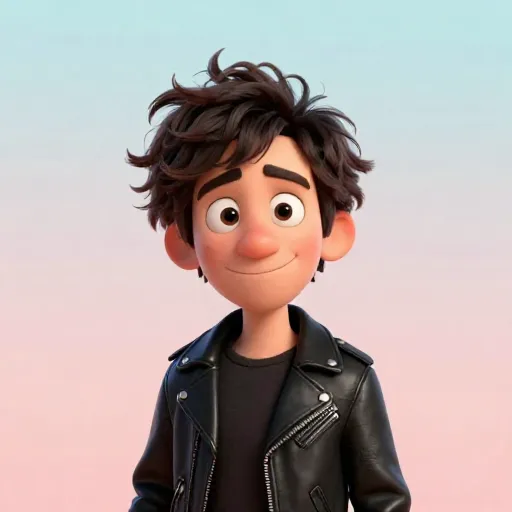
The trickster is a boundary crosser. He is the spirit of the doorway.
However, as the myths move toward their end, Loki’s tricks become darker. He stops being a harmless prankster and starts to feel like a true enemy. The most famous example is the death of Baldur, the god of light and beauty whom everyone loved.
Loki found the one thing in the world that could hurt Baldur: a tiny sprig of mistletoe. He guided a blind god to throw it as a joke, and Baldur died. This event signaled the beginning of the end of the world, a great battle known as Ragnarok.
Think about a time you broke a rule or did something 'bad.' Did anything good come out of it? Maybe you learned a lesson, or maybe you found a more creative way to solve a problem. Write down one 'good' thing that came from a 'mistake.'
Why did Loki do it? The myths don't give us a simple reason. Maybe he was jealous of how much everyone loved Baldur. Maybe he was tired of being the outsider. Or maybe, as a creature of change, he knew that the old world had to end so a new one could begin.
Through the Ages
After the Viking Age ended, these stories were almost lost. It wasn't until a writer in Iceland named Snorri Sturluson wrote them down in the 13th century that we got the versions we know today. Snorri was a Christian, so he sometimes struggled to explain why the Vikings liked someone as tricky as Loki.
In modern times, we see Loki everywhere. He is the star of comic books and blockbuster movies. In these versions, he is often shown as a misunderstood brother or a complex anti-hero. We are still drawn to him because we all know what it feels like to be caught between wanting to belong and wanting to break the rules.
Loki makes the world more interesting but less safe.
Loki reminds us that the world is not always black and white. People are rarely all good or all bad. We are all a little bit like shape-shifters, changing how we act depending on who we are with and how we feel that day.
Mira says:
"The Vikings lived in such a harsh world. I think they needed Loki to remind them that even when things are scary, there’s still something unpredictable and even funny about life."
When we look at Loki, we are looking at the part of ourselves that asks "Why?" and "What if?" He is the spark of curiosity that can lead to a great discovery or a giant mess. He is a reminder that even in the most serious of worlds, there is always room for a little bit of trouble.
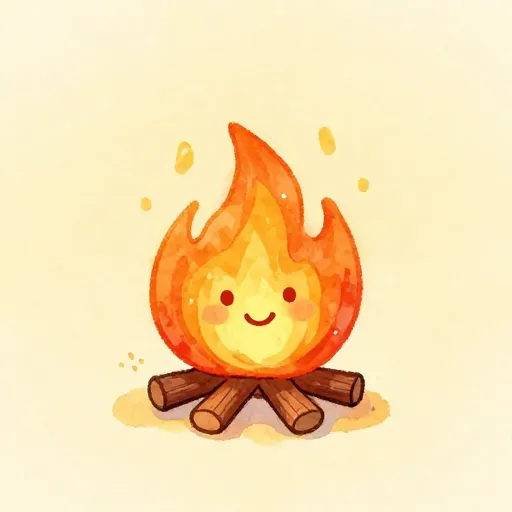
The word 'Loki' might be related to the Old Norse word for 'logi,' which means fire. Like fire, Loki can keep you warm and cook your food, but if he gets out of control, he can burn the whole house down.
Something to Think About
If you were a god in Asgard, would you want Loki as your friend?
There is no right answer here. Think about whether you prefer things to be safe and predictable, or if you'd rather have a friend who makes life an unpredictable adventure, even if it's sometimes annoying.
Questions About Religion
Was Loki actually Thor's brother?
Is Loki a boy or a girl?
Did the Vikings worship Loki?
The Infinite Shape-Shifter
Loki remains one of the most popular figures in world mythology because he is so human. He is flawed, funny, selfish, and brilliant all at once. By studying Loki, we aren't just learning about old Viking stories: we are learning about the messy, creative, and unpredictable nature of being alive.