Imagine walking through a hallway where every turn looks exactly the same as the last.
The story of the Minotaur is one of the oldest tales in human history, originating in the Bronze Age on the island of Crete. It is a story about a hidden monster, a giant Labyrinth, and the brave people who had to find their way back out.
Around 3,500 years ago, the island of Crete was the center of a powerful and mysterious world. This was the home of the Minoan civilization, a group of people who built massive palaces, painted beautiful frescoes of dolphins, and seemed to worship the power of the bull.
At the heart of their greatest city, Knossos, lived King Minos. But the legends say Minos had a secret he couldn't show the world. He had a son who was born half-man and half-bull: the Minotaur.
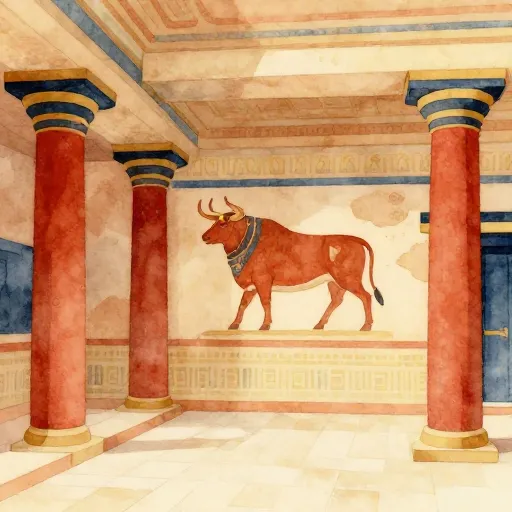
Imagine the Palace of Knossos. It had over 1,300 rooms connected by narrow, winding hallways. There were no street signs or maps. The walls were painted with bright red columns and pictures of teenagers jumping over charging bulls. This real palace was so confusing that visitors from other islands probably thought it actually WAS a labyrinth!
This creature wasn't just a scary monster in a story. To the ancient Greeks, the Minotaur represented the parts of ourselves that feel wild, untamable, or even frightening. It was a physical version of a "big feeling" that no one knew how to handle.
Because the Minotaur was so powerful and strange, King Minos didn't know what to do with him. He didn't want to hurt him, but he couldn't let him roam free. So, he asked a master inventor named Daedalus to build a prison unlike any other.
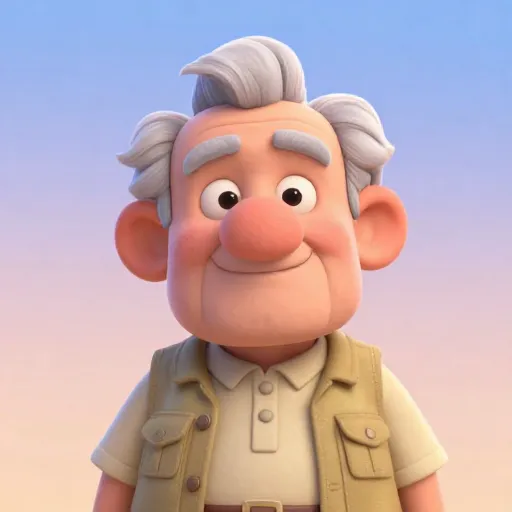
Finn says:
"If I was Daedalus, I think I'd get lost in my own building. Do you think he kept a secret map in his pocket just in case?"
The Design of the Labyrinth
Daedalus was the most brilliant architect of his time. He designed the Labyrinth, a structure so complex that once you entered, it was almost impossible to find the exit. It was a place of winding paths and confusing loops.
In our modern world, we often use the words "maze" and "labyrinth" to mean the same thing. But for thinkers throughout history, they are very different. A maze is a puzzle with dead ends and many choices, but a true labyrinth is a single, spiraling path that leads you inevitably to the center.
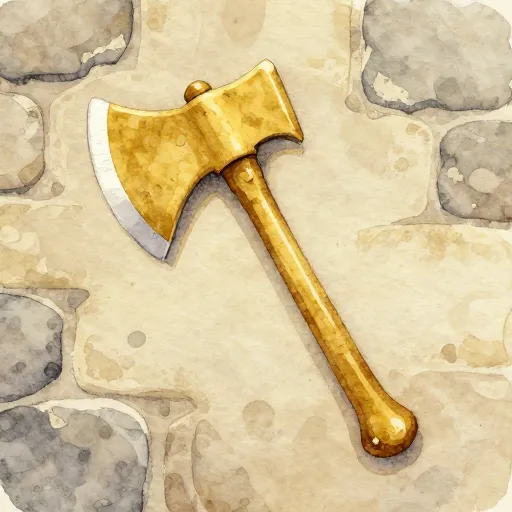
The word 'Labyrinth' might actually mean 'House of the Double Axe.' A 'labrys' was a special two-sided axe used in Crete. Archaeologists have found these axe symbols carved all over the palace walls. It was a sign of power, but it also looks a bit like the crossing of two paths.
When we think about the Labyrinth today, we can think of it as a map of the human mind. Sometimes our thoughts feel like winding paths. We move toward a center, toward an idea or a fear, and the journey can feel long and lonely.
The labyrinth is an ancient symbol that relates to wholeness. It combines the imagery of the circle and the spiral into a meandering but purposeful path.
The Hero and the Thread
The story takes a dark turn when King Minos demands a Tribute from the city of Athens. Every few years, Athens had to send seven boys and seven girls to Crete to be sent into the Labyrinth. It was a way for Minos to show his power over other cities.
One year, a young prince named Theseus volunteered to go. He didn't want to be a victim: he wanted to stop the cycle of fear. But Theseus couldn't do it alone. He needed someone who understood the palace from the inside.
That person was Ariadne, the daughter of King Minos. She fell in love with Theseus and decided to help him. She didn't give him a sword or a shield: she gave him a simple ball of red thread.
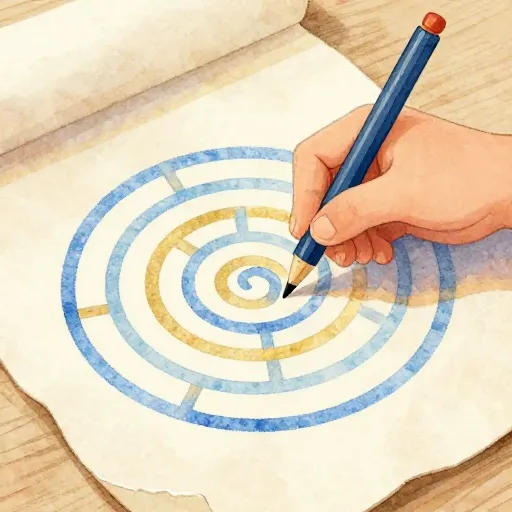
Take a piece of paper and a pencil. Try to draw a 'Unicursal Labyrinth.' This is a path that has no branches and no dead ends: just one long, winding line that leads to the center and back out. As you draw, think about one thing you are worried about. Can you imagine your pencil line carrying that worry to the center and leaving it there?
This thread is one of the most famous symbols in all of mythology. It represents the connection we have to our own history and the people who care about us. It is the thing that keeps us from getting lost when we have to face something scary.
Theseus tied the thread to the entrance of the Labyrinth and unrolled it as he walked deeper into the darkness. He was brave, but he was also smart enough to know that finding the way back is just as important as reaching the goal.
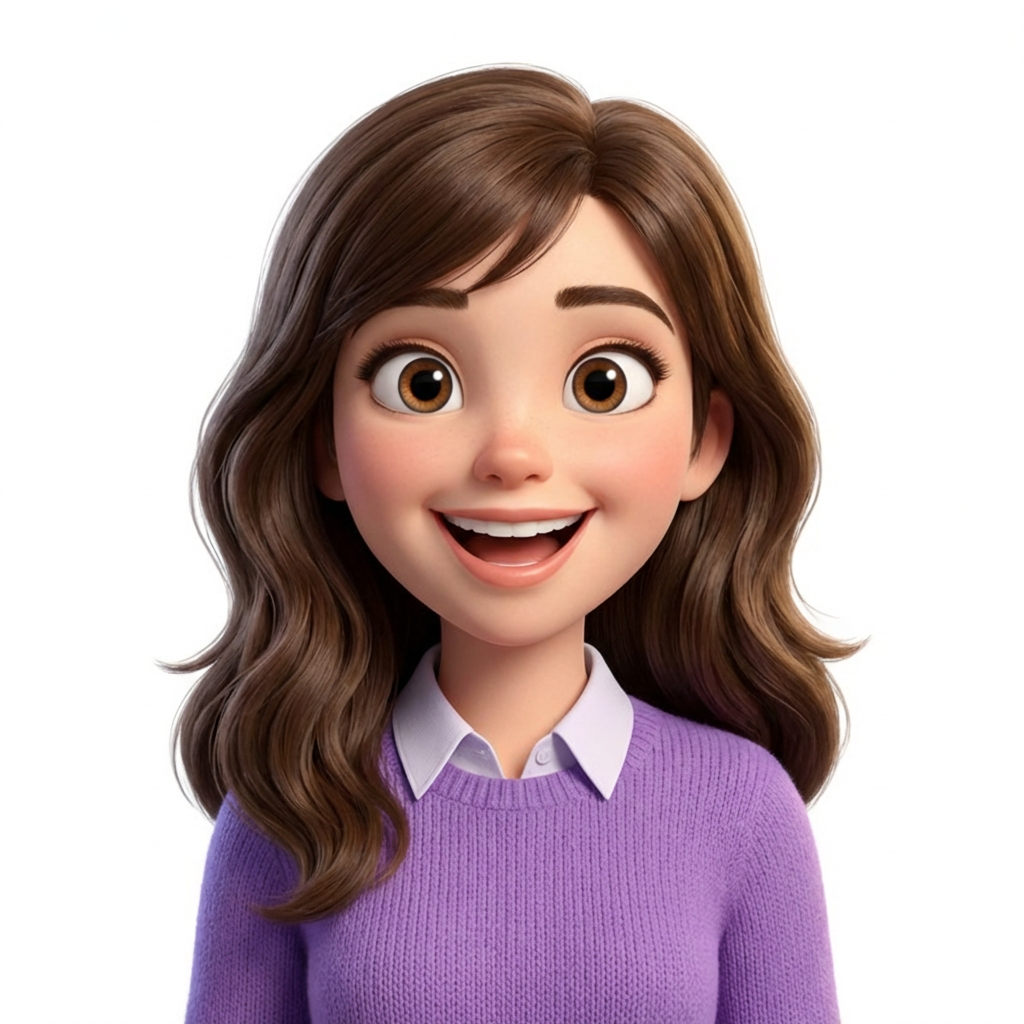
Mira says:
"The thread is like a memory. Ariadne knew that Theseus would be so focused on the monster that he might forget how to be himself again."
Facing the Shadow
In the center of the darkness, Theseus finally met the Minotaur. Most versions of the story say they fought a great battle. Theseus used his strength to defeat the creature, ending the terror that had lasted for years.
But if we look at this story like a psychologist might, the battle is about more than just a hero and a monster. The Minotaur is often called an Archetype of the "shadow" : the parts of ourselves we try to hide or push away.
When Theseus confronts the Minotaur, he is facing the hidden parts of the palace and the hidden parts of the royal family's mistakes. By following the thread back out, he brings the truth into the light of day.
The Minotaur is a dangerous beast that represents our worst impulses. Theseus is a hero because he destroys the danger and protects his people from harm.
The Minotaur is a victim of his parents' mistakes and the King's cruelty. He is a sad, isolated being who never chose to be a monster.
Thinkers like Carl Jung believed that we all have a "labyrinth" inside us. We spend our lives walking its paths, trying to understand who we are. Sometimes we find things that scare us, but the goal isn't just to run away: it is to find our way through.
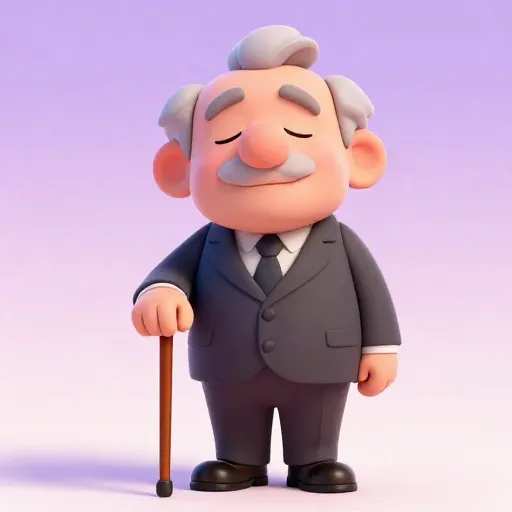
Would you believe it, Ariadne? The Minotaur scarcely defended itself.
The Sadness of the Monster
For a long time, people only saw the Minotaur as a villain. He was a beast that ate people, a creature to be feared. But as time went on, writers and artists began to wonder: how did the Minotaur feel?
Imagine being born into a world where you are immediately put into a dark basement because you look different. Imagine never seeing the sun or hearing a friendly voice. Was the Minotaur truly evil, or was he just lonely and misunderstood?
Mira says:
"Sometimes I feel like the Minotaur when I'm grumpy. I just want to hide in a room where no one can find me until I feel better."
This shift in thinking is important. It teaches us about empathy. When we see someone acting like a "monster" today : perhaps being mean or aggressive : we can ask ourselves what kind of "labyrinth" they might be stuck in.
The Minotaur Through the Ages
Finding Your Own Thread
The story of the Minotaur isn't just about ancient Greece. It's about every time you have to do something difficult. Maybe it's starting a new school, or admitting you made a mistake, or dealing with a feeling that feels too big for your body.
In those moments, you are Theseus. You are walking into the unknown. But like Theseus, you don't have to go without a thread. Your thread might be a favorite book, a conversation with a parent, or even just the breath in your lungs.
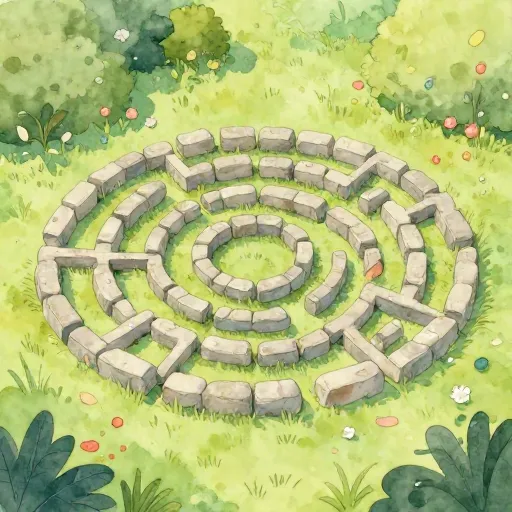
In many ancient cultures, walking a labyrinth was a way to pray or meditate. Even today, some hospitals and parks have labyrinths on the ground. People walk them slowly to calm their minds and find a sense of peace when things feel chaotic.
Philosophy and mythology don't give us easy answers. They don't tell us that the monster will never appear. Instead, they tell us that the Labyrinth exists, and that we have the tools to walk through it.
The cave you fear to enter holds the treasure you seek.
As we look back at the ruins of Knossos today, we can see the winding corridors that might have inspired the story. The stones are still there, baked by the Mediterranean sun. But the real Labyrinth is still with us, every time we ask "Who am I?" and "How do I find my way?"
Something to Think About
If you were to meet the Minotaur at the center of the Labyrinth, what is the first thing you would say to him?
There is no right answer here. You might feel brave, or scared, or even just curious. Every person's encounter with the 'monster' is unique.
Questions About Religion
Was the Minotaur a real person?
Why did Theseus use a thread instead of a map?
What happened to the Labyrinth after the story?
The Thread Continues
The story of the Minotaur reminds us that even when we feel lost in a maze of our own thoughts or fears, there is always a way back to the light. We just have to remember to bring our thread with us, and perhaps, every once in a while, wonder if the monster in the center is just waiting for a friend.