What does it feel like to live in a world where the gods are just as worried about the future as you are?
Over a thousand years ago, in the cold and rocky lands of Scandinavia, the people we call Vikings told stories of the Norse Gods. These were not perfect beings living far away in the clouds: they were a family of Deities who laughed, made mistakes, and knew that one day, their world would come to an end.
Imagine a world where the mountains are the bones of a fallen giant and the stars are sparks from a land of fire. For the people living in what we now call Norway, Sweden, and Denmark, this was not just a story. It was how they made sense of the wind, the sea, and the deep, dark forests.
They lived in a time called the Viking Age, roughly between the years 793 and 1066. These people were farmers, explorers, and poets who relied on their wits to survive. Their gods reflected that rugged life: they were brave and clever, but they were also deeply flawed.
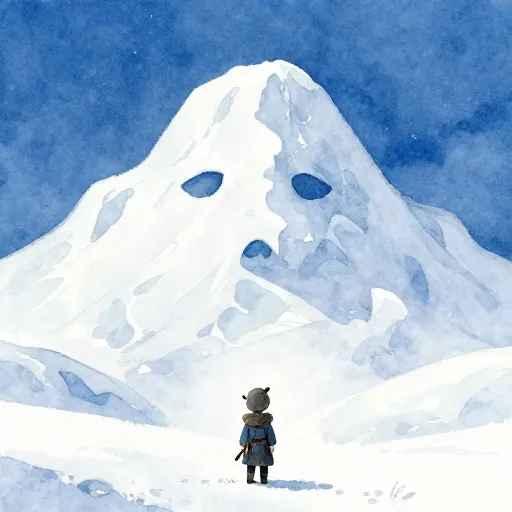
Imagine standing on a rocky shore in Norway during a winter storm. The waves are crashing, the wind is howling, and the mountains look like sleeping giants. You aren't just looking at nature: you are looking at the traces of gods who walked here before you.
Unlike the gods of some other religions, the Norse gods were not immortal. They stayed young by eating magic apples, and they knew that eventually, they would face a final battle. This sense of Fate colored everything they did. They lived fully because they knew time was precious.
Mira says:
"It's interesting that their world was a tree. Trees are alive and they change with the seasons. Maybe the Vikings thought the whole universe was growing just like a forest?"
The Tree That Holds the World
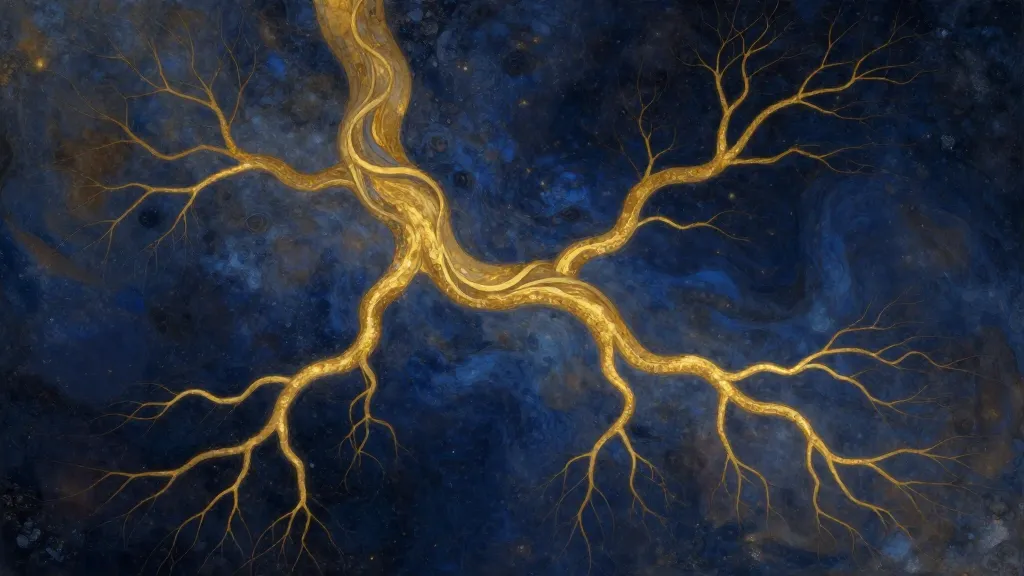
At the center of everything sat Yggdrasil, a massive ash tree that connected all things. The Vikings believed there were Nine Realms tucked among its branches and roots. Our world, the home of humans, was called Midgard, which literally means Middle Yard.
Above us was Asgard, the high fortress of the gods. Below were lands of fog, fire, and the frozen home of the giants. This tree was more than just a giant plant: it was a map of how the universe worked.
The myths are a way of telling us that the world is more than it seems, and that the shadows have stories of their own.
If the tree stayed healthy, the world stayed together. But there were always creatures gnawing at the roots or birds watching from the top. It was a living, breathing system that required care and attention. It reminds us that everything in nature is connected, from the smallest beetle to the tallest mountain.
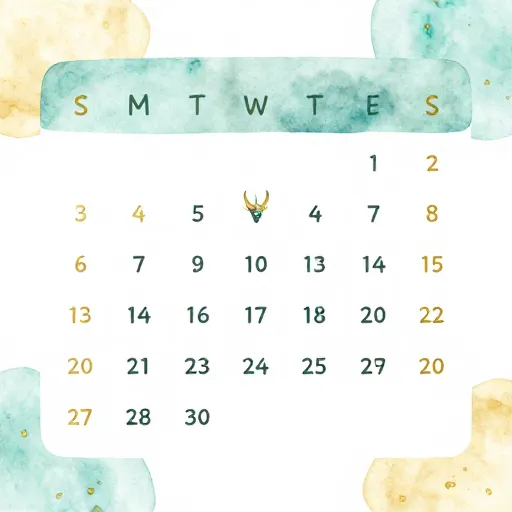
You talk about the Norse gods every single week! Many of our days are named after them: - Tuesday (Tyr's Day) - Wednesday (Woden/Odin's Day) - Thursday (Thor's Day) - Friday (Frigg's or Freyja's Day)
Odin: The Cost of Wisdom
The leader of the gods was Odin, the All-Father. He was not a king who sat quietly on a throne. Instead, he was a wanderer who wore a wide-brimmed hat and a blue cloak, traveling the world to learn its secrets.
Odin was obsessed with Wisdom. He wanted to know everything: the past, the future, and the hidden meaning of the stars. But in Norse mythology, wisdom is never free. It always requires a trade.
Odin believed that wisdom was worth more than his own eye. Think of something you really want to learn, like a new language or how to code. What is one thing you would be willing to give up (like an hour of video games) to gain that knowledge?
To drink from the Well of Wisdom, Odin had to give up one of his eyes. Later, he hung himself from the World Tree for nine nights just to learn the secret of the Runes, the ancient alphabet of the North. He showed the Vikings that learning is a brave act that requires sacrifice.
Finn says:
"If Odin traded his eye for wisdom, does that mean he saw more with one eye than most people do with two? What kind of things would you have to see to make that worth it?"
Thor and Freyja: Power and Magic
If Odin was the god of thinkers, Thor was the god of doers. He was the protector of Midgard, famous for his red beard and his incredible strength. When the Vikings heard thunder, they didn't see a scientific weather pattern: they heard the wheels of Thor's goat-drawn chariot.
Thor carried a hammer called Mjölnir. It was a strange weapon with a handle that was a bit too short, but it never missed its mark. Thor wasn't just a warrior: he was the god of the common people, the farmers who needed the rain and the protection of a strong friend.
The gods used their power to keep the world orderly and safe for humans. Without their strength, the giants of ice and fire would have destroyed everything long ago.
The gods were often selfish and relied too much on violence. They took what they wanted and often caused more problems than they solved for the people of Midgard.
While Thor used his strength, the goddess Freyja used her mind and her magic. She was the goddess of love and beauty, but she was also a fierce leader who chose half of the heroes who died in battle. Freyja practiced a special kind of magic called Seiðr, which allowed her to see into the future.
Freyja reminds us that there are many kinds of power. There is the power of the hammer, which can build or destroy, and the power of the heart, which can see what others miss. The Norse people respected both equally.
By these stories, one may understand the nature of the world and how all things began.
Loki: The Necessary Trouble
No family is complete without someone to stir things up, and for the gods, that was Loki. He was a Shapeshifter, meaning he could turn into a salmon, a mare, a fly, or an elderly woman. Loki wasn't exactly a god or a giant: he was something in between.
Loki is often called a villain, but that is too simple. Most of the time, the gods only got their best treasures because Loki got them into trouble first. He was the spark of chaos that forced everyone else to be clever.
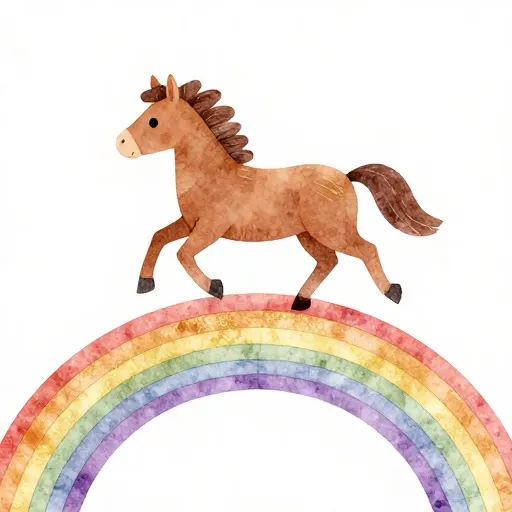
Loki once turned into a mare and became the mother of Odin's eight-legged horse, Sleipnir! Norse myths are full of strange family trees and magical transformations that don't always follow the rules of our world.
Without Loki, the stories would be boring. He represents the part of life that is unpredictable and messy. He teaches us that even when things go wrong, new and interesting things can grow from the mistakes we make.
Mira says:
"Loki is like the 'glitch' in a video game. Sometimes the glitch breaks everything, but sometimes it lets you see behind the scenes of how the game actually works."
The End and the Beginning
The most famous part of Norse mythology is its ending: Ragnarök. This was the predicted 'Doom of the Gods,' a massive battle where many of the famous deities would fall. It was a time of fire and ice, where the sun would go dark and the earth would sink into the sea.
But for the Vikings, this wasn't a scary ending like a horror movie. It was a cycle. They believed that after the destruction, a new, green earth would rise from the water. Two humans would survive to start the world again.
Through the Ages
This belief gave the Norse people a strange kind of courage. If the end of the world was already decided, there was no point in being afraid. All you could do was live your life with as much honor and joy as possible. You couldn't change your fate, but you could choose how you met it.
No man is so good that he has no blemish, nor so bad that he is good for nothing.
Today, we don't look at the sky and expect to see Thor's chariot. But we still use these stories to talk about what it means to be human. We still wonder about the cost of wisdom, the value of friendship, and how to stay brave when things get difficult.
Something to Think About
If you knew that the world was going to change completely one day, would you spend your time worrying about it, or would you live more bravely right now?
There isn't a right answer here. Some people find comfort in planning for the future, while others find strength in living for today. Both ways are part of the human story.
Questions About Religion
Were the Norse gods real people?
Is Marvel's Thor the same as the Viking Thor?
Why did the Vikings stop believing in these gods?
The Echo of the North
The Norse gods remind us that life is a mixture of light and shadow. They tell us that wisdom has a price, that chaos is sometimes necessary, and that even the end of something can be a new beginning. As you walk through the world today, look at the trees and the stormy skies: maybe there is still a bit of that ancient magic left in the wind.