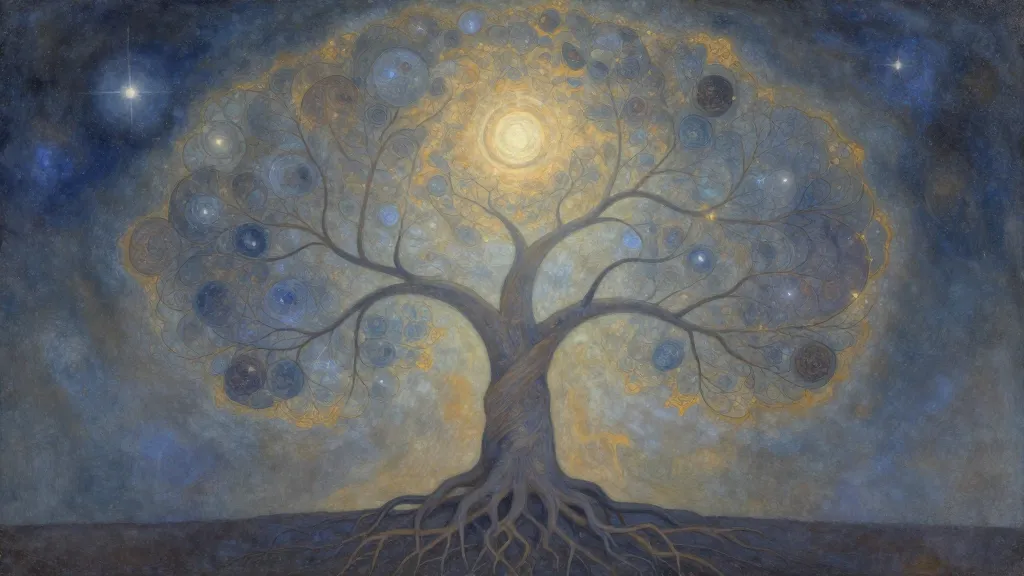
What if the world was not a planet floating in space, but a series of secret realms hidden among the roots of a giant tree?
For the Vikings, people who lived in Scandinavia over a thousand years ago, the universe was a place of wild magic and looming shadows. They told stories in Old Norse about gods who were brave but flawed, giants who were as old as time, and a future that was already written in the stars.
Imagine a cold night in a wooden longhouse in Norway, during the year 900. Outside, the wind howls through the pine trees and the Northern Lights dance across the sky like ghostly fire.
Inside, a storyteller begins a tale about the beginning of everything: a giant made of frost and a cow that licked the world into being. These stories were how the people of the North understood the beauty and the danger of their world.
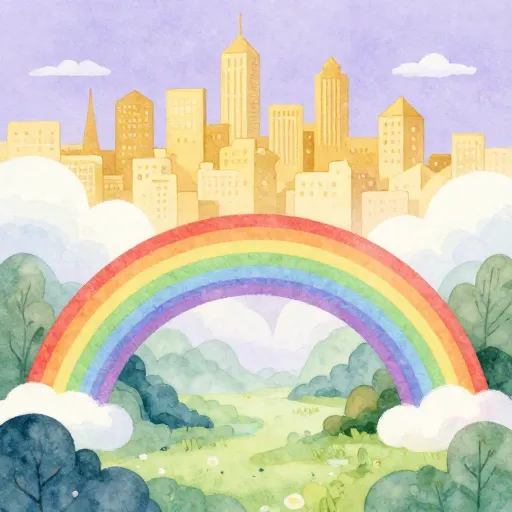
Imagine the Bifröst: a shimmering bridge made of a burning rainbow that connects the world of humans to the home of the gods. It is guarded by Heimdall, a god who can hear the grass growing and see for a hundred miles in the dark.
At the center of this universe stood Yggdrasil, the World Tree. This was not an ordinary tree you would find in a park, but a massive ash tree that held the Nine Worlds in its branches and roots.
Everything was connected by this tree: from the highest leaves where the gods lived to the deepest roots where the dragons gnawed at the wood.
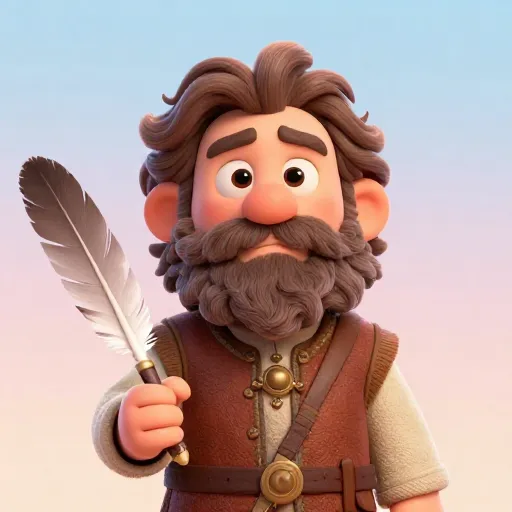
Finn says:
"If Yggdrasil is a tree that holds up the whole universe, what kind of soil are its roots planted in? Is there something even bigger underneath?"
The Nine Worlds were very different from one another. In the middle was Midgard, the world of humans, which was surrounded by a giant ocean and a massive serpent that bit its own tail.
Above Midgard was Asgard, a shining fortress where the high gods, known as the Aesir, spent their days training for battle and feasting in great halls.
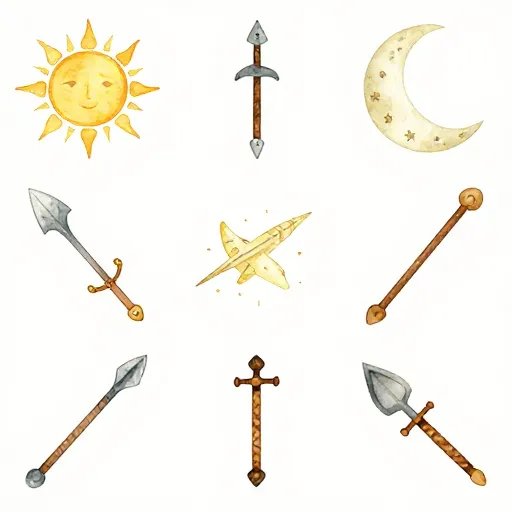
Most of our days of the week are named after Norse gods! Tuesday is Tiw’s day (god of war), Wednesday is Woden’s day (Odin), Thursday is Thor’s day, and Friday is Frigg’s day (the queen of the gods).
The Norse gods were not like the perfect, all-powerful beings you might find in some other religions. They were more like characters in a complicated family drama: they got angry, they made mistakes, and they even grew old.
To stay young, they had to eat special golden apples cared for by the goddess Idunn. Without these apples, even the strongest gods would grow wrinkled and weak, just like humans.
The Aesir went to their judgment seats and held a council, and remembered how the dwarves had quickened in the mould of the earth.
Leading the gods was Odin, the All-Father, who was obsessed with wisdom. He was so desperate to understand the secrets of the universe that he traded one of his eyes to drink from a magical well of knowledge.
Odin was often seen wandering Midgard wearing a long blue cloak and a wide-brimmed hat, accompanied by two ravens named Thought and Memory who flew across the world each day to bring him news.
The Vikings believed that we are all connected to 'Wyrd,' the web of fate. Take several different colors of string or yarn and braid them together. As you work, think about how different events in your life: like meeting a new friend or moving to a new house: are like different threads being woven into the pattern of who you are.
Then there were the Vanir, a second group of gods who were more concerned with nature, fertility, and seeing into the future. After a long war with the Aesir, the two groups decided to live in peace and even swapped some of their members to ensure they stayed friends.
This shows us that even for the gods, life was about balance. You needed the strength and law of the Aesir, but you also needed the wild, growing magic of the Vanir.
Mira says:
"I like how the gods aren't perfect. It makes them feel more like real people who are just trying their best, even if they have magic hammers."
One of the most important ideas in Norse mythology is Fate. The Vikings believed that at the foot of the World Tree sat three powerful women called the Norns, who spun the threads of every person's life.
They believed that even the gods had a thread that would eventually be cut. This gave the Norse people a very specific way of looking at the world: if your end is already decided, the only thing that matters is how bravely you live your life right now.
Some see Loki as purely evil because his tricks eventually cause the death of the beloved god Balder and lead to the destruction of the world.
Others argue that Loki is necessary. Without his chaos, the gods would never get their greatest treasures, like Thor's hammer. He forces the world to change and grow.
This belief in a set ending led to the story of Ragnarök, the final battle where the world as we know it would be destroyed. It was a terrifying vision of fire, floods, and the death of the great gods like Odin and Thor.
However, for the Norse, this wasn't just a sad ending. They believed that after the destruction, a new, green world would rise from the sea, and a new generation of gods and humans would start the story all over again.
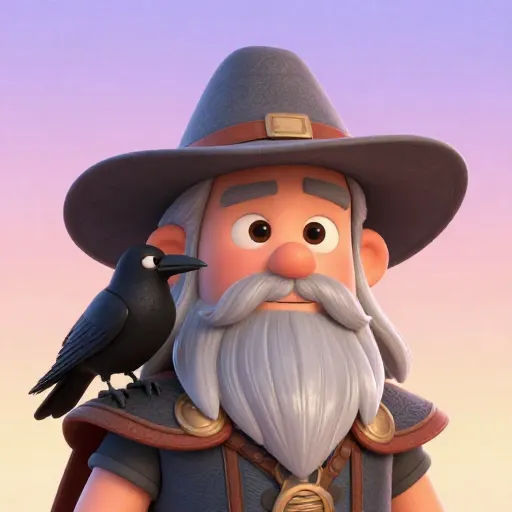
The man who stands at a strange threshold should be cautious before he cross it.
Writing was also seen as a form of magic. The Norse used an alphabet called Runes, which were sharp, angular letters carved into stone, wood, or bone.
Odin was said to have hung from the World Tree for nine nights to learn the secrets of these runes. To the Vikings, words were not just ways to communicate: they were tools that could protect a shield or heal a wound if used correctly.
The Vikings didn't have books. They were an oral culture, meaning they memorized thousands of lines of poetry. A poet, called a 'skald,' was just as important as a warrior because he was the one who kept the community's history alive.
The stories of these gods and giants were passed down by mouth for hundreds of years. They were called Sagas, which were long tales of heroes and families that often mixed history with myth.
Eventually, these stories were written down in Iceland, which is why we still know so much about them today. Without those writers, the voices of the Vikings might have been lost to time entirely.
Through the Ages
Today, we still see the echoes of Norse mythology everywhere, even if we don't realize it. Every time you say the name of a day like "Thursday," you are actually saying "Thor's Day."
From the stories of J.R.R. Tolkien to the modern superhero movies, we are still fascinated by the idea of heroes who fight against impossible odds. The Norse myths remind us that even when things feel dark, there is beauty in the struggle.
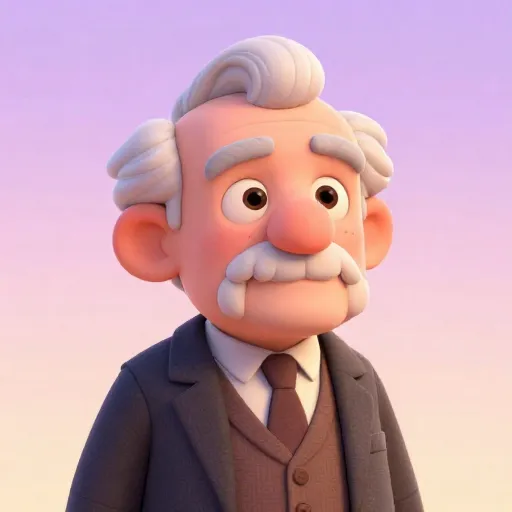
The shadow of the Norse myths has fallen over our language and our imagination.
Finn says:
"What if we are the 'new world' that came after the last Ragnarök? Maybe we are part of the next big story without even knowing it."
As you look up at the stars or walk through a forest, you might wonder if there are still hidden worlds we haven't found yet. The Norse didn't need to see Asgard to believe it was there: they felt its presence in the thunder and the changing seasons.
Something to Think About
If you knew exactly how your story was going to end, would that make your choices today feel more important or less important?
There isn't a right answer to this. Some people feel that knowing the end makes every moment precious, while others feel that the mystery is what makes life exciting. What do you think?
Questions About Religion
Did the Vikings really believe these gods were walking among them?
Is Loki related to Thor like he is in the movies?
The Infinite Ash Tree
The stories of the North have traveled a long way from the cold longhouses of Scandinavia. They have survived for over a thousand years because they speak to something deep inside us: the feeling that the world is a giant, mysterious puzzle. Whether we are looking at a rainbow and thinking of the Bifröst, or facing a challenge with the courage of a Viking, we are still walking among the branches of Yggdrasil. The tree is still growing, and your story is one of its newest leaves.