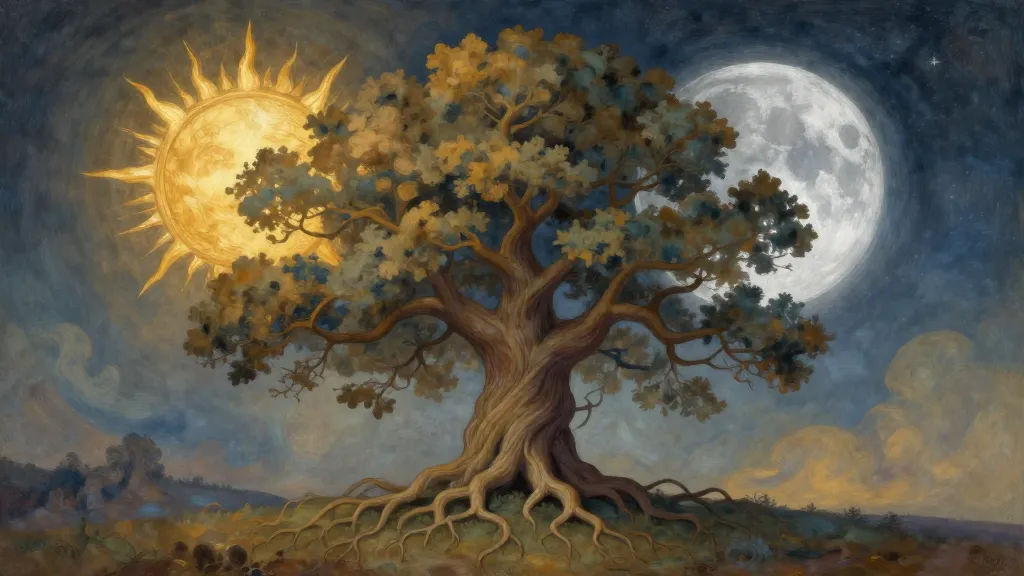
Have you ever walked through a forest and felt like the trees were watching you, or looked at a thunderstorm and felt a strange sense of power?
For thousands of years, people across the world practiced Paganism, a way of living that sees the earth itself as holy. These nature-based traditions often involve polytheism, which is the belief in many different gods and goddesses who look after the world.
Imagine you are standing in a field in Europe two thousand years ago. You don't go to a big stone building to pray, instead, you might find a grove of oak trees or a bubbling spring.
To you, the world is not just a collection of rocks and water. It is a living, breathing place filled with spirits, and every season tells a different story about the earth's life.
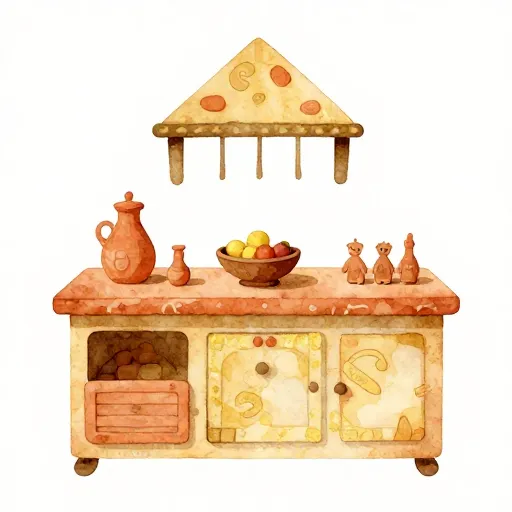
Imagine a Roman family two thousand years ago. In the corner of their kitchen is a small shelf with little statues called Lares. These are the spirits of their ancestors and the protectors of their home. Every morning, the family leaves a tiny bit of their breakfast on the shelf to keep the spirits happy and the house safe.
The word Pagan actually comes from a Latin word, paganus, which meant someone who lived in the countryside. When large cities started changing their religions, the people living in small villages kept their old traditions for much longer.
They stayed connected to the soil, the rain, and the stars. Because their lives depended on the harvest, their religion was deeply tied to the cycles of the year.

Finn says:
"If the word 'Pagan' just meant people from the country, does that mean my grandparents are Pagans because they live on a farm?"
The World is Alive
One of the biggest ideas in Paganism is called animism. This is the belief that everything in nature: trees, rivers, mountains, and even certain stones: has a spirit or a soul.
If you believe the river is alive, you might treat it with more respect. You might leave a small gift of flowers or bread by the water to say thank you for the fish it provides.
The universe is a single living creature which encompasses all of the living creatures within it.
In many ancient Pagan cultures, like those of the Greeks or the Norse, there wasn't just one god who did everything. Instead, there were many different deities who had their own personalities, jobs, and families.
There might be a goddess of the hearth who looks after the home, and a god of the sea who rules the waves. This helped people explain why the world was so diverse and sometimes full of conflict.
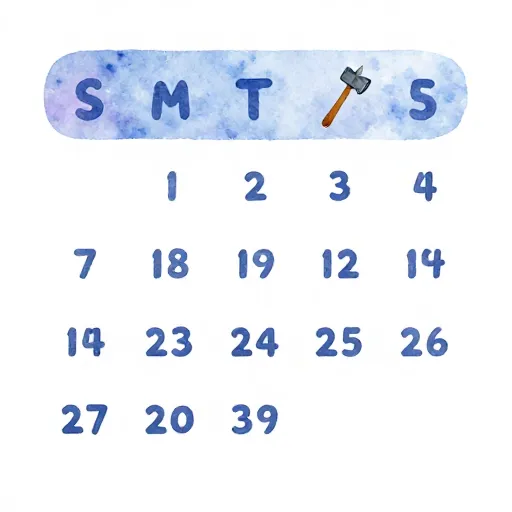
Even if you aren't Pagan, you probably use Pagan names every single day. Most days of the week are named after Pagan gods: Tuesday is Tiw's Day, Wednesday is Woden's Day, Thursday is Thor's Day, and Friday is Frigg's Day. Our calendar is a map of ancient myths!
The Wheel of the Year
Ancient Pagans didn't see time as a straight line with a beginning and an end. Instead, they saw it as a Wheel of the Year that keeps turning forever and ever.
Every year, the sun grows strong in the summer and weak in the winter. Pagans celebrated these changes with big festivals that marked the solstice and the equinox.

Mira says:
"I like the idea of the Wheel of the Year. It's like how we celebrate birthdays: it's a cycle that keeps coming back, but every time it feels a little bit different."
Winter was a time for storytelling and resting, while spring was a time for planting and new life. These festivals weren't just for fun: they were a way for humans to stay in sync with the planet's rhythm.
If the sun was disappearing in the middle of winter, people would light massive bonfires. They believed their fire helped encourage the sun to return and bring back the warmth.
Believing in one god can make the world feel very organized and unified, with one set of rules for everyone to follow.
Believing in many gods can make the world feel diverse and colorful, showing that different forces like love and war are all important.
Myth and Meaning
You might have read stories about Thor, the Norse god of thunder, or Athena, the Greek goddess of wisdom. These are myths, which are symbolic stories used to explain big mysteries about how the world works.
For a Pagan person, these stories weren't necessarily "true" like a science textbook. Instead, they were "true" like a poem is true: they helped people feel something deep about bravery, nature, or love.
These things never happened, but they are always.
Some myths explained why we have seasons, like the Greek story of Persephone going to the underworld. Other myths explained how the world was made, often involving giant trees or cosmic eggs.
These stories gave people a way to talk about the scary and beautiful parts of being alive. They made the universe feel less like a cold, empty space and more like a crowded house full of interesting neighbors.
Go outside and find one thing in nature that looks completely ordinary, like a pebble or a leaf. Spend one minute looking at it very closely. If you were a Pagan who believed this object had its own spirit, how would you treat it differently? Would you give it a name?
How Ideas Traveled
As time went on, new religions like Christianity spread across Europe and the Middle East. Many of the old Pagan ways were forgotten, or they were tucked away into local folk traditions and fairy tales.
However, Paganism didn't really disappear: it just changed its shape. Many of the things we do today, like decorating trees or hunting for eggs in the spring, started as Pagan customs long ago.
Paganism Through the Ages
Modern Paganism Today
In the last hundred years, many people have started practicing what we call Neopaganism, which means "New Paganism." They look back at the old traditions of the Celts, Romans, or Egyptians to find meaning for today.
Modern Pagans often care deeply about the environment. Because they see the earth as sacred, they believe protecting the air and the oceans is a religious duty.
Mira says:
"It's interesting that modern Pagans use old stories to help solve new problems, like climate change. It's like they're recycling ancient wisdom."
Today, there are many different branches of Paganism, such as Wicca or Druidry. Each group has its own way of celebrating, but they all share a love for the natural world and its many mysteries.
Some people meet in groups called covens or groves, while others practice all by themselves in their own backyards. They might celebrate the full moon or keep a small altar with items they found on a nature walk.
The Earth is not a resource, it is a sacred relative.
Whether it is an ancient Roman offering wine to a fountain or a modern person planting a garden for the bees, the heart of Paganism remains the same. It is the idea that we are not separate from nature, but a part of it.
It is an invitation to look at the world with wonder. It suggests that there is magic in the ordinary, and that the earth is a gift we must look after together.
The word 'Easter' actually comes from the name of an ancient Germanic goddess of the spring named Eostre. People have been celebrating the return of flowers and life at that time of year for much longer than we have had the modern holiday!
Something to Think About
If you could pick one thing in nature to be a 'guardian' for, what would it be?
There is no right answer here. Think about what part of the world makes you feel the most wonder, and how you might show that place respect.
Questions About Religion
Is Paganism the same as magic?
Do Pagans still exist today?
Is mythology the same as Paganism?
A World of Wonder
Next time you see the moon change shape or notice the first green bud on a tree in spring, remember that people have been watching those same changes for thousands of years. Whether we call it religion, history, or just a love of nature, that feeling of wonder is something we all share.