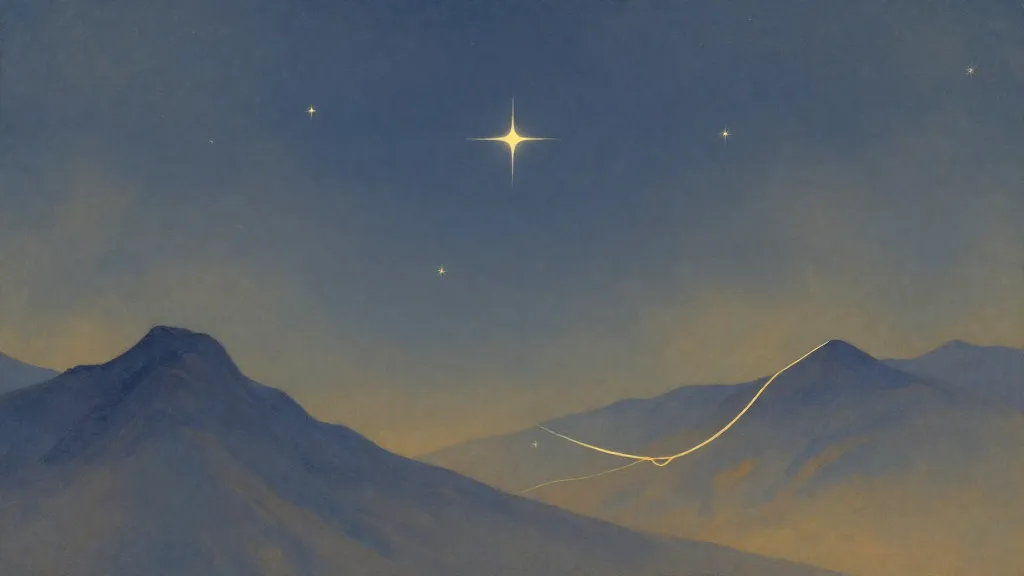
Have you ever closed your eyes and spoken to someone you couldn't see?
Throughout human history, people have used prayer as a way to reach out to the divine, the universe, or their own inner selves. It is a ancient ritual that combines words, silence, and contemplation to help us navigate the mysteries of being alive.
Imagine you are standing in a city made of sun-dried bricks, four thousand years ago. This is Sumer, one of the oldest civilizations in the world.
You look up and see a massive, stepped tower called a ziggurat. At the very top, the air smells of sweet cedar smoke and honey.
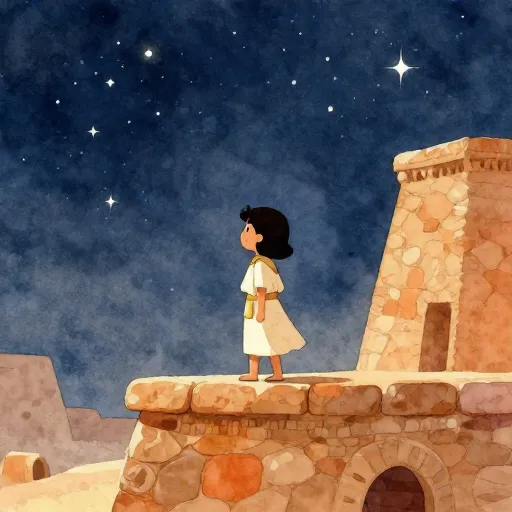
Imagine standing atop a Ziggurat in Ur. The city below is a grid of clay houses. You hold a small clay tablet with wedge-shaped writing. This is your letter to the moon god, Nanna. You place it on an altar and watch the smoke from the incense rise straight up into the still, night air.
In this ancient place, people did not just talk to each other. They spoke to the stars, the wind, and the spirits they believed lived in the rivers.
They believed that their words were like messengers. If they said the right things in the right way, those words could travel from the dusty earth all the way to the gods.

Finn says:
"If the ancient Sumerians were talking to the wind, did they think the wind was actually a person? What if the wind didn't answer back?"
As time passed, this act of speaking to the invisible began to change. In ancient Egypt, prayers were often written on the walls of tombs.
These were not just requests for help. They were poems of devotion and roadmaps for the soul.
The Different Ways We Pray
Prayer is not just one thing. It is more like a toolbox filled with different ways to connect.
Some people use prayer to ask for help, which is called petition. This is like saying, "I am afraid, please help me be brave."

The function of prayer is not to influence God, but rather to change the nature of the one who prays.
Other prayers are about saying thank you. This is known as a prayer of gratitude.
Instead of asking for something new, you are noticing the good things that already exist. It is a way of paying attention to the world.
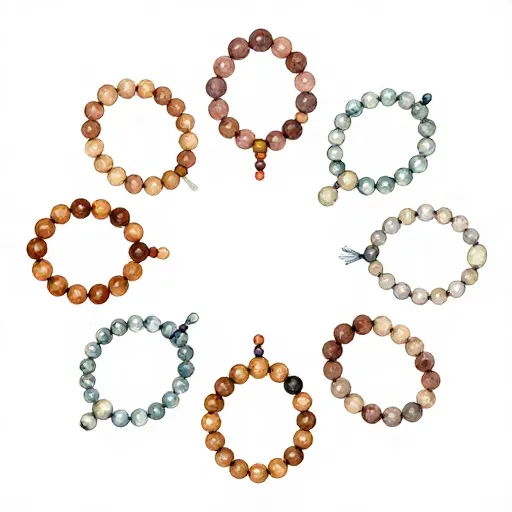
Prayer beads are found in many different religions! Catholics use Rosaries, Muslims use Misbaha, and Buddhists and Hindus use Mala. Even though the religions are different, the feeling of moving beads through your fingers to help you focus is a shared human experience.
Then there is the prayer of silence. In this version, you do not use any words at all.
You simply sit and wait. You are not trying to tell the universe something: you are trying to listen to what the universe might be telling you.

Mira says:
"Listening prayer reminds me of how it feels when you're in the woods and you stop walking. You finally hear the birds you didn't notice before."
Prayer and the Body
For many people, prayer is not just happening in their heads. It is something their whole body does.
You might see someone kneeling, bowing their head, or standing with their hands open toward the sky. These movements are called liturgy.
Try a 'Gratitude Walk.' As you walk, for every ten steps you take, think of one thing you are thankful for. It could be something big, like your family, or something small, like the way the sun feels on your neck. Notice how your mood changes as you go.
In some traditions, people use objects to help them focus. They might slide smooth beads through their fingers or spin a metal wheel filled with written prayers.
These physical things act as an anchor. They keep the mind from drifting away to thoughts about lunch or homework while the person is trying to be still.
This longing you express is the return-message. The grief you cry out from draws you toward union.
Through the Ages
How did we get from ancient smoke signals to the way people pray today? The journey of prayer follows the journey of human thought.
Through the Ages
In the Middle Ages, prayer was often a community event. Whole towns would gather in massive stone cathedrals to sing their prayers together.
The music was designed to make you feel small, but also part of something very grand. It was a shared experience of transcendence.
Mira says:
"I like the idea that a prayer can be a poem or a song. It's like turning your feelings into art so they can travel further."
The Big Question: Who is Listening?
This is where philosophy gets very interesting. When someone prays, where do the words go?
Some people believe there is a Creator who hears every whisper. They feel that prayer is a real conversation between two beings.
Prayer is like a telephone. There is someone on the other end listening, responding, and caring about what you say.
Prayer is like a diary. It is a way to organize your own thoughts and find peace inside yourself, regardless of whether anyone else is listening.
Other people think prayer is a way of talking to your own subconscious. By speaking your hopes out loud, you are helping your own brain understand what matters most to you.
In this view, the "answer" to a prayer doesn't come from the sky. It comes from the change that happens inside you because you took the time to be quiet and honest.
The Space Between
There is a difference between prayer and meditation, though they often look very similar. Meditation is often about clearing the mind or focusing on the breath.
Prayer usually involves a relationship. Even if you aren't sure who is on the other end, the act of praying suggests that you are not alone in the dark.
Prayer is our humble answer to the inconceivable surprise of living.
It is like a bridge built of words. We don't always know if the bridge reaches the other side, but we keep building it anyway.
That uncertainty is actually part of the beauty. If we knew exactly how it worked, it wouldn't be a mystery anymore.
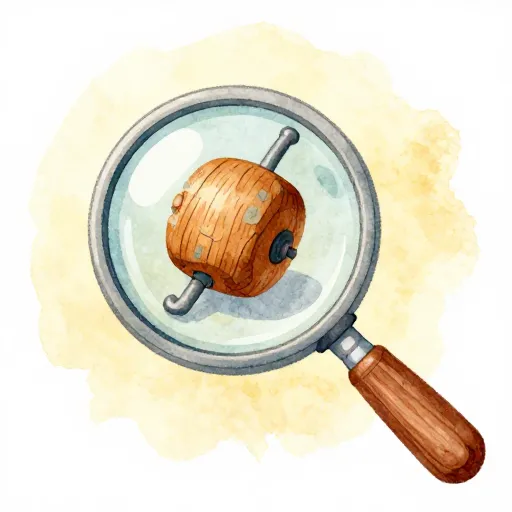
The word 'bead' actually comes from the Old English word 'bede,' which means 'prayer.' So when people were 'counting their beads,' they were literally counting their prayers!
Prayer allows us to sit with the things we cannot control. It gives us a place to put our biggest questions, even if we never get a neat and tidy answer.
Whether it is a whispered wish or a silent moment of wonder, prayer is a way of saying that the world is more than just what we can see and touch.
Something to Think About
If you were to pray without using any words, how would you do it?
There is no right way to answer this. Some people think of a color, some look at a tree, and some just listen to their own heartbeat. What feels like 'reaching out' to you?
Questions About Religion
Do you have to be religious to pray?
What is the difference between prayer and wishing?
Why do people pray out loud?
The Conversation Continues
Prayer is one of the oldest things humans do. It is a way of acknowledging that we don't have all the answers and that there is beauty in the mystery. Whether you use words, beads, or simple silence, you are participating in a tradition that stretches back to the very first campfires. Keep asking questions, and keep listening for the echoes.