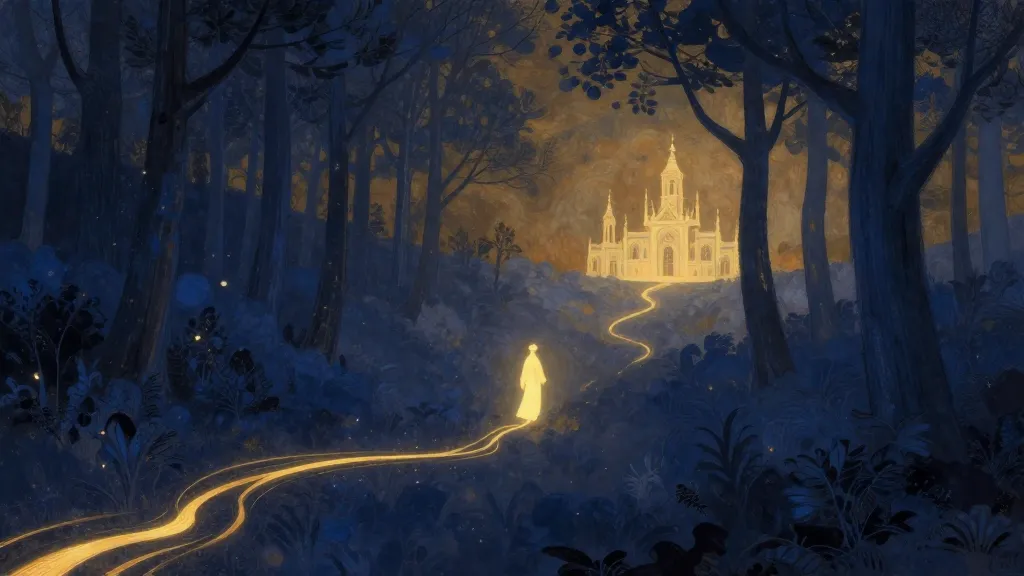
Have you ever had to choose between what you wanted to do and what you knew was right?
The Ramayana is one of the world's oldest and most loved stories, originating in ancient India. It is an Epic, a massive poem that tells the life of Prince Rama as he navigates family, magic, and the difficult weight of Dharma.
Imagine a world that smells of sandalwood and incense, where the forests are so deep they seem to hold their own secrets. This is the world of ancient India, thousands of years ago.
In a city called Ayodhya, a prince named Rama was born. He was not just any prince. Many people believe he was an Avatar, a physical form of the divine, sent to Earth to show humans how to live with grace and strength.
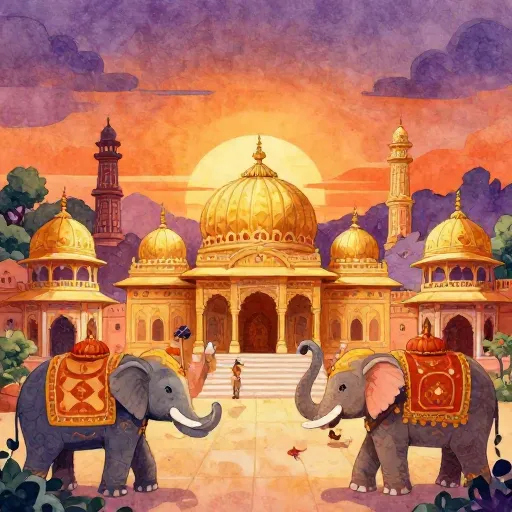
Imagine a palace with pillars made of gold and floors as smooth as mirrors. Outside, elephants decorated with painted patterns walk through streets filled with the sound of bells. This was Ayodhya, the 'Unconquerable City.'
Rama was the eldest son, loved by everyone in the kingdom. He was brave, kind, and always kept his word. But his story is not about how easy his life was. It is about what happens when everything goes wrong.

Finn says:
"If I were Rama, I think I would have stayed and argued! Why should he have to leave just because of a promise his dad made?"
The Poet and the First Verse
Before we follow Rama into the forest, we have to meet the man who first wrote his story down. His name was Valmiki. Thousands of years ago, Valmiki lived in a simple hut in the forest.
One day, he witnessed something that made him very sad. From that sadness, a rhythm came to him. He began to speak in a way no one had ever heard before. He had discovered poetry, or Sanskrit verse.
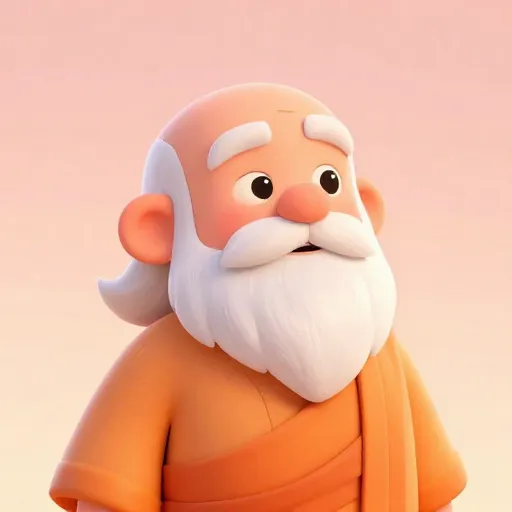
This rhythm that has come from me, born of my sorrow, shall be called poetry and nothing else.
Valmiki used this new, beautiful way of speaking to tell the story of Rama. He wrote about the glittering palaces of the city and the dark, tangled vines of the jungle. He showed us that even a thousands-of-years-old story starts with a human feeling.
The Ramayana is about 24,000 verses long. That is much longer than most books you read in school! For centuries, people didn't read it from a book, they memorized the whole thing and sang it out loud.
The Weight of a Promise
When Rama was just about to be crowned King, his life changed in a single afternoon. His father, King Dasharatha, had made a promise many years earlier to his wife, Queen Kaikeyi.
Because of a complicated family drama, the Queen asked for two things: that her own son become King, and that Rama be sent into Exile for fourteen years. This meant Rama had to live in the wild forest, away from his home and his crown.
Rama should stay. He is the rightful heir, and the Queen's request is unfair and based on jealousy. He could do more good for the people as their King.
Rama must go. If a King doesn't keep his word, how can the people trust the law? By leaving, he shows that honor is more important than power.
Most people would have fought back or argued. But Rama believed in Dharma. This is a big word that means duty, righteousness, and the "right way" to live. For Rama, keeping his father's word was his highest duty.
His wife, Sita, and his brother, Lakshmana, refused to let him go alone. They chose to leave their soft beds and silk robes to walk the dusty paths of the forest by his side.
The Shadow of the Ten-Headed King
While they were living in the forest, something terrifying happened. The ruler of the island of Lanka, a powerful being named Ravana, kidnapped Sita.
Ravana was not a simple villain. He was a brilliant scholar and a great musician. He is often pictured with ten heads, representing his massive intelligence and his mastery over many types of knowledge.

Mira says:
"Ravana’s ten heads make me think of how many different thoughts I have at once. Sometimes I’m smart, sometimes I’m jealous, and sometimes I’m just confused!"
Ravana was a king who had everything, but he let his pride and his desires control him. He thought he was more important than the rules of the universe. This choice set the stage for a massive battle between his army and Rama's friends.
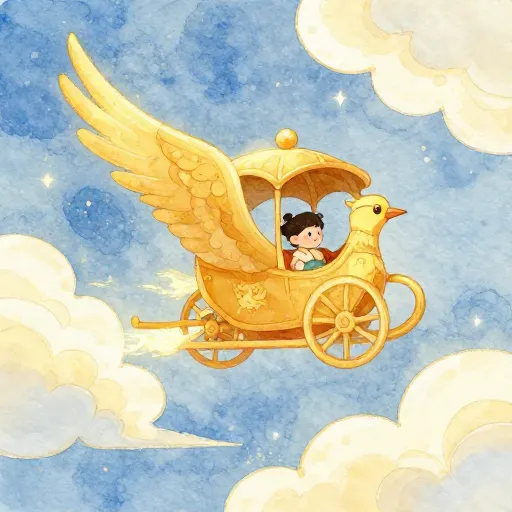
Picture a flying chariot called the Pushpaka Vimana. It was said to look like a bright cloud, moving through the sky at the speed of thought. Ravana used this incredible machine to travel across the world.
The World's Most Loyal Friend
Rama did not have an army of knights or tanks. Instead, he found help in the forest from a kingdom of Vanaras, often described as powerful forest-dwellers or monkeys.
Their leader was a hero named Hanuman. Hanuman is one of the most beloved figures in history because he represents pure loyalty. He could grow as large as a mountain or as small as a thumb. He could fly across the ocean in a single leap.
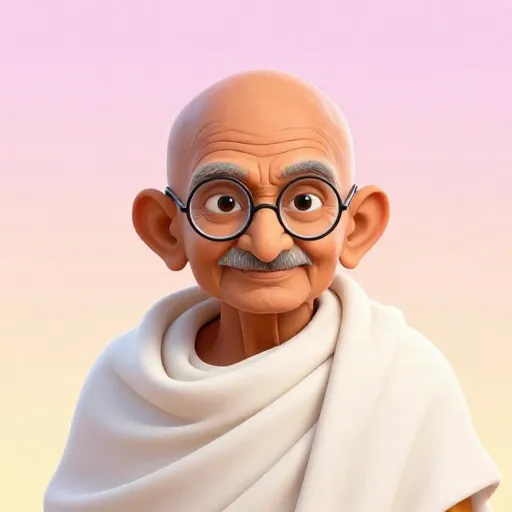
The name of Rama is my shield and my strength. It is a name that brings peace to the heart.
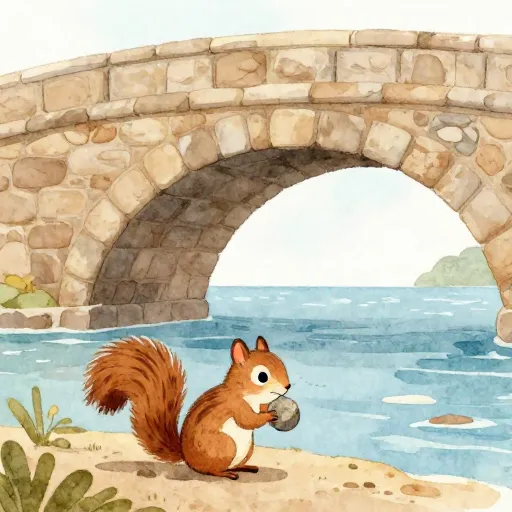
With Hanuman's help, Rama and the forest army built a bridge of stones across the sea to reach Lanka. Even the smallest creatures helped. There is a story that a tiny squirrel carried pebbles to the bridge, and Rama blessed it by stroking its back, which is why squirrels have stripes today.
In some versions of the story, Hanuman finds Sita in a garden and, to prove he is a friend, he shows her Rama’s ring. When he leaves, he accidentally sets part of the city on fire with his tail!
The Battle of Choices
The final part of the story is a giant battle. It is not just a fight with swords and bows, but a battle of ideas. On one side was Ravana, who believed that might makes right. On the other was Rama, who believed in the slow, difficult path of Ethics.
Eventually, Rama defeated Ravana. But even in victory, there was a sense of sadness. Rama recognized that Ravana had been a great soul who lost his way. The story teaches us that we all have a bit of Rama and a bit of Ravana inside us.
Finn says:
"I like that the squirrel helped. It shows that you don't have to be a giant superhero like Hanuman to make a difference in a big story."
The Ramayana is not just a story; it is a way of thinking about the world that has thousands of versions.
The Journey of a Thousand Years
The Return and the Light
When the fourteen years of exile were over, Rama, Sita, and Lakshmana returned to Ayodhya. The people were so happy to see them that they lit thousands of clay lamps called diyas to light their path.
This is why millions of people celebrate Diwali, the festival of lights, every year. It is a reminder that even when things are dark and unfair, the light of doing the right thing can eventually lead us home.
Something to Think About
If you had to leave your home for a long time, what one quality would you want to take with you: courage, loyalty, or wisdom?
There isn't a single right answer. Each character in the Ramayana uses a different strength to get through their journey. Think about which one feels most like you.
Questions About Religion
Did the Ramayana really happen?
Why does Ravana have ten heads?
Is the Ramayana only for Hindus?
The Story That Never Ends
The Ramayana is called an 'Itihasa,' which means 'so it truly happened.' But its real truth isn't just in the past. It's in the way people today still look to Rama for courage and to Hanuman for friendship. As long as people wonder about right and wrong, this story will keep being told.