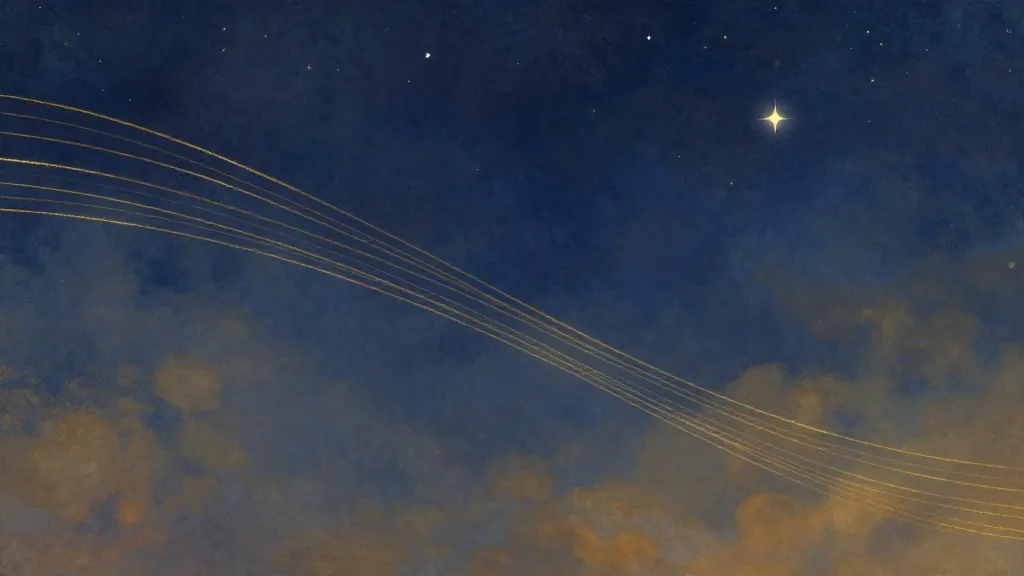
If you were a Viking standing on a cold, windswept field a thousand years ago, you might have looked at the flickering Northern Lights and seen more than just glowing gas.
To the people of Scandinavia during the Viking Age, those lights were the shimmering armor of the Valkyries. These powerful figures were the 'Choosers of the Slain,' tasked by the god Odin to find the bravest souls and guide them to a legendary afterlife.
Imagine a world where the weather, the stars, and even the outcome of a struggle were controlled by unseen hands. This was the world of the Norse people living in modern-day Norway, Sweden, and Denmark between the years 750 and 1100. For them, the Valkyries were not just stories: they were a bridge between our world and the divine.
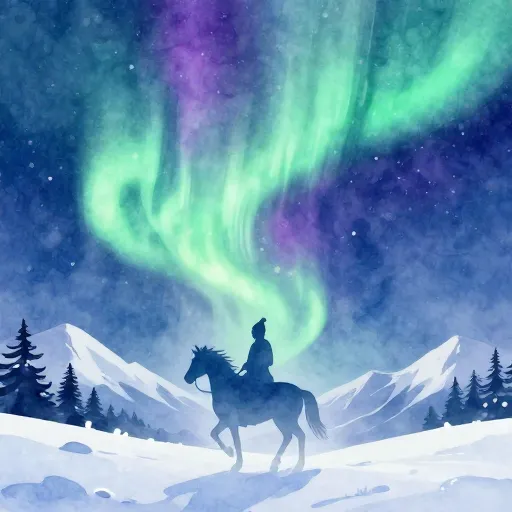
Imagine you are standing on a snowy mountain top at midnight. The air is so cold your breath turns to mist. Suddenly, the sky turns neon green and purple. Instead of just lights, you see the silhouettes of powerful women on massive, eight-legged horses, their shields reflecting the stars as they gallop through the clouds.
The word Valkyrie comes from the Old Norse word valkyrja. It literally translates to 'chooser of the slain.' This name tells us exactly what their primary job was. They didn't just watch battles: they decided who lived, who died, and who was worthy of a place in the halls of the gods.
The Golden Hall and the Great Choice
In Norse mythology, the afterlife was not the same for everyone. While many people went to a quiet place called Hel, those who showed incredible courage were destined for something different. Half of these brave souls were chosen by the goddess Freyja to stay in her field, Folkvangr. The other half were hand-picked by the Valkyries to go to Valhalla.
Mira says:
"If the Valkyries only picked people who died in battle, what happened to the people who were brave in other ways? Like the ones who stayed home to keep everyone fed or the ones who told the stories?"
Valhalla was described as a massive hall in Asgard, the home of the gods. It had a ceiling made of golden shields and rafters made of spears. Inside, the fallen warriors, known as the Einherjar, practiced their skills every day. They were preparing for Ragnarok, a Great Battle that the Norse believed would eventually end the world.
These are called Valkyries: them Odin sends to every battle; they determine men's feyness and award victory.
More Than Just Warriors
When we think of Valkyries today, we often imagine women in shining armor riding flying horses. While this is part of the story, the ancient Norse saw them in many different ways. Sometimes they were described as shield-maidens, human women who fought with such bravery that they became legendary figures.
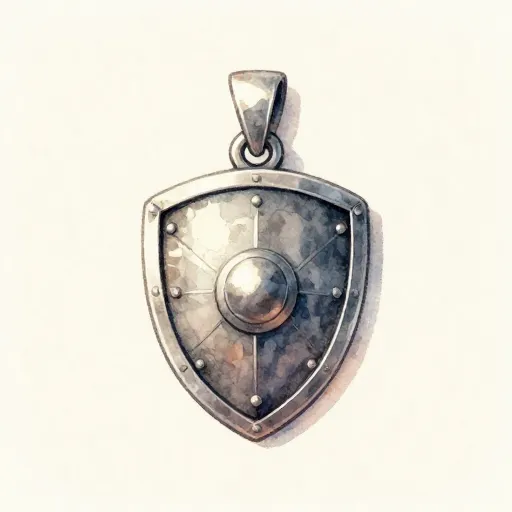
In some Viking graves, archaeologists have found small silver charms that look like women holding shields and spears. These are called 'Valkyrie amulets.' People wore them for protection, hoping the Valkyries would look favorably upon them and give them courage in their daily lives.
Other stories describe Valkyries as supernatural beings who could transform into birds. These 'swan-maidens' were said to wear cloaks made of feathers. If a human ever managed to steal a Valkyrie’s feather cloak while she was bathing in a lake, she would be trapped in her human form until she got it back.
Finn says:
"I wonder if the Valkyries ever disagreed about who to pick. Imagine two Valkyries arguing over which warrior was actually the bravest while the battle was still happening!"
Valkyries were also closely linked to the Norns, the three powerful beings who sat at the roots of the World Tree, Yggdrasil. The Norns wove the 'web of fate' for every living thing. By choosing who won a battle, the Valkyries were essentially helping to weave that giant, invisible tapestry of history.
The Names of Power
Names were very important in Viking culture. Each Valkyrie had a name that described her personality or her role in the world. These names weren't just labels: they were like titles that showed what kind of energy the Valkyrie brought to a situation. Here are a few examples of their names translated from Old Norse:
- Hildr: This name simply means 'Battle.'
- Sigrdrifa: This means 'Driver to Victory.'
- Gunnr: This means 'War' or 'Battle-shout.'
- Hrist: This means 'The Shaker' or 'The Quaker.'
- Skögul: This means 'High-towering.'
Some people saw Valkyries as guardian spirits who watched over their favorite warriors, keeping them safe until it was their time to go to Asgard.
Others saw them as frightening agents of death who worked for Odin to 'collect' the best fighters, sometimes even causing battles just to find new heroes.
These names remind us that the Valkyries represented the intensity of a struggle. They weren't always peaceful or gentle figures. They were the personification of the storm, the noise, and the high-stakes decisions that people have to make when things get difficult.
The Valkyries are not just waitresses in Valhalla: they are powerful figures of fate who connect the human world to the divine.
The History of the Stories
How do we know so much about what people believed a thousand years ago? Most of the stories about Valkyries were passed down through songs and poems called Sagas. For a long time, nothing was written down. People sat around fires during long, dark winters and told these tales to keep their history alive.
Eventually, in the 1200s, a writer in Iceland named Snorri Sturluson decided to collect these stories into a book called the Prose Edda. Snorri was worried that as people changed their religions, the old stories would be forgotten. Because of his work, we still know the names of the Valkyries and the layout of Valhalla today.
Valkyries Through the Ages
As the centuries passed, the image of the Valkyrie changed. During the Viking Age, they might have been seen as slightly terrifying figures of fate. By the 1800s, artists and composers began to see them as romantic, heroic figures. They became symbols of national pride and feminine strength.
If you were a Valkyrie and you had to choose three people from history (or your own life) to join a 'Hall of the Brave,' who would they be? Remember: it's not just about who won. Think about who showed the most heart when things were difficult. Write their names down and why you chose them.
Why the Valkyries Still Matter
Today, you can find Valkyries everywhere. They appear in comic books as superheroes, in video games as powerful bosses, and in movies as protectors of the innocent. But the 'Big Idea' behind the Valkyrie hasn't changed much in a thousand years. It is an idea about recognition.
Mira says:
"It's interesting that the Valkyries were the ones who decided who got into Valhalla, not Odin. It's like Odin was the boss, but he trusted them to make the most important decisions."
The Valkyries represent the hope that someone is watching when we are at our best. They symbolize the idea that even if we are struggling, our courage and our effort are being 'seen' by something greater than ourselves. They remind us that being brave isn't just about winning: it is about how we handle the hardest moments of our lives.
I saw them ride, the daughters of the war-father, through the air and over the sea, their armor flashing like the sun.
In the ancient myths, the Valkyries didn't choose the person who was the strongest or the person who won the most fights. They chose the person who had the best spirit. They were looking for qualities like loyalty, perseverance, and the willingness to stand up for others, even when it was scary.
The famous German composer Richard Wagner wrote a piece of music called 'The Ride of the Valkyries' in the 1850s. Even if you don't know the name, you've probably heard the tune in cartoons or movies! It is fast, loud, and sounds exactly like horses galloping through the sky.
As you think about these 'Choosers of the Slain,' you might wonder about the choices we make every day. We might not be Vikings on a battlefield, but we all face moments where we have to choose between being quiet and speaking up, or between giving up and trying one more time.
Something to Think About
If bravery isn't just about fighting, what does a 'modern-day Valkyrie' look for?
There isn't a right answer to this because the idea of courage changes as the world changes. You might think bravery looks like kindness, or maybe it looks like being the first person to try something new. What do you think counts as being 'worthy' of a place among the heroes?
Questions About Religion
Are Valkyries the same thing as angels?
Could men be Valkyries?
Do Valkyries have wings?
The Echo of the Ride
The next time you see a streak of light in the night sky or feel a sudden burst of courage when things get tough, think of the Valkyries. They remind us that our choices matter and that there is something incredibly special about a person who refuses to give up. Whether they are weaving fate at the roots of a tree or riding through the clouds, their story is really a story about the best parts of being human.