Seasonal Last updated: January 26, 2026

The Essential 20: Best Back-to-School Books for Kids

Only the classics that spark joy and courage.

We don't do 'good enough.' Kidopoly presents the absolute, non-negotiable core of back-to-school literature. These 20 selections are time-tested, generationally beloved, and possess that rare, transportive magic that transforms first-day jitters into an adventure. Buy these. Read these. They belong on *your* shelf.

The List

1
The Kissing Hand cover

The Kissing Hand

by Audrey Penn
1993 32 pages Ages 3-7

This book is the gold standard for easing separation anxiety. The ritual of the 'Kissing Hand' is an undeniably powerful, tangible way to pass parental love into a child's pocket for tough moments. It has become a fixture in kindergarten classrooms for a reason—it works, not just once, but every time a new challenge arises. It's an instant heirloom of comfort.

Read if: your child has any hint of first-day-of-school anxiety or needs a tangible comfort object.
2
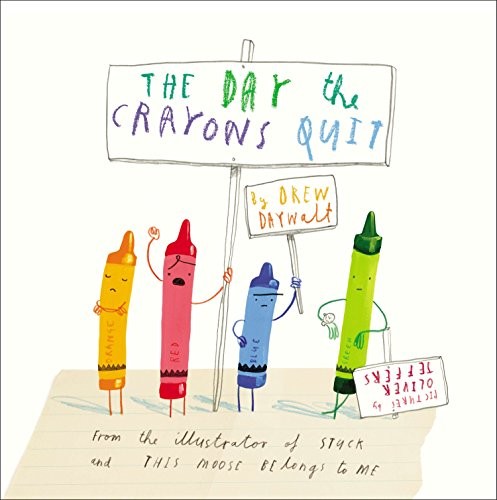
The Day the Crayons Quit cover

The Day the Crayons Quit

by Drew Daywalt
2013 30 pages Ages 4-8

It’s a masterpiece in teaching empathy and recognizing others' perspectives—essential for playground politics. The distinct voices of the complaining crayons—Pink wanting to be a 'true' color, Beige being underused—are hilarious and relatable. It sparks immediate re-reads and turns a simple box of supplies into a cast of characters, making them excited to use them again.

Read if: your child is starting to navigate friendships, fairness, or needs an imaginative jolt to appreciate their tools.
3
First Day Jitters cover

First Day Jitters

by Julie Danneberg
2000 32 pages Ages 4-8

The perfect slow-burn reveal. The story builds incredible tension around a character who is dreading the first day of school, only to land the universal punchline: the teacher felt the exact same way. It normalizes anxiety for both the student and the parent/teacher, showing that even the adults are humanizingly nervous. High re-read appeal for building pre-school confidence.

Read if: your child is highly sensitive or you need a book to read *to* them the night before the first day.
4
Madeline cover

Madeline

by Ludwig Bemelmans
1939 48 pages Ages 3-8

A true icon of sheer, unflappable bravery in the face of the mundane (an appendectomy!) and the extraordinary. Madeline's defiant spirit and the charming, rhythmic verse make this essential reading for instilling a sense of adventurous independence. Adults remember the unique cadence and the vibrant Paris setting; kids adore her 'Pooh-pooh' attitude toward everything.

Read if: your child needs a literary role model for independent boldness and charm.
5
Harold and the Purple Crayon cover

Harold and the Purple Crayon

by Crockett Johnson
1955 64 pages Ages 4-8

This is the ultimate book about self-agency. Harold *creates* his world—the setting, the adventure, the solution—with one tool. It’s a powerful, non-verbal lesson that a new environment (like a new school) is just a blank page waiting for the child to draw their own path through it. Pure, timeless creativity.

Read if: your child is starting kindergarten and needs to believe they can author their own experience.
6
Charlotte's Web cover

Charlotte's Web

by E. B. White
1952 184 pages Ages 7-10

It is the quintessential story of friendship, sacrifice, and the circle of life, all wrapped in pitch-perfect prose. The themes of finding your voice (Charlotte's writing) and recognizing inherent value are profound. Every adult who loves literature remembers this—it's a necessary rite of passage for young readers stepping into chapter books.

Read if: your child is ready for their first emotionally deep, chapter-book experience about loyalty and legacy.
7
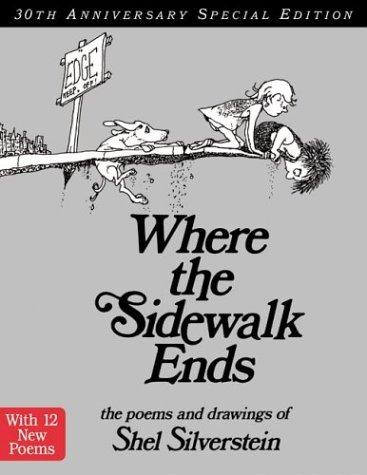
Where the Sidewalk Ends cover

Where the Sidewalk Ends

by Shel Silverstein
1974 176 pages Ages 6-12

This is the antidote to overly structured learning. Silverstein's poems celebrate nonsense, unconventional thinking, and the sheer joy of language. It’s a book you steal from your kid’s shelf years later, a constant reminder to value the space where rules end and imagination begins—perfect for celebrating creativity in the classroom.

Read if: your child resists traditional narratives or needs a gateway into poetry that feels like play.
8

The Little Prince

by Antoine de Saint-Exupéry
1943 96 pages Ages 8+

It’s philosophy disguised as a simple tale. Adults cherish the deep reflections on seeing with the heart, responsibility, and the absurdity of 'grown-up' concerns. It grows with the child, offering new meaning every time they revisit the Prince’s encounters with the vain, the drunkard, and the businessman. It sets a high bar for literary depth.

Read if: you plan to read deeply with your child and discuss concepts like 'what is essential' and 'taming'.
9
A Wrinkle in Time cover

A Wrinkle in Time

by Madeleine L'Engle
1962 216 pages Ages 10-14

The ultimate endorsement of the 'outsider' genius. Meg Murry fights the darkness not with a weapon, but with fierce, awkward love and the willingness to be different. It champions intelligence, science, and spirituality interwoven, offering a grand adventure that validates feeling like you don't quite fit in—a perfect message for new school years.

Read if: your child loves science fiction, strong female protagonists, and complex themes of conformity vs. individuality.
10
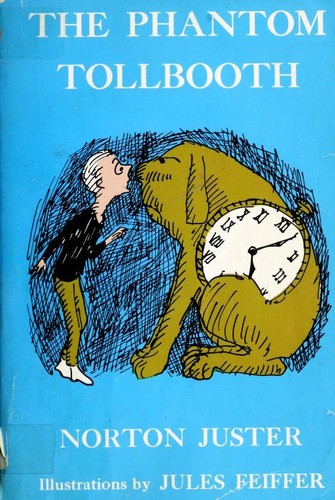
The Phantom Tollbooth cover

The Phantom Tollbooth

by Norton Juster
1961 255 pages Ages 8-12

This book is a direct cure for boredom and apathy—the hidden enemy of education. Milo is transported by a tollbooth for having 'nothing better to do,' only to discover the incredible value of words, logic, and effort. Its puns and literal interpretations of idioms are endlessly clever for adults and a fantastic vocabulary builder for kids.

Read if: your child claims to be 'bored' with everything, or they love wordplay and absurd logic.
11

Pippi Longstocking

by Astrid Lindgren
1945 174 pages Ages 7-11

Pippi is pure, rule-breaking joy and confidence. She refuses to conform to adult expectations of manners or grown-up behavior, celebrating her own limitless strength and unconventional life. She models how to stand up to silly authority figures, a necessary lesson before entering structured school environments. Adults cherish the anarchic spirit; kids love the freedom.

Read if: your child bristles at unnecessary rules or needs a hero who defines her own success.
12
Matilda cover

Matilda

by Roald Dahl
1988 240 pages Ages 7-11

This is the ultimate endorsement for loving books over television and for standing up to monstrous authority. Matilda proves that voracious reading leads to intellectual power that can literally move mountains. It’s a fantasy fulfillment for every child who has ever felt powerless against a ridiculous adult—and every parent knows the magic of a book-loving child.

Read if: your child is a bookworm who needs validation that reading is a superpower.
13
The Lion, the Witch and the Wardrobe cover

The Lion, the Witch and the Wardrobe

by C. S. Lewis
1950 172 pages Ages 8-12

It’s the definitive portal fantasy that introduced generations to the concept of stepping *through* the familiar into the epic. It champions bravery, loyalty, and the return of light after a long, oppressive 'winter' (perfect metaphor for a summer break ending). It’s one of the most widely held library books globally for a reason: it’s epic.

Read if: your child is ready to commit to a longer series with massive world-building and clear moral stakes.
14
The Secret Garden cover

The Secret Garden

by Frances Hodgson Burnett
1911 375 pages Ages 9-13

This is literature on self-healing through connection and nature. Mary Lennox transforms from a disagreeable orphan into a vibrant child by tending to a neglected space, mirroring her own internal growth. It powerfully shows that a fresh start and hard work can bring beauty where there was only dormancy—a deep metaphor for returning to school renewed.

Read if: your child responds to stories of transformation, nature, and quiet character development.
15

The Bad-Tempered Ladybird

by Eric Carle
1977 32 pages Ages 3-7

Carle’s iconic collage style is timeless. This book humorously demonstrates escalating social conflict and the futility of aggression, ending with a lesson in humility and the importance of friendship over winning a fight. It’s a gentle but firm lesson on handling playground conflicts that kids ask to hear repeatedly.

Read if: your child is beginning social interactions and needs to learn about managing anger and recognizing peers.
16
The Gruffalo cover

The Gruffalo

by Julia Donaldson
1999 32 pages Ages 3-7

A modern classic with flawless rhyming structure and a plot built on pure wit. The little mouse outsmarts every predator, culminating in outsmarting the terrifying Gruffalo itself by sheer cleverness. It's a thrilling, empowering narrative that teaches kids to use their brains, not their size, to navigate scary new situations like a big school.

Read if: your child loves rhythm, rhyme, and stories where the smallest character wins through intelligence.
17
Corduroy cover

Corduroy

by Don Freeman
1968 32 pages Ages 3-7

This book embodies the deep, unconditional love of finding your *person*. Corduroy’s quest for a missing button mirrors a child’s deep desire to be chosen and kept safe. It’s a quiet, heartfelt story about belonging, making it the perfect predecessor to the 'I belong here' feeling on the first day of school.

Read if: your child needs reassurance about finding their place and forming deep, lasting bonds.
18
The Hundred Dresses cover

The Hundred Dresses

by Eleanor Estes
1944 80 pages Ages 9-13

A devastatingly brilliant, time-tested look at bullying, conformity, and regret. It forces readers to confront how silence enables cruelty. It's a story that *must* be discussed, leading to profound re-reads as children age and better understand its social commentary. Essential for teaching integrity when no one is looking.

Read if: your child is entering middle school social dynamics and needs a powerful lesson on standing up for the marginalized.
19
If You Give a Mouse a Cookie cover

If You Give a Mouse a Cookie

by Laura Numeroff
1985 32 pages Ages 3-6

This book is pure, delightful narrative momentum—the literary equivalent of a runaway train of cause-and-effect. Its cyclical structure makes it instantly memorable and highly re-readable. It humorously illustrates that every action has a consequence, a simple yet profound concept for young minds starting new routines.

Read if: your child loves chain-reaction humor and needs a fun way to understand sequencing.
20
The Trumpet of the Swan cover

The Trumpet of the Swan

by E. B. White
1973 220 pages Ages 8-12

It is a quiet epic about overcoming a physical limitation (muteness) through dedication, artistry, and the kindness of strangers (and a friendly boy). Louis the swan's journey to earn his place through music is incredibly moving and shows that true worth comes from passionate effort, not natural ability. A profound story of finding your unique voice.

Read if: your child loves nature, music, or is dealing with a perceived personal hurdle.

Honorable Mentions

The Witch of Blackbird Pond
The Witch of Blackbird Pond 1958
by Elizabeth George Speare

A Newbery winner about navigating rigid social expectations and finding friendship in an unlikely place (1660s Connecticut).

Island of the Blue Dolphins
Island of the Blue Dolphins 1960
by Scott O'Dell

Survival story of resilience and profound solitude, perfect for discussing self-reliance when starting a new chapter alone.

Iggy Peck, Architect
Iggy Peck, Architect 2013
by Andrea Beaty

Celebrates stubborn creativity and the drive to build, even when told 'no,' a fantastic primer for new classroom projects.

The Little Bear's Visit 1961
by Else Holmelund Minarik

Simple, comforting story of a young bear visiting his grandmother, ideal for easing anxieties about navigating new routines and relatives.

What Do You Do With the Big Bad News? 2019
by Mo Willems

A recent entry that handles disappointment with Willems' signature blend of humor and simple, empathetic text.

The Giving Tree
The Giving Tree 1964
by Shel Silverstein

A controversial but essential dialogue-starter on unconditional love, taking, and giving—a book adults often remember with complex feelings.

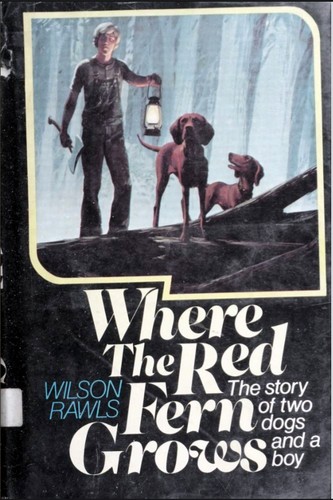
Where the Red Fern Grows
Where the Red Fern Grows 1961
by Wilson Rawls

A heartbreaking, unforgettable classic on commitment, love for animals, and earning what you value through hard work.

Alexander and the Terrible, Horrible, No Good, Very Bad Day
Alexander and the Terrible, Horrible, No Good, Very Bad Day 1972
by Judith Viorst

The definitive book for validating a child's worst days, proving that even the most frustrating experiences are survivable.

Frequently Asked Questions

Why are there so few contemporary books on this list?

Our philosophy demands time-tested status, which few books achieve in a decade. A book must prove it can survive trends and maintain generational appeal. While many new books are 'good,' they lack the staying power and cross-generational recognition of these foundational texts. If they aren't on this list, they haven't earned the title of 'essential' yet.

My child is too young/old for some of these age ranges. Can I still read them?

Absolutely. Our age ranges indicate the independent reading level or typical read-aloud time. For younger children, reading a classic like The Phantom Tollbooth aloud introduces advanced vocabulary and abstract thinking early. For older children, revisiting a picture book like The Kissing Hand reinforces core emotional truths with adult nuance.

What makes a book 're-read magnetism' material?

Re-read magnetism comes from layered text. A great book reveals something new on the tenth reading: a subtle joke for the parent, a deeper metaphor for the child, or a structural mastery (like in a poem or a perfect plot circle) that satisfies the brain's desire for pattern recognition. It's the difference between a story you listen to once and a world you return to live in.

How do these books specifically help with the 'First Day Ready' goal?

These books address the emotional core of the transition, not just the mechanics of school. They validate fear (First Day Jitters), teach social navigation (The Day the Crayons Quit), instill courage (Madeline), and promote self-agency (Harold). They prepare the heart and mind for new challenges, which is the true prerequisite for success.

Audience Debug
Link copied!