Best Of Last updated: January 26, 2026

The Canon: 25 Book Series Every Child Must Read

Quality Endures: Series Worth the Lifelong Investment.

At Kidopoly, we reject volume for virtue. This is not a list of popular books; this is the **essential** collection. These 25 series have proven their mettle, earning their place on the shelf through brilliant, unforgettable storytelling that crosses generations. Commit to these worlds; they will reward your child's re-reading for years to come.

The List

1
Harry Potter cover

Harry Potter

by J. K. Rowling
1997–2007 309 pages Ages 9-13+

The cultural monolith. It masterfully blends classic boarding school tropes with deep, mythic good-vs-evil conflict. The characters' growth from nervous first-years to hardened leaders is unparalleled in modern children's fiction. It handles complex themes like prejudice, love, and death with grace and narrative power, making it a genuine cornerstone read that adults rediscover with every rereading.

Read if: Your child is ready to leap into a vast, fully-realized secondary world with deep emotional resonance.
2
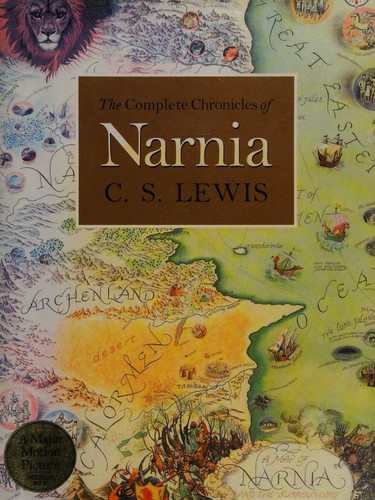
The Chronicles of Narnia cover

The Chronicles of Narnia

by C. S. Lewis
1950–1956 189 pages Ages 8-12

These books are pure, distilled magic passed down through generations. They explore profound themes—courage, sacrifice, faith—through simple, unforgettable adventure allegories. Every child intuitively understands the call to Narnia, and adults cherish the memory of their first trip through the wardrobe. The quality is timelessly high. (Note: Publication dates vary based on reading order selection.)

Read if: Your family values foundational fantasy and deep allegorical storytelling wrapped in accessible adventure.
3

The Lord of the Rings (Boxed Set/Juvenile Editions)

by J.R.R. Tolkien
1954-1955 1178 pages Ages 10+

While the full trilogy can be weighty, the core themes of small hands doing great deeds against overwhelming evil are essential. It sets the gold standard for world-building. Adults who grew up on it pass it down as a sacred text. Its influence is undeniable, meeting the 'classic' and 'bookshelf status' criteria instantly. We recommend age-appropriate editions or reading aloud.

Read if: Your child has the attention span for epic scope and is ready for rich, detailed prose that builds an entire world.
4
Percy Jackson & The Olympians cover

Percy Jackson & The Olympians

by Rick Riordan
2005–2009 377 pages Ages 8-12

This series redefined modern middle-grade adventure by seamlessly blending high-stakes questing with the relatable chaos of ADHD and dyslexia. It makes Greek mythology *cool* and relevant. The pacing is relentless, satisfying kids who devour books. It has already achieved cultural status with massive sales and successful adaptations.

Read if: Your child needs high-octane action and learns best when ancient myths collide with contemporary life.
5

The Chronicles of Prydain

by Lloyd Alexander
1964–1968 256 pages Ages 9-13

An absolute Newbery-winning masterpiece that parents often remember fondly. Taran's journey from humble pig-keeper to hero is one of literature’s finest coming-of-age arcs. It’s quieter than some modern fantasy but possesses a deeper, more resonant magic centered on duty and humility. Essential, though sometimes overshadowed by flashier epics. (The Book of Three won a Newbery Honor.)

Read if: Your reader appreciates character development and stories with deep moral grounding over pure spectacle.
6
Anne of Green Gables cover

Anne of Green Gables

by L.M. Montgomery
1908–1921 (original series) 384 pages Ages 10+

The ultimate story of found family, imagination, and finding your voice. Anne Shirley's spirited, melodramatic inner life captivates adults and children alike. This series is frequently a shared read between mothers/grandmothers and daughters/sons, fulfilling the cross-generational mandate perfectly. It has never left the 'must-read' lists. (Note: The core is often considered the first book, with the rest of the series offering consistent, high-quality character arcs.)

Read if: Your child loves rich character studies, beautiful language, and stories about friendship and belonging.
7
The Penderwicks cover

The Penderwicks

by Jeanne Birdsall
2007–2018 336 pages Ages 8-12

The modern heir to the *Little Women* tradition, these books capture childhood friendships and family dynamics with pitch-perfect dialogue and genuine affection. They are immediately beloved by both parents (who remember classics) and children for their charm and gentle humor. They are re-read magnets for their comforting, familiar atmosphere.

Read if: Your family enjoys stories of sisterhood, mild adventures, and exquisite, witty writing.
8
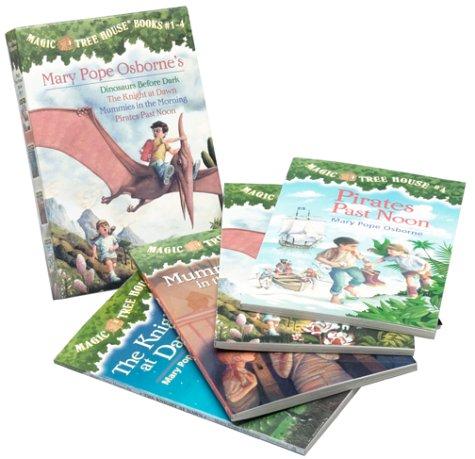
The Magic Tree House cover

The Magic Tree House

by Mary Pope Osborne
1992–Present 80 pages Ages 6-9

This series defined the 'level-up' read for millions. It's the ultimate re-read engine, blending simple, accessible prose with real history and light fantasy. Osborne's work is consistently high-quality and has massive cultural staying power, making it an instant 'must-have' for any young reader's early bookshelf.

Read if: Your child is moving from picture books to chapter books and craves short, digestible adventures across time.
9
The Boxcar Children cover

The Boxcar Children

by Gertrude Chandler Warner
1924–Present 176 pages Ages 7-10

The quintessential story of resourcefulness and sibling loyalty. While later books are often ghostwritten, the original premise and the first few novels are time-tested classics cited by the NEA. The simple language and focus on independence make it a gentle, yet compelling, re-read staple for developing readers.

Read if: Your child is drawn to stories about independence, problem-solving, and wholesome, low-stakes mystery.
10

A Series of Unfortunate Events

by Lemony Snicket (Daniel Handler)
1999–2006 304 pages Ages 10-14

It’s brilliantly written gothic fun that adults appreciate for its clever vocabulary and literary allusions. It rejects saccharine optimism in favor of witty resilience against overwhelming absurdity. Kids love the dark humor and the constant stream of mysteries surrounding the villainous Count Olaf. Consistent quality and massive cultural impact solidify its classic status.

Read if: Your reader has a dark sense of humor and enjoys vocabulary expansion through context.
11
Little House on the Prairie cover

Little House on the Prairie

by Laura Ingalls Wilder
1932–1943 (Original 8) 288 pages Ages 8-12

These are foundational American stories of pioneering spirit, endurance, and the bittersweet reality of change. Wilder's direct, honest prose has stood the test of time, earning multiple Newbery Honors. Parents pass these down as essential context for American history and resilience.

Read if: Your child is learning about American history or needs stories that emphasize perseverance through hardship.
12
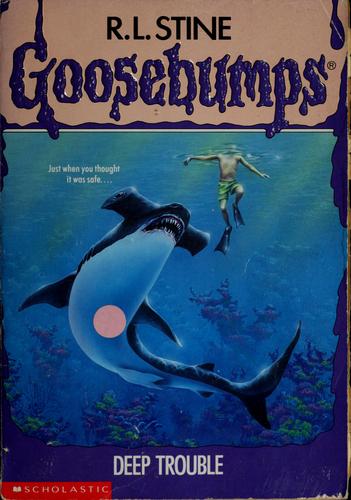
Goosebumps cover

Goosebumps

by R.L. Stine
1992–1997 (Original) 128 pages Ages 8-12

This series *is* the 90s childhood for millions, and its cultural impact is immense. It's the perfect entry point for reluctant readers, offering immediate, short, high-stakes thrills that kids devour, hitting the 're-read magnet' criteria for that specific age window. Huge commercial success ensures its lasting presence.

Read if: Your reader needs quick scares, high engagement, and books that are easy to pick up and put down.
13

The Ramona Quimby Series

by Beverly Cleary
1950–1999 (Series span) 192 pages Ages 7-10

Beverly Cleary is untouchable on capturing the authentic, hilarious internal life of an ordinary child. Ramona is relatable in her exasperating complexity. Adults remember her because she *was* their childhood reality. The quality is consistent, focusing on everyday magic and frustration rather than fantasy.

Read if: Your child is seeking highly realistic fiction where the drama comes from daily life and sibling rivalry.
14
Redwall cover

Redwall

by Brian Jacques
1986–2011 311 pages Ages 10-14

This is epic fantasy disguised as talking animal books. Jacques perfected the 'Good vs. Evil' narrative for middle-graders, complete with incredible feasts and genuine medieval peril. Parents remember the comfort of the Abbey, and kids adore the clear moral lines and action. Massive global success ensures classic status.

Read if: Your reader loves medieval fantasy, large-scale battles, and incredibly detailed descriptions of food.
15
The Mysterious Benedict Society cover

The Mysterious Benedict Society

by Trenton Lee Stewart
2007–2019 485 pages Ages 9-13

It champions intelligence, puzzles, and unconventional thinking—a perfect antidote to simple narratives. The character relationships are deep, and the mystery is genuinely thrilling, earning major awards like the E.B. White Read Aloud Award. It has all the markings of a modern classic that parents actively seek out for its positive messages.

Read if: Your child loves puzzles, codes, teamwork, and stories where smarts trump brute force.
16
The Wind in the Willows cover

The Wind in the Willows

by Kenneth Grahame
1908 262 pages Ages 8+

A true, time-tested classic of English literature that transcends age. The vignettes of friendship, nature, and Toad's ridiculous exploits are pure joy. It’s the book grandparents delight in reading aloud, showcasing brilliant prose and unforgettable character voices that lodge in the memory forever.

Read if: Your child enjoys lyrical prose, nature themes, and character-driven stories with light comic adventures.
17
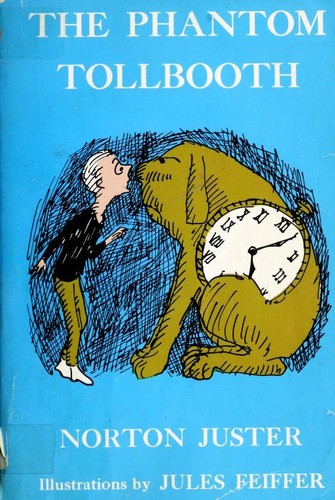
The Phantom Tollbooth cover

The Phantom Tollbooth

by Norton Juster
1961 250 pages Ages 9-13

This book is a linguistic and philosophical playground. It makes children *think* about the meaning of words, time, and boredom. Adults remember it as a formative text. It's a standalone novel, but its themes and style demand return visits, securing its essential 'bookshelf status' as a singular, potent classic.

Read if: Your child enjoys wordplay, allegory, and philosophical journeys disguised as adventure.
18
The Spiderwick Chronicles cover

The Spiderwick Chronicles

by Tony DiTerlizzi & Holly Black
2003–2004 128 pages Ages 7-10

A perfect, concise fantasy series that introduces hidden worlds with genuine menace. The illustrations are integral, blending seamlessly with the prose. It’s a fast, satisfying adventure that teaches caution and the value of careful observation. It was a massive early 2000s phenomenon that parents recognize immediately.

Read if: Your child is ready for a taste of genuine fairy-tale danger and loves detailed illustration.
19
The Baby-Sitters Club cover

The Baby-Sitters Club

by Ann M. Martin
1986–2000 176 pages Ages 8-11

It’s a masterclass in first-person narration and relatable social dynamics: friendship, responsibility, mild conflict. It defined an era, leading to massive sales and current cultural re-interest. While simple on the surface, it handles issues like divorce and illness with quiet sincerity, making it a bookshelf essential for grounding early reader fiction.

Read if: Your reader is exploring social dynamics, friendship, and wants stories with clear, contemporary relevance.
20
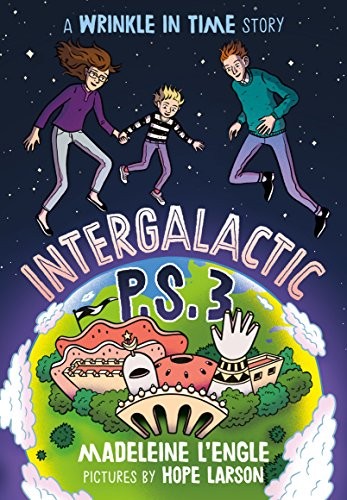
A Wrinkle in Time Quintet cover

A Wrinkle in Time Quintet

by Madeleine L'Engle
1962–1979 213 pages Ages 10+

The first book is a Newbery winner and a literary landmark for tackling science, faith, and conformity head-on. It demands rereading because its concepts are so layered. It’s a challenging but profoundly rewarding series that defines 'classic' status by pushing the boundaries of children's literature.

Read if: Your child is intellectually curious and interested in big ideas like space, time, and nonconformity.
21

The Tale of Despereaux (Series: Kate DiCamillo's Works)

by Kate DiCamillo
2003 276 pages Ages 8-12

A true 2004 Newbery Medal winner, this is storytelling crafted with the precision of a fairy tale, exploring powerful themes of light, darkness, courage, and love. While structured around one primary book, DiCamillo's distinct voice carries through her other works (like *Because of Winn-Dixie*), creating a personal canon parents recognize for its emotional depth.

Read if: Your reader appreciates beautiful, almost poetic prose and stories focused on overcoming personal limitations.
22

Pippi Longstocking

by Astrid Lindgren
1945 (First book) 144 pages Ages 7-11

Pippi is the icon of absolute, joyful independence—a girl who answers to no adult authority and lives life on her own terms. She is endlessly quotable and fun. Lindgren’s writing has that indefinable magic that feels simultaneously foreign and utterly true, ensuring parents pass her down with genuine enthusiasm.

Read if: Your child craves stories about powerful, non-conforming female protagonists.
23
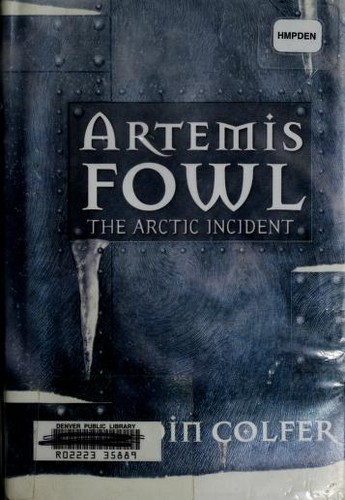
Artemis Fowl cover

Artemis Fowl

by Eoin Colfer
2001–2012 288 pages Ages 10-14

It flipped the script by having the protagonist be a brilliant, morally gray anti-hero who outsmarts fairies. The blend of high-tech gadgetry, mythology, and sharp dialogue keeps older middle-grade readers highly engaged. The character grows from a calculating villain to a reluctant hero, justifying the commitment to the series.

Read if: Your reader enjoys witty banter, action-heavy plots, and protagonists who operate in a moral gray area.
24
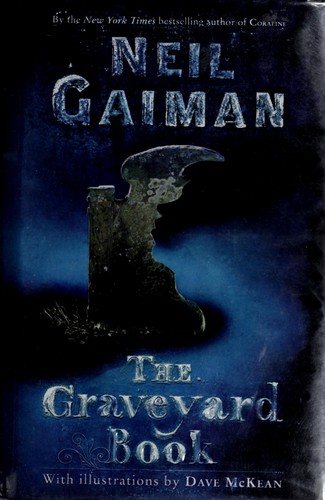
The Graveyard Book cover

The Graveyard Book

by Neil Gaiman
2008 324 pages Ages 10+

This Newbery winner masterfully blends adventure, humor, and melancholy. It explores what it means to be human through the eyes of a boy raised by ghosts. While structurally more of a linked novel sequence, its cultural impact and profound storytelling make it essential, compelling a return to its unique world.

Read if: Your reader appreciates dark fantasy, unique coming-of-age narratives, and lyrical prose.
25

The Wingfeather Saga

by Andrew Peterson
2008–2014 376 pages Ages 9-13

This is a modern fantasy series showing definitive classic potential—it has rich world-building, deep familial bonds, and a consistent, high-quality narrative voice that parents adore sharing. The blend of high adventure with domestic charm makes it a reliable re-read magnet, justifying commitment.

Read if: Your child loves immersive world-building, family dynamics, and stories that feel both modern and anciently mythic.

Honorable Mentions

The Magic Faraway Tree
The Magic Faraway Tree 1946
by Enid Blyton

The precursor to modern portal fantasy, capturing simple, pure wonder that modern readers still crave.

The Chronicles of Narnia (The Lion, the Witch, and the Wardrobe)
The Chronicles of Narnia (The Lion, the Witch, and the Wardrobe) 1950
by C. S. Lewis

The archetypal portal fantasy; the single book that launched a thousand re-reads and established the benchmark for magic.

Farmer Boy (Little House)
Farmer Boy (Little House) 1933
by Laura Ingalls Wilder

Though a deviation, this deep-dive into Almonzo's life is an unparalleled, vivid look at pioneer farming life, a true historical gem.

Howl's Moving Castle
Howl's Moving Castle 1986
by Diana Wynne Jones

A fiercely imaginative, quirky British fantasy that inspires deep devotion from those who discover its idiosyncratic magic.

Artemis Fowl (Series) 2001-2012
by Eoin Colfer

Brilliant introduction to the anti-hero protagonist, blending sci-fi tech with deep fairy lore; high-octane engagement guaranteed.

The Circle of Magic 1999-2001
by Tamora Pierce

Exceptional character-focused fantasy where young students learn magic through their crafts—a warm, diverse series worth the commitment.

The Three Investigators 1959-1989
by Robert Arthur, et al.

The definitive junior detective series of the mid-20th century; pure, clean mystery that never needed supernatural elements to hook readers.

The Borrowers
The Borrowers 1952
by Mary Norton

A fragile, detailed world-within-our-world that encourages children to look closer at their own homes. A quiet, enduring classic.

Frequently Asked Questions

Why are there so few contemporary books on this list?

Our philosophy is 'Time-Tested.' A book published yesterday, no matter how popular, cannot yet meet the classic criteria. For the few recent additions, like Percy Jackson, they must demonstrate undeniable signs: massive cultural ubiquity, genre-defining success, and immediate multi-generational adoption. We wait for the dust to settle before crowning a new essential.

My child prefers shorter chapter books. Should I skip the longer series?

Absolutely not. Commitment is key. Shorter books are fantastic for practice, but series like The Magic Tree House and The Boxcar Children provide the necessary structure for sustained reading stamina. If a series is essential, parents must be prepared to read the first one aloud to ensure the child hooks into the characters and world, paving the way for independent re-reading.

What makes a book a 'Re-Read Magnet'?

It’s the story's texture. True re-read magnets have multiple layers: a surface-level adventure that satisfies on a first read, and deeper themes, character nuances, or subtle world-building details that reveal themselves on the second, third, or tenth read. Series with strong character loyalty, like Harry Potter or The Penderwicks, excel here.

How did you decide between classic series with varying quality (like *Goosebumps*) and high-quality but shorter series (like *The Spiderwick Chronicles*)?

We weighted cultural necessity heavily. Goosebumps is included because, for a generation, it was the only gateway to sustained reading for many reluctant readers; its cultural impact is too significant to ignore, even if quality is uneven. Spiderwick makes the cut because its quality, across its brief run, is exceptionally high, perfectly capturing a magical, slightly dark tone that adults remember and kids immediately embrace.

Audience Debug
Link copied!