Topic Last updated: January 26, 2026

Best Bedtime Books for Kids

The Essential 20: Doors to Dreamland

At Kidopoly, we don't just suggest good books; we select legends. This is our fiercely curated list of 20 undeniable bedtime essentials. These books meet our ruthless standard: they are time-tested classics, possess brilliant storytelling, possess cross-generational magic, and are re-read magnets. Forget quantity—these are the only twenty you truly need to make your nightly ritual sacred and deeply soothing.

The List

1
Goodnight Moon cover

Goodnight Moon

by Margaret Wise Brown
1947 32 pages Ages 0-3

The quintessential wind-down. Its ritualistic structure, ticking clocks, and soft declamation of 'goodnight' to every object in the room perfectly mirrors and eases a child's transition to sleep. It’s an exercise in peaceful observation that parents remember and instantly pass down.

Read if: your child needs a predictable, meditative ritual to signal that the day is officially over.
2
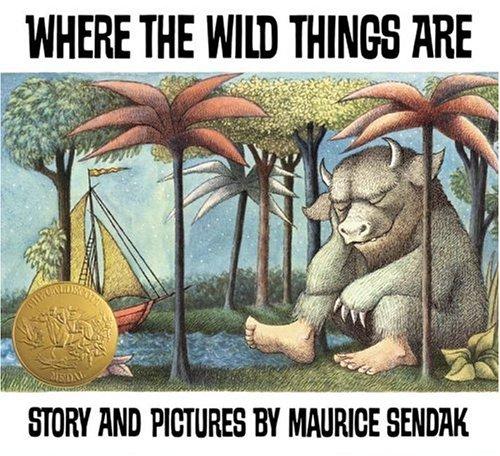
Where the Wild Things Are cover

Where the Wild Things Are

by Maurice Sendak
1963 40 pages Ages 3-7

It is the perfect exploration of controlled chaos leading back to unconditional love. Max's journey to tame his anger (the Wild Things) and return to the safety of his room where 'his supper was waiting for him still hot' is profoundly comforting, acknowledging big feelings before sweet slumber.

Read if: your child has big emotions and needs a story about adventure that always ends with love and warmth.
3
The Runaway Bunny cover

The Runaway Bunny

by Margaret Wise Brown
1942 48 pages Ages 2-6

This is the ultimate reassurance fantasy. The escalating transformations perfectly capture a child's testing of boundaries, met always by a steadfast, all-encompassing maternal presence. The rhythm is hypnotic, solidifying the core message: you can never truly leave. A bedrock of parental devotion.

Read if: your child is testing independence but needs the deep, unwavering assurance of parental love.
4
The Very Hungry Caterpillar cover

The Very Hungry Caterpillar

by Eric Carle
1969 32 pages Ages 0-5

While deceptively simple, its structure—days of the week, counting, transformation—is deeply satisfying. The gentle narrative arc from endless hunger to peaceful cocoon and glorious transformation is a quiet metaphor for growth, ending exactly where a child should be: ready to rest.

Read if: you want a story that subtly reinforces structure, counting, and positive change before sleep.
5
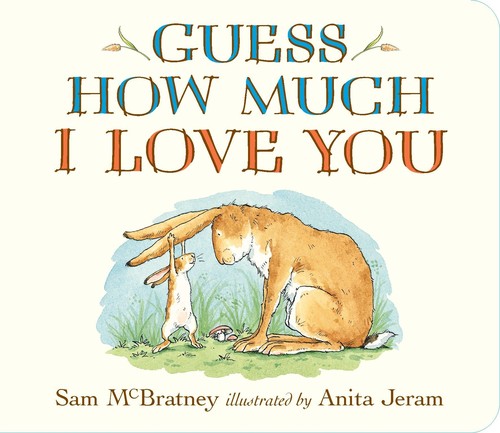
Guess How Much I Love You cover

Guess How Much I Love You

by Sam McBratney
1994 32 pages Ages 1-8

The ultimate declaration of love, structured as a gentle verbal contest. The language is tender and the progression of their measures—'to the moon and back'—is a powerful, loving ritual. It perfectly encapsulates that final, essential goodnight hug message.

Read if: you want a direct, verbal expression of boundless love as the very last words of the day.
6
Corduroy cover

Corduroy

by Don Freeman
1968 32 pages Ages 3-8

This story is about being accepted exactly as you are—even if you are 'shopworn.' Corduroy’s earnest quest for a button to complete himself mirrors a child’s desire for wholeness and belonging, finding ultimate fulfillment in a loving home. Pure, quiet yearning.

Read if: your child has ever felt imperfect or needs to hear that small things can be fixed with love.
7
Blueberries for Sal cover

Blueberries for Sal

by Robert McCloskey
1948 64 pages Ages 3-7

The charming, repetitive 'Kuplink, kuplank, kuplunk' is a natural lullaby. The gentle near-miss where mother and child are separated but ultimately reunited with the correct parent is a low-stakes, comforting way to explore slight confusion ending in happy order.

Read if: your child enjoys the sounds of nature and gentle, low-stakes mistaken identity stories.
8
Owl Moon cover

Owl Moon

by Jane Yolen
1987 32 pages Ages 4-8

This book *is* quiet. It’s about anticipation, reverence for nature, and the unspoken bond between a child and a parent on a shared, hushed mission. The language is poetic and the atmosphere is one of profound, peaceful stillness—perfect for calming the mind.

Read if: your child appreciates lyrical language and a story that champions patience and quiet wonder.
9
Frog and Toad Are Friends cover

Frog and Toad Are Friends

by Arnold Lobel
1970 64 pages Ages 4-8

These are episodic tales of steadfast friendship that model patience and support. The short-story format is perfect for winding down—you can read one story or five. The gentle humor and the unwavering dependability of their bond are deeply soothing.

Read if: your child is ready for slightly longer stories or your family values friendship above all else.
10
Madeline cover

Madeline

by Ludwig Bemelmans
1939 56 pages Ages 3-8

The rhythmic, almost sing-song rhyme scheme is mesmerizing. While Madeline is adventurous, the story's core is about routine and being cared for by Miss Clavel. It’s a cheerful classic that parents recall fondly and whose rhythm aids concentration before sleep.

Read if: your child loves rhythmic verse and a story featuring a small character with immense courage.
11
Make Way for Ducklings cover

Make Way for Ducklings

by Robert McCloskey
1941 76 pages Ages 3-8

The patient journey of the Mallards—moving slowly and in order through a busy world—is a surprisingly effective metaphor for calming down. The image of the straight line and the helpful policeman brings a sense of external order to the child's environment.

Read if: your child loves animals and benefits from stories about orderly processions and kindness.
12
Llama Llama Red Pajama cover

Llama Llama Red Pajama

by Anna Dewdney
2005 40 pages Ages 2-5

It is the most empathetic depiction of bedtime separation anxiety ever written. The staccato, rolling rhyme scheme is instantly catchy, and the final reassurance that 'Mama Llama’s always near' is the specific, satisfying closure a worried child needs.

Read if: your child experiences separation anxiety at bedtime and needs that verbal check-in.
13

Bear Snores On

by Karma Wilson
2003 34 pages Ages 2-7

The steady, repetitive rhythm of the bear just 'snoring on' while others prepare for a party creates a wonderfully lulling effect. The story builds gentle suspense that resolves happily, making it a perfect story of unexpected warmth and community.

Read if: your child loves gentle humor and stories about cozy, communal spaces.
14
The Tale of Peter Rabbit cover

The Tale of Peter Rabbit

by Beatrix Potter
1902 56 pages Ages 3-12

A truly time-tested tale of consequences—Peter breaks the rule, has a fright, and returns home for comfort. The slightly more formal language and the rhythm of the narrative are sophisticated yet completely engaging, a true heirloom book.

Read if: your child enjoys mild naughtiness followed by the restorative power of a parent's care.
15
Harold and the Purple Crayon cover

Harold and the Purple Crayon

by Crockett Johnson
1955 64 pages Ages 3-7

It’s the ultimate imagination fuel that paradoxically ends with the ultimate act of settling down: drawing your way back to bed. The simplicity of the line drawings contrasted with the grand adventures is captivating, reinforcing creative control over one's environment.

Read if: your child has a powerful imagination that needs a gentle narrative frame to return from.
16
Five Minutes' Peace cover

Five Minutes' Peace

by Jill Murphy
1986 32 pages Ages 3-7

Every parent understands the desperate, fleeting need for *five minutes*. This is a hilarious, heartwarming testament to parental burnout and the need to recharge, ending in the sweet return to family life. Highly relatable for the adult reading it.

Read if: parents need a laugh and a recognition of their own need for a quiet break before reading to their kids.
17
The Quiet Book cover

The Quiet Book

by Deborah Underwood
2010 32 pages Ages 3-7

This book celebrates quietude itself—not just sleeping quiet, but contemplative quiet, shared quiet, and peaceful quiet. Its gentle, understated text and evocative illustrations create an immediate sense of calm, making it an anti-frenetic choice.

Read if: your child struggles with the 'wind-down' and needs to appreciate stillness.
18

Dream Animals: A Bedtime Journey

by Emily Winfield Martin
2015 34 pages Ages 0-3

The text is explicitly about dreaming and uses graceful rhyming verse to convince the child that closing their eyes leads to wonderful, safe adventures. The beautiful, slightly vintage-feeling art is inherently soothing and encourages drifting off.

Read if: your child needs gentle encouragement to *want* to close their eyes and go to sleep.
19
Goodnight, Goodnight, Construction Site cover

Goodnight, Goodnight, Construction Site

by Sherri Duskey Rinker
2011 32 pages Ages 2-5

This book applies the 'goodnight' ritual to the world of heavy machinery, which is irresistible to many young readers. The rhyme is smooth and lulling, offering a satisfying conclusion to the day's hard work for every truck and machine.

Read if: your child is obsessed with trucks and needs a vehicle-themed way to say goodnight.
20
Time to Sleep cover

Time to Sleep

by Steve Jenkins & Robin Page
2011 24 pages Ages 4-7

It's a gentle catalog of how various animals sleep—standing, snoring, piling up—making sleep seem natural and universal. It subtly normalizes the end-of-day winding down by showing the entire animal kingdom doing it, Caldecott Honor recognition confirms its standing.

Read if: your child needs to understand the natural, cyclical necessity of sleep.

Honorable Mentions

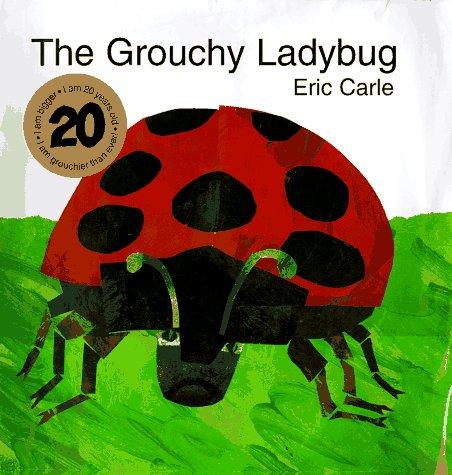
The Grouchy Ladybug
The Grouchy Ladybug 1996
by Eric Carle

A fantastic, rhythmic exploration of manners and size, teaching that being the 'biggest' isn't everything—perfect for redirecting daytime conflicts.

Good Night, Sleep Tight
Good Night, Sleep Tight 2012
by Mem Fox

The ultimate nursery rhyme immersion. Skinny Doug's recitation is a repetitive, whimsical delay tactic that always resolves into a sweet 'Good night, sleep tight!'

Time to Sleep
Time to Sleep 2011
by Robin Page & Steve Jenkins

A non-fiction touch that shows the natural world settling down, perfectly pacing the transition from active play to rest.

The Little House
The Little House 1942
by Virginia Lee Burton

A profound meditation on change and stability; the little house’s longing for quiet, simple times resonates deeply with adult nostalgia.

The Grouchy Ladybug
The Grouchy Ladybug 1996
by Eric Carle

A fantastic, rhythmic exploration of manners and size, teaching that being the 'biggest' isn't everything—perfect for redirecting daytime conflicts.

Good Night, Sleep Tight
Good Night, Sleep Tight 2018
by Kristina Andres

Charming, short stories about Fox and Rabbit's creative goodnights, offering cozy vignettes that don't drag on too long.

Sweet Dreams, Little One
Sweet Dreams, Little One 2021
by Sandra Magsamen

Pure, unadulterated parental reassurance packed into a sturdy board book format, focusing entirely on the comfort of never-ending love.

The Gruffalo
The Gruffalo 1999
by Julia Donaldson

While fun, the clever, cumulative rhyme of Mouse outwitting predators is engaging enough to keep little ears focused until the very satisfying, quiet end.

Frequently Asked Questions

Why are there so many older books? Do modern books not qualify?

Bedtime requires history. These older titles—like Goodnight Moon and Where the Wild Things Are—have been tested across multiple generations of parents and children. Their storytelling has proven to consistently deliver the necessary emotional resonance and calming rhythm, making them undeniable quality investments that never fade.

What criteria did you use to reject a 'popular' book?

We rejected books that are merely popular or heavily marketed without deep staying power. If a book’s primary draw is a current fad, a tie-in, or basic educational content without exceptional lyrical quality or emotional depth, it is omitted. The book must possess that indefinable magic that makes a parent want to read it at 10 PM.

Are chapter books allowed in this list?

Yes, but sparingly. We include 'early chapter books' like Frog and Toad Are Friends because their episodic nature, combined with a gentle, character-driven plot, works perfectly for a wind-down. The key is that the book must still maintain a soothing rhythm and be readable aloud effectively.

What is the ideal age range for a 'bedtime' book?

Our list covers a broad spectrum (0-8) because bedtime routines evolve. Very young children thrive on the repetitive structure of board books (like Goodnight Moon), while slightly older children (4+) can handle richer emotional themes and slightly longer reads (Where the Wild Things Are). Focus on the book's tone (calming, loving) over the strict age number.

Audience Debug
Email Debug
Link copied!