By Age Last updated: January 26, 2026

The Essential 25 for Early Readers

The Only Books That Matter for Reading Takeoff.

This is not a participation trophy list. At Kidopoly, we refuse to dilute our recommendations with fleeting trends or 'good enough' prose. For ages 5-7, reading moves from memorization to true fluency. These 25 selections are the timeless, structurally brilliant, and magically resonant books that *will* keep them turning pages. These are the books you'll read until the spine breaks, then buy again for the next generation.

The List

1
The Cat in the Hat cover

The Cat in the Hat

by Dr. Seuss
1957 61 pages Ages 5-7

It’s the book that launched a revolution in controlled vocabulary reading. Seuss brilliantly proves that simple words don't have to mean a simple story. The rhyme scheme is intoxicating, forcing kids to engage with the rhythm and predict the wild chaos that is about to erupt. It turns the chore of decoding into a thrilling game.

Read if: your child needs an undeniable, high-energy introduction to reading independently.
2
Frog and Toad Are Friends cover

Frog and Toad Are Friends

by Arnold Lobel
1970 64 pages Ages 5-8

Lobel’s stories are masterpieces of gentle friendship, patience, and simple emotional nuance. The prose is perfectly paced for new readers, using common sight words in fresh, meaningful sentences. Adults adore the subtle wisdom; kids adore the consistent, comforting relationship between the two protagonists. It’s a masterclass in cross-generational appeal.

Read if: your child is ready to move into short, perfectly paced episodic stories.
3
Green Eggs and Ham cover

Green Eggs and Ham

by Dr. Seuss
1960 72 pages Ages 5-7

Written with a vocabulary of only 50 unique words, this book is the ultimate testament to the power of repetition and persistence. It builds massive reading confidence by making the entire text accessible, while the escalating absurdity keeps children giggling and demanding 'one more time!' The underlying theme of trying new things is delivered without being preachy.

Read if: your child is mastering sight words and needs high-repetition text for fluency practice.
4

The Snowy Day

by Ezra Jack Keats
1962 32 pages Ages 4-7

A groundbreaking classic celebrating everyday wonder and featuring a Black protagonist without making race the story's focus. The language is simple, evocative, and sensory—perfect for reading aloud and for early readers to sound out. It’s a book about pure, quiet joy that every child feels after the first big snow.

Read if: your child appreciates beautiful, atmospheric art and simple, lyrical language.
5
Are You My Mother? cover

Are You My Mother?

by P. D. Eastman
1960 72 pages Ages 4-6

Another pillar of the Beginner Books series, this book taps into the fundamental, primal search for belonging. The repetitive question and parade of wildly incorrect 'mothers' (cat, hen, steam shovel) create a hilarious pattern that early readers will anticipate and read with great enthusiasm. It’s deceptively simple yet emotionally deep.

Read if: your child loves a story with a clear, escalating quest structure.
6
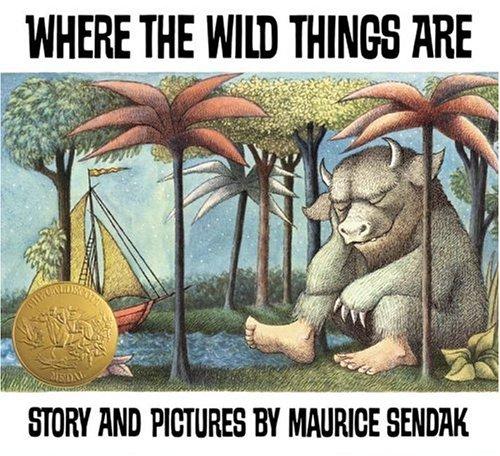
Where the Wild Things Are cover

Where the Wild Things Are

by Maurice Sendak
1963 48 pages Ages 5-8

It is the definitive exploration of childhood anger and the safe return to love. The text is sparse but perfectly chosen, allowing the breathtaking, evolving illustrations to carry the emotional weight. It validates big feelings while assuring the child that home is always the safest place.

Read if: your child has big emotions and needs permission to explore them safely.
7
Go, Dog. Go! cover

Go, Dog. Go!

by P. D. Eastman
1961 64 pages Ages 4-7

Pure, unadulterated silliness grounded in simple sentences. This book is a gateway to reading fluency because the visual humor is so strong that kids will *want* to read the text to keep up with the action. It’s fun, fast-paced, and endlessly re-readable.

Read if: your child loves physical comedy and simple declarative sentences.
8
Don't Let the Pigeon Drive the Bus! cover

Don't Let the Pigeon Drive the Bus!

by Mo Willems
2003 48 pages Ages 4-7

It breaks the fourth wall and puts the child in charge. The entire book is dialogue where the pigeon begs, sweet-talks, and guilt-trips the reader into giving up the keys. It’s a hilarious lesson in setting boundaries, and the minimal text is easily mastered by a confident reader.

Read if: your child enjoys interactive reading where they get to yell at the character.
9

The Little Bear (Little Bear Series)

by Else Holmelund Minarik
1957 64 pages Ages 5-7

This series defined the easy-to-read chapter book. The stories are sweet, domestic, and full of gentle imagination, perfectly supported by Maurice Sendak's iconic, warm illustrations. The chapter breaks are natural, providing a wonderful sense of accomplishment for children tackling longer texts.

Read if: your child is ready for the structure and length of a true, simple chapter book.
10

Clifford the Big Red Dog (First Book)

by Norman Bridwell
1963 32 pages Ages 4-6

An enduring concept that perfectly illustrates 'too much of a good thing' in a completely non-threatening way. The text is straightforward, the premise is instantly engaging, and the sheer visual absurdity of a giant dog leads to endless laughter and re-reading.

Read if: your child adores big, lovable, slightly clumsy pets.
11

Strega Nona: An Original Tale

by Tomie dePaola
1975 32 pages Ages 5-8

This Caldecott winner offers rich, folktale storytelling with a clear cautionary message about following instructions. DePaola’s Italian-inspired art is warm and timeless. The simple conflict—a magic pot gone awry—is universally understood and offers great dramatic pacing for read-alouds or brave early readers.

Read if: your child loves fairy tales, Italian culture, and stories about magic gone wrong.
12
Llama Llama Red Pajama cover

Llama Llama Red Pajama

by Anna Dewdney
2005 40 pages Ages 3-6

A modern classic that perfectly captures separation anxiety at bedtime. Dewdney’s trademark rhyming stanzas are melodic and intensely relatable for both parent and child. Its massive cultural footprint and repeated requests prove its 'Re-Read Magnetism' for soothing bedtime fears.

Read if: your child struggles with bedtime independence or loves predictable rhyme.
13

Elephant & Piggie: I Am Invited to a Party!

by Mo Willems
2006 64 pages Ages 5-7

While technically an 'easy reader,' Willems' genius elevates this far beyond typical leveled readers. The simple dialogue, large font, and highly expressive cartooning allow beginning readers to achieve huge confidence boosts by 'performing' the entire conversation. It's pure, accessible storytelling.

Read if: your child is mastering sight words and needs high-interest, conversational text.
14
The Little House cover

The Little House

by Virginia Lee Burton
1942 40 pages Ages 5-8

A Caldecott winner that captures the melancholy passage of time and the contrast between nature and progress. The language is direct and beautifully paced for reading aloud, showing how simple structures can tell deep stories. Children feel a profound connection to the lonely little house.

Read if: your child is ready for a story with a slightly bittersweet, nostalgic tone.
15
Make Way for Ducklings cover

Make Way for Ducklings

by Robert McCloskey
1941 76 pages Ages 4-8

A true landmark Caldecott winner. The adventure is exciting, the setting (the Boston Public Garden) is palpable, and the ultimate resolution (the policeman stopping traffic) is deeply satisfying. It's a must-own for its historical significance and its charming narrative tension.

Read if: your child enjoys stories about animals navigating the human world.
16
Corduroy cover

Corduroy

by Don Freeman
1968 32 pages Ages 4-7

This story is the essence of wanting to belong. The gentle suspense of Corduroy’s search for his missing button, driven by the sweet desire to be chosen by the little girl, Lisa, is unforgettable. The simple vocabulary is excellent for early decoding, and the theme of unconditional love is profound.

Read if: your child has ever loved a stuffed animal and felt a longing for perfect friendship.
17
Mercy Watson to the Rescue cover

Mercy Watson to the Rescue

by Kate DiCamillo
2005 80 pages Ages 5-8

DiCamillo's work is modern gold. This series perfectly bridges the gap between picture books and longer chapter books. The font is large, the chapters short, and Mercy’s single-minded devotion to buttered toast provides recurring, hilarious motivation. Adults love the wry humor.

Read if: your child is ready to 'graduate' to short, funny, illustrated chapters (Grades 1-2).
18
If You Give a Mouse a Cookie cover

If You Give a Mouse a Cookie

by Laura Numeroff
1985 32 pages Ages 4-7

This book is a masterclass in the 'circular narrative' and understanding sequencing. The 'If X, then Y' structure provides a satisfying, predictable loop that hooks young readers. It’s simple enough to read independently early on, yet the chain reaction concept delights older kids too.

Read if: your child loves recognizing patterns and predicting what happens next.
19
Pony Island cover

Pony Island

by Steven Kellogg
1974 48 pages Ages 5-8

Kellogg's art and storytelling create a world where imagination is boundless. Though slightly older, it has the persistent charm and nostalgic pull for adults who remember it. The language is rich enough for read-alouds but offers enough visual grounding for tentative readers to follow along.

Read if: your child enjoys the magic of make-believe and the circus atmosphere.
20

The Reluctant Reader

by Tedd Arnold
2005 32 pages Ages 5-7

The *Hi! Fly Guy* book (the first in the series) earned a Geisel Honor for its accessible text and sheer entertainment value. It uses large text, dialogue, and speech bubbles perfectly to build momentum and confidence without sacrificing humor. A guaranteed re-read.

Read if: your child loves simple plots driven by hilarious, absurd character interactions.
21
Chicka Chicka Boom Boom cover

Chicka Chicka Boom Boom

by Bill Martin Jr. & John Archambault
1989 32 pages Ages 3-6

This is the essential alphabet primer that doesn't feel like one. The kinetic, rhythmic language makes learning letter sounds and names a dynamic, musical experience. While technically for a younger set, its memorability makes it a touchstone for parents and a vital precursor to independent reading.

Read if: your child is learning the alphabet and needs rhythm to memorize patterns.
22
The Little Engine That Could cover

The Little Engine That Could

by Watty Piper
1930 32 pages Ages 4-8

The ultimate time-tested story of self-belief: 'I think I can.' The simple, repetitive mantra is powerful for building a child’s internal monologue about challenge. It’s a quintessential American classic that every adult remembers and wants to pass on.

Read if: your child needs a morale boost for tackling difficult tasks.
23
A Sick Day for Amos McGee cover

A Sick Day for Amos McGee

by Philip C. Stead
2010 32 pages Ages 4-7

This Caldecott winner is quiet, deeply empathetic, and gentle. The story is about reciprocity in friendship—caring for someone who always cares for you. The language is understated and beautiful, rewarding attentive reading and repeated listens.

Read if: your child needs a gentle story about empathy and quiet kindness.
24
Owl Moon cover

Owl Moon

by Jane Yolen
1987 32 pages Ages 5-8

Yolen's text is pure poetry, creating an immersive, almost sacred experience of a winter night walk. While better suited as a read-aloud for fluency modeling, the sheer beauty of the language makes it a book that lingers and inspires children to read descriptively. The art is essential to the magic.

Read if: your child responds well to evocative, lyrical descriptions of nature.
25

Narwhal: Unicorn of the Sea (Narwhal & Jelly #1)

by Ben Clanton
2015 64 pages Ages 5-8

This is a modern classic for the transition to graphic novels. It uses short text blocks, speech bubbles, and high-energy humor to disguise the fact that the child is reading substantial text. It’s fun, celebrates an unlikely friendship, and its popularity guarantees it will be re-read constantly.

Read if: your child loves humor and is ready to tackle simple dialogue panels.

Honorable Mentions

The Very Hungry Caterpillar
The Very Hungry Caterpillar 1969
by Eric Carle

Essential for sequencing and counting, though the vocabulary is simpler; its repetitive structure aids early fluency.

Goodnight Moon
Goodnight Moon 1947
by Margaret Wise Brown

The perfect meditative text for building sight-word recognition through hypnotic, rhythmic repetition.

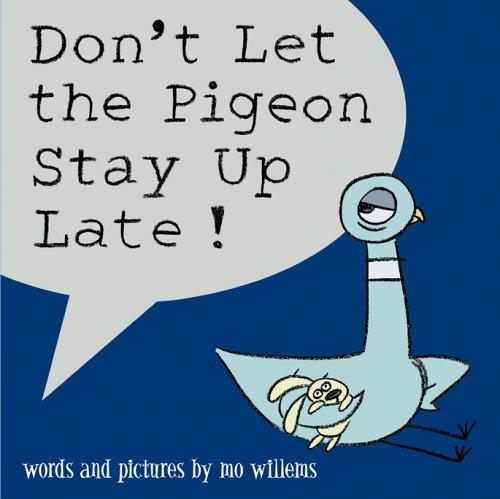
Don't Let the Pigeon Stay Up Late!
Don't Let the Pigeon Stay Up Late! 2008
by Mo Willems

The sequel to the classic; equally brilliant at leveraging reader participation in a gentle negotiation.

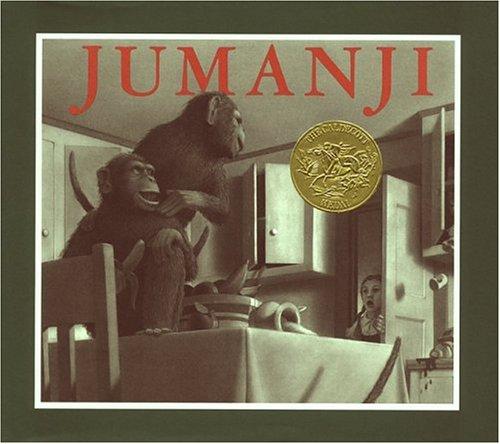
Jumanji
Jumanji 1981
by Chris Van Allsburg

A slightly more advanced read (read-aloud) that mesmerizes with suspense, proving that adventure stories build reading desire.

Blueberries for Sal
Blueberries for Sal 1948
by Robert McCloskey

A gentle classic with lovely onomatopoeia ('kuplink, kuplank, kuplunk') that delights auditory learners.

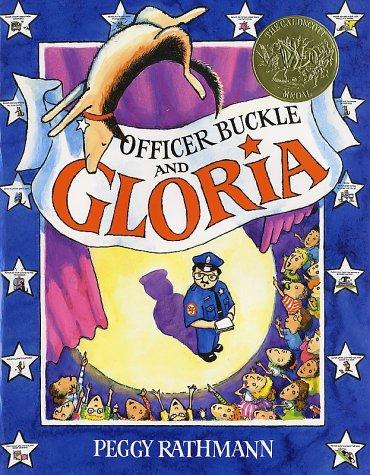
Officer Buckle and Gloria
Officer Buckle and Gloria 1995
by Peggy Rathmann

A Caldecott winner about the importance of safety procedures, featuring an unseen, hilarious partnership.

The Gruffalo
The Gruffalo 1999
by Julia Donaldson

A modern rhyming masterpiece with clever wordplay and a satisfyingly tricky protagonist, beloved globally.

Frog and Toad Together
Frog and Toad Together 1971
by Arnold Lobel

The essential follow-up collection, maintaining the same perfect balance of humor and heart for growing readers.

Frequently Asked Questions

What reading level is truly appropriate for this 5-7 age range?

This list intentionally spans both high-quality picture books (often for read-alouds or very early independent attempts using simple/controlled vocabulary) and early chapter books (like Frog and Toad or Mercy Watson). For independent reading, aim for books where the child can read 80-90% of the words without frustration. The Seuss and Eastman titles are best for decoding practice; the chapter books build stamina.

How do I know if a book is a 'Time-Tested Classic' and not just old?

A true classic has transcended its initial popularity. It is one that parents actively seek out because they remember it fondly or because it consistently wins illustration/storytelling accolades (like the Caldecott Medal). If the book is being taught or referenced years after publication, it earns its shelf space. If a modern book is on this list, it shows undeniable, immediate staying power.

Should I choose a leveled reader or a narrative picture book?

For building love for reading, prioritize the narrative quality of a picture book or early chapter book (Frog and Toad). For building skill and fluency confidence, use the controlled vocabulary books (The Cat in the Hat, Green Eggs and Ham). The best approach mixes both: read the complex stories to them, and let them conquer the structured ones on their own.

Why are there so many Dr. Seuss and P.D. Eastman books?

Because they fundamentally cracked the code on early reading with the Beginner Books imprint. They created worlds where strict vocabulary constraints didn't stifle imagination or rhythm. Their work isn't just 'good for learning'; it is brilliantly written literature that happens to have a controlled word count. They are essential to this category.

Audience Debug
Link copied!