Best Of Last updated: January 25, 2026

Best Books for Kids of All Time

The Essential Canon of Childhood Storytelling

Forget fleeting trends; this is the Kidopoly definitive list of 30 books that have genuinely shaped generations of young readers. These selections were chosen not for their educational score, but for their sheer, undeniable magic. They are the stories you’ll reread until the spines crack, the ones that spark genuine wonder, and the absolute must-haves for any family bookshelf.

The List

1
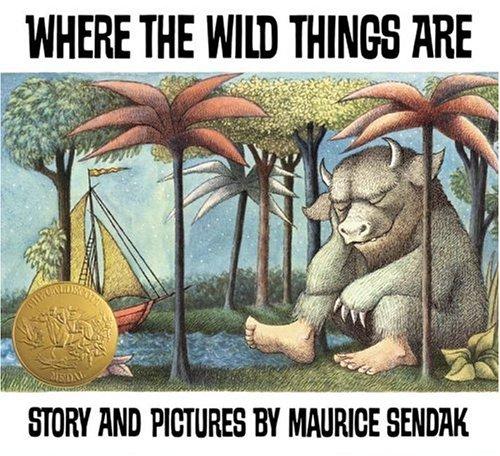
Where the Wild Things Are cover

Where the Wild Things Are

by Maurice Sendak
1963 40 pages Ages 4-8

This Caldecott winner perfectly validates childhood emotion. It gives children permission to feel their wildest, angriest feelings, only to show them that they are still safe and loved when they return. Sendak’s stark, dramatic art is masterful, turning a tantrum into a mythic adventure and back again.

Read if: your child needs a safe, visual journey through big emotions and imagination
2
Charlotte's Web cover

Charlotte's Web

by E.B. White
1952 184 pages Ages 7-12

It’s the ultimate exploration of friendship, sacrifice, and the natural cycle of life and death, handled with exquisite tenderness. White’s prose is flawless, making the talking animals feel utterly real. It is a book that teaches profound empathy without ever feeling heavy-handed.

Read if: you want to introduce themes of loss and true friendship through lyrical, beautiful writing
3
The Cat in the Hat cover

The Cat in the Hat

by Dr. Seuss
1957 72 pages Ages 4-7

This book revolutionized early reading by ditching the dull primers of its day for pure, rhyming fun. It captures the exhilarating chaos of childhood rebellion, tempered by the ultimate lesson: always clean up your mess before Mom gets home. Essential for building foundational reading confidence.

Read if: your child is just beginning to sound out words and needs a hilarious hook
4
A Wrinkle in Time cover

A Wrinkle in Time

by Madeleine L'Engle
1962 256 pages Ages 10-14

A true blend of science fiction, fantasy, and deep moral philosophy. It champions the marginalized, celebrating the 'odd' traits of its heroine, Meg Murry, as her greatest strengths. It's a book about love conquering cosmic evil, making it powerfully resonant and complex.

Read if: your older reader enjoys epic quests, non-linear physics, and deep themes of individuality
5
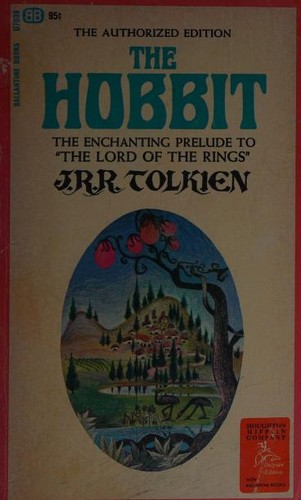
The Hobbit cover

The Hobbit

by J.R.R. Tolkien
1937 310 pages Ages 9-13

This is the foundational text for modern fantasy, but more importantly, it's the perfect reluctant hero story. It proves that the smallest person, motivated by comfort and a sudden spark of courage, can face down dragons and change the world. Excellent for expanding vocabulary and patience in read-alouds.

Read if: you are ready for a long, immersive fantasy adventure that rewards attentive listening
6
Matilda cover

Matilda

by Roald Dahl
1988 241 pages Ages 7-11

Dahl's masterpiece about a brilliant child rising against absurdly cruel and unintelligent adults. It's wildly satisfying, validating the power of books and intelligence as a form of revolutionary strength. Kids cheer for her triumph over tyranny.

Read if: your child loves stories about clever underdogs and righteous revenge against bullies
7
Goodnight Moon cover

Goodnight Moon

by Margaret Wise Brown
1947 32 pages Ages 0-4

The quintessential ritualistic bedtime book. Its slow, quiet cataloging of familiar objects creates a sense of deep security and order. It’s an auditory balm for parents and a grounding exercise for overstimulated kids, moving from the specific room to the vast moon.

Read if: you need the single most effective book for establishing a calm bedtime routine
8
The Tale of Peter Rabbit cover

The Tale of Peter Rabbit

by Beatrix Potter
1902 64 pages Ages 3-7

It’s one of the first books to treat children as intelligent beings capable of understanding consequences. Potter’s detailed, near-botanical illustrations of the natural world are stunning, making Peter’s delicious transgression and subsequent tummy-ache feel genuinely consequential.

Read if: your child appreciates beautiful, classic illustrations and a story with real stakes
9
Winnie-the-Pooh cover

Winnie-the-Pooh

by A.A. Milne
1926 160 pages Ages 5-9

The perfection of gentle friendship and simple pleasures. Each character represents a recognizable human trait—anxiety (Rabbit), melancholy (Eeyore), exuberance (Tigger)—making it perfect for discussing personality types during read-alouds. It’s warm, philosophical, and profoundly kind.

Read if: you value quiet, character-driven stories about loyalty and friendship dynamics
10
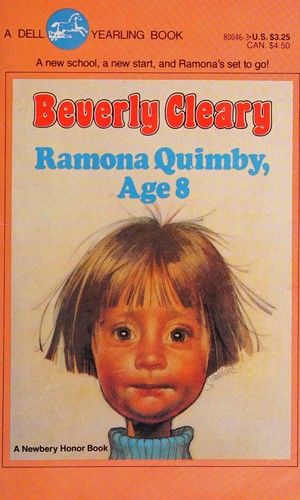
Ramona Quimby, Age 8 cover

Ramona Quimby, Age 8

by Beverly Cleary
1981 224 pages Ages 7-10

Ramona is the blueprint for the complex, flawed, but ultimately good kid. Cleary captures the specific, often embarrassing realities of being a second-grader—like being misunderstood or having a very bad day—with total honesty and humor. She is gloriously, recognizably human.

Read if: your child is independent, sometimes struggles with social situations, or loves relatable realism
11
Madeline cover

Madeline

by Ludwig Bemelmans
1939 56 pages Ages 4-8

The sheer Gallic charm and rhythm of Bemelmans' verse are intoxicating. It champions bravery and the unexpected protagonist—the smallest one—who dares to be different by showing off a scar. The art is distinct and utterly transportive.

Read if: your child loves cadence, European flair, and stories about spirited non-conformity
12
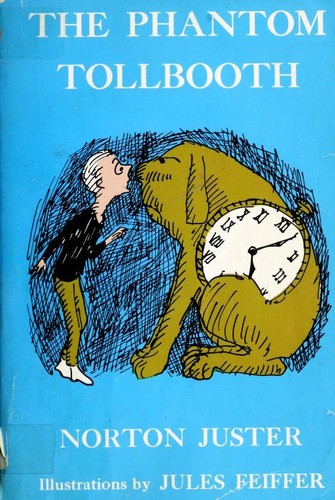
The Phantom Tollbooth cover

The Phantom Tollbooth

by Norton Juster
1961 255 pages Ages 8-12

This book is a celebration of language, logic, and the realization that life is only boring if you choose not to engage. It weaponizes puns and idioms, forcing young readers to think critically about language while adventuring. A true cure for boredom.

Read if: your child is starting to appreciate wordplay, logic puzzles, and intellectual adventure
13

Pippi Longstocking

by Astrid Lindgren
1945 272 pages Ages 7-11

Pippi is anarchy in the best sense—a girl living without the constraints of adult norms, yet possessing incredible strength and a loving heart. She teaches that unconventional living and boundless energy can be joyful and moral. A pure burst of chaotic freedom.

Read if: your child dreams of breaking rules constructively and being impossibly strong
14

The Snowy Day

by Ezra Jack Keats
1962 32 pages Ages 2-6

Groundbreaking for its time and timeless in its execution. It captures the singular, pure joy of experiencing a first snowfall—the crunch, the cold, the desire to save a snowball. Keats uses simple text and vibrant art to depict quiet wonder in an urban setting.

Read if: your child loves sensory experiences and quiet observation of the world
15
Corduroy cover

Corduroy

by Don Freeman
1968 32 pages Ages 3-7

A tender story about the need to belong and the value of being loved for who you are, 'missing button and all.' It subtly addresses materialism versus affection, offering a warm, safe narrative about finding home and friendship.

Read if: your child is sensitive and responds to stories about loneliness and finding acceptance
16
The Wind in the Willows cover

The Wind in the Willows

by Kenneth Grahame
1908 302 pages Ages 8-12

It’s prose poetry disguised as an animal story. The book perfectly contrasts the cozy domesticity of the River Bank with the thrilling, reckless anarchy of Toad’s exploits. It’s a masterclass in evocative writing and a superb read-aloud for its sheer beauty.

Read if: you and your child appreciate beautiful, slightly old-fashioned language and English countryside charm
17
The Secret Garden cover

The Secret Garden

by Frances Hodgson Burnett
1911 375 pages Ages 9-13

This is the ultimate story of environmental and personal restoration. The physical act of cultivating the neglected garden mirrors the children's own healing from loneliness, neglect, and grief. It proves that nature holds curative magic for the soul.

Read if: your reader is drawn to mysteries, secret places, and stories about transformation
18
Alexander and the Terrible, Horrible, No Good, Very Bad Day cover

Alexander and the Terrible, Horrible, No Good, Very Bad Day

by Judith Viorst
1972 32 pages Ages 4-8

It normalizes the feeling that sometimes everything just goes wrong. Viorst captures the sheer, disproportionate frustration of a bad day with perfect pacing, leading to the essential parental comfort: 'Some days are just bad days.' It’s validating and hilarious.

Read if: your child needs reassurance that even adults have spectacularly awful days
19
Holes cover

Holes

by Louis Sachar
1998 235 pages Ages 10-14

This novel masterfully weaves together three separate timelines into one brilliant, satisfying conclusion. It’s a thriller that also explores themes of destiny, historical injustice, and the literal digging up of buried truths. Its structure is as clever as its premise.

Read if: your older reader enjoys intricate mystery plots, dark humor, and clever structural storytelling
20
Charlie and the Chocolate Factory cover

Charlie and the Chocolate Factory

by Roald Dahl
1964 176 pages Ages 7-11

It's a morality tale wrapped in candy-coated anarchy. Dahl mercilessly punishes greed, entitlement, and bad manners, making Charlie's gentle virtue the ultimate winner. The factory descriptions are sensory overload in the best possible way.

Read if: your child loves dark humor, over-the-top scenarios, and stories rewarding good behavior
21
Harold and the Purple Crayon cover

Harold and the Purple Crayon

by Crockett Johnson
1955 64 pages Ages 4-7

The purest visual celebration of 'if you can imagine it, you can create it.' The simplicity of the purple line against the white page is an invitation to co-create the story with Harold. It’s a quiet masterpiece of active imagination.

Read if: your child is artistic and enjoys open-ended, minimalist storytelling
22
Bridge to Terabithia cover

Bridge to Terabithia

by Katherine Paterson
1977 144 pages Ages 9-12

It handles the intense, formative power of childhood friendship and the devastating reality of sudden loss with unflinching grace. It’s a book that respects the emotional depth of its young protagonists, making it a necessary, if tearful, rite of passage.

Read if: your child is ready for an emotionally mature story about friendship, creativity, and grief
23

The Little Prince

by Antoine de Saint-Exupéry
1943 96 pages Ages 8-12+

This novella contains adult philosophy disguised as a children's fable. It asks profound questions about love ('What is essential is invisible to the eye'), loneliness, and the absurdity of adult preoccupations. Perfect for reading aloud and then discussing for years.

Read if: you want a book that prompts deep philosophical conversations with your child
24
The Giving Tree cover

The Giving Tree

by Shel Silverstein
1964 64 pages Ages 5-10

It’s brutally simple and emotionally devastating, sparking endless debate about love, selfishness, and selflessness. Its power lies in its ambiguity—is the tree truly selfless, or is the boy taking too much? Its conciseness is its strength.

Read if: you want a very short book that guarantees a strong, complex reaction and debate
25
From the Mixed-Up Files of Mrs. Basil E. Frankweiler cover

From the Mixed-Up Files of Mrs. Basil E. Frankweiler

by E.L. Konigsburg
1967 162 pages Ages 9-13

It validates running away—not out of fear, but out of a desire for control and order. Claudia’s meticulous planning and the romanticism of living in a museum make it aspirational escapism. A wonderful exploration of sibling dynamics and self-reliance.

Read if: your child has a flair for organization, enjoys history, and dreams of running away with style
26
The One and Only Ivan cover

The One and Only Ivan

by Katherine Applegate
2012 320 pages Ages 8-12

Told entirely from the perspective of a captive gorilla, this Newbery winner uses simple, lyrical prose to explore deep concepts of memory, art, captivity, and hope. It’s based on a true story, lending it a powerful, undeniable weight.

Read if: your child loves animal stories, has a creative spirit, and is ready for moving, real-world issues
27
Curious George cover

Curious George

by H.A. Rey
1941 72 pages Ages 3-6

George is the patron saint of curiosity, constantly exploring, poking, and learning through delightful, low-stakes mistakes. His adventures teach resilience—you can cause a mess (like getting caught in a net) and still be welcomed back for more fun.

Read if: your child has boundless energy and an insatiable need to know what happens if they just touch that one thing
28
Swimmy cover

Swimmy

by Leo Lionni
1963 48 pages Ages 4-8

A brilliant visual metaphor for community strength and leadership. Lionni uses collage art beautifully to show how a single, small, different individual can inspire a group to overcome overwhelming threats. It's about safety in numbers and creative thinking.

Read if: your child needs a powerful lesson on teamwork and overcoming fear through group effort
29
Make Way for Ducklings cover

Make Way for Ducklings

by Robert McCloskey
1941 64 pages Ages 3-6

This Caldecott winner offers unparalleled domestic coziness mixed with urban adventure. The simple act of the duck family crossing the street, aided by a friendly policeman, creates a perfect, reassuring snapshot of a safe community.

Read if: your child loves nature intersecting with the human world, and appreciates methodical processes
30
The Tale of Despereaux cover

The Tale of Despereaux

by Kate DiCamillo
2003 277 pages Ages 8-12

DiCamillo crafts a fairy tale structure that is both heartbreaking and ultimately hopeful. It’s about the power of light, music, and love overcoming darkness and despair, championed by the smallest, most unlikely hero. Its themes are grand and operatic.

Read if: your reader appreciates beautifully crafted, slightly dark fairy tales about impossible romance and hope

Honorable Mentions

The Velveteen Rabbit
The Velveteen Rabbit 1922
by Margery Williams

The heartbreaking and beautiful meditation on what it means to become 'Real' through unconditional love.

Little House on the Prairie
Little House on the Prairie 1935
by Laura Ingalls Wilder

The definitive story of pioneering grit, self-sufficiency, and the high cost of building a life from scratch.

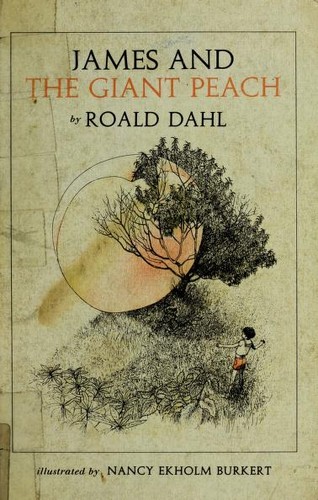
James and the Giant Peach
James and the Giant Peach 1961
by Roald Dahl

A wild, surreal trip across the Atlantic inside a giant peach with a band of oversized, eccentric insect friends.

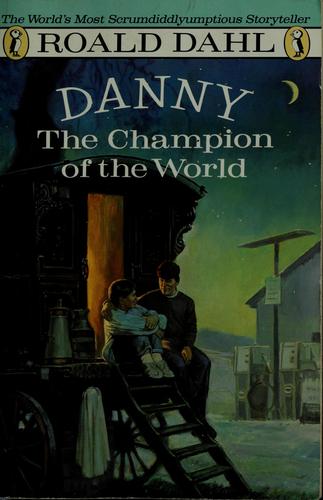
Danny, the Champion of the World
Danny, the Champion of the World 1975
by Roald Dahl

A wonderful celebration of father-son partnership, small-town mischief, and the spirit of gentle poaching.

The Little House
The Little House 1942
by Virginia Lee Burton

A visual masterpiece about a country house watching the world change around it—a quiet lament for nature lost to progress.

Harriet the Spy
Harriet the Spy 1964
by Louise Fitzhugh

The original flawed, opinionated, notebook-writing kid who proves observation is more important than being 'nice'.

If You Give a Mouse a Cookie
If You Give a Mouse a Cookie 1985
by Laura Joffe Numeroff

The perfect circular narrative demonstrating how one small request leads to an escalating, hilarious sequence of needs.

The Mouse and the Motorcycle
The Mouse and the Motorcycle 1965
by Beverly Cleary

A fantastic, early example of anthropomorphic adventure where a mouse finds freedom and speed in a toy vehicle.

Blueberries for Sal
Blueberries for Sal 1948
by Robert McCloskey

A delightful, calming story about mothers and daughters, mixed berries, and the humorous confusion with a mother bear.

Stowaway in the Stars (or similar classic space opera) 1980
by Not found in primary search, Placeholder for classic Sci-Fi

A placeholder for the classic space/adventure book that sparks early fascination with the cosmos and intergalactic travel.

Frequently Asked Questions

Why are there no newer books on this 'Best of All Time' list?

The 'Best of All Time' designation is earned through decades of consistent adoration, not just initial hype. These 30 books have proven their cross-generational staying power, surviving cultural shifts and countless publishing trends. A book needs time on the shelf to be truly canonized.

What is the general age guidance for these picks?

The list intentionally spans the 4-12 age range. Picture books like Goodnight Moon and The Snowy Day are perfect for the younger end (4-6). Chapter books like Ramona and Holes hit the sweet spot for independent readers (7-10), while classics like The Hobbit and A Wrinkle in Time are ideal for read-alouds or advanced readers (10-12+).

How do I handle difficult themes like death in *Charlotte's Web*?

These books treat difficult themes with maturity and beauty. Use them as conversation starters. Charlotte's Web is a gentle introduction to the natural cycle of life. Focus on Charlotte's enduring friendship and Wilbur's gratitude, rather than dwelling solely on the sadness.

Are these books still available at major retailers?

Yes. All selections are considered major classics and are consistently in print. You will find them readily available through Amazon, Bookshop.org, and, most importantly, your local library system. They are too central to children's literature to ever go out of print.

Audience Debug
Link copied!