By Age Last updated: January 26, 2026

The Kidopoly Essential 25: Best Books for Toddlers

These are the books that will never leave the shelf.

Welcome to Kidopoly. We reject the noise of fleeting popularity. This list is the bedrock of any excellent family library. These 25 books are ruthlessly selected because they pass the ultimate toddler test: they are requested daily, they are cherished by adults, and they possess that rare, undeniable magic that ensures they will be passed down for generations. If it's here, it's essential.

The List

1
The Very Hungry Caterpillar cover

The Very Hungry Caterpillar

by Eric Carle
1969 22 pages Ages 0-4

This book is a perfect sensory and educational tool disguised as a story. The rhythmic counting, the days of the week progression, and the ingenious die-cut pages that show the caterpillar's increasing size create irresistible tactile engagement. Toddlers adore the transformation into a butterfly, making the learning cycle profoundly satisfying and endlessly repeatable. It’s educational structure delivered with pure magic.

Read if: your child needs a book that teaches counting and structure through pure, colorful delight.
2
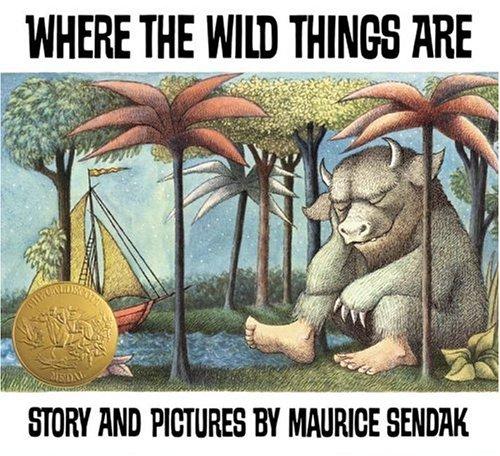
Where the Wild Things Are cover

Where the Wild Things Are

by Maurice Sendak
1963 48 pages Ages 2-5

It validates big toddler emotions—anger, imagination, and the need for comfort—all in one perfect arc. The transition from Max's wild rampage to his quiet room where supper is waiting is deeply reassuring. Adults remember the exquisite art and the depth of feeling, while toddlers are mesmerized by the roar of the rumpus and the expressive monster faces. It’s the gold standard for imaginative play.

Read if: your child is navigating big feelings and needs a story that champions imagination and safe return.
3
Goodnight Moon cover

Goodnight Moon

by Margaret Wise Brown
1947 30 pages Ages 0-3

This is the essential ritual book. Its slow, meditative rhythm and listing narrative are hypnotic for toddlers, training their minds for sequence and pattern recognition. Every object in the great green room becomes a familiar friend. It’s not just a bedtime story; it’s a necessary component of the wind-down process, universally loved by every generation who has tucked in a child.

Read if: you are establishing a non-negotiable, calming bedtime routine.
4
Chicka Chicka Boom Boom cover

Chicka Chicka Boom Boom

by Bill Martin Jr. & John Archambault
1989 32 pages Ages 1-4

The unparalleled call-and-response rhythm and the visual representation of the alphabet in constant, slightly dangerous motion make this unforgettable. Toddlers demand this book for the sheer musicality of the language and the implied chaos of the 'boom boom.' It links letters, sounds, and physical action in a way few other books can match, making the alphabet stick through sheer force of rhyme.

Read if: your child needs high-energy, rhythmic exposure to the alphabet.
5
Brown Bear, Brown Bear, What Do You See? cover

Brown Bear, Brown Bear, What Do You See?

by Bill Martin Jr. & Eric Carle
1967 30 pages Ages 0-3

Its perfectly predictable, repetitive structure allows toddlers to 'read' along almost immediately, boosting confidence and language recall. The simple color association and clear animal subjects are foundational concepts. Adults find comfort in its familiar cadence, and it’s a reliable tool for teaching basic observation skills in a highly engaging, colorful format.

Read if: your child is just beginning to understand pattern recognition and color naming.
6
Don't Let the Pigeon Drive the Bus! cover

Don't Let the Pigeon Drive the Bus!

by Mo Willems
2003 36 pages Ages 2-5

This book gives toddlers the ultimate power trip: telling an insistent character 'NO!' The Pigeon’s escalating pleas, from whining to flattery, perfectly mirror toddler negotiation tactics. It is pure, structured interaction. Adults find the simplicity and humor hilarious, guaranteeing they will never tire of reading the Pigeon’s antics. It’s a masterclass in reader participation.

Read if: your child delights in demanding control and making an adult do something silly.
7
The Cat in the Hat cover

The Cat in the Hat

by Dr. Seuss
1957 61 pages Ages 3-6

The ultimate classic for breaking the 'boring book' mold. The sheer audacity of the Cat and the delightful, contained chaos are irresistible to a toddler whose world is all about testing boundaries. The carefully controlled vocabulary creates an early sense of linguistic mastery for parents reading aloud, and it’s a story almost every parent grew up demanding.

Read if: your child is ready for longer sentences and enjoys controlled, playful anarchy.
8
Corduroy cover

Corduroy

by Don Freeman
1968 32 pages Ages 2-5

It’s a deeply moving story about belonging, self-worth, and friendship that resonates with adults' own quiet loneliness. Toddlers connect with Corduroy’s simple quest for wholeness (finding his button) and his successful connection with Lisa. It is gentle, emotionally honest, and the illustrations evoke a warm, timeless nostalgia.

Read if: your child responds to themes of searching, friendship, and gentle melancholy.
9
Green Eggs and Ham cover

Green Eggs and Ham

by Dr. Seuss
1960 64 pages Ages 3-6

Built on a 50-word vocabulary challenge, its genius lies in its relentless, hypnotic repetition and rhythm. This book forces toddlers to anticipate the next line, building critical phonological awareness while making them laugh at Sam-I-Am's persistence. Adults find the humor in the escalation and appreciate the linguistic artistry.

Read if: your child loves funny rhymes and needs to practice language prediction.
10
Press Here cover

Press Here

by Hervé Tullet
2010 56 pages Ages 1-4

This is active reading taken to its extreme. It requires the child to follow verbal commands (tap, shake, tilt, press) that manipulate the flat art in surprising ways. It brilliantly teaches cause and effect without screens, proving that a book can be a physical, magical device. Its cultural impact is undeniable; it redefined interactive picture books.

Read if: your child is starting to understand simple instructions and loves surprising sensory input.
11
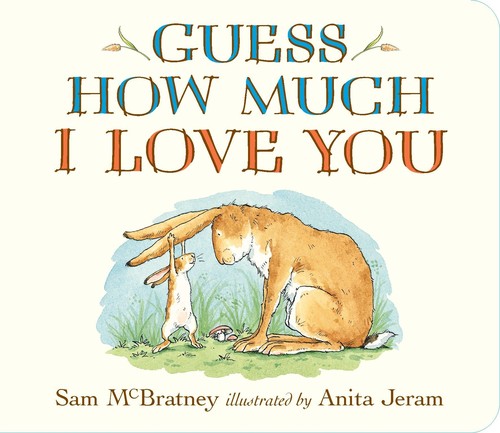
Guess How Much I Love You cover

Guess How Much I Love You

by Sam McBratney
1994 32 pages Ages 0-4

The definitive book for expressing immeasurable love. The competition between the two hares to quantify their affection—'I love you to the moon and back'—is beautifully simple and emotionally rich. It’s the book parents reach for when words fail, creating a tender, highly anticipated tradition that solidifies cross-generational emotional connection.

Read if: your child seeks clear, comforting reassurance of deep familial love.
12
Llama Llama Red Pajama cover

Llama Llama Red Pajama

by Anna Dewdney
2005 38 pages Ages 1-4

It perfectly narrates the specific, agonizing feeling of toddler separation anxiety when a parent steps out of the room. The rhyming is impeccable, creating a rhythm that comforts even as it describes distress. Adults remember the tension, and toddlers immediately recognize their own fears, leading to constant re-readings until resolution is achieved.

Read if: your child struggles with the transition from your presence to being alone at bedtime.
13
The Gruffalo cover

The Gruffalo

by Julia Donaldson
1999 32 pages Ages 2-5

The ultimate modern classic built on a brilliant folk-tale structure. The repetitive verse ('A Gruffalo! Why, I never thought of that!') is magnetic, and the central twist—the mouse outsmarting bigger animals—is empowering for a small child. It’s clever, wonderfully written, and the illustrations are instantly recognizable.

Read if: your child loves stories where the smallest character proves to be the smartest.
14
Moo, Baa, La La La! cover

Moo, Baa, La La La!

by Sandra Boynton
1982 24 pages Ages 0-2

Boynton's books are the essence of toddler humor: absurdity mixed with simple repetition. This book is a masterclass in getting a child to make the wrong sound deliberately, which is inherently funny at this age. It’s short, punchy, and the rhymes are so sticky that parents often quote Boynton years later.

Read if: your child thrives on quick, silly humor and simple animal sounds.
15
The Little Engine That Could cover

The Little Engine That Could

by Watty Piper (traditionally attributed)
1930 32 pages Ages 2-5

The purest distillation of the 'can-do' spirit, delivered through rhythmic, mantra-like repetition ('I think I can'). It’s a story that teaches perseverance through an object—a train—that toddlers inherently find fascinating. This book transcends generations as the essential narrative for overcoming an obstacle through sheer belief.

Read if: your child needs a motivating, repetitive story about effort and determination.
16
Harold and the Purple Crayon cover

Harold and the Purple Crayon

by Crockett Johnson
1955 64 pages Ages 3-6

It is the ultimate testament to creativity and agency. Harold literally draws his own world, validating the toddler's burgeoning imagination. It moves beyond passive reading; it inspires immediate creative play. Adults recall the freedom of that open-ended adventure, making it a book that fuels both reading and drawing time repeatedly.

Read if: your child shows the first sparks of drawing and creating their own worlds.
17
Pat the Bunny cover

Pat the Bunny

by Dorothy Kunhardt
1940 20 pages Ages 1-3

The progenitor of all 'touch-and-feel' books. Its importance is historical, but its function is timeless: demanding tactile interaction. For pre-verbal and early-verbal toddlers, feeling 'Daddy's scratchy face' or playing peek-a-boo is a profound, memorable literacy experience. It's the original participatory book.

Read if: your child needs to explore the world through touch and immediate sensory feedback.
18

The Snowy Day

by Ezra Jack Keats
1962 32 pages Ages 2-4

It is one of the most borrowed books for a reason: it captures the quiet magic of a first snow day, something many toddlers experience. Keats’ collage art is stunning, and the story is a gentle exploration of sensory details—the crunch, the melting snow in the bathtub. It’s quiet, beautiful, and deeply relatable for any child experiencing winter for the first time.

Read if: your child appreciates beauty in quiet, everyday moments and experiences seasonal change.
19
The Pout-Pout Fish cover

The Pout-Pout Fish

by Deborah Diesen
2008 32 pages Ages 1-4

The alliterative, ballad-like text makes this a massive re-read magnet; the rhythm practically begs to be chanted. It addresses a key toddler issue—a persistent bad mood—and resolves it gently. Adults love the lyrical language, and kids love the sheer fun of pronouncing 'blub, blub, bluuuub' and witnessing the eventual, delightful smile.

Read if: your child loves repetitive, rhyming text and you want to discuss lingering grumpy moods.
20
Little Blue Truck cover

Little Blue Truck

by Alice Schertle
2009 32 pages Ages 1-3

It's the perfect blend of vehicle fascination and simple teamwork narrative, culminating in a glorious cacophony of animal noises. The core message—being a good friend means helping others out of a jam—is delivered via sounds toddlers can easily imitate. It’s wholesome, predictable, and immediately requestable.

Read if: your child is obsessed with trucks and farm animals and enjoys participatory sounds.
21
The Going-to-Bed Book cover

The Going-to-Bed Book

by Sandra Boynton
1982 30 pages Ages 0-3

Like 'Moo, Baa, La La La!', it’s short, silly, and builds a routine. While 'Goodnight Moon' is meditative, Boynton is reassuringly goofy. The animals going through their routine ('And the cow goes to sleep') is a mirror for the toddler, making the act of winding down fun instead of a struggle. Essential for its brevity and humor.

Read if: you need a fast, funny book to signal the final stage of the bedtime routine.
22
Blueberries for Sal cover

Blueberries for Sal

by Robert McCloskey
1948 64 pages Ages 2-5

A beautiful, slightly old-fashioned story that centers on the charming parallel between Sal and a bear cub while their mothers ' பார்க்கும்/kuplink' (Kulp-kuplink) in the background. It’s a masterclass in pacing and gentle suspense that rewards patience. It's a literary touchstone adults remember fondly for its simple, perfect plot symmetry.

Read if: your child can follow a story with dual protagonists and appreciates classic, calm narrative.
23
Jamberry cover

Jamberry

by Bruce Degen
1983 48 pages Ages 2-5

It's a complete workout for the mouth and the imagination. The sheer volume of invented, nonsensical berry names ('Squibble-squobble,' 'Jum-jum') makes reading it a performance art, which toddlers adore. It’s pure linguistic joy and invites endless silly pronunciation games. It’s a beloved classic for the sheer fun of the language.

Read if: your child loves silly, made-up words and the opportunity for performative reading.
24
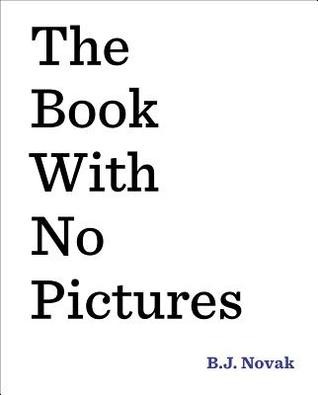
The Book with No Pictures cover

The Book with No Pictures

by B.J. Novak
2014 48 pages Ages 1.5-4

This book has the undeniable modern classic trajectory because it forces the adult reader to be the entertainment. The words *must* be read in the specified silly voice, turning the adult into a willing spectacle. It captures the pure, uncontrolled, knee-slapping laughter that only comes from witnessing someone else be ridiculous. It’s a guaranteed success.

Read if: you need a book that guarantees explosive laughter and breaks the fourth wall.
25
Giraffes Can't Dance cover

Giraffes Can't Dance

by Giles Andreae
1999 32 pages Ages 2-5

It’s an incredibly sweet story about finding your own rhythm instead of trying to fit into someone else's. The rhyming is energetic, and Gerald's initial self-doubt to his eventual triumphant 'boogie' is a deeply relatable arc for toddlers finding their motor skills. It’s become a modern standard for teaching self-acceptance through movement.

Read if: your child is shy about physical activities or needs encouragement to be themselves.

Honorable Mentions

Where Do Diggers Sleep at Night?
Where Do Diggers Sleep at Night? 2015
by Brianna Caplan Sayres

A perfect, rhyming wind-down book for construction-obsessed toddlers who need to see their favorite machines go to sleep.

The Going to Bed Book
The Going to Bed Book 1982
by Sandra Boynton

Short, silly, and excellent for establishing a final, humorous capstone to any bedtime routine.

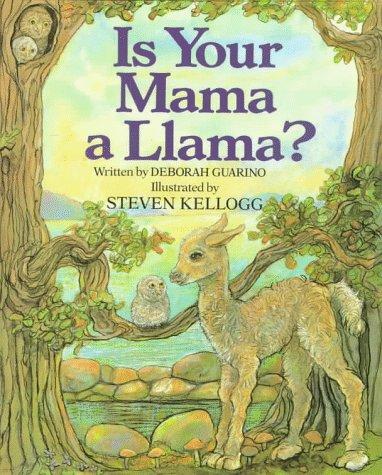
Is Your Mama a Llama?
Is Your Mama a Llama? 1989
by Deborah Guarino

A delightful, rhyming guessing game where Lloyd the Llama inquires about the mothers of his friends in charming sequences.

Dragons Love Tacos
Dragons Love Tacos 2012
by Adam Rubin

Hilariously absurd premise—dragons hate spicy food—that guarantees hysterical reactions from toddlers and repeat requests for the ensuing chaos.

We're Going on a Bear Hunt
We're Going on a Bear Hunt 1989
by Michael Rosen

The ultimate participatory book built on visceral onomatopoeia and a repetitive journey that toddlers beg to stomp, splash, and squelch through.

Freight Train
Freight Train 1978
by Donald Crews

Bold, graphic illustrations and simple text focused purely on the powerful visual motion of a train, making it mesmerizingly simple.

Madeline
Madeline 1939
by Ludwig Bemelmans

Though slightly longer, its classic rhyming cadence and memorable protagonist make it a multi-year favorite for adults and children alike.

Oh, the Places You'll Go!
Oh, the Places You'll Go! 1990
by Dr. Seuss

The vibrant, imaginative landscapes are captivating for toddlers, even if the deeper themes are reserved for later; it's pure visual wonder.

Frequently Asked Questions

Why are there no contemporary books published in the last 10 years in the main list?

Our philosophy is 'Time-Tested Classics.' For a book published recently to make this definitive list, it must show undeniable classic status—massive cultural adoption or near-universal praise that suggests longevity. While many new books are 'good,' only those that have already proven their staying power through hundreds of repeated readings by millions of families earn a spot among the essential 25.

My toddler only wants to look at books about vehicles/dinosaurs/etc. Should I prioritize their interest over these classics?

We recommend these books because they work even when the child is obsessed with something else. A book like 'The Little Blue Truck' satisfies the vehicle craving while delivering superior rhythm and teamwork. These selections are the foundation; their inherent brilliance and engagement power often surpass niche interests over time. Introduce the classics firmly, and their magic will typically win out over mere subject matter.

What is the difference between a picture book and a board book for this age range?

For ages 2-4, both are appropriate, but board books (like 'Goodnight Moon' in its durable form) are generally better for early toddlers (2-3) due to their sturdiness against rough handling. Picture books (like 'Where the Wild Things Are') are for when the child begins to respect page integrity. This list includes both formats based on what serves the story best.

Why is page count important in this selection?

For toddlers, attention span is key. We aim for books that are substantial enough to feel like a story (not just a few words) but brief enough to be requested repeatedly without exhausting the reader. The page counts listed reflect the durable, standard picture book or board book edition, ensuring the read is satisfying yet repeatable.

Audience Debug
Link copied!