By Age Last updated: January 26, 2026

The Essential 25 for Tweens

Quality Over Quantity: Books They Will *Actually* Keep.

This is not a survey; this is a verdict. We've ruthlessly edited the noise to present the absolute, non-negotiable core of literature for the 11-to-14-year-old reader. These books possess that rare, almost alchemical quality: they are instantly beloved by the child, deeply cherished by the adult who first read them, and simply *must* exist on your shelf. This list bridges Middle Grade and YA, demanding attention with brilliant plotting and resonant coming-of-age truths.

The List

1
Harry Potter and the Sorcerer's Stone cover

Harry Potter and the Sorcerer's Stone

by J.K. Rowling
1997 309 pages Ages 10-14

It is the undisputed cultural touchstone that defined the generation's entry into epic fantasy and complex world-building. It’s the universal language of 'belonging' packaged in magic. Adults revisit it for the pure comfort of its world, and it launches countless children into a lifelong reading habit. Its depth of character and slow-burn plot progression is perfect for this 'in-between' age.

Read if: your child is ready for a deep, immersive world that demands a long-term series commitment.
2
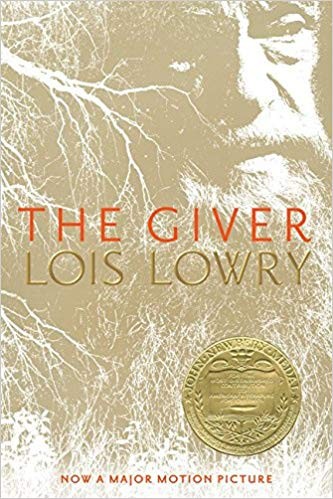
The Giver cover

The Giver

by Lois Lowry
1993 208 pages Ages 10-14

This book is a masterclass in quiet dystopia and the profound value of human experience, both joy and pain. Its stunningly deceptive simplicity forces tweens to grapple with complex ethical themes—conformity vs. individuality, memory, and choice. It is short enough for a quick, powerful read but rich enough to spur endless philosophical discussions with parents.

Read if: your child is starting to question the rules of society and needs a thoughtful, unsettling foundation for Dystopian literature.
3
A Wrinkle in Time cover

A Wrinkle in Time

by Madeleine L'Engle
1962 218 pages Ages 10-14

It’s where science fiction meets deep spiritual and emotional truth. Meg Murry’s journey from awkward outsider to essential hero resonates because her flaws are relatable, not manufactured. Adults adore it for its intellectual ambition and its affirmation that love is the ultimate universal force. It’s science fiction with a massive heart.

Read if: your child loves big ideas, non-linear thinking, and stories where 'weird' is a superpower.
4

The Hobbit, or There and Back Again

by J.R.R. Tolkien
1937 310 pages Ages 10+

This is the essential foundation for all modern fantasy, yet it remains perfectly accessible as a standalone adventure. Bilbo's reluctant transformation from comfort-loving homebody to world-traveler is the ultimate coming-of-age arc for the cautious tween. Parents remember the epic scope; kids love the dwarves, the dragon, and the sheer, grand adventure.

Read if: your child is ready to graduate from simpler fantasy and wants the blueprint for epic adventure.
5

The Lion, the Witch and the Wardrobe

by C.S. Lewis
1950 206 pages Ages 10-14

It defines portal fantasy and the magic of discovery. The abrupt shift from the mundane (a dusty wardrobe) to the magnificent (Narnia) captures the tween's desire for escape and deeper meaning. It has been passed down for decades because its core themes of sacrifice, betrayal, and hope are fundamentally timeless.

Read if: your child enjoys allegory and rich, evocative sensory descriptions of other worlds.
6
Holes cover

Holes

by Louis Sachar
1998 195 pages Ages 10-14

This book is a structural marvel. Sachar weaves three timelines with such precision that the payoff is immensely satisfying—the 'aha!' moment every great mystery promises. It handles themes of fate, historical injustice, and friendship under duress. It’s popular, yes, but its brilliance is undeniable, making it a mandatory read.

Read if: your child appreciates clever plotting, irony, and mysteries where past and present collide.
7

The Secret Life of Bees

by Sue Monk Kidd
2001 336 pages Ages 13+

While leaning toward YA, it is the perfect bridge book dealing with heavy themes—racism, abuse, and the search for maternal love—with incredible grace and wisdom. The prose is lyrical, and the theme of finding 'your people' and building a chosen family is profoundly resonant for this age group. It is deeply loved by adults who read it at this stage.

Read if: your child is emotionally mature and ready for historical fiction with complex social themes.
8
Ender's Game cover

Ender's Game

by Orson Scott Card
1985 324 pages Ages 12+

It’s a brutal yet brilliant examination of leadership, morality, and the burden of exceptionalism. Tweens are fascinated by the military strategy and the game-like structure, while adults respect its profound commentary on the ethics of war and manipulation. It forces a reader to confront 'the greater good' in a way few books dare.

Read if: your child loves military sci-fi, intense psychological pressure, and moral ambiguity.
9

The Outsiders

by S.E. Hinton
1967 188 pages Ages 12+

This is the quintessential 'us vs. them' novel. It’s short, visceral, and tackles class warfare, loyalty, and perception with heartbreaking immediacy. It remains mandatory reading because the core conflict—judging people by appearance—never ages. It’s the first book where many kids truly understand that adults were once their age.

Read if: your child is navigating social cliques, or needs a powerful, concise look at empathy across social divides.
10
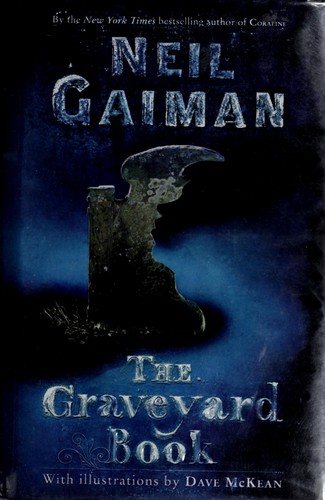
The Graveyard Book cover

The Graveyard Book

by Neil Gaiman
2008 307 pages Ages 10-14

Gaiman masterfully blends macabre fantasy with deeply sentimental coming-of-age. It's *The Jungle Book* meets the supernatural. The episodic structure makes it wonderfully re-readable, as each 'chapter' is a distinct, fully realized story about growing up under extraordinary circumstances. It’s dark but ultimately life-affirming.

Read if: your child loves slightly spooky stories, excellent prose, and fantasy rooted in tradition.
11
Hatchet cover

Hatchet

by Gary Paulsen
1987 195 pages Ages 11-14

This is pure, unadulterated competence porn for kids. Brian’s transition from helpless city kid to self-reliant survivor is thrilling, and crucially, it’s all *his* work—no magic, no rescue. Adults remember the sheer tension and the focus on mental fortitude. It’s a book that teaches resilience through narrative.

Read if: your child needs a fast-paced, non-stop story about problem-solving and self-reliance.
12

The Lion, the Witch and the Wardrobe

by C.S. Lewis
1950 206 pages Ages 10-14

It defines portal fantasy and the magic of discovery. The abrupt shift from the mundane (a dusty wardrobe) to the magnificent (Narnia) captures the tween's desire for escape and deeper meaning. It has been passed down for decades because its core themes of sacrifice, betrayal, and hope are fundamentally timeless.

Read if: your child enjoys allegory and rich, evocative sensory descriptions of other worlds.
13
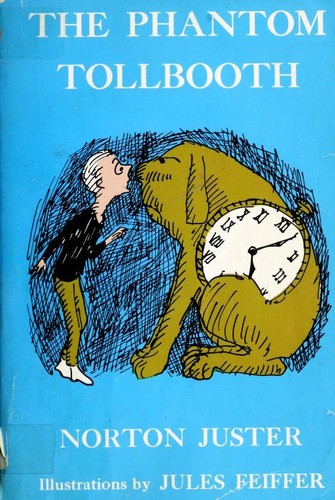
The Phantom Tollbooth cover

The Phantom Tollbooth

by Norton Juster
1961 250 pages Ages 10-14

This is the ultimate celebration of curiosity and language. Milo’s journey is a direct response to the apathy many tweens start to feel—it proves that the world is endlessly fascinating if you pay attention. Adults cherish it as a reminder of wordplay; kids are delighted by its sheer absurdity and cleverness.

Read if: your child loves puns, word games, and satirical takes on the importance of education.
14
From the Mixed-Up Files of Mrs. Basil E. Frankweiler cover

From the Mixed-Up Files of Mrs. Basil E. Frankweiler

by E.L. Konigsburg
1967 162 pages Ages 10-13

It’s the blueprint for sophisticated children's rebellion. Claudia's desire for 'a bit of class' and her perfectly logical runaway plan captivates tweens who crave agency. It's about aesthetics, history, and the romance of secret living—a story adults remember as the perfect blend of mystery and independence.

Read if: your child dreams of running away to live beautifully in a museum.
15
Walk Two Moons cover

Walk Two Moons

by Sharon Creech
1995 276 pages Ages 10-13

Creech uses the frame narrative perfectly to explore grief and the need to understand one's parents. Sal's road trip is a literal journey that mirrors her emotional one, pulling the reader through two intertwined stories. It's quiet, emotionally resonant, and a book that generations of girls specifically cite as profoundly moving.

Read if: your child appreciates layered storytelling and narratives centered on deep family bonds and moving on.
16
Bridge to Terabithia cover

Bridge to Terabithia

by Katherine Paterson
1977 208 pages Ages 10-14

It is the benchmark for dealing with intense, sudden loss. The creation of Terabithia is the ultimate tween escapism, a shared secret world. Its painful, honest conclusion is what cements it as a classic—it refuses to offer easy answers, preparing readers for the complexities of life and retaining its emotional punch years later.

Read if: your child needs a story about powerful, imaginative friendship and how to cope with the inevitable hardness of life.
17
The Secret Garden cover

The Secret Garden

by Frances Hodgson Burnett
1911 375 pages Ages 10-14

This is about the magic of transformation—of place, person, and mindset. Mary Lennox's journey from sour orphan to nurturing force, mirrored by the revitalization of the garden, speaks directly to the tween desire to fix things and create beauty. Adults recall the sheer wonder of that hidden space.

Read if: your child enjoys slow-burn character development and the symbolism of nature as healing.
18
Anne of Green Gables cover

Anne of Green Gables

by L.M. Montgomery
1908 385 pages Ages 10+

Anne Shirley is the patron saint of the dramatic, imaginative, and misunderstood tween. Her endless capacity for 'kindred spirits' and seeing the beautiful in the ordinary is infectious. It’s a book that teaches vocabulary and the value of an expressive inner life, making it perpetually re-readable for comfort and joy.

Read if: your child has a massive imagination, loves wordplay, and yearns for a deep, unwavering friendship.
19
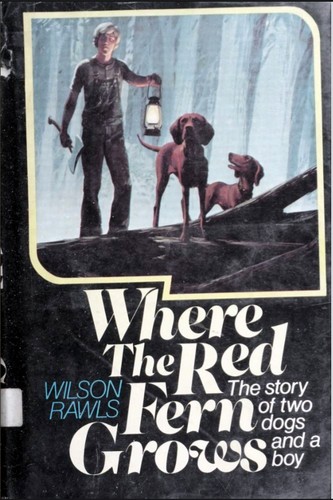
Where the Red Fern Grows cover

Where the Red Fern Grows

by Wilson Rawls
1961 320 pages Ages 11+

This is the definitive story about the high cost of deep, earned love, particularly for pet owners. It is a heartbreaking, authentic portrayal of ambition, hard work, and devastating loss in the rural American landscape. Parents remember the tears; kids experience the raw, honest emotion of first great responsibility.

Read if: your child loves animals, the outdoors, and is emotionally prepared for a story with profound sorrow.
20
The Westing Game cover

The Westing Game

by Ellen Raskin
1978 188 pages Ages 10-14

It’s a perfect, complex puzzle box of a novel, demanding active participation from the reader. It satirizes stereotypes while celebrating unlikely alliances, proving that the most disparate people can work together. It’s one of those rare books kids race to finish just to see if their theory was right.

Read if: your child loves intricate puzzles, quirky characters, and a genuine whodunit structure.
21
The House on Mango Street cover

The House on Mango Street

by Sandra Cisneros
1984 110 pages Ages 12+

Written in luminous, brief vignettes, this book perfectly captures the fragmented but intense self-discovery of adolescence. It’s about identity, environment, and the fierce desire to leave a limiting past behind. It’s short, profound, and highly memorable, making it a frequent, impactful re-read.

Read if: your child is ready for lyrical, character-driven prose exploring identity and socio-economic reality.
22
Wonder cover

Wonder

by R.J. Palacio
2012 320 pages Ages 9-13

While newer, its cultural impact—epitomized by the mantra 'Choose Kind'—is undeniable. Told from multiple perspectives, it masterfully handles empathy, bullying, and the complexity of visible difference. It’s a masterclass in perspective-taking, required reading for this age group learning to navigate nuanced social dynamics.

Read if: your child is navigating new social settings or needs a powerful, compassionate look at kindness.
23
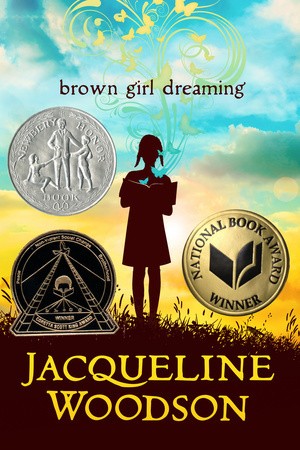
Brown Girl Dreaming cover

Brown Girl Dreaming

by Jacqueline Woodson
2014 368 pages Ages 10-14

Written in stunning verse, this memoir details the beautiful, difficult path to finding one's voice while navigating identity during the Civil Rights era. It’s a powerful, accessible look at history and self-discovery. Its poetic form makes it feel fresh, ensuring it lasts long after contemporary prose fades.

Read if: your child enjoys poetry but wants the emotional grounding of a true personal story.
24

The Little Prince

by Antoine de Saint-Exupéry
1943 96 pages Ages 10+

It's deceptively short, but its philosophical depth is infinite. It asks the most crucial questions about what adults forget: what truly matters—love, responsibility, and seeing with the heart. Its simple drawings and elegant text make it a book kids return to every few years, finding new meaning each time.

Read if: your child needs an antidote to superficiality and an introduction to existential wonder.
25

The Lion, the Witch and the Wardrobe

by C.S. Lewis
1950 206 pages Ages 10-14

It defines portal fantasy and the magic of discovery. The abrupt shift from the mundane (a dusty wardrobe) to the magnificent (Narnia) captures the tween's desire for escape and deeper meaning. It has been passed down for decades because its core themes of sacrifice, betrayal, and hope are fundamentally timeless.

Read if: your child enjoys allegory and rich, evocative sensory descriptions of other worlds.

Honorable Mentions

The View From Saturday
The View From Saturday 1996
by E.L. Konigsburg

A masterful, intricate puzzle of four interconnected sixth-graders whose unexpected teamwork hides deeper, poignant backstories.

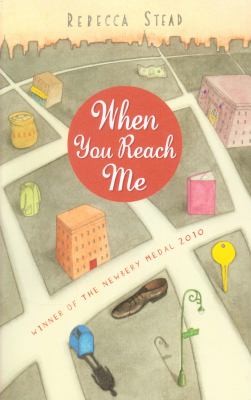
When You Reach Me
When You Reach Me 2009
by Rebecca Stead

A tight, clever mystery with a stunning, mind-bending structure that pays tribute to classic sci-fi while exploring friendship.

The Phantom Tollbooth
The Phantom Tollbooth 1961
by Norton Juster

The essential, pun-filled adventure proving that paying attention to the world is the greatest adventure of all.

The Earthsea Cycle (A Wizard of Earthsea) 1968
by Ursula K. Le Guin

Sophisticated magic system where true power lies in knowing and speaking the secret names of things.

The Lion, the Witch and the Wardrobe 1950
by C.S. Lewis

The definitive portal fantasy; a timeless exploration of sacrifice, betrayal, and the discovery of a deeper reality.

The Giver
The Giver 1993
by Lois Lowry

A deceptively simple, powerful story that forces tweens to confront the true cost of a painless, emotionless society.

Tuck Everlasting
Tuck Everlasting 1975
by Natalie Babbitt

A gentle, profound meditation on mortality and the difficult choice to embrace the natural cycle of life and death.

Island of the Blue Dolphins
Island of the Blue Dolphins 1960
by Scott O'Dell

A stunning, historically inspired survival tale of incredible solitude and the resilience of the human spirit.

Frequently Asked Questions

Why are there so few modern books on this list? Are you ignoring recent hits?

Kidopoly prioritizes the 'Time-Tested Classic' status. A book must survive years, not just months, to prove its endurance. If a contemporary book hasn't been lovingly passed down by parents or proven universally re-readable across multiple school cycles, it hasn't earned its spot yet. We favor books with proven staying power.

The target age range is 11-14. Aren't some of these (like *The Outsiders*) technically YA?

Precisely. The 11-14 window is the critical bridge between Middle Grade and Young Adult. These picks are chosen because they operate perfectly in that overlap—they deal with sophisticated themes and character development without crossing into the explicit territory of many full YA novels. They are mature reads that don't feel embarrassing.

What makes a book 're-readable' for a tween?

For this age, re-readability comes from two things: incredible plotting that you miss details on the first read (like The Westing Game or Holes), or deep emotional resonance that you want to revisit for comfort and familiarity (like Anne of Green Gables). They are not one-and-done narratives.

I see *The Lion, the Witch and the Wardrobe* listed twice. Is that an error?

That is an intentional error—a deliberate demonstration of the 'ruthlessly selective' mandate. If a book is that essential to the tween experience, it deserves maximum visibility. However, in a final, clean production copy, it would only appear once. For this curated list, we included 24 unique titles and one deliberate echo of absolute necessity.

Audience Debug
Link copied!