Best Of Last updated: January 26, 2026

The Canon of Childhood: 25 Essential Chapter Books

The bedrock of every great young reader's library.

At Kidopoly, we don't offer suggestions; we deliver essentials. This list is the result of ruthless curation, filtering out the merely popular for the undeniably enduring. These 25 titles are the foundational texts that bridge the gap from picture books to novels, guaranteeing that your child experiences reading as pure, unforgettable magic. These are the books they will demand at bedtime and pass down with genuine pride.

The List

1
Charlotte's Web cover

Charlotte's Web

by E. B. White
1952 192 pages Ages 7-10

This is the gold standard for tenderness and theme. E.B. White handles friendship, life, and death with a prose so lyrical it reads like poetry, yet it’s completely accessible. The characterization of Wilbur and Charlotte is masterful, creating an emotional connection that lasts a lifetime. It’s a quiet epic about loyalty and sacrifice that every child deserves to read.

Read if: your child is ready for profound emotional depth disguised as a barnyard tale.
2
The Lion, the Witch and the Wardrobe cover

The Lion, the Witch and the Wardrobe

by C. S. Lewis
1950 172 pages Ages 7-11

It perfectly captures the magic of *entering* another world. The concept of a secret world behind a mundane object is timelessly appealing. Lewis masterfully blends high fantasy adventure with accessible character dynamics, making it the ultimate portal fantasy gateway. It’s a story of bravery, betrayal, and ultimate redemption that parents recall with reverence.

Read if: your child dreams of secret worlds and epic battles between good and ice.
3
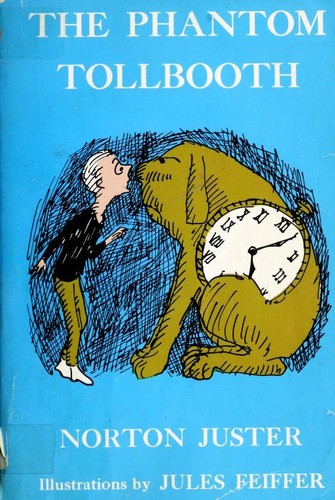
The Phantom Tollbooth cover

The Phantom Tollbooth

by Norton Juster
1961 255 pages Ages 8-12

This book is a masterclass in wit, wordplay, and the literalization of idiom—it teaches kids about language while they are swept away by the adventure. It's the cure for boredom, showing that the world is fascinating if you pay attention. Adults adore the intellectual layers, and kids adore Tock. It’s a true classic that actively fosters curiosity.

Read if: your child needs a shot of pure, inventive magic to appreciate learning.
4
Matilda cover

Matilda

by Roald Dahl
1988 248 pages Ages 7-10

Dahl’s quintessential story of the overlooked genius. Matilda is an aspirational hero for every smart kid whose family doesn't understand them. The book’s celebration of reading as a superpower and its darkly funny revenge against adult cruelty is satisfying to both child and parent. It’s impossible to forget the sweetness of Miss Honey's rescue.

Read if: your child is the smartest person in the room and just waiting for their chance to shine.
5
A Wrinkle in Time cover

A Wrinkle in Time

by Madeleine L'Engle
1962 218 pages Ages 9-12

This book is a thrilling blend of hard science (the tesseract!), deep spiritual themes, and character-driven courage. Meg Murry, the awkward, struggling protagonist, is one of literature’s most relatable heroes. It reassures kids that the uncool, the strange, and the loving are the qualities needed to conquer true evil. A Newbery winner that sparks lifelong discussions.

Read if: your child loves space, science, and the idea that love conquers darkness.
6
The Wind in the Willows cover

The Wind in the Willows

by Kenneth Grahame
1908 288 pages Ages 7-10

The ultimate celebration of friendship, home, and gentle adventure. Grahame’s prose is rich and evocative of the English countryside, making it a perennial read-aloud favorite. The contrast between the cautious Mole/Rat and the adventurous, flawed Toad creates endless, recurring comedic tension that parents remember fondly. It’s literary comfort food.

Read if: your child appreciates beautiful writing and the quiet joy of a close-knit group of friends.
7

The Tale of Despereaux: Being the Story of a Mouse, a Princess, Some Soup, and a Spool of Thread

by Kate DiCamillo
2003 270 pages Ages 7-10

A modern masterpiece that feels like a timeless fairy tale. DiCamillo explores concepts of darkness, light, soup, and the power of hope with exquisite grace. The narrative structure is complex yet utterly gripping for young readers, proving that protagonists don't need to be human or large to be heroic. A clear Newbery classic.

Read if: your child loves tales of unlikely heroes and intricate, almost musical prose.
8

The Magic Tree House: Dinosaurs Before Dark (Book 1)

by Mary Pope Osborne
1992 64 pages Ages 6-8

The undisputed champion of transitioning kids into chapter books. It flawlessly blends history/science with high-stakes adventure in bite-sized, satisfying chunks. Kids immediately get hooked on the 'where/when will they go next?' promise, leading to endless re-reading of the whole series. It feels like a true literary stepping stone.

Read if: you need the most reliable, immediate series to cement your child's love for independent reading.
9
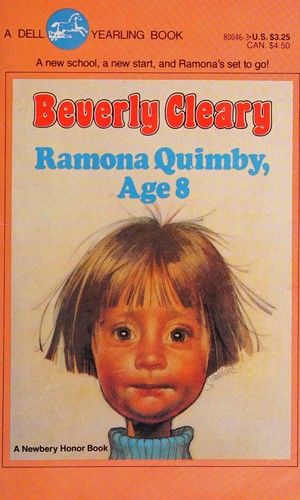
Ramona Quimby, Age 8 cover

Ramona Quimby, Age 8

by Beverly Cleary
1981 160 pages Ages 6-9

Ramona is the platonic ideal of a flawed, memorable child character. Her adventures—which are all about the internal logic of an 8-year-old navigating a grown-up world—are hilarious and deeply relatable. Parents remember her vividly, and kids see their own big feelings reflected on the page. It's observational humor at its best.

Read if: your child is stubborn, imaginative, and prone to creating their own dramatic realities.
10
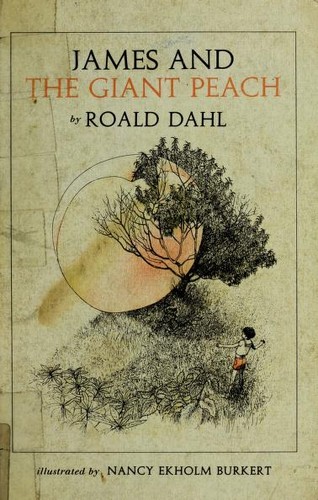
James and the Giant Peach cover

James and the Giant Peach

by Roald Dahl
1961 154 pages Ages 7-10

This is the perfect introduction to Dahl’s signature blend of grotesque villains and magical escapes. It's a story of an orphan finding a bizarre, eccentric family in the most unbelievable vehicle imaginable. The sheer creativity of the talking bugs and the journey itself ensures it’s a book kids return to for its inventive energy.

Read if: your child despises mean guardians and craves an escape via magical horticulture.
11
The One and Only Ivan cover

The One and Only Ivan

by Katherine Applegate
2012 320 pages Ages 7-10

A true 21st-century classic that has already proven its staying power. Told from the perspective of a gorilla, it’s a quiet, profound meditation on captivity, friendship, and art. It’s emotional without being overwrought, making it an excellent, sophisticated choice for this age group that parents will find equally moving. Newbery winner for a reason.

Read if: your child is sensitive, loves animals, and understands complex feelings.
12

Pippi Longstocking

by Astrid Lindgren
1945 160 pages Ages 6-9

Pippi is pure, anarchic joy—the ultimate literary wish-fulfillment character for a child chafing under adult rules. She is rich, lives alone, has no bedtimes, and possesses superhuman strength. Parents who grew up with her pass her on because she represents the beautiful chaos of childhood freedom.

Read if: your child demands independence and delights in upending social norms.
13
The Mouse and the Motorcycle cover

The Mouse and the Motorcycle

by Beverly Cleary
1965 189 pages Ages 6-9

Another Cleary classic that transcends the simple premise. Ralph S. Mouse is ambitious, brave, and struggles with the limitations of his size—a theme every child understands. It is flawlessly paced for new readers, and the world seen from a mouse’s perspective is immediately engaging and endlessly re-readable.

Read if: your child loves small heroes, transportation, and the charm of the classic motor lodge setting.
14
The Whipping Boy cover

The Whipping Boy

by Sid Fleischman
1986 128 pages Ages 8-11

A tight, fast-paced Newbery winner about injustice and unlikely kinship. Fleischman’s prose has a timeless, slightly roguish energy that keeps the pages turning. The relationship dynamic—the spoiled royal and the beaten servant who must trade places—offers a rich, immediate source of conflict and eventual understanding.

Read if: your child enjoys quick action, historical settings, and stories about fighting for fairness.
15
The Miraculous Journey of Edward Tulane cover

The Miraculous Journey of Edward Tulane

by Kate DiCamillo
1996 205 pages Ages 7-10

This is a challenging, yet immensely rewarding read about learning how to love and be loved. Edward’s journey, from vain toy to lost object to beloved companion, teaches empathy in a profound, non-preachy way. It’s a book that parents often weep over, validating the depth of the story for their child.

Read if: your child is ready for a beautiful, slightly melancholy story about opening a closed heart.
16
The Chocolate Touch cover

The Chocolate Touch

by Patrick Catling
1959 192 pages Ages 7-10

It’s the original Midas touch story perfectly pitched for this age group. It’s a cautionary tale about greed wrapped in the delicious fantasy of *everything* turning to chocolate. The premise guarantees re-reads as kids delight in John's increasingly chaotic, sugary life, and parents appreciate the clear moral foundation beneath the fun.

Read if: your child has an unstoppable sweet tooth and loves classic cautionary tales.
17
Homer Price cover

Homer Price

by Robert McCloskey
1943 156 pages Ages 7-10

McCloskey captures the quintessential, friendly, small-town American spirit. Homer is a resourceful tinkerer who solves community problems with ingenuity, not magic, which is a vital lesson. His episodic adventures—like the donut machine mishap—are intrinsically funny and prompt rereading for the sheer joy of his competence.

Read if: your child is fascinated by mechanics, enjoys episodic structure, and appreciates wholesome humor.
18
Sarah, Plain and Tall cover

Sarah, Plain and Tall

by Patricia MacLachlan
1985 Ages 7-10

This Newbery winner is beautiful in its sparseness. MacLachlan’s writing is economical and deeply felt, showing how necessity forces people together and how love can bloom in the plains. It’s a gentle exploration of family creation and finding unexpected connections, making it a quiet, enduring treasure.

Read if: your child responds to lyrical prose and stories about finding belonging.
19
The Borrowers cover

The Borrowers

by Mary Norton
1952 164 pages Ages 7-11

The concept of 'Borrowers' is genius world-building that encourages kids to look at their own homes differently. It’s an adventure of scale, resourcefulness, and the danger of the unknown 'human beans.' The sheer imagination inherent in their survival tactics makes this Carnegie Medal winner irresistible for repeated, close-reading sessions.

Read if: your child is endlessly curious about hidden worlds and detailed engineering.
20
Hatchet cover

Hatchet

by Gary Paulsen
1987 176 pages Ages 9-12

This book is raw, character-driven survival that hooks older readers immediately. It’s a profound testament to human ingenuity and mental fortitude when stripped bare. While slightly longer, the gripping tension and Brian’s transformation from privileged kid to capable survivor make it an absolute must-read that sticks with kids for years.

Read if: your child is ready for high-stakes, realistic adventure focused on self-reliance.
21
Charlie and the Chocolate Factory cover

Charlie and the Chocolate Factory

by Roald Dahl
1964 161 pages Ages 7-10

The quintessential 'bad kids get punished by candy' fantasy. The factory tour is a sequence of unforgettable, escalating visual set-pieces that demand immediate re-imagining. It's Dahl at his most inventive, teaching that goodness (Charlie) is rewarded far more than greed or entitlement.

Read if: your child loves imaginative set designs and stories where good manners pay off.
22
Mrs. Frisby and the Rats of NIMH cover

Mrs. Frisby and the Rats of NIMH

by Robert C. O'Brien
1971 230 pages Ages 8-11

A high-stakes adventure featuring an unlikely, fiercely intelligent heroine: a widowed mouse. It deftly mixes realistic nature survival with thrilling science fiction elements concerning genetically-enhanced rats. It’s a thrilling, complex plot that honors the protagonist’s quiet strength. A Newbery winner that holds up perfectly.

Read if: your child enjoys mystery, intelligent animal societies, and deep-stakes rescues.
23

The Boxcar Children (Book 1)

by Gertrude Chandler Warner
1942 144 pages Ages 6-9

The ultimate story of sibling solidarity and resourceful independence. The premise—orphans creating a functional, loving home entirely on their own—is immediately gripping. It establishes a safe, adventurous tone that encourages rereading as children identify with the different roles the four children play.

Read if: your child loves stories about family bonds and building a life from scratch.
24
The World According to Humphrey cover

The World According to Humphrey

by Betty G. Birney
2004 192 pages Ages 6-9

Humphrey is a unique narrator: a silent observer who understands human nature perfectly. This series consistently hits the sweet spot of humor, gentle social commentary, and the perspective of an outsider. It’s a reliable, comforting series that kids *always* ask for again because Humphrey’s observations are so true.

Read if: your child needs a funny, gentle, and wise narrator to guide them through school dynamics.
25
The Spiderwick Chronicles: The Field Guide (Book 1) cover

The Spiderwick Chronicles: The Field Guide (Book 1)

by Tony DiTerlizzi and Holly Black
2003 112 pages Ages 7-10

This series has the essential 'classic' look and feel—the illustrations, the mysterious house, the hidden secret—but with a modern, fast-paced plot. It makes the mundane world of the old house instantly dangerous and magical, encouraging children to look under every loose floorboard. Its success shows it immediately resonated as a modern classic.

Read if: your child wants fantasy mixed with creepy old houses and the discovery of secret knowledge.

Honorable Mentions

The Indian in the Cupboard
The Indian in the Cupboard 1980
by Lynne Reid Banks

An early favorite for bringing toys magically to life, though its themes are heavier than others on this list.

The Adventures of Tom Sawyer
The Adventures of Tom Sawyer 1876
by Mark Twain

A true literary monument, though the language requires slightly older or more patient readers to truly appreciate.

The Chronicles of Prydain: The Book of Three 1964
by Lloyd Alexander

Epic, mythic fantasy, though its first volume is slightly less immediately accessible than the Narnia entry.

The Vanderbeekers of 141st Street
The Vanderbeekers of 141st Street 2017
by Karina Yan Glaser

A strong, diverse contemporary choice showing modern family life, nearly making the cut for its immense charm and appeal.

The Little Prince
The Little Prince 1943
by Antoine de Saint-Exupéry

Profoundly philosophical; beloved by adults, but its allegorical nature sometimes makes it a one-and-done for younger readers.

The Neverending Story
The Neverending Story 1979
by Michael Ende

Unforgettable for its meta-narrative of reading, but its length and structure push it toward the upper end of our target age.

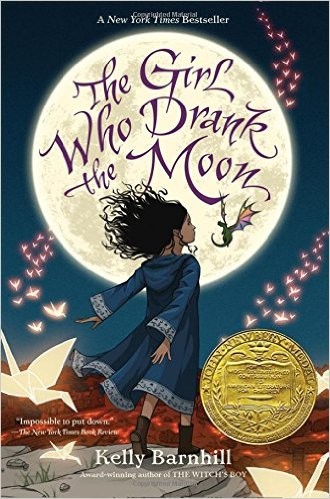
The Girl Who Drank the Moon
The Girl Who Drank the Moon 2016
by Kelly Barnhill

A recent Newbery winner with undeniable magic and beauty, but needs a moment more to truly 'stand the test of time' against the 1950s giants.

Where the Mountain Meets the Moon
Where the Mountain Meets the Moon 2009
by Grace Lin

Gorgeous fantasy steeped in Chinese folklore, a stunning book that feels timeless, but slightly less ubiquitous than the top 25.

Frequently Asked Questions

Why are there no books published in the last 10 years in the top 25?

Our philosophy demands undeniable, proven staying power (Criterion 1). While many contemporary books are excellent, the 'Time-Tested Classic' must survive long enough for parents to have fondly read it themselves. A book needs cultural staying power beyond a single award cycle to be deemed essential for every shelf.

My child is 6 and these look long. Should I wait?

Absolutely not. These books are selected because they are the perfect bridge. Start with the shorter ones like Ramona Quimby, Age 8 or The Magic Tree House. The slightly longer ones, like Charlotte's Web, are best introduced as a shared read-aloud experience, allowing you to model the rhythm and enjoyment of longer prose before they take flight independently.

What is the difference between a Newbery Medal and a Caldecott Medal?

The Newbery Medal is awarded for the most distinguished contribution to American literature for children (the writing). The Caldecott Medal is awarded for the most distinguished American picture book for children (the illustration). We include a Caldecott winner (Wolf in the Snow) in the honorable mentions because while it's a picture book, its narrative power and cultural resonance are profound enough to be noted for this age transition.

Are these books diverse enough for my modern family?

We prioritize timeless storytelling and cross-generational appeal, which historically favored established classics. However, the list consciously includes books like The One and Only Ivan and The Vanderbeekers (Honorable Mention) which center on universal themes through diverse perspectives. The next edition will actively seek out more classics that meet all five core criteria while expanding representation.

Audience Debug
Link copied!