Genre Last updated: January 26, 2026

Best Funny Books for Kids

Laughter That Lasts Generations. Our Essential 25.

At Kidopoly, we don't do filler. This list is the comedy gold standard—the books that have survived decades of scrutiny and still elicit genuine belly laughs from both children and adults. These selections feature brilliant wordplay, unforgettable characters, and humor so sharp it sharpens reading skills. If it’s not a guaranteed re-read, it’s not on this list. These are your bookshelf's essential headliners.

The List

1
The Stinky Cheese Man and Other Fairly Stupid Tales cover

The Stinky Cheese Man and Other Fairly Stupid Tales

by Jon Scieszka & Lane Smith
1989 32 pages Ages 4-8

A revolutionary masterwork of fractured fairy tales that mocks and reinvents the originals with every page turn. The sheer audacity of the wordplay, from 'The Princess & the Pizza' to the title character's overwhelming odor, ensures adults appreciate the satire as much as kids love the ridiculousness. It actively trains kids to think critically about narrative structure while making them giggle uncontrollably at the absurdity.

Read if: your child enjoys satire, visual gags, and gleefully subverting expectations
2
The True Story of the 3 Little Pigs! cover

The True Story of the 3 Little Pigs!

by Jon Scieszka & Lane Smith
1989 32 pages Ages 5-8

This is narrative voice training disguised as comedy. By giving the Big Bad Wolf a hilarious, self-serving alibi involving a sneeze and a request for sugar, Scieszka flips a classic narrative on its head. Lane Smith's illustrations—resembling a mix of legal documents and frantic sketches—perfectly capture the tone of a man trying desperately to save his reputation. It's brilliant comedy based on perspective.

Read if: your child is starting to question fairness and loves a good 'but really...' twist
3
Don't Let the Pigeon Drive the Bus! cover

Don't Let the Pigeon Drive the Bus!

by Mo Willems
2003 48 pages Ages 2-6

The humor lies entirely in the interactive, escalating pleading and the reader's absolute control. Every parent who has ever tried to enforce a boundary recognizes the Pigeon’s tactics. The simple text and expressive art create a uniquely funny, shared performance where the child gets to say 'NO!' repeatedly, making it an instant re-read magnet for establishing playful authority dynamics.

Read if: your child enjoys being given permission to be bossy (in a controlled, literary way)
4
Click, Clack, Moo: Cows That Type cover

Click, Clack, Moo: Cows That Type

by Doreen Cronin & Betsy Lewin
2000 32 pages Ages 3-7

A masterpiece of deadpan absurdity that introduces workplace negotiation (unions, strikes!) to toddlers. The image of hyper-literate, demanding cows is instantly iconic and hilarious. Cronin’s crisp, declarative writing, paired with Lewin’s expressive farm animals, ensures adults chuckle at the labor politics while kids delight in the animal uprising. It won a Caldecott Honor for a reason.

Read if: your child loves animals, or you enjoy teaching subtle lessons about negotiation
5
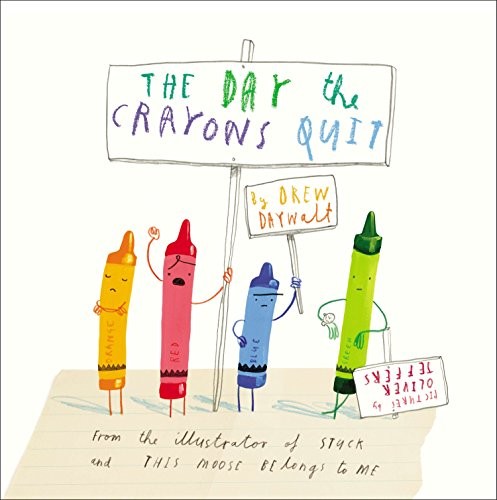
The Day the Crayons Quit cover

The Day the Crayons Quit

by Drew Daywalt & Oliver Jeffers
2013 32 pages Ages 4-8

This book thrives on character voice. Each crayon's letter of complaint—from Beige feeling overworked and invisible to Red feeling overused—is perfectly calibrated comedy. It's highly relatable for kids who feel misunderstood or overworked, and for adults who recognize the passive-aggressive office memo in every beautifully drawn letter. It's a contemporary classic in humor and originality.

Read if: your child enjoys character-driven narrative and funny epistolary formats
6
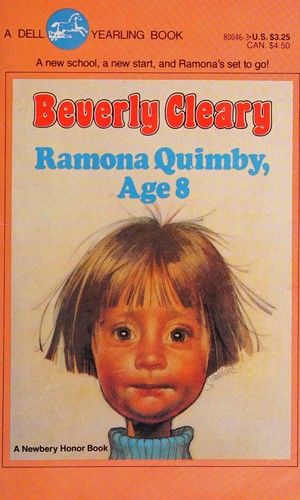
Ramona Quimby, Age 8 cover

Ramona Quimby, Age 8

by Beverly Cleary
1981 208 pages Ages 8-12

Ramona is the blueprint for relatable, messy, funny kid-protagonists. Her intense internal monologue about everyday humiliations—like cracking an unboiled egg on her head—is pure comedic gold that resonates deeply with the pre-tween experience. Parents remember her triumphs and missteps; kids find a kindred spirit whose life is, as described, 'never dull.' A Newbery Honor winner that proves character-driven humor endures.

Read if: your child is ready for chapter books and understands the agony of being misunderstood
7
Frog and Toad Are Friends cover

Frog and Toad Are Friends

by Arnold Lobel
1970 64 pages Ages 5-9

The gentle, deeply empathetic humor here is timeless. It’s built on the classic comedy duo dynamic: the meticulous, slightly fussy Toad and the calm, accepting Frog. Their perfectly written conversations about fear, friendship, and the simple absurdity of waiting for a letter are quiet comedy gold that parents cherish and kids absorb like essential life lessons.

Read if: your child enjoys dry wit, simple structure, and stories about enduring, slightly odd friendships
8
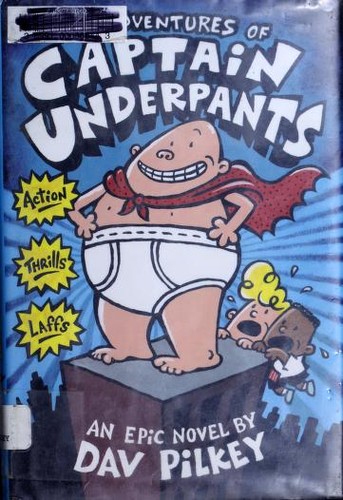
The Adventures of Captain Underpants cover

The Adventures of Captain Underpants

by Dav Pilkey
1997 128 pages Ages 7-12

This is high-octane, unapologetic, gross-out hilarity that appeals directly to the emerging independent reader. The flip-o-rama feature, the crude drawings, and the manic energy of two kids outsmarting adults through silliness create a book that readers *must* go back to. It is the gateway drug to reluctant reading, fueled entirely by potty humor and superhero satire.

Read if: your child is currently obsessed with silliness, superheroes, and drawing on everything
9

The Recess Queen

by Alexis O'Neill & Laura Huliska-Beith
2002 32 pages Ages 3-7

The rhythmic, almost chant-like text describing Mean Jean's playground reign is hilarious in its exaggeration. It’s funny because it captures the high stakes of playground politics with wonderful, invented words like 'lollapaloosh 'em.' The humor leads to genuine conflict resolution when friendship trumps tyranny, making it a book you’ll read annually to establish recess norms.

Read if: your child needs a funny, rhythmic story about asserting oneself (or dealing with a playground tyrant)
10
Diary of a Wimpy Kid cover

Diary of a Wimpy Kid

by Jeff Kinney
2007 224 pages Ages 8-12

Its format—a diary interspersed with crude, hilarious line drawings—perfectly captures the insecure, self-narrating voice of pre-adolescence. Greg’s constant attempts to climb the social ladder by avoiding effort are universally funny because adults remember feeling that way. This format is a massive re-read magnet for emerging readers who love observational, slice-of-life comedy.

Read if: your child is a reluctant reader who appreciates a visual diary format and middle-school mishaps
11
If You Give a Mouse a Cookie cover

If You Give a Mouse a Cookie

by Laura Joffe Numeroff & Felicia Bond
1985 32 pages Ages 3-7

The comedy here is the sheer, relentless logic of escalation. It’s the perfect book to read aloud with mock seriousness as the mouse’s simple request spirals into a chain of increasingly ridiculous activities. It’s a foundational text for understanding cause-and-effect humor, ensuring it’s read year after year to point out the next inevitable consequence.

Read if: your child loves stories that spiral into delightful chaos based on one small action
12
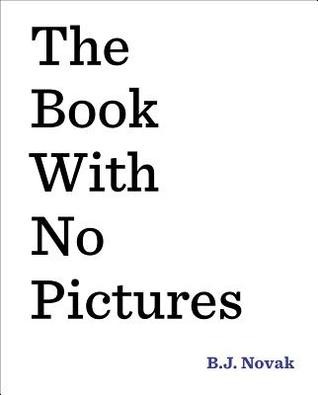
The Book with No Pictures cover

The Book with No Pictures

by B. J. Novak
2014 32 pages Ages 2-6

This book transfers the comedy from the page directly to the performer. The adult *must* read the silly, absurd words on the page ('BLUURF' or 'I am a monkey who eats stinky tofu') with complete sincerity, which is comedy gold for the child. It’s a brilliant, modern classic that demands full engagement and results in guaranteed, loud, shared laughter.

Read if: your child loves making the grown-ups in their life say ridiculous things
13
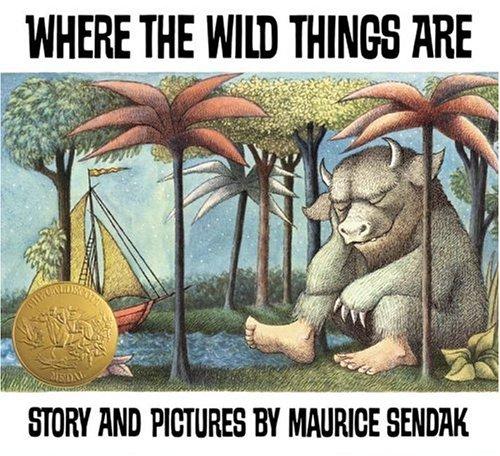
Where the Wild Things Are cover

Where the Wild Things Are

by Maurice Sendak
1963 40 pages Ages 4-8

The humor is in the magnificent, unrestrained catharsis of the 'wild rumpus.' Sendak validates the massive, uncontrollable energy of childhood anger and fantasy. The Wild Things are terrifyingly goofy, allowing kids to temporarily embrace their inner chaos safely before returning to the comfort of Mom’s loving discipline (and hot supper). It’s a classic for handling big emotions with a massive, funny release.

Read if: your child has big feelings or enjoys stories where they get to be the king
14
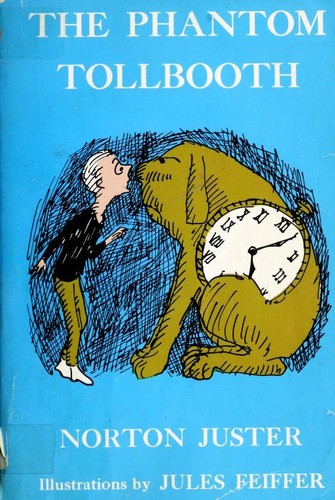
The Phantom Tollbooth cover

The Phantom Tollbooth

by Norton Juster
1961 250 pages Ages 10+

This is high-level linguistic comedy. The book is a sustained, brilliant exercise in literalizing metaphors—from the Whether Men to the Soundkeeper’s silent city. Adults enjoy the satire on language and bureaucracy; kids delight in the sheer, unexpected logic of a world run by puns. It’s a book that grows with the reader, making the humor richer each time.

Read if: your child is ready for clever wordplay and enjoys a truly epic journey
15

We Are in a Book! (An Elephant and Piggie Book)

by Mo Willems
2013 64 pages Ages 4-8

This installment breaks the fourth wall more completely than any other, directly involving the reader in the duo's meta-existential crisis. Piggie's boundless, chaotic enthusiasm contrasts perfectly with Gerald's literal, anxious nature. The comedy comes from the frustration of being *read* against the joy of *participating*.

Read if: your child loves fast-paced dialogue and understands the concept of an audience
16

Dragons Love Tacos

by Adam Rubin & Daniel Salmieri
2012 32 pages Ages 3-7

The book establishes a hilarious, high-stakes premise: Dragons *love* tacos, but absolutely *hate* spicy salsa. The logic is absurd, the situations are escalating, and the visual payoff of the dragon-salsa explosion is pure comedic spectacle. It's silly, visually exciting, and has a simple, repeatable premise that kids beg to read over and over.

Read if: your child loves dragons, tacos, or stories about a catastrophic social faux pas
17
Winnie-the-Pooh cover

Winnie-the-Pooh

by A. A. Milne
1926 160 pages Ages 5-10

The humor is rooted in the gentle, well-observed character flaws: Pooh’s single-minded obsession with honey, Eeyore’s magnificent pessimism, and Piglet’s constant anxiety. It’s sophisticated, warm humor—the kind where the adult hears the subtext of friendship and existential doubt, and the child just enjoys the word 'expotition' and the trouble Pooh gets into.

Read if: your child enjoys whimsical, character-driven, low-stakes adventures
18

Jumanji (Original Book)

by Chris Van Allsburg
1981 32 pages Ages 7-11

The humor stems from the sheer, unmitigated horror of domestic life suddenly becoming a jungle. Unlike the movies, the original book is a tight, suspenseful read where the jungle hazards spill out with alarming realism. The comedy is dark—the tension is so high it becomes funny when the kids realize they can actually *beat* the game and return everything to normal.

Read if: your child likes a little suspense mixed with their comedy, and appreciates dark, realistic consequences
19
Do Not Open This Book! cover

Do Not Open This Book!

by Andy Lee & Heath McKenzie
2014 32 pages Ages 3-7

It’s another brilliant fourth-wall breaker that turns the reading session into a tug-of-war. The character begs the reader *not* to turn the page because of the chaos that awaits, instantly making the child desperate to do exactly that. This constant, funny battle of wills between the book's character and the reader is pure interactive magic.

Read if: your child loves interactive reads where they are in charge of the action
20
The Witches cover

The Witches

by Roald Dahl
1983 240 pages Ages 9-13

Dahl's humor is dark, sharp, and completely unafraid of the grotesque, which is exactly what makes it so funny to older kids. The descriptions of the witches (square feet, blue saliva, working for The Grand High Witch) are wonderfully inventive horror-comedy. Adults enjoy the dark satire; kids love that an author isn't afraid to show them something truly scary-funny.

Read if: your child loves dark humor, British wit, and stories about triumph over evil
21
If You Give a Pig a Pancake cover

If You Give a Pig a Pancake

by Laura Joffe Numeroff & Felicia Bond
1982 32 pages Ages 3-7

This is the hilarious sequel/companion to the Mouse book, applying the same circular logic to a pig with even messier results. The escalation from making a pancake to needing a saw to cut the syrup jug, to building a treehouse, is perfectly executed nonsense. It's a comforting, funny loop that guarantees a return visit to see where the pig's needs will lead next.

Read if: your child enjoys the predictable, yet hilarious, chaos of the 'If You Give a...' series
22

Knuffle Bunny: A Cautionary Tale

by Mo Willems
2004 32 pages Ages 2-6

The humor here is deeply relatable parental panic mixed with child logic. Trixie’s total devastation over the loss of her stuffed bunny, Knuffle, is played for comedy by the parents who can't find it, until the stunning black-and-white reveal shows where it *really* went. The switch between color and B&W is a masterstroke that pays off the frantic hunt with a laugh.

Read if: your child has ever lost a favorite stuffed animal and you enjoy a moment of high parental anxiety comedy
23

The Day the Crayons Came Home

by Drew Daywalt & Oliver Jeffers
2015 32 pages Ages 4-8

This sequel maintains the high-quality voice comedy of the first, focusing now on the crayons who were *not* in the first book, or who had been lost. The letters detailing their bizarre adventures—being crammed into a couch, being stepped on—are sharp, observational, and wildly funny. It honors the original's structure while exploring new facets of crayon suffering.

Read if: your child loved the first Crayon book and needs more voice-driven epistolary fun
24
Matilda cover

Matilda

by Roald Dahl
1988 248 pages Ages 8-12

Matilda’s quiet, intellectual rebellion against her boorish family and monstrous headmistress is sublime comedy. Her use of telekinesis, particularly in punishing the horrid adults, is immensely satisfying and funny. It rewards intelligence and champions the child who reads far beyond their years, a theme that delights both the child reader and the parent who recognizes Dahl’s satirical genius.

Read if: your child is an early, voracious reader who dreams of turning the tables on boring adults
25
Press Here cover

Press Here

by Hervé Tullet
2010 56 pages Ages 2-6

This book redefines 're-read magnetism' by requiring a new, active interpretation every time. The simple instruction to 'Press here' and then 'Shake the book!' results in immediate, genuine, and often loud laughter. It’s funny because it plays with the physical properties of a book, making the reader the unwitting magician. It’s a modern classic of participation humor.

Read if: your child needs physical interaction and novelty to stay engaged with a book

Honorable Mentions

Jiggle, Giggle, Quack 2002
by Doreen Cronin & Betsy Lewin

The perfect, silly follow-up to 'Click, Clack, Moo,' centering on Farmer Brown’s duck demanding a diving board.

I Want My Hat Back
I Want My Hat Back 2011
by Jon Klassen

A masterpiece of dry, understated humor where the punchline is a quiet, darkly funny twist of circular logic.

The Bad Guys (Series) 2015
by Aaron Blabey

Fast-paced, graphic novel chaos fueled by hilarious dialogue and the irony of traditionally 'bad' animals trying to be 'good'.

Fortunately, Unfortunately 2012
by Michael Bungay Stanier & Ryan McG).

A simple, brilliant structure showing how every good thing leads to a bad thing, and vice versa, perfect for comedic storytelling practice.

The True Confessions of Charlotte Doyle
The True Confessions of Charlotte Doyle 1990
by Avi

Not primarily a comedy, but the salty, hilarious dialect and the sheer absurdity of the trial narration provide exceptional, dark humor for older readers.

Giraffes Can't Dance
Giraffes Can't Dance 1999
by Giles Andreae & Guy Parker-Rees

A charmingly funny tale of overcoming social awkwardness, whose humor lies in Gerald the Giraffe's ridiculously uncoordinated attempts at rhythm.

Diary of a Worm 2003
by Doreen Cronin & Harry Bliss

The deadpan observations of a worm's daily life—including worrying about being stepped on—are unexpectedly hilarious for all ages.

Cloudy with a Chance of Meatballs 1978
by Judi Barrett & Ron Barrett

A classic food-based fantasy where the entire town is nearly destroyed by an avalanche of giant, stale food falling from the sky.

Frequently Asked Questions

Why are older chapter books included when this list is for 'Kids'?

The definition of 'Kid' is broad here, catering to the family bookshelf. Classics like Ramona and Dahl's works are vital for the 8-12 demographic. Humor that works generationally often involves more complex language and situational irony, which is precisely what these chapter books deliver, ensuring adults remain engaged during read-alouds.

What separates 'genuinely funny' from 'merely popular' on this list?

Popularity fades; true comedy endures. We prioritized books that rely on brilliant linguistic construction (Scieszka, Cronin), unparalleled character voice (Cleary, Dahl), or groundbreaking reader interaction (Willems, Novak). Many popular books rely on trends or transient silliness; these selections have structural comedic integrity that makes them re-readable years later.

Are there any purely 'gross-out' humor books here?

No. While some books feature mild, contextually appropriate bodily humor (like the egg in Ramona or the sheer volume of the Stinky Cheese Man), they are only included because the core comedy is rooted in character, wordplay, or situation. Books relying solely on shock value are instantly rejected by the Kidopoly standard.

How do I handle the interactive books like 'Press Here' or 'The Book with No Pictures'?

These are performance pieces. The magic happens when you commit! For 'Press Here,' physically shake, tilt, and press with gusto. For 'The Book with No Pictures,' read the ridiculous words with the most serious, straight face possible. The humor is generated by your (the adult's) exaggerated commitment to the absurd instructions.

Audience Debug
Link copied!