Best Of Last updated: January 26, 2026

The Essential Graphic Novels

Visual Literature That Demands A Spot On Your Shelf.

As Chief Curator, I don't deal in mere popularity. This list is a gauntlet. These 25 graphic novels are the undeniable pillars of the medium for young readers—books with timeless art, stories that resonate deeply, and the kind of undeniable magic that parents cherish and kids revisit until the pages fall out. This is the curated core of visual literacy.

The List

1

Bone (Omnibus Edition)

by Jeff Smith
1991 1300 pages Ages 8+

The singular achievement in all-ages comics. It masterfully transitions from slapstick humor involving the Bone cousins and the utterly hilarious Rat Creatures into a sprawling, Tolkienesque epic. Its visual storytelling is so sophisticated that it elevates the entire genre. It's a massive commitment, but one that pays dividends in world-building and character depth, making it the ultimate re-read investment.

Read if: your child is ready for a long, deep, genre-blending adventure with a classic hero's journey structure.
2
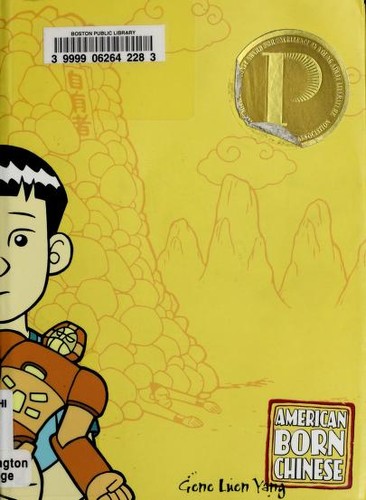
American Born Chinese cover

American Born Chinese

by Gene Luen Yang
2006 240 pages Ages 12+

This is essential American literature, full stop. Yang uses interlocking narratives—the Monkey King, a boy grappling with assimilation, and a walking stereotype—to deliver a profound message about identity and self-acceptance. It won the Printz Award, marking it as genuine literature. The visual language is clear, powerful, and perfectly serves the complex themes.

Read if: you want a book that sparks deep discussions about identity, race, and belonging.
3

Amulet (Book 1)

by Kazu Kibuishi
2008 192 pages Ages 8-12

Kibuishi created a modern touchstone for fantasy fans. It boasts a cinematic pace, gorgeous, moody artwork, and a desperate quest narrative that pulls kids in immediately. The mystery of the Amulet and the increasingly high stakes ensure it's a series kids gorge on, driving them toward complex world-building with every volume. It's the fantasy epic made accessible.

Read if: your child loves high fantasy, desperate rescue missions, and incredible, detailed world-building.
4

Hilda and the Troll

by Luke Pearson
2010 48 pages Ages 6-10

This is quiet, gentle fantasy at its absolute best. Hilda’s boundless curiosity in the face of the mundane made magical is what parents adore sharing. The clean, European-style art is unique and immediately recognizable. It fosters a sense of wonder about the hidden magic in the everyday, a feeling that truly lasts.

Read if: your child appreciates cozy fantasy, folklore, and stories where kindness and observation solve problems.
5
Smile cover

Smile

by Raina Telgemeier
2010 224 pages Ages 9-14

It is the *catalyst* for millions of reluctant readers. Telgemeier captures the universal, mortifying experience of early adolescence—the braces, the crushes, the identity struggle—with raw honesty and incredible relatability. Adults remember their own awkward phases viscerally while kids see themselves in every panel. It is simply unavoidable.

Read if: any child, especially one hesitant about reading, needs an instant visual hook into narrative.
6
Naruto (Vol. 1) cover

Naruto (Vol. 1)

by Masashi Kishimoto
1999 192 pages Ages 10+

It's the shonen titan that defined a generation of readers and inspired millions to pick up Japanese comics. The theme of relentless self-improvement, overcoming ostracization, and finding your 'ninja way' is pure, compelling drama. Adults who were teens in the 2000s grew up on this—it has proven staying power.

Read if: your child needs a fast-paced, action-heavy series centered on friendship, rivalry, and perseverance.
7
Zita the Spacegirl cover

Zita the Spacegirl

by Ben Hatke
2011 192 pages Ages 8-12

Hatke delivers pure, unadulterated adventure with Miyazaki-esque whimsy. Zita’s journey is one of accidental heroism, loyalty, and resourcefulness against truly inventive alien designs. The artwork is fluid and expressive, making the danger feel real without ever becoming too scary. It’s a perfect gateway adventure series.

Read if: your reader loves *Star Wars* or *Labyrinth* and needs a strong, relatable, girl-led quest.
8
New Kid cover

New Kid

by Jerry Craft
2019 224 pages Ages 10-14

The first graphic novel to win the Newbery Medal—this fact alone secures its place. Craft tackles microaggressions, class divides, and finding your footing with sharp wit and empathetic observation. It’s immediately relatable for kids experiencing their first taste of social navigation outside their comfort zone.

Read if: your child is entering a new school environment or needs a contemporary, award-winning story about fitting in.
9
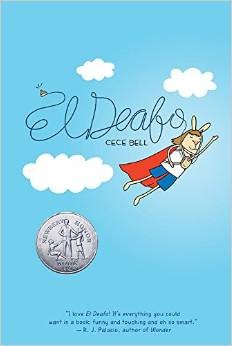
El Deafo cover

El Deafo

by Cece Bell
2014 240 pages Ages 8-12

An honest, funny, and deeply moving memoir about going deaf and learning to use a hearing aid. Bell uses visual ingenuity—representing her hearing loss through empty speech bubbles—that embodies visual literacy. It’s a story of embracing a difference that parents find deeply touching.

Read if: you want an authentic, Caldecott-honored story about difference, friendship, and finding your voice.
10
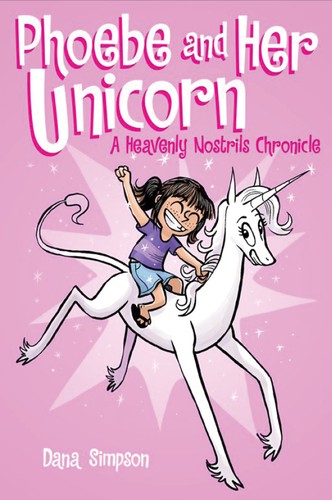
Phoebe and Her Unicorn cover

Phoebe and Her Unicorn

by Dana Simpson
2014 96 pages Ages 7-11

Born from a beloved newspaper strip, this series has that immediate, cross-generational appeal. The dialogue is sharp, witty, and often surprisingly philosophical—adults appreciate the wordplay as much as the kids love the magical premise. It’s pure, repeatable fun.

Read if: your child loves witty banter, sarcasm, and the idea of a friendship with an impossibly glamorous mythical creature.
11

Avatar: The Last Airbender - The Promise

by Gene Luen Yang
2011 288 pages Ages 10+

It continues one of the most universally beloved animated stories into the literary format with dignity. Yang maintains the heart, humor, and complex moral dilemmas of the source material. This proves that serialized visual storytelling can sustain deep, epic world lore, making it a necessary read for fans.

Read if: your family loved the TV series and needs quality continuation that respects the original themes.
12
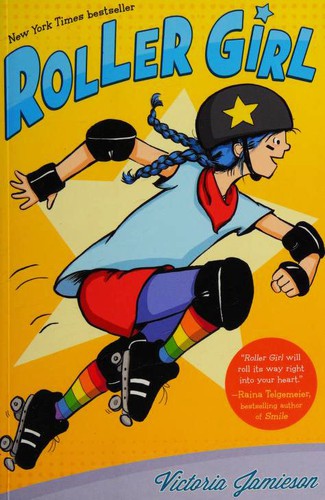
Roller Girl cover

Roller Girl

by Victoria Jamieson
2015 224 pages Ages 9-13

This book perfectly captures the awkward, exhilarating process of learning a new, slightly intimidating skill. It's about perseverance, finding your niche, and dealing with friends who move on. The clean art style is energetic, and the themes of effort and community resonate long after the last page.

Read if: your child is trying to master a new sport or is navigating the shifting dynamics of a close friendship.
13
This One Summer cover

This One Summer

by Mariko Tamaki & Jillian Tamaki
2014 320 pages Ages 12+

It's a Caldecott Honor book for a reason—it handles the transition from childhood to adolescence with heartbreaking nuance. The use of blue ink throughout gives it a distinct, nostalgic, and slightly sad visual tone that adults deeply connect with. It's a slow-burn, observational masterpiece about family secrets and growing up.

Read if: your reader is ready for subtle, emotionally complex storytelling about the bittersweet nature of a single summer.
14

Mighty Jack (Book 1)

by Ben Hatke
2016 192 pages Ages 7-11

From the creator of *Zita*, this takes the epic quest structure and grounds it in a more familiar, slightly darker backyard setting. Jack’s fierce, almost desperate protective instinct for his sister is powerful, and the folklore-inspired monsters feel both ancient and immediate. It’s a gripping fantasy that parents will recognize as high-stakes storytelling.

Read if: your child loves fairy tales but needs a more grounded, sibling-centric adventure.
15
Cardboard Kingdom cover

Cardboard Kingdom

by Chad Sell
2018 208 pages Ages 8-12

This book celebrates the infinite power of collaborative imagination. The art perfectly captures the magic of making something grand out of simple materials—cardboard swords look genuinely mighty. It’s a heartwarming, modern story about friendship, creativity, and consent that feels universally true.

Read if: your child loves backyard adventures, building forts, and celebrating pure, uninhibited creativity.
16

Naruto: The Seventh Hokage and the Scarlet Spring

by Masashi Kishimoto
2015 136 pages Ages 10+

This one-shot showcases the 'classic' narrative payoff: seeing the protagonist, now an adult, grapple with the responsibilities of mentorship and family. It speaks directly to the parents who followed the original series, offering them a glimpse of their hero grown up, and showing kids the necessary next step in a hero's life.

Read if: your child is invested in the *Naruto* world and is beginning to appreciate the concept of legacy.
17

The Nameless City (Book 1)

by Kazu Kibuishi
2005 180 pages Ages 8-12

This predates *Amulet* but shares the same DNA: stunning, immersive environmental art and a journey into a dangerous, mysterious past. It proves Kibuishi’s foundational skill in creating worlds kids *need* to explore. It's an older, slightly grittier aesthetic that still captivates repeat readers.

Read if: your child loves ancient ruins, archaeology, and high-stakes puzzle-solving.
18

The Graveyard Book (Graphic Novel Adaptation)

by Neil Gaiman & P. Craig Russell et al.
2014 336 pages Ages 10+

It successfully translates Gaiman’s lyrical prose into a visual medium, maintaining the mournful beauty and deep themes of life and death. The artwork across the various artists is a masterclass in visual interpretation. It’s a book that feels important to read as one grows older.

Read if: your child loves slightly spooky stories, unique family dynamics, and literary adaptations.
19
The Unbeatable Squirrel Girl (Vol. 1) cover

The Unbeatable Squirrel Girl (Vol. 1)

by Ryan North & Erica Henderson
2015 120 pages Ages 9-13

This book deconstructs the superhero genre with relentless humor and genuine positivity. Squirrel Girl defeats villains through logic, kindness, and sometimes just by talking them out of it. It’s a brilliant, funny introduction to Marvel characters that champions problem-solving over punching.

Read if: your reader likes superheroes but needs stories where intelligence and heart triumph over brute force.
20

Babysitters Club: Kristy's Great Idea (Graphic Novel)

by Ann M. Martin, Raina Telgemeier (Adaptor)
2019 224 pages Ages 8-12

It takes a beloved, time-tested prose series and revitalizes it for a new visual generation. Telgemeier's adaptation honors the original's focus on friendship, responsibility, and everyday social dynamics. It's a comforting, highly repeatable read that builds excellent reading stamina.

Read if: your child is ready for friendship dramas, light responsibility themes, and a consistently charming world.
21

Naruto: The Seventh Hokage and the Scarlet Spring (One-Shot)

by Masashi Kishimoto
2015 136 pages Ages 10+

This one-shot showcases the 'classic' narrative payoff: seeing the protagonist, now an adult, grapple with the responsibilities of mentorship and family. It speaks directly to the parents who followed the original series, offering them a glimpse of their hero grown up, and showing kids the necessary next step in a hero's life.

Read if: your child is invested in the *Naruto* world and is beginning to appreciate the concept of legacy.
22

The Cardboard Kingdom vs. The Lurking Menace

by Chad Sell
2023 240 pages Ages 8-12

The sequel proves the original wasn't a fluke. It deepens the lore and raises the stakes while maintaining the original's core philosophy: imagination is the greatest weapon. The sequel shows the characters growing *with* the readers, ensuring the re-readability factor remains high.

Read if: your child loved the first book and needs proof that a favorite series can grow with them.
23

Princess Jellyfish (Vol. 1)

by Akiko Higashimura
2010 200 pages Ages 14+

This manga is a masterclass in character comedy and found family. It champions the 'geek' identity (specifically for jellyfish enthusiasts) and critiques societal beauty standards through sharp, affectionate humor. Adults love the nuanced character writing; older teens love the validation of their passions.

Read if: your older reader enjoys quirky comedy, fashion commentary, and a strong focus on unconventional friendships.
24

Ms. Marvel (Vol. 1: No Normal)

by G. Willow Wilson & Adrian Alphona
2014 128 pages Ages 12+

Kamala Khan is arguably the most significant modern comic book hero, reflecting a real, diverse readership. Wilson wrote a story about a nerdy, obsessed teen trying to balance family expectations with sudden superpowers. This book defined the modern, inclusive superhero narrative and is already legendary.

Read if: your reader loves superheroes but demands contemporary representation and stories rooted in real-world challenges.
25
Dog Man (Book 1) cover

Dog Man (Book 1)

by Dav Pilkey
2016 64 pages Ages 5-9

While many dismiss it, Pilkey’s work is the purest form of 'Re-Read Magnetism' available. It’s written *for* kids, encouraging them to write and draw their own stories within the book. This format fosters active engagement and pure, unadulterated visual glee, securing its place as a mandatory, albeit simple, foundational read.

Read if: your child is newly reading, loves bathroom humor, and benefits from books that actively encourage them to create.

Honorable Mentions

Nathan Hale's Hazardous Tales: One Dead Pirate 2012
by Nathan Hale

Brilliantly funny, meticulously researched historical non-fiction disguised as chaotic, meta-commentary comics.

Babymouse: Queen of the Bees 2005
by Jennifer L. Holm & Matthew Holm

A foundational series for early-grade readers, using simple black/pink art to convey relatable anxieties.

Kimi ni Todoke: From Me to You (Vol. 1) 2006
by Karou

The ultimate time-tested, slow-burn, heartwarming romance that bridges the gap between middle grade and YA.

Ghostopolis
Ghostopolis 2010
by Doug TenNapel

Visually inventive blend of suburban life and spectral adventure, showcasing TenNapel's unique kinetic style.

The Adventures of Tintin: The Crab with the Golden Claws 1941
by Hergé

The granddaddy of global adventure comics; classic, clean lines, and globally recognized heroism.

Sahara 2024
by T. Kingfisher

A recent, fantastic fantasy adventure with complex world-building that feels instantly classic and deeply character-driven.

Catstronauts: Mission Moon 2017
by Drew Brockington

A high-energy, fact-adjacent romp that proves science education can be delivered with pure absurdity and charm.

The Adventures of Tintin: The Blue Lotus 1936
by Hergé

A historical milestone showing early commitment to complex geopolitical themes in sequential art.

Frequently Asked Questions

Why are older comic series included when the list emphasizes 'classics in the making'?

Kidopoly's primary focus is 'TIME-TESTED CLASSICS.' For graphic novels, that means including the foundational, generation-defining works like Bone and Naruto that established the market. These titles have demonstrably stood the test of time across multiple reading generations and remain essential entry points for new readers today.

What makes a book 'indefinable magic' instead of just 'well-reviewed'?

Magic is the re-read compulsion. A 'well-reviewed' book is consumed once; a 'magical' book is requested repeatedly, often recited from memory, and surfaces in conversations years later. It’s the book that forms an emotional, recurring bond with the child, making the art and story inseparable from a cherished memory.

Is manga truly suitable for the same shelf as Western graphic novels?

Absolutely. Our criteria demand brilliant storytelling and cross-generational magic, not adherence to a single national format. Iconic manga like Naruto and Princess Jellyfish have shaped global visual literacy and are essential reads that parents often discover alongside their children.

My child is younger than the suggested age range; can they read these?

The suggested age range is based on publisher recommendations and thematic complexity. For younger, advanced readers, the visuals of many titles like Bone or Zita often carry the story even if the themes are slightly ahead. However, always vet books with mature themes (This One Summer, American Born Chinese) first to ensure alignment with your family's values.

Audience Debug
Link copied!