Best Of Last updated: January 26, 2026

The Kidopoly Canon: 30 Essential Picture Books

Visual storytelling elevated to the highest art.

At Kidopoly, we discard the noise. This is not a list of 'popular' books; it is the bedrock of early visual literacy. These 30 selections have earned their permanent place through flawless art, storytelling that resonates across generations, and a sheer magnetic quality that demands repeated readings. If it's here, it's essential.

The List

1
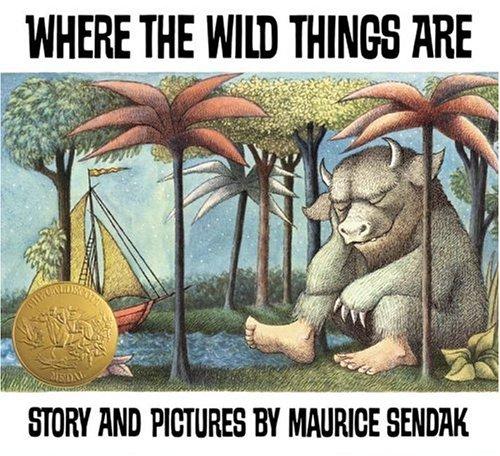
Where the Wild Things Are cover

Where the Wild Things Are

by Maurice Sendak
1963 40 pages Ages 3-7

This book is the gold standard for validating big childhood emotions. Sendak’s detailed, expressionistic black-and-white illustrations expand into glorious full-color double-page spreads for the 'wild rumpus,' perfectly mirroring Max’s internal emotional explosion and subsequent calm. It respects a child's anger while showing them they can always return to love. A revolutionary, unforgettable visual journey.

Read if: your child needs to explore big feelings or enjoys imaginative journeys beyond their bedroom.
2
The Very Hungry Caterpillar cover

The Very Hungry Caterpillar

by Eric Carle
1969 32 pages Ages 0-4

The iconic die-cut holes are a masterclass in tactile, engaging storytelling, teaching concepts like counting, days of the week, and life cycles. Carle’s signature collage technique is instantly recognizable and remains visually arresting decades later. It’s a simple narrative executed with absolute brilliance in both text and innovative design, guaranteeing endless re-reads.

Read if: you are introducing foundational concepts like counting, days, and metamorphosis.
3
Goodnight Moon cover

Goodnight Moon

by Margaret Wise Brown, Illus. by Clement Hurd
1947 30 pages Ages 0-3

The definitive bedtime ritual. Its hypnotic, rhythmic text lulls both child and reader, while Hurd's sophisticated, atmospheric illustrations—a slow fade from bright color to deep shadows—create a sense of safety and completion. It’s a quiet masterpiece of pacing and visual atmosphere that anchors the end of the day for millions.

Read if: you need a non-negotiable, universally adored bedtime book for infants and toddlers.
4
The Gruffalo cover

The Gruffalo

by Julia Donaldson, Illus. by Axel Scheffler
1999 32 pages Ages 3-7

The narrative construction—a trickster story in perfect, rollicking rhyme—makes it an absolute joy to read aloud. Scheffler’s character designs are instantly iconic; the Gruffalo is a creature of imagination made real. The story’s tight plot rewards repeated readings, revealing the cleverness in every verse and every visual clue the mouse leaves behind.

Read if: your child loves clever wordplay, rhythm, and a story where the small outwit the large.
5
Chicka Chicka Boom Boom cover

Chicka Chicka Boom Boom

by Bill Martin Jr. & John Archambault, Illus. by Lois Ehlert
1989 32 pages Ages 1-5

This is the ultimate alphabet book because it turns letters into characters with agency. Ehlert’s graphic, high-contrast art is immediately engaging, and the cumulative, energetic chant of the text is irresistible. It’s a loud, vibrant, unforgettable way to teach the alphabet and associate letters with action.

Read if: you want to teach the alphabet with unstoppable, infectious energy.
6

The Snowy Day

by Ezra Jack Keats
1962 32 pages Ages 2-5

A landmark book for its time, featuring a Black protagonist whose simple wonder at the snow is universal. Keats’ unique collage style, using painted paper cutouts, gives the snowy world a tangible texture and depth. It’s a quiet meditation on simple joy and memory, something adults cherish deeply.

Read if: your child appreciates quiet wonder, texture, and groundbreaking, warm visuals.
7
Corduroy cover

Corduroy

by Don Freeman
1968 32 pages Ages 2-6

This is the foundational story of finding a true friend and the comfort of belonging. Corduroy’s quest for his missing button provides a simple, compelling adventure. Freeman's soft, endearing illustrations create an immediate emotional connection; every child feels they must be the one to take Corduroy home.

Read if: your child loves gentle stories about dolls, bears, and the security of being chosen.
8
Harold and the Purple Crayon cover

Harold and the Purple Crayon

by Crockett Johnson
1955 64 pages Ages 4-8

It is the ultimate testament to imagination over limitation. The entire world is built by the crayon, and the visual language is genius in its simplicity—a boy, a crayon, and endless possibilities sketched in purple on white. It encourages children to see their own power to create and control their narrative.

Read if: your child is a budding artist who understands the power of an idea.
9
Make Way for Ducklings cover

Make Way for Ducklings

by Robert McCloskey
1941 68 pages Ages 4-8

A true American classic whose gentle narrative and meticulously observed illustrations of Boston charm all ages. The escalating drama of the ducklings' safe passage, guided by the patient policeman, teaches community and sequence. McCloskey’s pencil work is both realistic and tender, making the duck family feel deeply real.

Read if: your child enjoys quieter adventure stories with realistic settings and strong community themes.
10
Don't Let the Pigeon Drive the Bus! cover

Don't Let the Pigeon Drive the Bus!

by Mo Willems
2003 48 pages Ages 2-6

This book is pure, interactive genius. The story exists entirely because the reader *must* say 'No!' to the pigeon's increasingly desperate pleas. Willems' spare, bold, expressive character art perfectly captures the pigeon's mounting frustration. It’s a hilarious, brilliant lesson in boundaries and reader participation.

Read if: your child needs a book that actively involves them in the story with direct requests.
11
Madeline cover

Madeline

by Ludwig Bemelmans
1939 56 pages Ages 3-6

An enduring European classic defined by Bemelmans’ loose, painterly, almost impressionistic style. The rhyming text is sophisticated yet instantly memorable, telling a story of bravery and uniqueness. The illustrations *are* the story's charm—full of life, architecture, and old-world whimsy that adults recognize and kids adore.

Read if: your child loves stories set in grand European cities and memorable, slightly mischievous characters.
12
The Tale of Peter Rabbit cover

The Tale of Peter Rabbit

by Beatrix Potter
1902 56 pages Ages 3-7

The very definition of a timeless classic, praised for its 'ruthless' adventure and beautiful, naturalistic watercolors. Potter’s mastery lies in making the world of small animals feel as real and dangerous as human life. The adventure is thrilling, and the consequences of disobedience are clear, all captured in exquisite detail.

Read if: your child appreciates meticulous, classic illustrations and stories with genuine stakes.
13

Caps for Sale: A Tale of One, Hundred, and One Cap Sellers

by Esphyr Slobodkina
1940 48 pages Ages 3-6

This is a pure, cumulative story of escalating frustration and cathartic release. The humor comes from the repetition and the visual gag of the monkeys mirroring the seller's tantrum. Slobodkina’s direct, somewhat primitive, yet charming art style perfectly suits this classic folk tale structure, making it endlessly replayable.

Read if: your child loves stories with escalating repetition and satisfying, funny resolutions.
14

Stellaluna

by Janell Cannon
1993 48 pages Ages 3-7

A beautiful, tender story about cultural difference, belonging, and seeing beyond superficial appearances. Cannon’s rich, dark, detailed illustrations bring the nocturnal world of bats to life, contrasting vividly with the bright, daytime world of the birds. It’s a powerful, gentle lesson in acceptance.

Read if: your child is navigating new social situations or needs a story about embracing differences.
15

Knuffle Bunny: A Cautionary Tale

by Mo Willems
2009 40 pages Ages 2-5

Willems masterfully blends media—sketchy drawings for dynamic scenes, photographic inserts for memory and context—to capture the sheer panic of a lost comfort object. The dialogue is sharp, funny, and perfectly mirrors parental exhaustion. The theme of an adult overreacting to a child’s small crisis is deeply relatable.

Read if: your child is losing a favorite toy or enjoys slightly chaotic, relatable family humor.
16
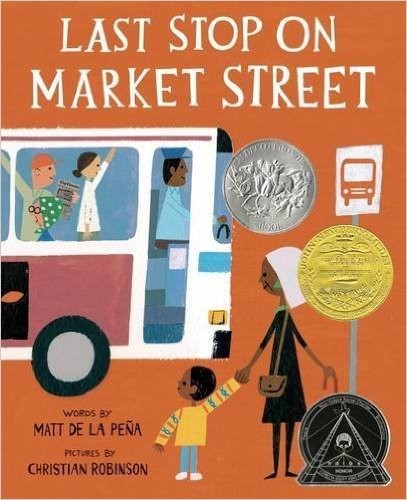
Last Stop on Market Street cover

Last Stop on Market Street

by Matt de la Peña, Illus. by Christian Robinson
2015 32 pages Ages 4-8

A modern Caldecott Honor winner that beautifully champions gratitude and finding beauty in the everyday, regardless of circumstance. Robinson’s bold, graphic, yet warm art style makes the ordinary city bus ride feel like a grand, significant journey. The intergenerational relationship is deeply moving and authentic.

Read if: your child benefits from seeing modern diversity celebrated while learning about perspective and thankfulness.
17
The Dot cover

The Dot

by Peter H. Reynolds
2003 32 pages Ages 4-8

This book is a modern mantra for overcoming the fear of failure. Reynolds’ simple, accessible art style puts the focus squarely on the universal theme: just start. The single dot becomes a symbol of potential, making it an incredibly empowering and frequently requested book for creative encouragement.

Read if: your child is hesitant to try new things or struggles with perfectionism.
18
Press Here cover

Press Here

by Hervé Tullet
2010 56 pages Ages 1-5

This book requires no reading; it demands participation. Tullet turns the physical act of reading into a magic show, utilizing the book's structure to create immediate cause-and-effect (tap the dot, shake the book, tilt the page). It’s a brilliant, non-digital way to teach interactivity and surprise.

Read if: your child loves to manipulate objects and respond physically to stories.
19

Julian Is a Dragon

by Jessica Love
2018 40 pages Ages 3-7

A breathtakingly beautiful, gentle story about self-acceptance and the unconditional love of family. Love’s watercolor illustrations are fluid, expressive, and full of deep, empathetic feeling. It has rapidly achieved classic status for its authentic, tender portrayal of a child exploring their identity with supportive affirmation.

Read if: your child is exploring self-expression or needs a powerful story about being seen and loved.
20
The Rabbit Listened cover

The Rabbit Listened

by Dorothy Howard, Illus. by Clark Hill Smith
2018 32 pages Ages 2-6

This Caldecott Honor winner teaches the profound value of simply *listening* when someone is sad or grieving. When other animals shout advice, only the quiet, present rabbit understands what is needed. The illustrations are soothing, giving space for the emotion without overwhelming it, making it a deeply meaningful read.

Read if: your child is dealing with loss, frustration, or needs a lesson in empathy.
21
If You Give a Mouse a Cookie cover

If You Give a Mouse a Cookie

by Laura Numeroff, Illus. by Felicia Bond
1985 32 pages Ages 3-6

The perfect introduction to circular logic and cause-and-effect chains. The narrative is so perfectly structured that kids anticipate the next step, demanding the loop continue. Bond’s charming, busy illustrations give life to every escalating request, making it a highly satisfying, re-readable romp.

Read if: your child loves predictable patterns, repetition, and humorous domino effects.
22
Llama Llama Red Pajama cover

Llama Llama Red Pajama

by Anna Dewdney
2005 32 pages Ages 1-4

This book nails the specific, intense anxiety of separation at bedtime. Dewdney’s rhyming is immediate and relatable, capturing the child’s escalating worry and the parent’s loving, swift response. It’s a modern classic that soothes separation anxiety through rhythm and ultimate reassurance.

Read if: your child struggles with bedtime separation or enjoys strong rhythmic rhyming.
23
Amazing Grace cover

Amazing Grace

by Mary Hoffman, Illus. by Caroline Binch
1991 32 pages Ages 4-8

A powerful story about overcoming doubt (and subtle prejudice) to achieve a dream. Binch’s art is warm, full of texture, and celebrates the vibrant life of the community Grace lives in. It’s a timeless, uplifting tale about knowing your own worth and that you can be anything you imagine.

Read if: your child needs a story about ambition, confidence, and seeing beyond societal limitations.
24
The Giving Tree cover

The Giving Tree

by Shel Silverstein
1964 64 pages Ages 5-9

Whether read as an allegory for unconditional love or as a cautionary tale about selflessness, this book sparks profound, multi-layered conversation. Silverstein's unique, spare line art forces the reader to confront the text's emotional weight. It is a book parents quote forever.

Read if: your child is ready for emotionally complex themes about love, taking, and giving.
25
Dragons Love Tacos cover

Dragons Love Tacos

by Adam Rubin, Illus. by Daniel Salmieri
2012 40 pages Ages 3-6

It is brilliantly absurd, which guarantees re-readability and laughter. The premise—dragons hate spicy salsa—is simple and leads to escalating, explosive comic chaos. The illustrations are manic, colorful, and perfectly match the high-octane silliness of the text, making it a favorite for energetic storytimes.

Read if: your child needs guaranteed laughter and loves absurd, high-energy stories.
26
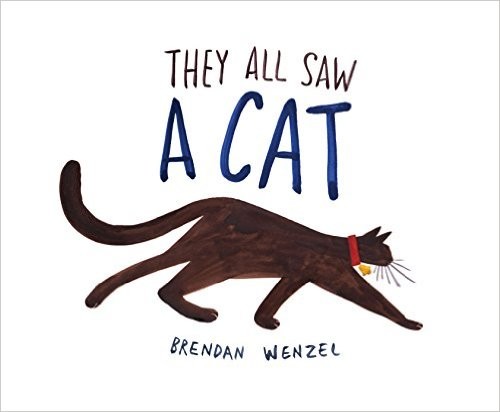
They All Saw a Cat cover

They All Saw a Cat

by Brendan Wenzel
2016 32 pages Ages 3-7

A Caldecott Honor book that is a masterclass in visual perspective and subjectivity. The simple narrative of a cat walking through the world is constantly reinterpreted by every creature it encounters. Wenzel’s constant style shifts demonstrate that perception *is* reality, a profound concept wrapped in a deceptively simple package.

Read if: your child is ready for conceptual thinking about how others perceive the world.
27
The Watermelon Seed cover

The Watermelon Seed

by Greg Pizzoli
2013 40 pages Ages 2-5

It tackles a universal childhood fear—swallowing a seed and growing a watermelon—with perfect, escalating comedic tension. Pizzoli’s bright, graphic style and the crocodile’s hilarious, over-the-top reactions make this an immediate favorite. It’s short, punchy, and resolves with maximum silliness.

Read if: your child is prone to imaginative worries or loves bright, high-contrast visuals.
28
Not Quite Narwhal cover

Not Quite Narwhal

by Jessie Sima
2017 32 pages Ages 3-6

A sweet, modern story about identity, feeling like you don't quite fit in, and the joy of discovering where you truly belong. Sima’s clean, colorful art and lighthearted tone make the emotional message accessible. It’s a book about realizing you are unique, but not alone.

Read if: your child feels like an outsider or loves fantasy creatures in unexpected settings.
29
Dreamers cover

Dreamers

by Yuyi Morales
2018 40 pages Ages 4-9

Morales’ Caldecott Honor-winning book is a tribute to the immigrant experience, told through breathtaking mixed-media art—paint, collage, and fabric—that feels deeply tactile and warm. It celebrates the power of dreams, stories, and hope when starting anew. It’s a stunning piece of visual poetry.

Read if: your child appreciates art that feels rich and layered, and stories about resilience.
30
The Little Engine That Could cover

The Little Engine That Could

by Watty Piper (Original text), Illus. by Loren Long (Modern classic edition)
1930 32 pages Ages 3-6

The ultimate, unshakeable story of positive self-talk and perseverance. While the original text is classic, Loren Long’s modern illustrations give the book cinematic scope and weight, making the little engine’s struggle and ultimate triumph feel epic. It's the definition of cross-generational encouragement.

Read if: your child needs a powerful, visual reminder that belief precedes ability.

Honorable Mentions

Jamberry
Jamberry 1983
by Bruce Degen

A wild, rhyming carnival of berries and imagination with highly kinetic, distinctive illustrations that beg to be deciphered.

The Bad Seed 2017
by Jory John, Illus. by Pete Oswald

A modern powerhouse using bold, simple art to explore agency and the idea that you are not defined by your past actions.

Extra Yarn 2012
by Mac Barnett, Illus. by Jon Klassen

Klassen's signature deadpan, beautifully composed illustrations bring a quiet, magical story about creative generosity and the mystery of source.

My Papi Has a Motorcycle 2019
by Isabel Castro, Illus. by Miguel Ordóñez

A vibrant, deeply affectionate look at the bond between a girl and her father, celebrated through stunning, kinetic illustrations of their neighborhood.

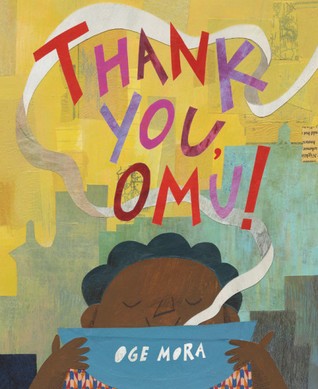
Thank You, Omu!
Thank You, Omu! 2018
by Oge Mora

A Caldecott Honor book with vibrant, expressive art that perfectly communicates the joy and value of sharing within a community.

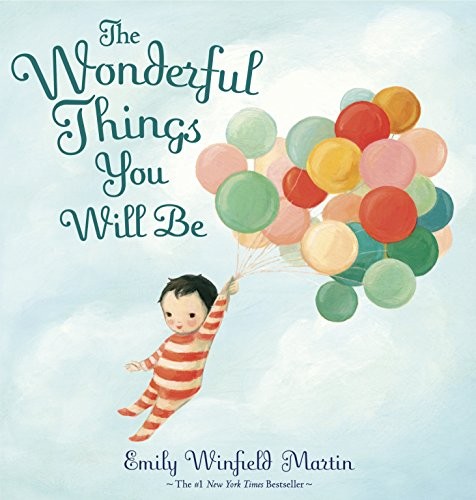
The Wonderful Things You Will Be
The Wonderful Things You Will Be 2015
by Emily Winfield Martin

An enchanting, slightly whimsical book featuring gorgeous, vintage-inspired art that speaks directly to a child's limitless future potential.

Ada Twist, Scientist 2016
by Andrea Beaty, Illus. by David Roberts

Roberts’ sharp, fashionable illustrations perfectly frame a fun, STEM-focused story about persistence in the face of failed experiments.

Grandpa's Teeth 2009
by Marcus Ewert, Illus. by Rex Schoger

A wonderfully silly story about a missing set of dentures, elevated by detailed, slightly surreal illustrations that are pure fun to pore over.

Frequently Asked Questions

Why are so many of these books published before 1990?

The core philosophy here is TIME-TESTED. Books published before 1990 that are still ubiquitous today have proven their cross-generational magic. They survived cultural shifts and changing tastes—a far greater indicator of quality than any recent sales spike. If a book from 1940 is still read enthusiastically in 2026, it meets our criteria for undeniable bookshelf status.

What makes an illustration 'good enough' for this list?

We demand visual storytelling that unites perfectly with the text. This means the art must either establish the entire mood (like The Snowy Day), advance the plot in a way the words don't (like Wolf in the Snow), or possess an instantly recognizable, masterful style that transcends trends (like Eric Carle). The art must earn its place alongside the story.

How do you judge if a modern book is a 'classic-in-the-making'?

We look for undeniable cultural heat and thematic weight. A book like Julian Is a Dragon or Last Stop on Market Street resonated immediately because they addressed contemporary truths with timeless artistry, winning major awards and generating cultural conversation that extends beyond simple entertainment. They have the staying power of a classic.

Are these books truly 're-read magnets'?

Absolutely. The books that made this list all contain structural elements that demand repetition: cumulative text (Chicka Chicka Boom Boom), circular logic (If You Give a Mouse a Cookie), interactive prompts (Press Here), or narrative reveals that become more satisfying upon re-reading (The Gruffalo). They are designed for ritual, not for a single read-through.

Audience Debug
Link copied!