10 Fun Facts

Ancient China Facts for Kids

Get ready to blast off on an adventure to Ancient China! This wasn't just a place with old buildings; it was a land of brilliant inventors, massive armies, and emperors who built things so big, they're still jaw-dropping today. Forget dusty textbooks; we're digging up 10 absolutely mind-blowing secrets about the people and places that shaped one of the world's greatest civilizations. Are you ready to discover why they were so far ahead of their time?

1

The Wall is Halfway Around the Earth!

TL;DR

The Great Wall is over 13,170 miles long!
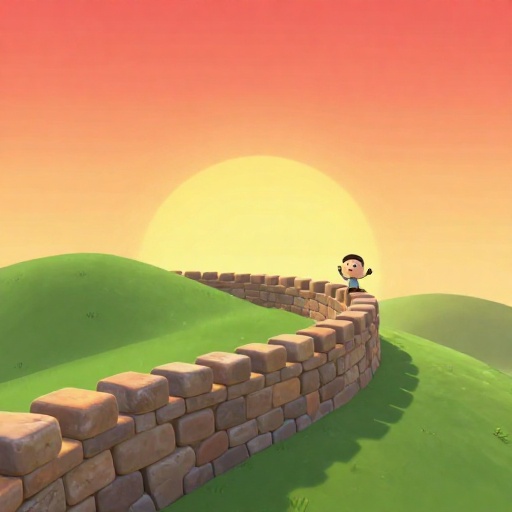
A cartoon illustration of the massive Great Wall of China winding across landscapes.

The official length of the Great Wall of China is 21,196.18 kilometers (13,170.7 miles). That's nearly half the distance around the entire Earth!

Imagine stacking 2,600 of your school buses end-to-end—that's just for the Ming Dynasty sections!

It’s made of so many stones, it’s like stacking 200 Empire State Buildings on top of each other, but stretched across mountains and deserts!

2

An Army of 8,000 Clay Look-Alikes!

TL;DR

Emperor Qin Shi Huang was buried with 8,000 life-sized clay soldiers.

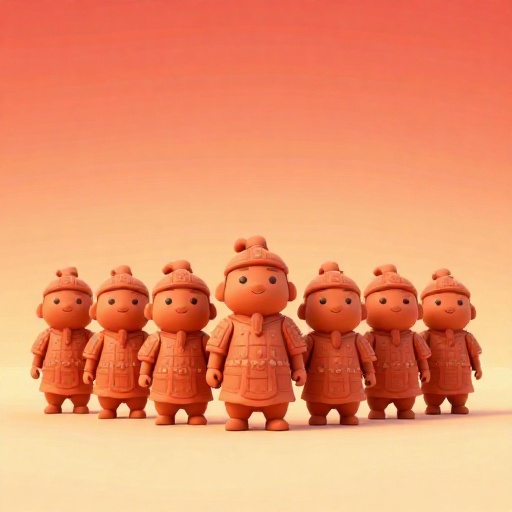
Cartoon Terracotta Warriors of various heights lined up.

The Terracotta Army has an estimated 8,000 soldiers, plus hundreds of horses and chariots, buried with Emperor Qin Shi Huang around 210 BCE.

The tallest general statues stood up to 2 meters (6.6 feet) tall—taller than most grown-ups today!

These weren't just statues; each warrior had a different face, like they were a real army waiting for their emperor in the afterlife!

3

Paper Was Invented 200 Years Earlier Than You Think!

TL;DR

The first true paper dates back to around 200 BCE in China.

Cartoon illustration of ancient Chinese paper next to raw materials.

While the court official Cai Lun is famous for it in 105 AD, archaeological finds show paper existed as early as 200 BCE.

This was way cheaper and lighter than writing on bamboo strips or expensive silk cloth for kids' scrolls!

They made the first paper from things like recycled fishing nets and mulberry bark. Talk about recycling pioneers!

4

The Compass Didn't Point North—It Pointed South!

TL;DR

Early Chinese compasses used lodestone to point South, not North.

Cartoon illustration of an early lodestone compass pointing south.

The first compasses, made of naturally magnetic stone called lodestone during the Han Dynasty (starting 202 BCE), were called the "South Pointing Fish."

They weren't for finding your way across the ocean yet- they were for geomancy, which is like using the earth's energy to place buildings perfectly!

It took until the mid-11th century for sailors to start using it to navigate the seas.

5

The World's First Cast Iron!

TL;DR

China was the first place in the world to use blast furnaces to make cast iron.

Cartoon illustration of cast iron emerging from a furnace.

Ancient China was the first civilization to figure out how to use a blast furnace to make cast iron—a metal stronger than bronze!

The earliest cast iron items we've found date back to the 5th century BCE.

This metal was so useful, they used it for everything from farm tools to weapons, centuries before other parts of the world caught on!

6

The Qin Dynasty: The Shortest MEGA-Empire

TL;DR

The Qin Dynasty, which unified China, only lasted 14 years (221 BC to 206 BC).

Cartoon dragon wearing a small crown, representing a short but powerful dynasty.

The Qin Dynasty united all the warring states into one country in 221 BC under the first Emperor, Qin Shi Huang.

Even though it was short, only about 14 years, it set up the rules for the next 2,000 years of Chinese emperors!

That's like building an entire massive theme park in a year, and then having everyone else use your blueprint for centuries!

7

The Terracotta Army Had Bronze Weapons of Super-Metal!

TL;DR

The bronze weapons wielded by the soldiers were alloyed with titanium and magnesium for extra strength.

Cartoon illustration of a shiny, super-hard bronze sword.

The Terracotta soldiers held real bronze weapons, but these weren't just any bronze.

They were specially mixed—or alloyed—with metals like titanium and magnesium to make them incredibly hard.

This made the bronze harder than steel, and they were made around 220 BCE! That’s super advanced metal science!

8

The Zhou Dynasty Lasted Nearly 800 Years!

TL;DR

The Zhou Dynasty lasted for about 790 years, the longest in Chinese history.

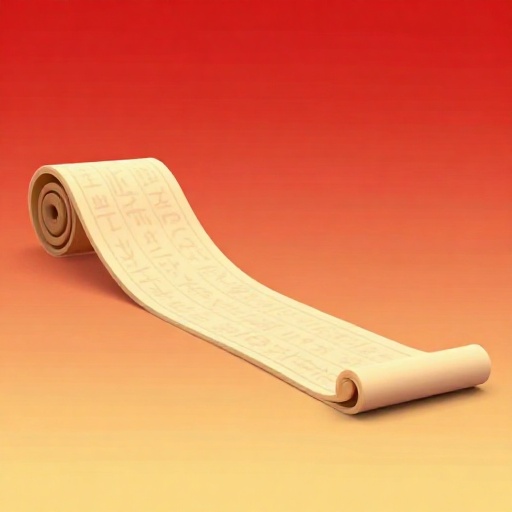
Cartoon illustration of a very long historical scroll.

The Zhou Dynasty ran from around 1046 BC to 256 BC, spanning almost 790 years total.

That’s longer than the entire time since pirates were sailing the seven seas! The US has only been a country for about 250 years!

It was so long, it’s split into Western Zhou and Eastern Zhou because the royal family had to move their capital!

9

The Silk Road Kept Growing for Over 1,600 Years!

TL;DR

The Silk Road network was active from the 2nd century BCE until the mid-15th century.

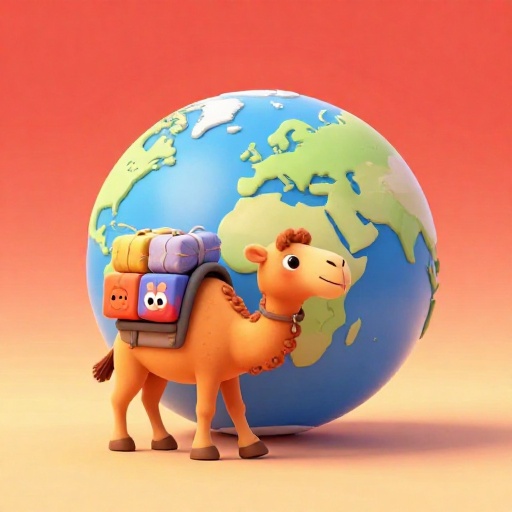
Cartoon illustration of a camel on the ancient Silk Road trade network.

The famous Silk Road wasn't just one road—it was a massive network of land and sea routes that started around 114 BCE.

It was the internet of the ancient world, connecting East and West to trade silk, porcelain, tea, and even ideas!

This incredible trade network kept going until the mid-15th century, letting cultures share knowledge for over 1,600 years!

10

They Used Bronze Casting, Not Hammering!

TL;DR

Chinese artisans used the 'piece mold' technique instead of the Lost-Wax method common in the West.

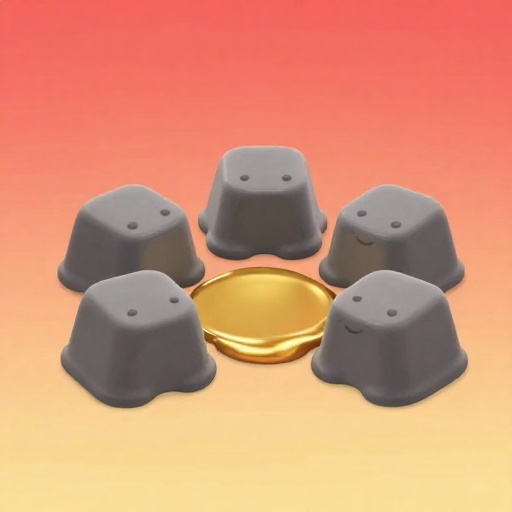
Cartoon illustration showing the interlocking pieces of an ancient bronze mold.

While many ancient cultures hammered metal, the Chinese mastered casting bronze using the piece mold technique.

This involved making many clay sections to form a mold for pouring molten metal, which let them make huge, complex shapes like ritual vessels.

This technique showed they were masters of working with clay and gave them amazing control over their bronze production!

Frequently Asked Questions

How long did it take to build the Great Wall?

It wasn't built all at once! Different sections were built and rebuilt by many dynasties over hundreds of years. The total construction time spans centuries, starting as early as the 7th century BC.

What were the 'Four Great Inventions' of Ancient China?

The four major inventions are Paper, Printing (woodblock), Gunpowder, and the Compass! These changed the world forever.

Did regular people trade on the Silk Road?

Few people traveled the entire route. Instead, goods were passed along in stages from merchant to merchant. It was a relay race for amazing treasures!

What happened to the Qin Dynasty so quickly?

The Qin Dynasty was very strict and used harsh laws, which made many people unhappy after the first emperor died. This led to a quick collapse in 206 BC.

Were the Terracotta Warriors meant to be scary?

They were meant to be powerful and intimidating to guard the Emperor in the afterlife! Their serious faces and huge numbers were designed to show eternal military might.

Your Adventure in Ancient China Continues!

Wow, you just unlocked some of the biggest secrets of Ancient China! From walls that stretch halfway to the moon to armies made of clay, this history is packed with incredible achievements. Don't stop here—keep exploring the stories, the inventions, and the mysteries of this amazing civilization!

Explore More Facts
Audience Debug