10 Fun Facts

Ancient Greece Facts for Kids

Get ready to time-travel, explorers! Ancient Greece wasn't just statues and old ruins-it was the birthplace of so much we still use today, from democracy to the Olympics! But trust us, the real stories are way wilder than your textbook lets on. We’ve dug up 10 absolutely mind-blowing facts about the heroes, thinkers, and massive temples of Ancient Greece that will make history feel like an epic video game!

1

The First Olympic Race Was Only 192 Meters Long!

TL;DR

The first Olympic event was a single sprint called the stade.
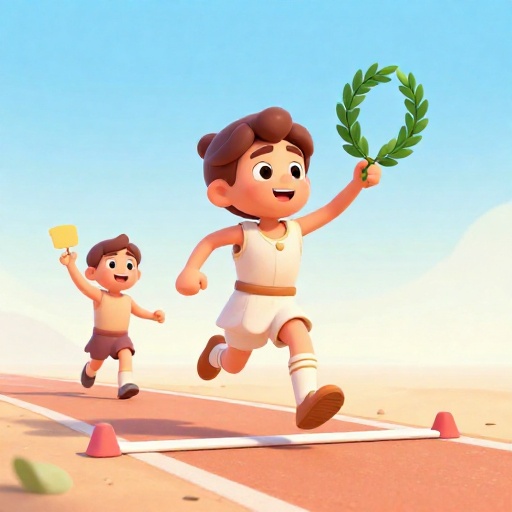
A cartoon illustration of the first Olympic runner winning the 192-meter stade race.

Imagine showing up to the Olympics and there's only one race! That’s what happened at the first recorded games in 776 BC.

The winning event was a footrace called the stade, which was only 192 meters long. That’s less than two laps around a standard school track!

The winner, a cook named Coroebus, became the very first Olympic champion for this sprint. It was so famous, the word stade is where we get our modern word stadium!

The Games honored Zeus and were so important that wars were often paused so athletes could compete safely.
2

Athens' Great Temple Was Actually Wider Than It Was Long!

TL;DR

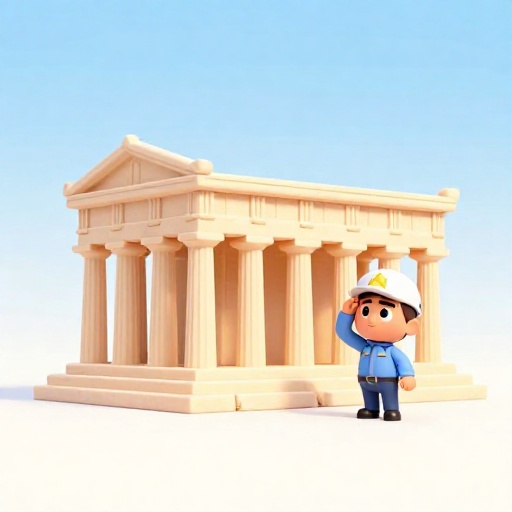
The Parthenon measured 228 feet long by 101 feet wide-a surprising proportion.

A cartoon depiction of the Parthenon showing its 228 ft length vs 101 ft width.

The Parthenon, that famous temple to the goddess Athena, is a masterwork of building! Construction started in 447 BC and it was finished in 432 BC.

It's huge, measuring 228.14 feet long but only 101.34 feet wide.

That means if you stood it on end, it would look much skinnier than you expect! The architects used tricks, like slightly bulging the columns, to make it look perfectly straight to your eye.

3

The Marathon Distance Isn't What the First Runner Ran!

TL;DR

The official 26.2-mile marathon was set in 1908, not by the ancient legend.

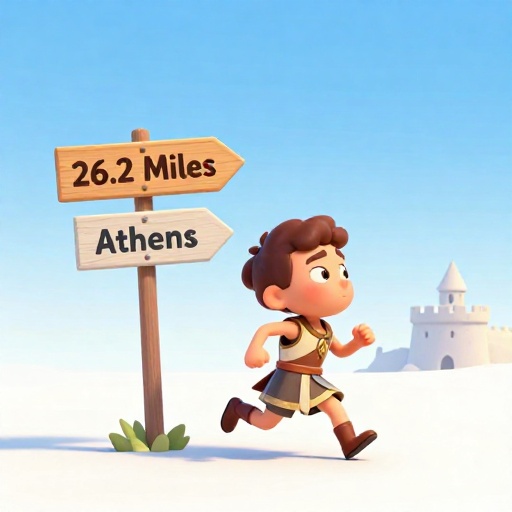
A cartoon showing the ancient marathon route difference between the legend and the 1908 Olympic distance.

The legend says a messenger named Pheidippides ran from Marathon to Athens (about 40 km or 25 miles) to announce victory in 490 BC.

But the modern, official distance of 26.2 miles (42.195 km) was actually created for the 1908 London Olympics!

Organizers made the race 26 miles from Windsor Castle to the stadium, plus an extra 385 yards so the finish line was right in front of the Royal Box. Talk about VIP seating!

4

Spartan Boys Were Sent to Tough Military Camp at Age SEVEN

TL;DR

Spartan boys began their intense state-run military training, the agoge, at age 7.

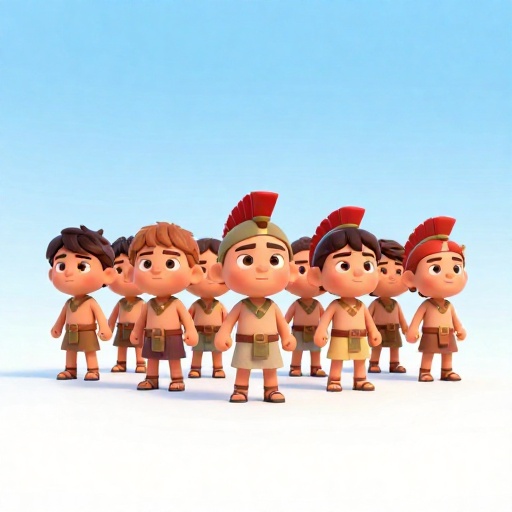
Cartoon Spartan boys starting their intense military training program at age seven.

While other Greek kids were playing games, Spartan boys were handed over to the state at just seven years old to start the agoge.

This was a brutal training program designed to make them fearless soldiers. They were deliberately deprived of food and sleep to build toughness.

They focused on military training and loyalty to Sparta above their own families. This system created their famous, fearless army!

5

Democracy Was Born, But Only a Small Group Could Vote

TL;DR

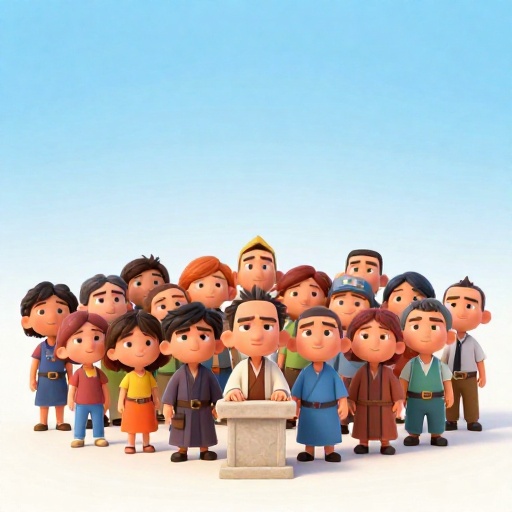
At its peak, Athens had around 250,000 people, but only 30,000-40,000 were male citizens who could vote.

Cartoon showing the small group of Athenian male citizens versus the larger population who could not vote.

Athens invented democracy-the idea that citizens vote on the rules! This was revolutionary for the world around 500 BC.

However, only adult men whose parents were both Athenian citizens could actually vote. That's a small percentage of the total population.

The whole area of Attica had a massive population, but the actual voting body was tiny compared to the residents, slaves, and women who had no vote.

6

Alexander the Great Conquered His Massive Empire by Age 30

TL;DR

Alexander became king at 20 and by 30 ruled an empire stretching 3,000 miles.

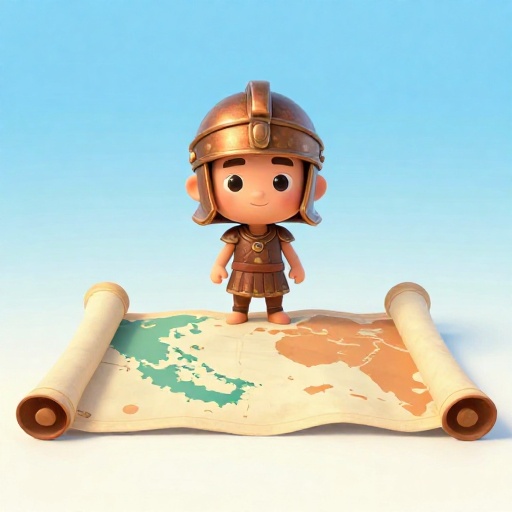
A young Alexander the Great surveying a giant map showing his empire stretching from Greece to India.

Alexander inherited the throne of Macedon in 336 BC when he was only 20 years old.

In just 10 years, he created one of the largest empires ever, stretching from Greece all the way to northwestern India—a distance of about 3,000 miles!

He was never defeated in battle. Imagine ruling that much land before you're even old enough to rent a car today!

7

Socrates Was Executed for 'Corrupting the Youth'

TL;DR

The philosopher Socrates died in 399 BC after being sentenced to death by drinking poison.

Cartoon of Socrates calmly accepting his sentence of death by poison.

Socrates, the master question-asker, was a huge celebrity philosopher in Athens, but his constant questioning made some people very nervous.

In 399 BC, when he was about 71 years old, he was accused of impiety and corrupting the youth.

After a one-day trial, the jury sentenced him to death. He famously refused to escape and died by drinking hemlock poison.

8

The Olympians Were Only 12, But Hades Was Left Out!

TL;DR

The main Greek gods were the Twelve Olympians, but Zeus's brother, Hades, lived in the Underworld.

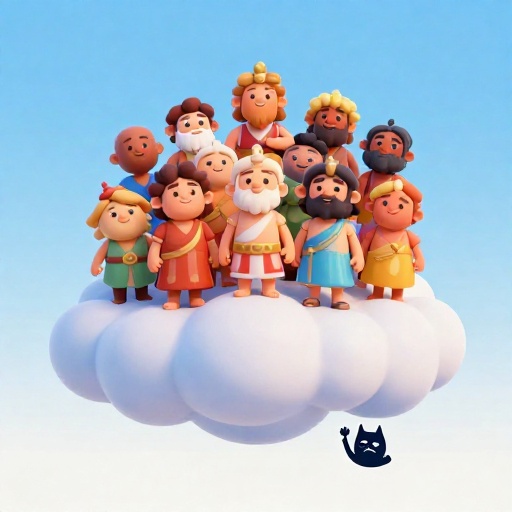
Cartoon showing the Twelve Olympians on a cloud, with Hades waving from a cloud below.

When we talk about the major Greek gods, we usually mean the Twelve Olympians who lived on Mount Olympus.

This group included Zeus, Hera, Poseidon, Athena, Apollo, and others. They were a huge, dramatic family!

But wait-where is Hades, god of the Underworld? He was a major god, but because he didn't live on Mount Olympus, he wasn't counted as one of the Twelve!

9

The Original Ancient Olympic Games Lasted for Nearly 12 Centuries

TL;DR

The Games ran from 776 BC until at least 393 AD—that's almost 1,200 years!

A cartoon showing a watch spinning rapidly to represent the nearly 12 centuries of the ancient Olympic Games.

The ancient Olympics were not just a weekend event-they were a 4-year cycle called an Olympiad that people used to measure time for ages!

Starting in 776 BC, they continued running for almost 12 centuries, even after the Romans took over Greece.

The very last recorded games happened around 393 AD when the Roman Emperor Theodosius I ended them. That's a championship streak that would make any modern athlete jealous!

10

Ancient Combat Sports Had Wild Rules: No Points, Just Submission!

TL;DR

Ancient boxing had no rounds or weight classes, ending only when someone quit by raising a finger.

Cartoon wrestlers showing the ancient rule of winning by submission with a raised finger.

Forget points or time limits in ancient combat sports like boxing and pankration (a mix of boxing and wrestling). You only won by making your opponent quit!

If a fighter gave up, they had to raise their index finger, but sometimes they died before they could signal defeat.

Boxers had to avoid biting or eye-gouging, but that was about it! Imagine a wrestling match that only ends when someone taps out!

Frequently Asked Questions

Did they really have democracy in Ancient Greece?

Yes, Athens invented democracy around 500 BC! But it only allowed **adult male citizens** to vote. Women, slaves, and non-citizens couldn't participate in the assembly.

What was the strangest rule in the ancient Olympics?

There were only two rules in the full-contact sport called *pankration*: **no biting and no eye-gouging**! If you wanted to lose, you just raised one finger.

How big was Alexander the Great's empire?

By age 30, his empire covered over **3,000 miles**, stretching from Greece all the way to **India**. That’s like conquering from New York to California and way past it!

What did the Spartans fight for?

Spartans were famous for being the ultimate soldiers. Their entire society was focused on creating the perfect warrior whose **loyalty was only to the state**, not his family.

Your Adventure Continues!

See? Ancient Greece is full of incredible adventures, giant buildings, world-changing ideas, and seriously intense training camps! Now you know the secrets behind the legends. What amazing discovery will you make next on your Kidopoly journey? Go check out the Greek gods or maybe dive into philosophy!

Explore More Facts
Audience Debug