10 Fun Facts

Animal Facts for Kids

Hold onto your explorer hats, because we are diving headfirst into the animal kingdom’s secret headquarters! Forget boring facts—we’re talking about real-life superheroes that live right here on Earth. You won't believe the lightning speed, the crazy camouflage, and the almost unbelievable superpowers these creatures have. Get ready to discover why the world of animals is way cooler than any video game!

1

The Cheetah: Earth's 75 MPH Sprinter!

TL;DR

Cheetahs hit top speeds of 75 mph in short bursts!
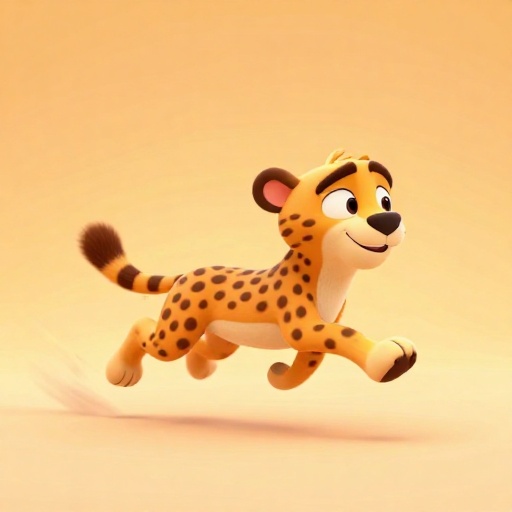
A cartoon cheetah running incredibly fast with a focused look on its face.

Did you know the cheetah is the fastest land animal? It’s not just fast, it’s lightning fast! They can zoom up to 120 kilometers per hour, or 75 miles per hour!

Imagine this: that’s faster than most cars on a highway! To do this, their stride length is an incredible seven meters long when running full out.

They need their specialized, semi-retractable claws—like track shoe cleats—to grip the ground and not slip while chasing prey.

2

Octopuses are Alien-Level Cool with 3 Hearts!

TL;DR

Octopuses pump blood using three separate hearts!

A cartoon octopus showing its three glowing hearts inside its body.

If you thought one heart was enough, think again! Octopuses have three hearts beating inside their squishy bodies.

Two of those hearts are called branchial hearts, and their only job is to pump blood to the gills to grab oxygen.

The third, the systemic heart, is the main one that sends that oxygen-filled blood to the rest of the body. It’s a whole circulatory team!

3

The Blue Whale's Heart is as Heavy as a Gorilla!

TL;DR

The blue whale's heart weighs about 400 pounds!

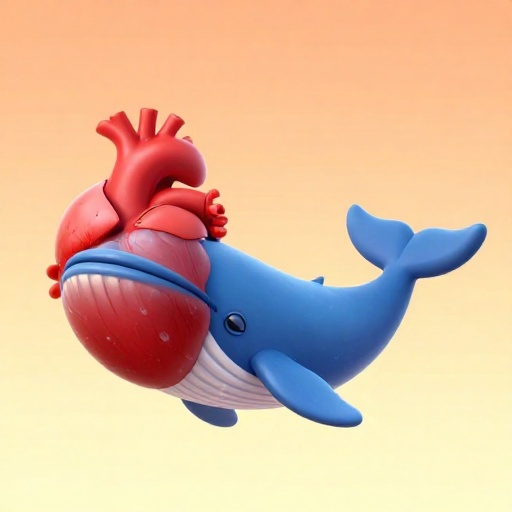
A cartoon blue whale next to its enormous heart for scale comparison.

The blue whale isn't just the biggest animal ever—its heart is HUGE! It can weigh around 180 kilograms, which is about 400 pounds.

That’s as heavy as a full-grown gorilla! When it dives deep, this giant muscle only needs to beat about twice per minute to keep the whale going.

To compare sizes, its tongue alone can weigh as much as a full-grown elephant! Talk about a record-breaker for size!

4

Mantis Shrimp Punch is as Fast as a .22 Caliber Bullet!

TL;DR

The smasher mantis shrimp's strike is super-accelerated!

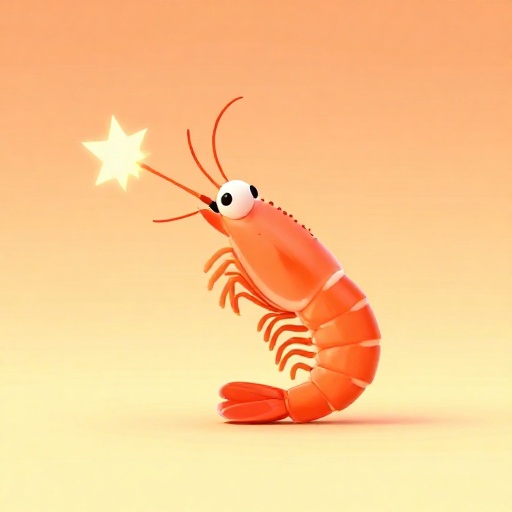
A cartoon mantis shrimp readying its powerful punching claw.

The smasher mantis shrimp has a punch so fast, the water around its club actually boils! This is called cavitation.

The acceleration of its punch is similar to that of a .22 caliber bullet in a gun.

It delivers a massive blow of about 15,000 newtons of force, which can smash open snail shells and even crack aquarium glass!

5

Tardigrades Survive Temperatures Near Absolute Zero!

TL;DR

Water bears can survive temperatures as low as -458°F!

A cartoon tardigrade curled into a protective ball shape.

Tardigrades, or 'water bears,' are the microscopic champions of survival. They can enter a dry, almost frozen state called a 'tun.'

In this state, they can survive temperatures as low as minus 272 degrees Celsius (minus 458 degrees Fahrenheit)—that’s super close to absolute zero!

They can also survive getting super hot, up to 149 degrees Celsius (300 degrees Fahrenheit) for short times!

6

The Arctic Tern Flies 55,923 Miles Every Year!

TL;DR

This bird has the longest migration route recorded!

A cartoon Arctic Tern flying a long, winding migratory route.

When it comes to long-distance travel, the tiny Arctic Tern is the ultimate world traveler for kids to learn about.

This small bird flies an astonishing 55,923 miles (about 90,000 kilometers) annually, moving between the Arctic and Antarctic for summer.

That trip is like flying around the Earth more than twice! They do this every single year to follow the best sunlight and food.

7

Elephant Tusks Can Get as Long as a Small Car!

TL;DR

The longest recorded elephant tusk was 11.5 feet long!

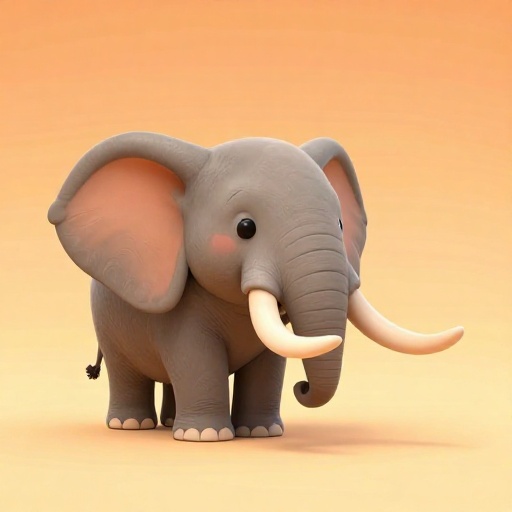
A cartoon elephant standing next to its massive, curved tusk.

Elephant tusks are not horns; they are actually giant, forever-growing teeth! They grow about 17 centimeters (7 inches) per year.

The longest tusk ever recorded for an African elephant was an amazing 3.5 meters (11.5 feet) long—that’s the length of a small car!

The heaviest single tusk found actually weighed almost 120 kilograms (264.5 pounds), which is heavier than many grown-up people!

8

The Chameleon's Color Change is Super-Fast Signaling!

TL;DR

Chameleons change color using cells controlled by nerves.

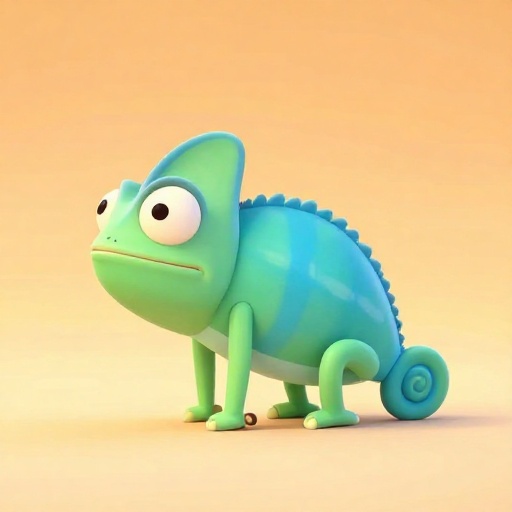
A cartoon chameleon rapidly changing its body color from green to blue.

While we think of camouflage, some animals use color change for mood! Chameleons can shift their skin color in seconds.

They use special cells called chromatophores, which have tiny sacs of pigment. Nerves and muscles let them expand or contract these sacs instantly.

They don't just use it to hide; they flash colors to warn rivals or show off to potential mates!

9

Octopus Blood is Blue Because of Copper!

TL;DR

Their blood uses copper instead of iron to carry oxygen.

A comparison between a blue drop of liquid and a red drop of liquid, representing octopus and human blood.

Your blood is red because it uses iron in a protein called hemoglobin. Guess what? Octopus blood is blue!

They use a different protein called hemocyanin, which has copper instead of iron to carry oxygen around their bodies.

This copper-based system is actually more efficient at grabbing oxygen when the water is cold and the octopus is moving slowly.

10

The Tardigrade Has Survived All 5 Mass Extinctions!

TL;DR

Water bears have been on Earth for nearly 500 million years!

A cartoon tardigrade looking ancient and resilient with tiny stars around it.

These microscopic tough guys have been around for about 500 million years, which means they’ve seen the Earth go through HUGE changes.

Scientists believe they have survived all five major mass extinction events that wiped out most other life.

Their secret weapon is the 'tun' state, which lets them survive even the blast from a supernova, making them almost impossible to defeat!

Frequently Asked Questions

What is the fastest animal in the world?

The fastest animal overall is the Peregrine Falcon, which dives at over 185 mph! For land animals, it’s the cheetah at up to 75 mph, but only for a very short time.

What is camouflage and why do animals use it?

Camouflage is when an animal blends in with its background using color or pattern. Animals use it for crypsis—to hide from predators trying to eat them or to sneak up on prey to eat it!

How big is a tardigrade really?

They are microscopic-super small! Most are about **1 millimeter long**, which is roughly the size of the period at the end of this sentence. You need a microscope to see them well.

Why does the octopus have three hearts?

Two hearts pump blood through the gills, and one larger heart circulates the oxygen-rich blood to the rest of the body. It’s a complex system for their busy lives!

Keep Exploring the Wild Wonders!

See? We told you the real world was full of epic adventures! From the speediest cats to the toughest tiny creatures, nature is constantly blowing our minds with amazing science. Don’t stop here—go look up the incredible camouflage of a leaf-tailed gecko or the massive migration of monarch butterflies next! Science is an adventure you can have every single day!

Explore More Facts
Audience Debug