10 Fun Facts

Aztec Facts for Kids

Get ready to ditch boring history books, because we're diving headfirst into the incredible world of the Aztecs! Imagine a massive city floating on a lake, a calendar so complex it blew away Europeans, and treasure made of chocolate! You are about to uncover 10 totally mind-blowing facts about this amazing civilization that ruled for about 193 years (1325 to 1521). Let's see what makes the Aztecs so legendary!

1

The Floating City: Tenochtitlan Was a Megacity on Water

TL;DR

Their capital, Tenochtitlan, had up to 400,000 people on an island!
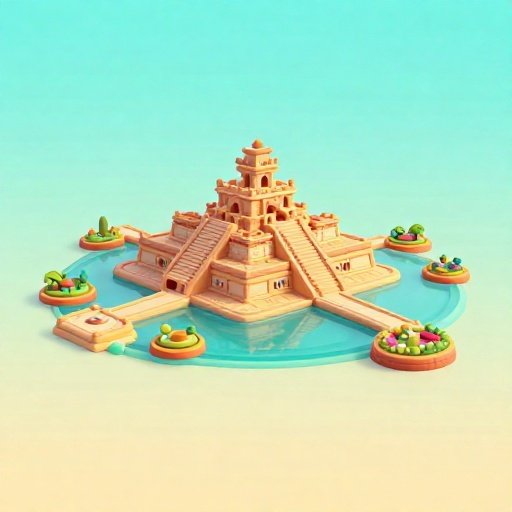
Illustration of the island city of Tenochtitlan with canals and floating gardens.

Get this: the Aztec capital, Tenochtitlan, was built on an island in a lake, Lake Texcoco! At its peak, it was home to an estimated 200,000 to 400,000 people.

That makes it one of the biggest cities in the entire world at that time, bigger than London!

To feed everyone, they created amazing floating gardens called chinampas—basically little man-made islands for farming!

2

Chocolate Beans Were Better Than Money

TL;DR

Cacao beans were so valuable, they were used to buy everything!

Illustration of cacao beans used as money with a sad gold coin nearby.

Forget coins or paper money- the Aztecs used cacao beans as currency! You could buy a turkey for about 300 beans.

They were so valuable that if you dropped a few, people would stop what they were doing to pick them up, just like finding a lost dollar today!

Even the famous emperor Montezuma II was known as 'The Chocolate King' because he had a stash that might have reached nearly a billion beans!

3

The Calendar Stone Weighs as Much as Three Cars!

TL;DR

Their famous Sun Stone is 12 feet wide and weighs 24,590 lbs!

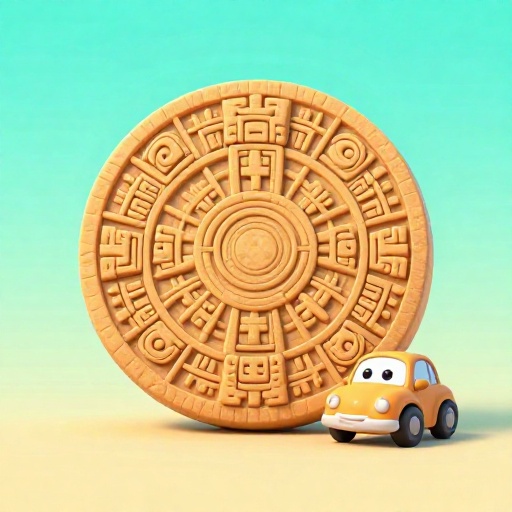
Illustration of the massive Aztec Sun Stone next to a cartoon car to show scale.

The Aztec Calendar Stone, or Sun Stone, is a huge, circular carving made of basalt rock.

It measures nearly 12 feet (3.7 meters) in diameter and is about 39 inches (98 cm) thick.

The craziest part is the weight- it weighs 24,590 kilograms—that's about 54,210 pounds! That's heavier than two or three regular cars stacked up!

4

Their Main Pyramid Towered 200 Feet High!

TL;DR

The Templo Mayor was rebuilt 6 times, reaching 200 feet tall.

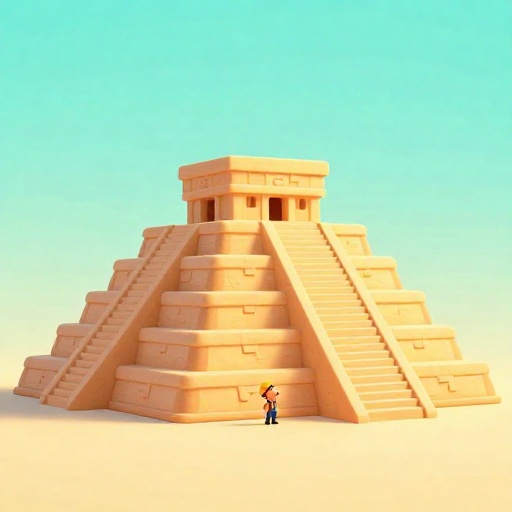
Illustration of the massive, stepped Templo Mayor pyramid with two shrines on top.

The Templo Mayor, the main temple in Tenochtitlan, was a giant pyramid structure dedicated to two gods: Huitzilopochtli (War) and Tlaloc (Rain).

This massive structure was rebuilt six times as the city grew, and at its tallest, it reached about 60 meters (200 feet) in height.

Imagine a building as tall as a 20-story apartment right in the center of their city- that's a lot of steps for the priests!

5

Their Writing Was Like a Picture Code Language

TL;DR

They used pictograms and phonetic signs, not a modern alphabet.

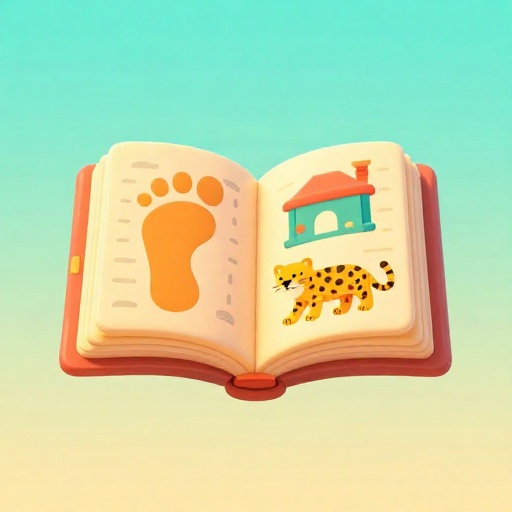
Illustration of a colorful, open Aztec codex showing picture-writing symbols.

The Aztecs used a writing system called pictographic and logosyllabic script, which is super different from our alphabet!

It meant they used little pictures (pictograms) to show ideas, like a drawing of a footprint for 'walking', but also signs for sounds, kind of like a secret code.

These pictures were painted in codices on materials like bark paper or deerskin, folded like an accordion map to tell their history.

6

Montezuma II Ruled When the Empire Was Biggest

TL;DR

Emperor Montezuma II ruled from 1502-1520 when the empire was at its largest size.

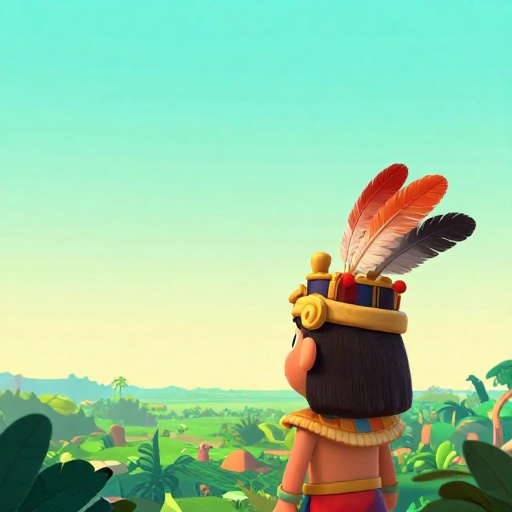
Illustration of the Aztec Emperor Montezuma II looking over his vast empire.

The 9th emperor, Montezuma II (or Moctezuma Xocoyotzin), ruled from about 1502 or 1503 to 1520.

During his reign, the Aztec Empire hit its absolute maximum size, stretching across much of modern central Mexico.

He expanded the territory through warfare, but his reign is most famous because it's when the first Spanish explorers arrived in 1519!

7

The End Came in a 93-Day Siege

TL;DR

The final fall of the capital, Tenochtitlan, took 93 days in 1521.

Illustration of the siege of Tenochtitlan with Spanish and allied forces.

The legendary Aztec Empire finally ended when the Spanish forces, led by Hernán Cortés, besieged Tenochtitlan.

This massive final battle lasted 93 days, from May 22 to August 13, 1521.

Cortés didn't win alone- he was backed by tens of thousands of native allies who were tired of Aztec rule!

8

They Required Human Tribute for Their Gods

TL;DR

Sacrifice was a core part of their religion to keep the world running.

Illustration of a stylized Aztec priest during a religious ceremony near the pyramid.

The Aztecs practiced human sacrifice, believing they had to repay a 'debt' of blood to the gods who created the world.

While Spanish sources gave huge, debated numbers, scholars today estimate a plausible range for the entire empire was 1,000 to 20,000 annual victims.

For big ceremonies, like the re-dedication of the Templo Mayor in 1487, some sources claim up to 80,400 sacrifices happened over four days—that’s about 14 people every minute!

9

They Had Their Own 'Paper' Made from Tree Bark

TL;DR

Codices were made from strips of fig tree bark folded like a map.

Illustration of a folded Aztec bark paper codex.

Forget paper from wood pulp! The Aztecs made their books, called codices, from strips of amatl—a type of paper made from fig tree bark.

These strips could be up to 13 yards long and were folded like a concertina or a map, allowing them to paint on both sides!

These amazing books recorded everything from history to tributes, but sadly, most of the original pre-Columbian codices were destroyed by the Spanish.

10

Their Number System Was Based on 20

TL;DR

The Aztecs used a base-20 (vigesimal) system instead of our base-10 system.

Illustration demonstrating the Aztec base-20 numbering system with dots and a flag symbol.

We use a base-10 system (0 to 9), but the Aztecs used a vigesimal system based on the number 20.

They represented 20 with a drawing of a flag, and 400 (20 x 20) was shown with a feather or fir tree symbol!

This system was used for counting everything, especially in their tribute lists and calendars—it shows how differently they organized their world for kids!

Frequently Asked Questions

When did the Aztec Empire exist?

The Aztec Empire, or Triple Alliance, officially existed from **1428 to 1521**. Their capital city of Tenochtitlan, however, was founded way back in **1325**.

Who was Montezuma II?

Montezuma II was the ninth and one of the last fully independent emperors of the Aztec Empire, ruling from **1502 to 1520**. He famously met the Spanish conquistador Hernán Cortés.

What was the Aztec calendar stone used for?

Though called the Sun Stone, it was likely used as a massive ceremonial or **sacrificial altar** (a *temalacatl*) rather than a daily calendar you'd use to check the date.

How did the Spanish defeat the Aztecs?

The final victory came after a **93-day siege** of Tenochtitlan in **1521**. The Spanish used superior weapons and, crucially, allied with thousands of native groups who resented Aztec rule.

What did Aztecs eat besides chocolate?

Their diet was super healthy! They ate staples like maize (corn), beans, squash, chili peppers, and tomatoes. They also ate fish and birds from the lake and used those famous floating gardens (*chinampas*) to grow food!

Your Adventure Continues!

Wow, you just crushed the secrets of the Aztecs! From a city bigger than European capitals to using chocolate as money, this empire was truly an adventure in innovation. Don't stop here—keep exploring how these powerful people lived, fought, and built their incredible world!

Explore More Facts
Audience Debug