10 Fun Facts

Butterfly Facts for Kids

Get ready, explorers! We're diving into the world of the ultimate flying jewel: the butterfly! You might think they're just pretty flappers, but these insects are secretly master adventurers, ancient survivors, and tiny superheroes. Forget boring facts; we’re uncovering 10 absolutely mind-blowing truths about butterflies, from how they taste to how far they travel. Are you ready to see the world through their compound eyes?

1

They Taste With Their Feet-Seriously!

TL;DR

Butterflies use sensors on their feet to tell if a plant is yummy enough to eat.
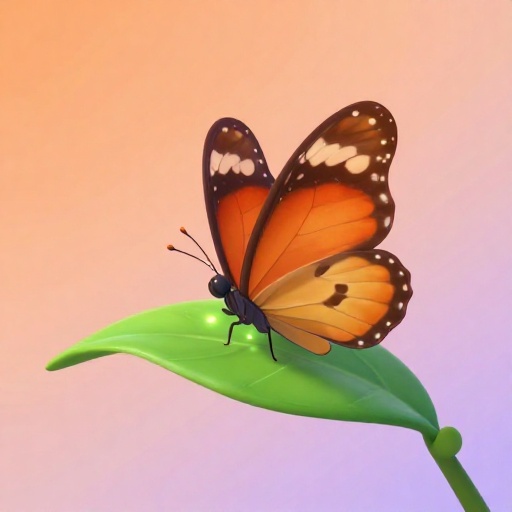
A cartoon butterfly standing on a leaf, with sparkles coming from its feet.

You read that right-butterflies taste with their feet! They have special sensors on their feet, called tarsi, that pick up chemicals from the surface they land on.

This is super important for finding the right host plant to lay their eggs on, making sure their caterpillars have the best food.

While they have a few taste buds on their proboscis-their straw-like mouth-most of their tasting power is in their 'toes'!
2

The Monarch Migration is a Multi-Generational Relay Race

TL;DR

The autumn Monarch migration to Mexico is completed by a 'super' generation that lives 8 times longer than others.

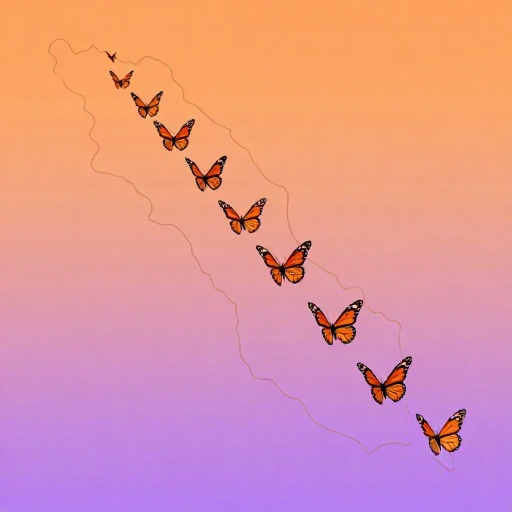
A line of Monarch butterflies migrating across a stylized map.

Millions of North American Monarch butterflies fly up to 3,000 miles south to overwinter in central Mexico!

The amazing part: the butterflies that make the southbound trip are a special generation that lives eight times longer than their parents and grandparents, up to several months!

It takes two to three or even four generations to complete the entire round-trip journey north again in the spring. They pass the baton, not the whole race!

3

Skippers are the Speed Demons of the Air

TL;DR

The fastest butterflies, called Skippers, can zoom up to 37 miles per hour!

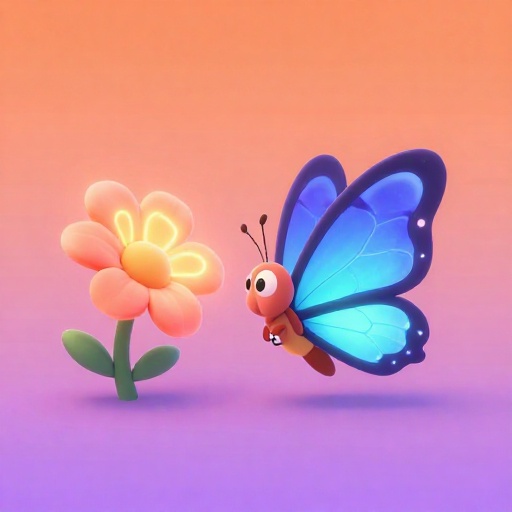
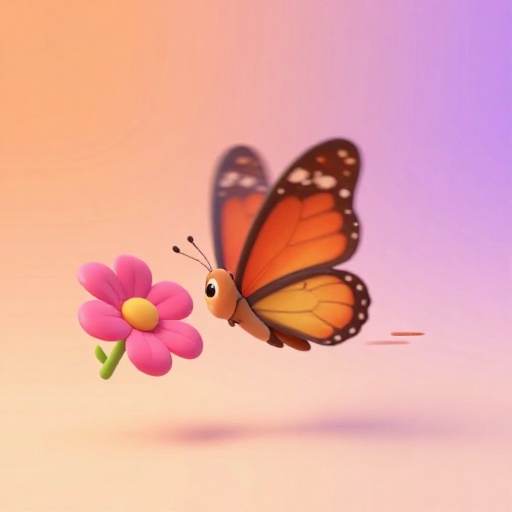
A cartoon Skipper butterfly flying extremely fast past a flower.

Most butterflies cruise around at a leisurely 5 to 12 mph, which is slower than a person running!

But Skipper butterflies are natural sprinters, reaching speeds up to 37 miles per hour (or 59 kilometers per hour)!

That speed means they could keep pace with a horse in a race-though maybe not for long! Fast reflexes help them dodge predators.

4

Their Wings Are Covered in Tiny, Colored Tiles

TL;DR

Butterfly wing colors come from thousands of overlapping, microscopic scales, not just paint.

A magnified close-up of butterfly wing scales.

The order name for butterflies and moths, Lepidoptera, literally means 'scale wing'!

The patterns and colors you see are made of thousands of overlapping, delicate scales, stacked like shingles on a roof.

Some bright colors, like blues and greens, aren't even from pigment; they're created because the scales bend or refract the light!

5

Butterflies Can See Light We Can't Even Imagine

TL;DR

Butterfly eyes can see ultraviolet (UV) light, revealing hidden patterns on flowers and mates.

A butterfly seeing hidden UV patterns on a flower.

We see red, green, and blue, but many butterflies can see ultraviolet (UV) light too-the same light that gives you a sunburn!

This UV vision means flowers have secret, bright landing strips or target bullseyes that are totally invisible to us.

It also helps them spot the best mates, as some butterflies have UV patterns on their wings that only other butterflies can see!

6

The World is Home to Over 18,000 Species

TL;DR

Scientists have described about 18,000 species of butterflies globally, mostly in the tropics.

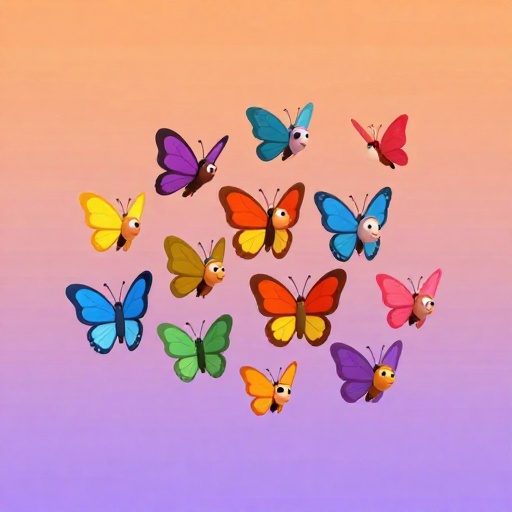
A colorful group of many different species of cartoon butterflies.

There are roughly 18,000 described species of butterflies alive right now!

That’s more than the number of different primary schools in the entire United States!

The vast majority, about 90%, of these diverse species live in the warm, wet tropical areas near the equator.

7

Their 'Tongue' Unzips Itself for Service

TL;DR

The proboscis, which acts like a straw, is unzipped from under the head when it needs to drink.

A cartoon butterfly's long, coiled straw-like proboscis unrolling.

Butterflies don't have a tongue that opens and closes; they have a proboscis, which is two tubes zipped together!

When they turn into a butterfly inside the chrysalis, this feeding tube is 'unzipped' and fused together to form a hollow straw.

When resting, the proboscis coils up tightly, like a tiny, ready-to-go spring tucked under their chin.

8

The World's Largest Butterfly Has a 12.5-Inch Wingspan

TL;DR

Queen Alexandra's Birdwing females can have a wingspan up to 12.5 inches (32 cm).

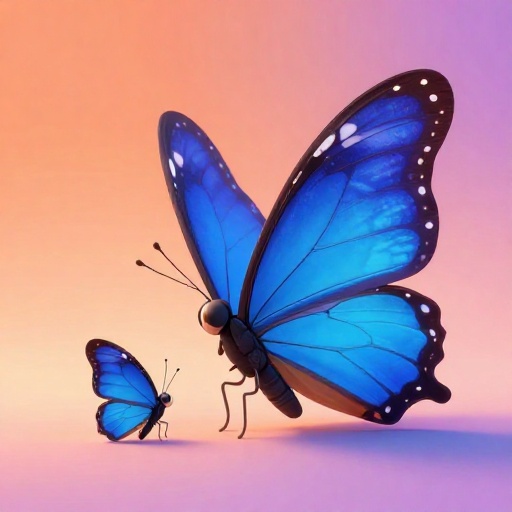
A giant cartoon butterfly next to a tiny cartoon butterfly showing the size difference.

The biggest butterfly is the Queen Alexandra's Birdwing, found in New Guinea, with a female wingspan stretching up to 12.5 inches (32 centimeters)!

That's about as wide as a standard ruler or three small smartphones laid end-to-end!

The smallest, the Western Pygmy Blue, has a wingspan of only 0.62 inches (1.5 cm)-smaller than a pinky fingernail!

9

Metamorphosis Means Developing Six Fully Functional Legs

TL;DR

Butterflies have six jointed legs attached to their thorax, all used for walking and tasting.

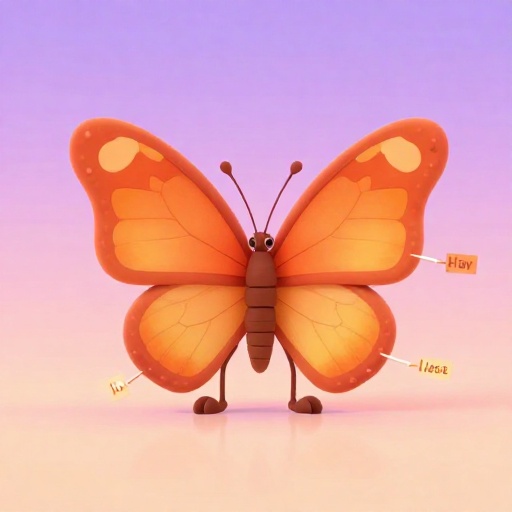
A cartoon butterfly showing its six legs clearly.

Butterflies are insects, which means they always have six legs!

Each leg has 5 sections, and the 'foot' part has those crucial taste sensors we talked about.

They also have a thorax, which is their chest area, and this is where all four wings and all six legs are attached.

10

They Can Die from Being Too Cold

TL;DR

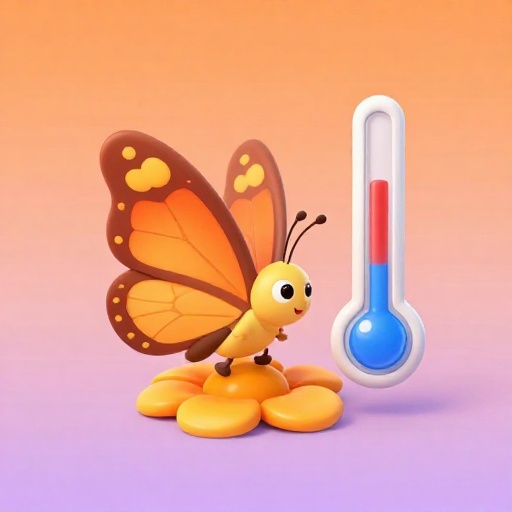
Butterflies are cold-blooded, and their bodies can't work correctly if temperatures drop below 55° F (13° C).

A cartoon butterfly shivering near a low-reading thermometer.

Because they are cold-blooded (ectothermic), butterflies need the sun to warm up their flight muscles so they can move!

If the temperature drops below 55° F (13° C), their bodies simply won't work correctly, which is why they can't live in Antarctica.

To fly on a cool morning, they often 'shiver' their wings rapidly to warm up their muscles first!

Frequently Asked Questions

How long does an average butterfly live?

The lifespan is short for many! Most adult butterflies only live for about **two to four weeks**. However, the long-distance migrating Monarchs can live for several months, and some overwintering species can live up to **10 months**!

What's the difference between a caterpillar and a butterfly?

The caterpillar is the larval stage, meaning it is the baby that focuses only on eating and growing. The butterfly is the adult stage, which focuses on flying and reproducing. The change between them is called complete metamorphosis.

Do butterflies ever stop flying?

Yes! Butterflies are cold-blooded and cannot fly if it is too cold, usually below **55° F (13° C)**. They rest at night, when it's cloudy, or when they need to warm up by 'shivering' their muscles.

What are those huge monarch butterfly roosts in Mexico like?

Millions of Monarchs cluster together on Oyamel fir trees in mountain forests. Tens of thousands can cover a single tree, huddling together to conserve energy during the cold winter months.

Keep Exploring the Flutter Zone!

See? Butterflies are way more than just beautiful decorations for a garden! They are champion travelers, ancient scientists, and tiny athletes. Now that you know these 10 incredible facts, next time you spot one, you'll know you're looking at a miniature marvel of nature. Go find a flower and see if you can spot one tasting with its feet!

Explore More Facts
Audience Debug