10 Fun Facts

Cheese Facts for Kids

Get ready to slice into the most incredible, strange, and totally true secrets of one of the world's favorite foods: CHEESE! Forget everything you think you know. We’re not just talking about cheddar on crackers; we’re diving into ancient tombs, exploring cheese made from animals you'd never guess, and finding out what makes some cheese stink like old socks (in a good way!). Strap in, because this isn't just a lesson—it's a dairy adventure!

1

The World’s Oldest Cheese is 3,600 Years Old!

TL;DR

The oldest cheese ever found was worn like a necklace by mummies in China.
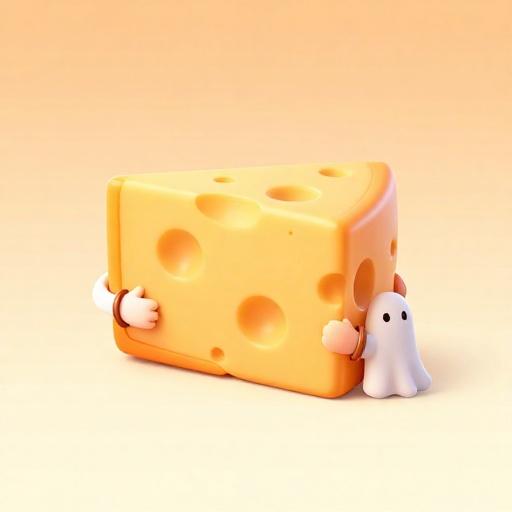
Ancient, yellowish cheese held by tiny ghost hands.

Imagine finding a snack that's older than your great-great-great-grandparents! Scientists discovered actual, solid cheese buried next to mummies in China’s Tarim Basin. This ancient dairy delight is about 3,600 years old!

This amazing find was a type of kefir cheese, made from cow and goat milk, showing people were making complex fermented foods way back in the Bronze Age. They even found bacteria DNA still inside the cheese!

That’s way older than the 3,200-year-old cheese found in an Egyptian tomb, making the Chinese discovery the current world champion for oldest cheese residue!

2

Moose Milk Makes Cheese That Costs $455 Per Pound!

TL;DR

The most expensive cheese in the world comes from milk from three specially trained moose.

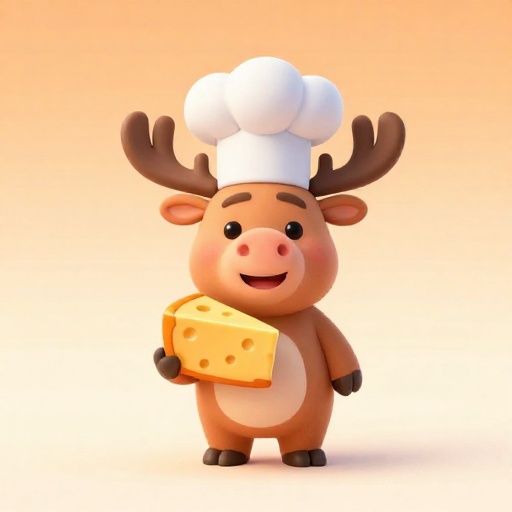
A moose wearing a chef hat holding an expensive wheel of cheese.

You read that right—moose cheese! At the Elk House in Bjursholm, Sweden, they make a super rare cheese from the milk of just three domesticated moose named Gullan, Haelga, and Juna.

Because milking a moose is super hard and they only produce milk for a short time each year, this cheese is very pricey. You could pay up to $455 per pound!

That means one tiny one-pound block costs more than a brand-new video game! It must taste like victory!

3

Cheese Making Started to Help People Digest Milk!

TL;DR

Ancient people couldn't always drink milk, so they turned it into cheese to remove the hard-to-digest sugar.

Ancient strainer separating cheese curds from whey.

When you are a baby, your body knows how to break down the sugar in milk—that’s called lactose. But for many people, once they stop drinking their mother's milk, their bodies stop making the special 'key' (an enzyme) to unlock that sugar.

Evidence from 7,400-year-old strainer pots in China suggests people figured out that if you strain the milk to make cheese, you remove most of the lactose sugar! This meant they could eat a delicious dairy food without getting a tummy ache.

It was an ancient science hack to safely enjoy milk, proving cheesemakers have been smart scientists for thousands of years!

4

The World's Most Expensive Cheese is Made From Donkey Milk!

TL;DR

Pule cheese from Serbia is made from donkey milk and can cost up to $590 per pound.

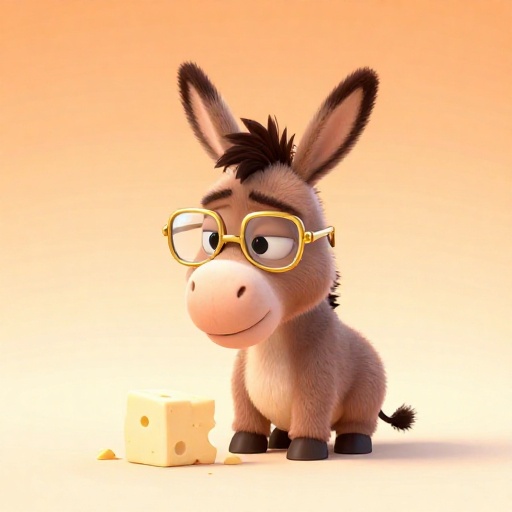
A donkey wearing glasses next to a piece of Pule cheese.

If moose milk isn't wild enough, meet Pule cheese! This incredibly rare cheese comes from the Balkan region of Serbia and is made from the milk of donkeys—yes, actual donkeys!

Donkey milk is much harder to get than cow milk. It takes about 25 liters of donkey milk to make just one kilogram (2.2 lbs) of Pule cheese.

Because it takes so much milk, this crumbly, tangy cheese can sell for up to $590 per pound! That’s like buying almost 50 regular sticks of butter for the price of one pound of Pule!

5

Some Cheese is Aged for More Than Two Years!

TL;DR

Cheese aging, or 'affinage,' can last for two years or more to make the flavor super intense.

A large, aged cheese wheel with visible flavor crystals in a cave.

Most cheese you eat at home is ready in a few weeks or months, but some artisan cheeses go on a very long vacation! This resting time is called aging or affinage.

For a very dry, hard cheese, aging can last for 2 to 5+ years! This long rest lets the cheese develop crunchy spots, called tyrosine crystals, which are packed with intense flavor.

The longer it ages, the more the flavor concentrates—it’s like concentrating juice, but for cheese!

6

Blue Cheese Gets its Stripes From a Special Mold!

TL;DR

The blue or green veins in cheese like Roquefort are actually a safe, edible type of fungus called mold.

A wedge of blue cheese with friendly blue mold spores floating off it.

When you see blue or green veins in cheese, don't panic! That’s not spoiled cheese; that’s a special, edible mold, often from the Penicillium family, that cheesemakers want to grow there.

For famous cheeses like Roquefort, the mold is often added, and then the cheese is aged in damp, cool caves where the mold grows perfectly. It’s what gives these cheeses their sharp, zesty flavor.

The world record for the strongest-smelling cheese often goes to washed-rind cheeses, where the outside is washed with liquids—sometimes even brandy—to encourage unique, stinky rinds!

7

Parmesan Cheese Wheels are HUGE—Up to 90 Pounds!

TL;DR

A traditional Parmigiano-Reggiano wheel weighs between 66 and 90 pounds and can be up to 20 inches tall.

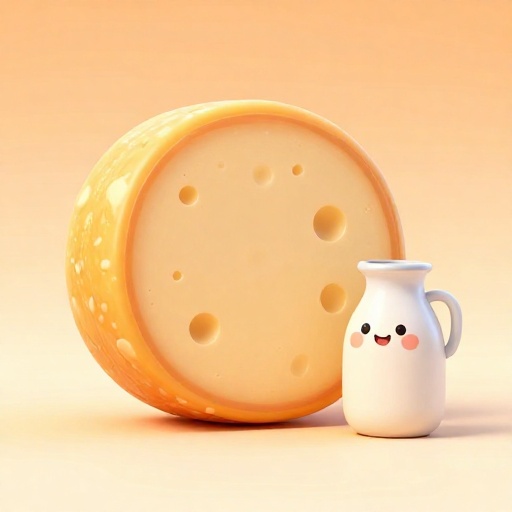
A giant wheel of Parmesan cheese next to a small milk jug.

When you buy Parmesan (or Parmigiano-Reggiano), you usually get a tiny, pre-grated container. But in Italy, this cheese is made in giant wheels that weigh between 30 and 41 kilograms—that's 66 to 90 pounds!

These massive wheels can be almost 20 inches across (as tall as a 5-year-old kid!) and are so hard and dense you usually have to break them into chunks instead of slicing them neatly.

Because they are so big, they take a long time to age and develop that super-nutty, savory flavor that makes them famous!

8

The World's Biggest Cheese Platter Weighed Over 2 Tons!

TL;DR

The largest cheese platter ever recorded weighed 4,437 pounds and was built in Wisconsin, USA.

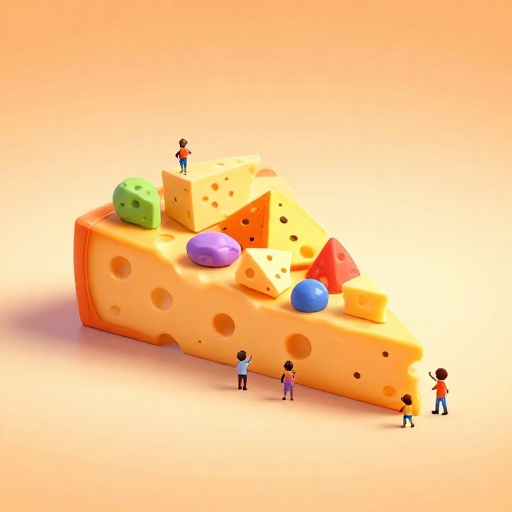
A gigantic cheese platter weighed down with many varieties of cheese.

Wisconsin, the 'Cheese State,' knows how to party! In 2018, they built a Guinness World Record cheese platter that weighed an amazing 2,012.85 kilograms—that's 4,437 pounds!

To put that in perspective, that's heavier than two small cars sitting side-by-side on a massive board! They used about 145 different varieties of Wisconsin cheese.

The biggest single cheese on that platter was a Mammoth Cheddar that alone weighed 2,064 pounds—almost as much as a small car!

9

Even the Moon Isn't Made of Cheese—Sorry!

TL;DR

The moon is made of rock and dust, not Swiss cheese, no matter what cartoons say.

Earth looking sadly at the rocky Moon, next to a piece of Swiss cheese.

This is the saddest fact: the Moon is NOT made of cheese! Even though cartoons often show astronauts taking bites out of a giant wheel of Swiss cheese, the Moon is actually made of rock, dust, and craters.

Scientists have studied Moon rocks brought back to Earth and they are full of minerals, not milk fats. The 'holes' you see on the Moon are big impact craters, not the holes made by gas bubbles in cheese.

So, while a Moon made of cheese sounds like the ultimate fantasy, we'll just have to enjoy our Earth-bound dairy delights instead!

10

You Can Make Cheese From the Milk of **Camels**!

TL;DR

While rare, cheese can be made from camel milk, which has way more healthy stuff than cow milk.

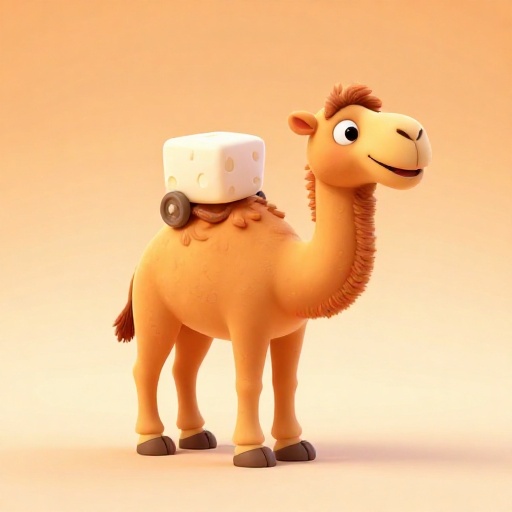
A happy camel with a small wheel of cheese on its hump.

We talked about cow, goat, and donkey milk, but some cultures even make cheese from camel milk! This is most common in parts of Africa and the Middle East where camels are more common than cows.

Camel milk is special because it has less fat than cow’s milk, but it’s packed with vitamins and minerals. This makes the resulting cheese very nutritious for kids and explorers alike!

It proves that if you have milk, you can probably turn it into cheese—it just takes the right recipe and temperature!

Frequently Asked Questions

How do you actually make cheese for kids?

It starts with milk! The milk is heated and then special cultures (tiny living things) and rennet (an enzyme) are added. The rennet makes the milk separate into solids (curds) and liquid (whey). The curds are then pressed together to form a block of cheese!

Why do some cheeses smell so stinky?

That intense smell comes from the aging process, where tiny molds, bacteria, or yeasts break down the fats and proteins in the cheese. This creates stinky-smelling gasses, but for cheese lovers, it means a bold, complex flavor!

What is 'curd' and 'whey'?

When milk separates during cheesemaking, the solid part that clumps together is the **curd**—that’s the part that becomes cheese! The watery liquid left behind is the **whey**, which has lots of protein and can be used in other foods or drinks.

What is the difference between hard and soft cheese?

It mostly comes down to moisture! Hard cheeses, like Parmesan, have had most of their liquid (whey) pressed out and are aged longer, making them firm. Soft cheeses, like Brie, keep more moisture and are aged for a shorter time.

Keep Exploring, Cheese Explorers!

Wow! You just conquered the world of cheese facts, from the Bronze Age to the most expensive donkey milk! Now, the next time you see a block of cheese, remember the incredible journey it took to get there. Go ask your grown-up if you can try a new kind this week—every bite is a piece of history! What other amazing foods will you explore next?

Explore More Facts
Audience Debug