10 Fun Facts

Chocolate Facts for Kids

Get ready to dive headfirst into the world of chocolate—it’s way more amazing than just a tasty treat! You might think chocolate just appears in a wrapper, but it starts as a weird-looking pod on a tropical tree. We’re talking ancient civilizations, hidden ingredients, and records so huge they’re almost unbelievable. You won't look at your next chocolate bar the same way again!

1

Chocolate Was Currency Worth Real Money!

TL;DR

Ancient Aztecs used cacao beans as money, trading them for goods and services.
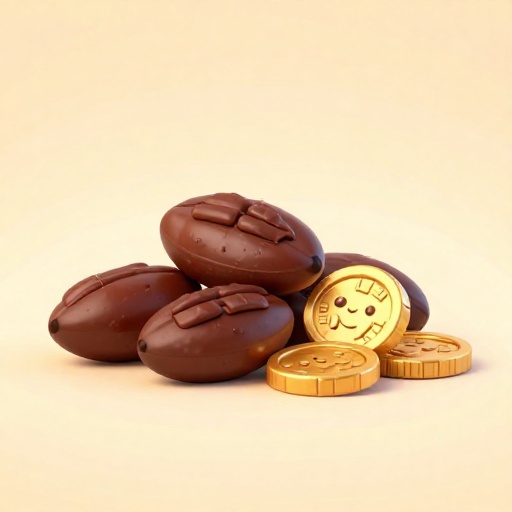
A stack of dark cacao beans next to a few ancient gold coins to represent currency.

Imagine paying for your lunch with candy—that’s what the Aztecs did with cacao beans! They used them as a form of money.

Professor Frances Berdan’s research shows specific trade rates, like 20 cacao beans for a porter’s trip or 100 beans for a good turkey hen.

This means the larger, better beans were the ones saved for trading, not for drinking! If you dropped one, you'd race to pick it up, just like dropping a twenty-dollar bill today!

2

The Sweetest Treat Took 5,000 Years to Invent!

TL;DR

The first evidence of people preparing cacao drinks dates back over 5,000 years to 1750 BC.

An ancient-looking clay cup with dark, frothy liquid inside, representing the first chocolate drink.

Believe it or not, humans have been messing with cacao for over 5,000 years! That’s way older than dinosaurs walked the earth, almost!

The very first chocolate wasn't a solid bar; it was a bitter, frothy drink used in ceremonies by the Gulf Coast peoples in Mexico.

It took until 1847 for the first solid chocolate bar to be made by J.S. Fry & Sons in England. That’s a long time to wait for a candy bar!

3

One Tree Only Makes 10 Small Bars Per Year!

TL;DR

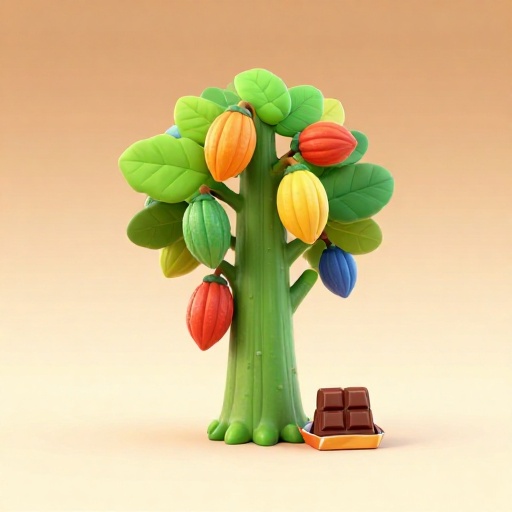
A single cocoa tree produces enough pods in one year to make only about 10 small chocolate bars.

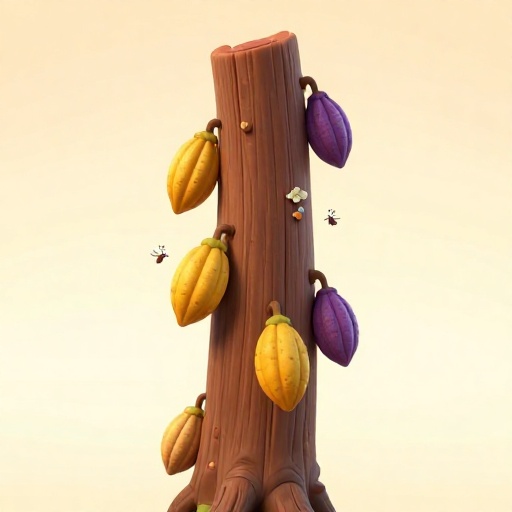
A cacao tree trunk with bright yellow and purple pods growing directly from the bark, next to a tiny chocolate bar.

Your favorite treat starts on a tree called Theobroma cacao, which is Greek for “food of the gods”—how cool is that?

A single tree can only produce enough pods in a whole year to make about 10 small chocolate bars!

It takes 5 to 6 years for a tree to even start growing the pods that turn into your sweet snack. Talk about needing patience!

4

White Chocolate is the Youngest Chocolate Type!

TL;DR

White chocolate was first sold commercially in 1936 by the Swiss company Nestlé.

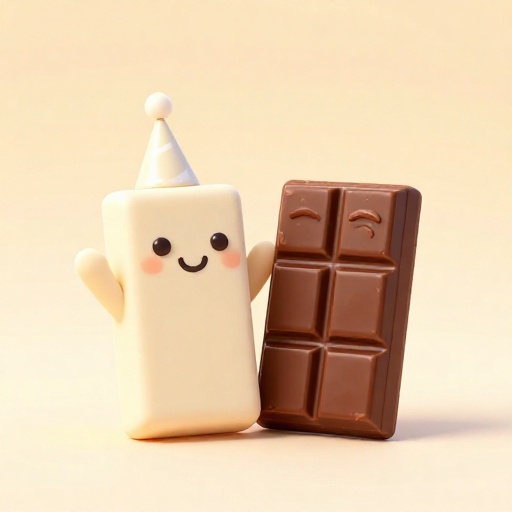
A modern, ivory-colored white chocolate bar next to an older-looking dark chocolate bar.

You might think white chocolate is ancient, but it’s actually the baby of the chocolate family! It was invented way after dark and milk chocolate.

It was first sold in tablet form in 1936 by the Swiss company Nestlé, possibly to use up extra powdered milk.

It’s ivory-colored because it only uses cocoa butter—the fat part of the bean—and leaves out the dark, non-fat cocoa solids. That’s why some people argue it’s not truly chocolate!

5

The World’s Largest Bar Weighed More Than 5 Tons!

TL;DR

The record-holding chocolate bar weighed 12,290 pounds (about 5,570 kg) and was made in Chicago.

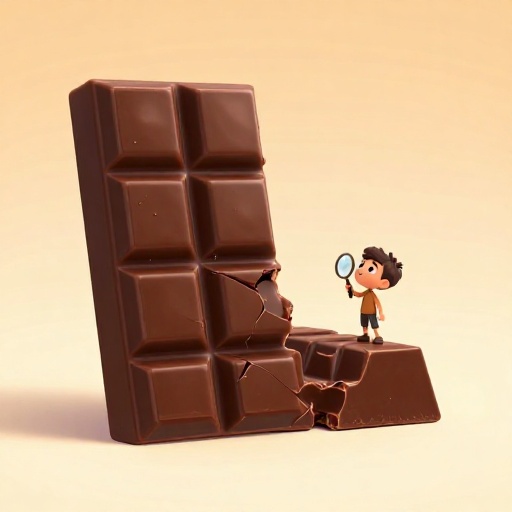
A gigantic dark chocolate bar being examined by a very small child for scale.

Forget your regular candy bar—the Guinness World Record for the largest ever was a massive slab weighing 12,290 pounds!

That’s the weight of about 77 average-sized adults standing on one bar! It was made by The World's Finest Chocolate company in Chicago.

They made it huge to teach kids about 'portion distortion'—showing them how giant a serving size can look!

6

Roasting Beans Hits a Hot Temperature to Unlock Flavor!

TL;DR

Roasting temperatures can range from 240°F to 375°F to bring out the best chocolate flavor.

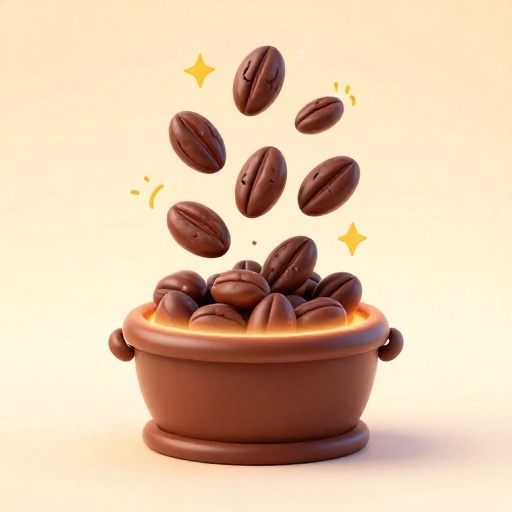
Cacao beans tumbling inside a stylized roasting machine with warm light and sparkles.

Raw cacao beans taste super bitter—they need roasting to become chocolate! This magic happens between 240°F and 375°F.

Roasters use different temperatures and times, sometimes up to 45 minutes, depending on the bean to make sure it tastes fruity, nutty, or chocolatey.

This heating process is called the Maillard reaction, the same science that makes toast smell amazing!

7

Chocolate Pods Grow Directly on the Tree Trunk!

TL;DR

Cacao flowers and pods use 'cauliflory,' meaning they grow directly from the trunk, not the branches.

Close-up illustration of cacao pods and flowers growing directly on the thick trunk of a cacao tree.

Most fruit grows on twigs, but not cacao! This plant has a cool trait called cauliflory—its flowers and pods grow right out of the trunk and big branches.

These flowers are pollinated by tiny flies called midges, which are attracted to the smelly leaves that fall around the base.

The pods, which can grow up to 14 inches long, pop right out of the main stem like nature’s own built-in candy holders!

8

The Most Chocolate-Obsessed Country Eats 8.8 kg Annually!

TL;DR

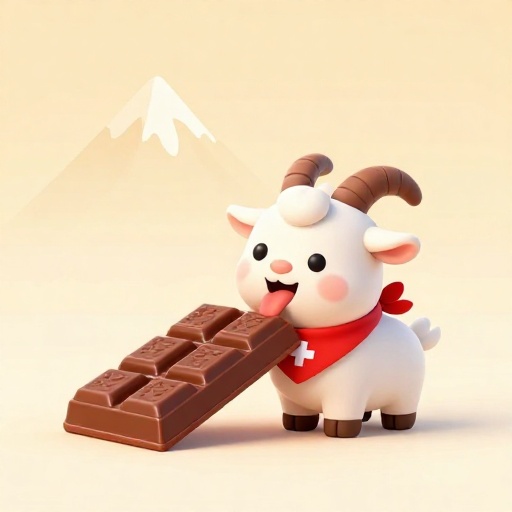
Switzerland is the top chocolate consumer, eating an average of 8.8 kg (nearly 20 pounds) per person yearly.

A cartoon goat in a Swiss bandana happily eating a large Swiss chocolate bar.

If you love chocolate, you should move to Switzerland! They are the world champions of eating chocolate per person.

The average Swiss person eats about 8.8 kilograms of chocolate every year—that’s like eating over 175 standard chocolate bars!

This is partly because Swiss makers invented super-smooth chocolate using a process called conching.

9

The Aztecs Used the Biggest Beans for Money, Not Drinks!

TL;DR

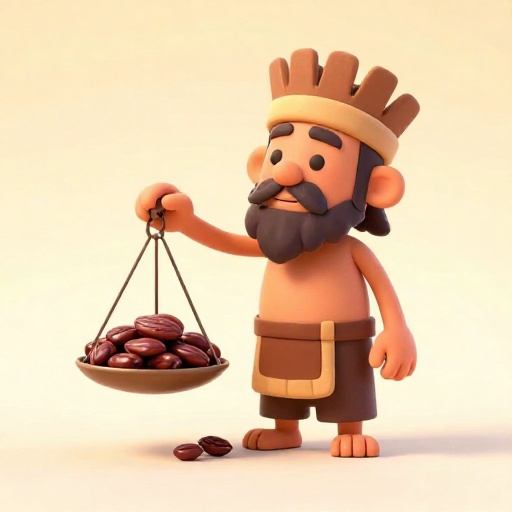
Ironically, the larger, plump cacao beans used for currency made a superior beverage.

An ancient scale balancing plump cacao beans against small, shriveled beans.

The Aztecs were so serious about their currency that they used the plumpest, best cacao beans to trade for things.

What's funny is that the smaller, shriveled beans were actually the ones left over to grind up for their famous drink!

So, the best chocolate you could possibly make was what they used for paying taxes or buying a slave—not for a daily snack!

10

Cacao Trees Only Thrive in a Tiny Tropical Band!

TL;DR

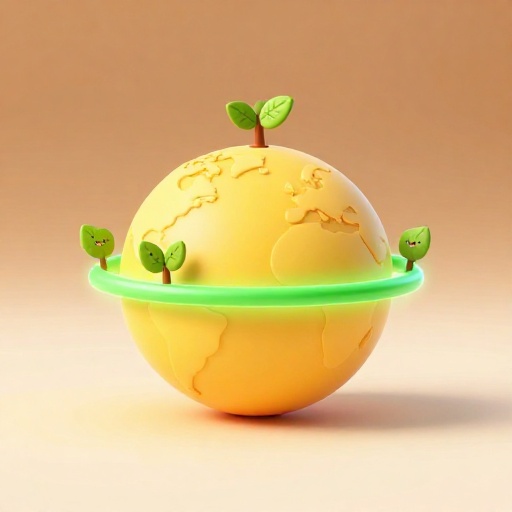
Cacao trees must grow in a tight zone between 10 degrees North and 10 degrees South of the Equator.

A globe showing a narrow green band wrapped around the middle, representing the cacao growing zone.

Chocolate trees are super picky about where they live! They can only grow in a narrow, hot, and humid belt around the middle of Earth.

This sweet spot is only 10 degrees North to 10 degrees South of the Equator—that’s about 1,500 miles wide!

If you move the tree too far north or south, the temperature changes too much, and it won't produce those precious pods for your candy.

Frequently Asked Questions

What are the three main types of chocolate?

The three traditional types are dark, milk, and white chocolate! Dark chocolate has the most cocoa solids, while milk chocolate adds milk solids and more sugar.

Why did the English pirates torch the cacao beans?

When English pirates seized a Spanish cargo in 1579, they had no idea what the beans were worth! They thought they were sheep droppings and burned the entire load.

What makes milk chocolate smooth?

Swiss chocolatier Rodolphe Lindt invented the **conching** process in 1879. It involves agitating and stirring the chocolate for hours, which makes it melt in your mouth!

How long does a cacao tree live?

Cacao trees have a long life, sometimes living up to **100 years**! But they only produce those wonderful beans for about the first **25 years** of that time.

Keep Exploring the Sweet Science!

See? Chocolate is a super-powered adventure from the jungle to your kitchen! Now you know the secrets behind the bean, the ancient history, and the giant world records. Go grab a square of your favorite kind and tell someone one of these awesome facts. What amazing things will you discover next?

Explore More Facts
Audience Debug