10 Fun Facts

Desert Facts for Kids

Hey fellow adventurers! Think deserts are just endless, boring sand? Think again! Deserts are secretly some of the wildest, most extreme places on Earth, filled with super-powered plants and animals that have secret survival tricks! We're about to dive into 10 facts that will change the way you see sand and sun forever. Get ready for some mind-blowing discoveries!

1

The Sahara is Almost the Size of the Entire USA!

TL;DR

The Sahara Desert is 3.6 million square miles—nearly as big as the USA!
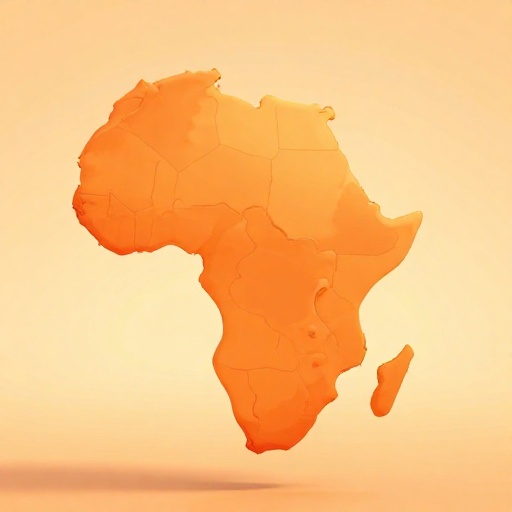
A cartoon map comparing the size of the Sahara Desert to the size of the United States.

The mighty Sahara Desert in Africa is HUGE! It covers about 3.6 million square miles (9.2 million square kilometers).

To help you picture that, the continental United States is about 3.7 million square miles. So, the Sahara is almost as large as the whole USA!

It stretches across 11 different countries, proving deserts aren't just one little patch of sand—they are massive worlds of their own.


2

The Coldest Deserts Are Covered in Ice!

TL;DR

The world's largest deserts are the polar deserts of Antarctica and the Arctic.

A cartoon penguin standing on a large sheet of ice to show a cold desert.

Wait, what? Deserts are cold? Yep! The biggest deserts aren't hot—they are polar deserts! Antarctica is the biggest desert on Earth.

It gets so little snow that it qualifies as a desert. The record low temperature measured there was a shocking -89.2°C (-128.6°F) at Vostok Station!

That’s colder than dry ice! These icy landscapes prove deserts are defined by lack of precipitation, not just heat.

3

Saguaro Cactus Storage is Bigger Than a Car!

TL;DR

A fully watered Saguaro cactus can store over 1,000 gallons of water.

A large, expanded Saguaro cactus next to a small car to show its water storage capacity.

The giant Saguaro cactus, an icon of the American Southwest, is basically a giant, living water balloon! It uses its pleated skin to expand.

When the rain comes, a big one can suck up and store over 1,000 gallons of water!

That's like filling up about 15 standard bathtubs with water and storing it inside one plant for a whole year!

4

Desert Foxes Have Ears That Double as Air Conditioners

TL;DR

Fennec foxes have the largest ears compared to body size of any canid.

A small Fennec Fox with extremely large ears that look like cooling fins.

Meet the Fennec Fox, the smallest fox on Earth, weighing only 2 to 3 pounds! It lives in the Sahara and surrounding deserts.

Its giant ears, which can grow 4 to 6 inches long, aren't just for hearing bugs under the sand. They are actually radiators!

The blood vessels close to the surface of the ears help release body heat into the air, keeping the tiny fox cool. They can even survive for long periods just by getting water from their food!

5

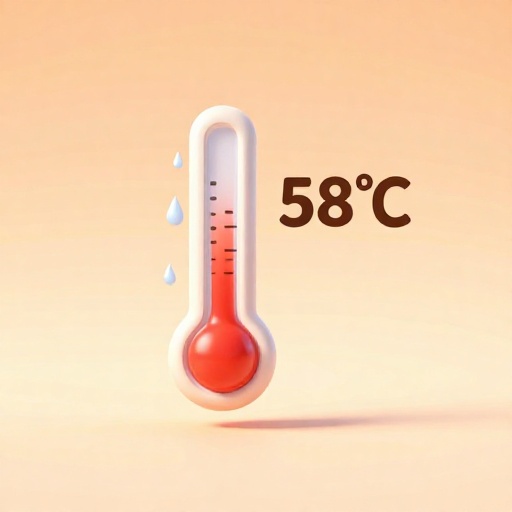
The Hottest Record on Earth Was Almost 58°C!

TL;DR

The hottest temperature ever recorded near the Sahara was 58°C (136°F).

A cartoon thermometer character melting next to a sign reading 58 degrees Celsius.

While the Sahara is famous for heat, the hottest temperature officially recorded in the area was a whopping 58 degrees Celsius (136°F) back in 1922!

On a normal hot summer day, the average high temperature in the Sahara can easily reach 122°F (50°C).

But here's the flip side: because the air is so dry, the temperature can drop dramatically at night, sometimes reaching below freezing at -6°C!

6

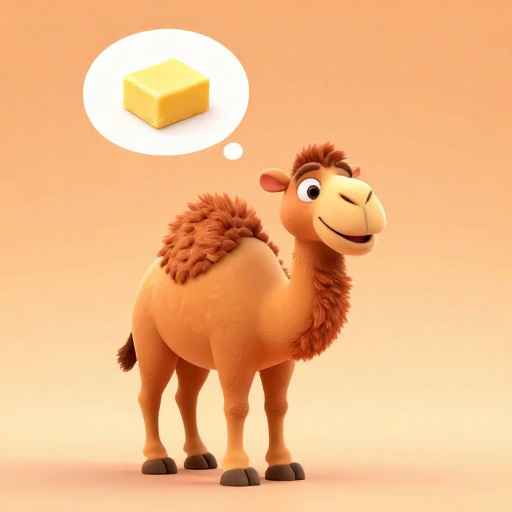
Camel Humps Store Fat, Not Water—That’s a Myth!

TL;DR

A camel's hump stores fat for energy, not water for drinking.

A cartoon camel with a thought bubble showing a piece of fat in its hump instead of water.

It’s one of the biggest desert secrets: the camel's hump is NOT a water tank! It’s actually a giant storage unit for energy-rich fat.

This fat can weigh up to 80 pounds! When the camel runs out of food, it burns this fat for fuel.

If a camel uses up its fat, the hump actually becomes limp and droopy, but it re-inflates when the camel eats again!

7

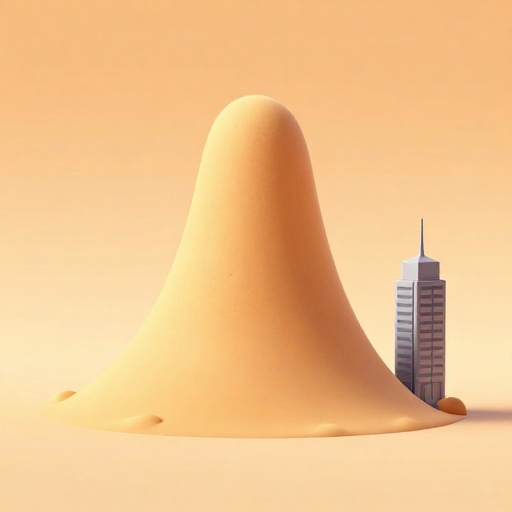
Sand Dune Heights Can Rival Skyscrapers!

TL;DR

Dune 7 in Namibia is one of the tallest, measured at 388 meters high.

A huge cartoon sand dune next to a small stack of blocks representing a skyscraper for scale.

Sand dunes aren't just small hills; some are gigantic mountains made of sand! Dune 7 in Namibia is famous, having been measured at a staggering 388 meters (about 1,273 feet) tall.

That's almost as tall as the Empire State Building! Even in France, the Great Dune of Pyla can reach 377 feet tall.

These massive structures move several feet every year, pushed along by the desert winds!

8

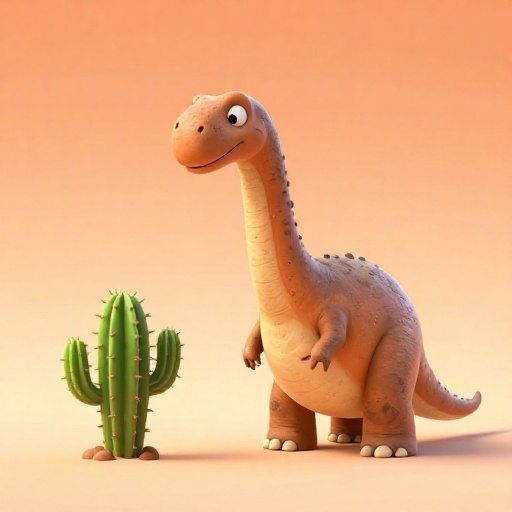
The Oldest Desert is 55 Million Years Old!

TL;DR

The Namib Desert in Africa may be the oldest desert, having existed for 55 to 80 million years.

A cartoon dinosaur next to an old cactus in a desert scene representing the ancient age of the Namib Desert.

Forget the Sahara for a minute—the Namib Desert along the coast of Southern Africa might be the oldest desert in the world!

Scientists estimate it has been arid or semi-arid for an incredible 55 to 80 million years.

That means it was around when the huge dinosaurs were walking the Earth! Talk about ancient history!

9

Desert Sand Gets HOTTER Than Boiling Water!

TL;DR

Surface sand temperature in the Sahara can reach over 80°C (176°F).

A pile of glowing hot sand next to a pot of boiling water to compare the high temperature.

You know the sand gets hot, but how hot? In some parts of the Sahara, the sand temperature can hit 80°C (176°F) or even more!

That is way hotter than water boiling for pasta, which is only 100°C (212°F) at sea level!

This is why desert animals have special feet or only come out when the sun goes down.

10

Oases Are The Desert's Natural Grocery Stores!

TL;DR

Oases are vital desert spots where underground water reaches the surface to support life.

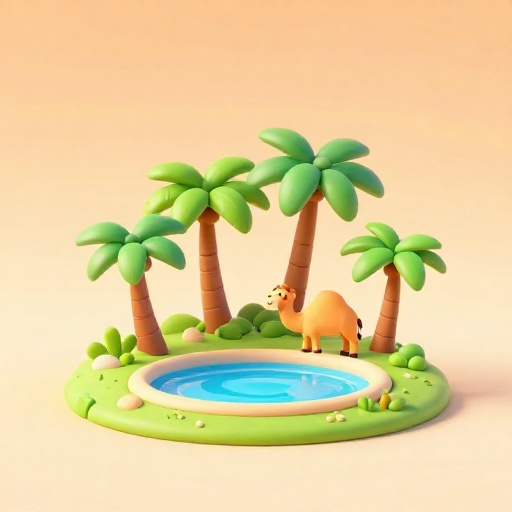
A small, green, lush oasis with palm trees and a pool of water in the middle of a sandy desert.

An oasis is a magical spot in the desert where underground water bubbles up to the surface, making a little pocket of life possible!

Historically, ancient desert peoples like the Tuareg used these spots as vital stops on trade routes that stretched for thousands of miles.

These green areas create microclimates that allow plants, like date palms, to grow, giving people and animals a place to rest and drink.

Frequently Asked Questions

Are all deserts hot?

Absolutely not! Deserts are defined by low rainfall. The largest ones, like Antarctica, are **polar deserts** and are extremely cold. Cold deserts exist in high-altitude and high-latitude areas too!

How many countries does the Sahara Desert cover?

The massive Sahara Desert spans across **11 countries** in North Africa. This includes huge areas in nations like Algeria, Libya, Egypt, and Mali.

How fast do sand dunes move?

It depends on the wind, but some dunes can shift quite a bit! The Great Dune of Pyla in France moves between **3 to 16 feet every year**, inching its way across the landscape.

What is a desert oasis and how does it form?

An oasis is a fertile area in the desert where groundwater naturally rises to the surface. It's like a natural spring or pond, creating a tiny, life-giving spot in the dry land.

You're Now a Desert Explorer!

See? Deserts are full of mind-blowing secrets, from water-storing giants to creatures who thrive in the extremes! You’ve uncovered facts about the world’s biggest, oldest, hottest, and coldest arid lands. What will you discover next on your Kidopoly adventure?

Explore More Facts
Audience Debug