10 Fun Facts

Knight Facts for Kids

Get ready to trade your game controller for a broadsword! We’re diving deep into the Middle Ages to uncover the truth about knights. Forget the fairy tales for a second—these warriors were tough, highly trained experts whose lives were filled with incredible gear, strict rules, and amazing adventures. You won't believe some of the real numbers behind their legendary status!

1

Armor Weighed About as Much as Your Backpack… Loaded!

TL;DR

Full plate armor weighed only 30 to 65 pounds, less than many modern soldiers carry.
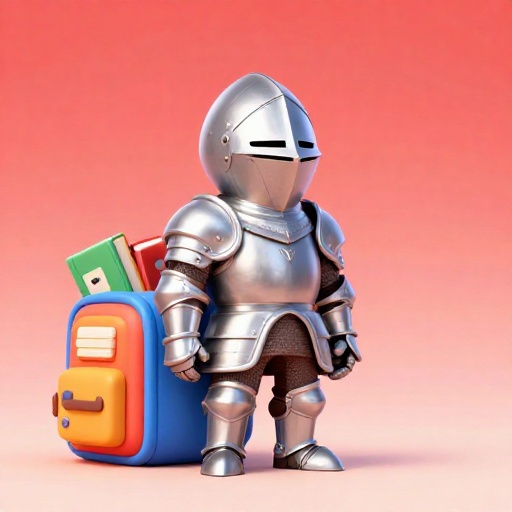
A knight's suit of armor next to a heavy-looking school backpack.

You might think a knight's suit of armor was impossibly heavy, crushing them like a giant metal suit! But a full suit of plate armor, which peaked in the 1500s, usually weighed between 30 and 65 pounds.

That’s like carrying a backpack loaded with textbooks—not exactly easy, but manageable!

A modern US soldier can carry over 110 pounds of gear, showing that knights were trained to move well in their protection. They needed to run, jump, and even swim in it!
2

Training Took Over a Decade—Starting at Age Seven!

TL;DR

Becoming a knight was a 14-year journey, starting as a page at seven years old.

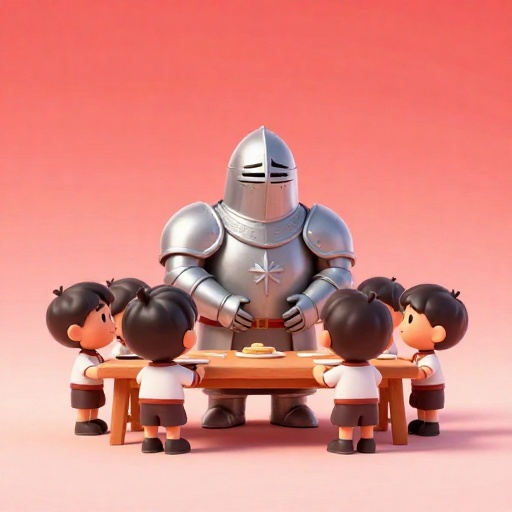
A young page boy serving a knight at a long medieval table.

You didn't just wake up and become 'Sir'! The training to be a proper knight was a serious, multi-stage commitment that lasted over 14 years.

It began around age seven when you became a page, learning manners and serving at the noble's table.

At age 14, you became a squire, learning combat, armor care, and chivalry. Only after all that—usually around age 21—could you be knighted!

3

Castle Keeps Were Towering Fortresses Up to 131 Feet Tall!

TL;DR

The main tower of a castle, the keep, could reach nearly 40 meters high.

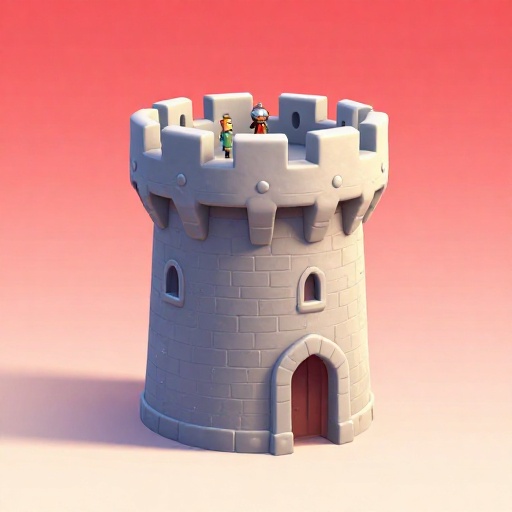
A very tall medieval castle keep tower seen from below.

Castles weren't just stone walls; the central tower, called the keep or donjon, was the ultimate power move.

While 20 meters (about 65 feet) was a common height, some of the biggest keeps, like the one at Vincennes, stretched up to nearly 40 meters (131 feet) tall!

That’s taller than a 12-story building, making the lord look super important and safe!

4

The Crusades Lasted for Over 186 Years!

TL;DR

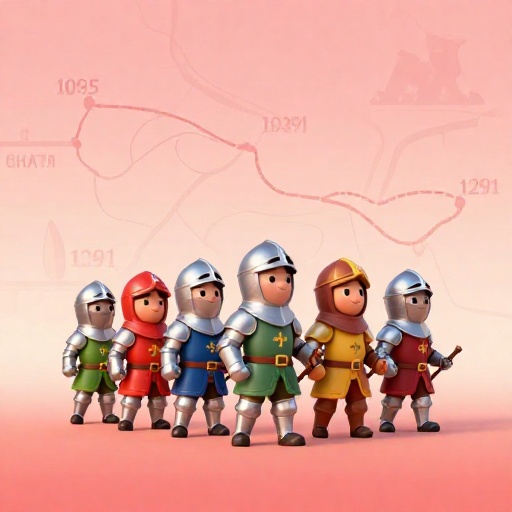
The main wave of Crusades to the Holy Land lasted from 1095 to 1291.

A line of knights marching on a long journey path marked with dates.

When you hear about knights fighting in the Crusades, it sounds like one quick war, but it was a super long series of events!

The major expeditions to the Holy Land began with the First Crusade in 1095 and generally ended when the Latin Christians were expelled from Syria in 1291.

That’s a span of 196 years—longer than the entire United States has existed! Talk about dedication to a long mission.

5

A Knight's Sword Was Surprising Light—About 2.4 Pounds!

TL;DR

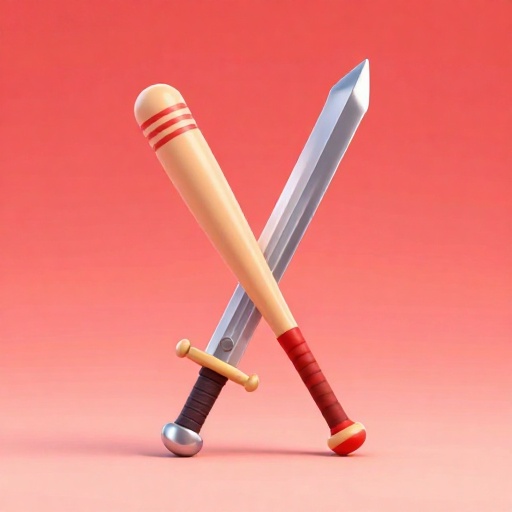
The average arming sword weighed only about 1.0 kg (2.4 lbs), lighter than many toy bats.

A medieval knight's sword resting next to a baseball bat to show weight comparison.

Forget the giant, heavy swords you see in movies! A typical knight's one-handed arming sword was designed for balance, not just brute force.

The average blade was about 29 inches long and weighed only around 1.0 kg (or 2.4 pounds)!

For comparison, a modern baseball bat can weigh 3 pounds or more. This light weight let knights use speed and skill in battle.

6

Jousting Hits Delivered FOUR Times the Force at Higher Speeds!

TL;DR

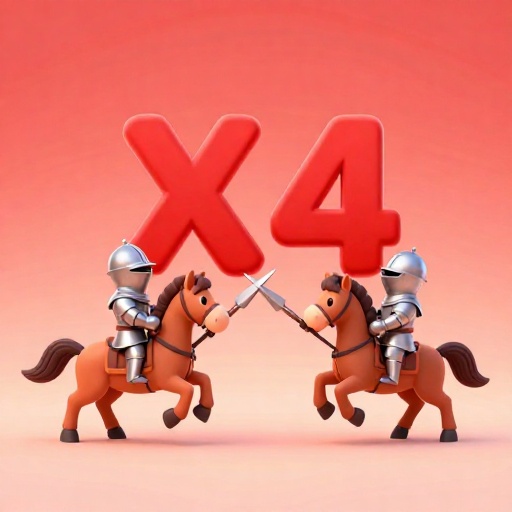
Force in a joust increases with the square of the velocity (F=mv²).

Two cartoon knights jousting with a dramatic 'X4' force symbol at the impact point.

Jousting wasn't just two guys riding at each other; it was a physics battle! The force of impact depends on speed squared.

If a knight went just twice as fast, the impact force was four times stronger! That's the secret to knocking someone off their horse.

This meant aiming perfectly—like hitting a tiny target on a shield—was the most important part of the whole game.

7

Knights Wore Mail for Over 1,800 Years!

TL;DR

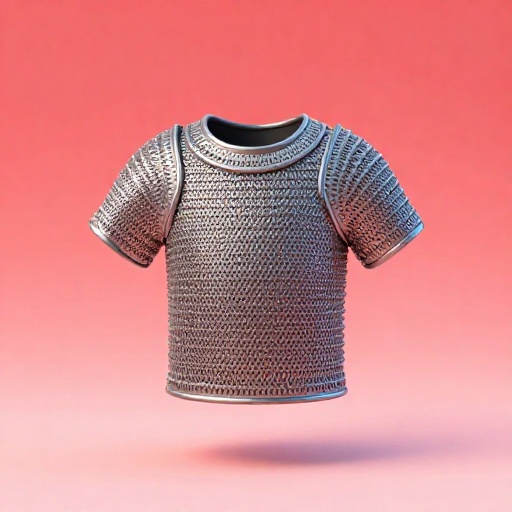
Chainmail was used militarily from about the 3rd century BC until the 16th century AD.

A detailed piece of medieval chainmail armor.

The amazing interlocking metal rings we call chainmail didn't just appear with knights; it’s ancient! It was first used militarily as early as the 3rd century BC.

Knights wore it as the primary defense for hundreds of years before plate armor became common, and even after, small pieces were used for joint protection.

That means this awesome, flexible armor was in use for nearly 1,900 years in total across different cultures!

8

The Rules of Chivalry Demanded Honesty and Defending the Weak

TL;DR

Knights had to pledge loyalty, never lie, and act as a champion for the Good against Evil.

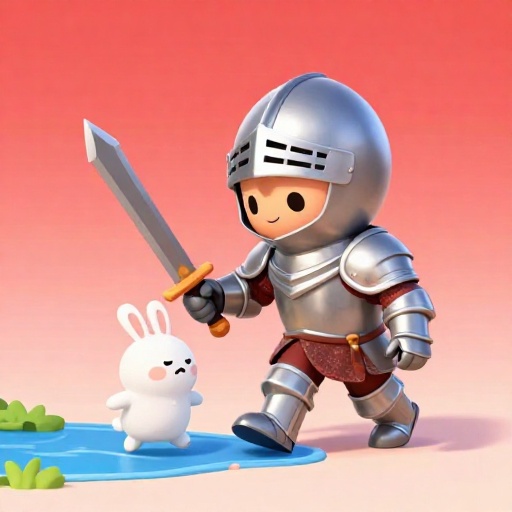
A knight kindly helping a small rabbit across a stream, showing chivalry.

Being a knight wasn't just about fighting; it was about having amazing manners, which was called Chivalry.

The code included being generous, performing your duties, and never telling a lie or breaking a promise.

Most importantly, knights were supposed to respect all weaknesses and defend the helpless—a true hero's job!

9

The Best Knights Were Famous for Mercy, Not Just Fighting!

TL;DR

Sir William Marshal once spared an enemy prince, Richard the Lionheart, in battle.

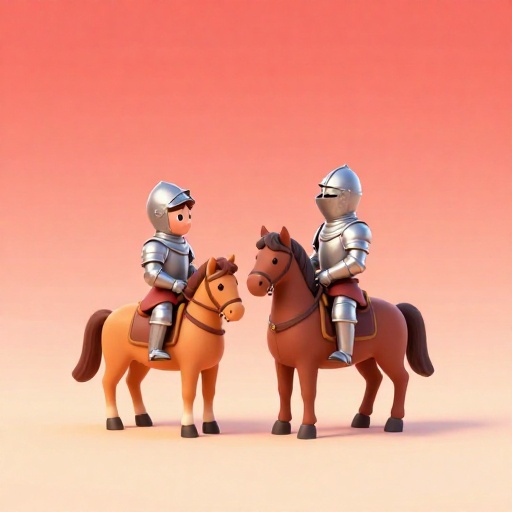
Two knights on horseback, one showing respect to the other after a confrontation.

The greatest knight ever, Sir William Marshal, proved his worth by being honorable, not just winning.

In one battle, when he had the young Prince Richard (later Richard the Lionheart) completely defeated, Marshal spared his life!

Instead of hurting the prince, he killed his horse. That move showed immense respect and earned him massive fame!

10

Knights Needed Thousands of Calories to Stay Battle-Ready

TL;DR

Nobles sometimes ate 4,000 to 5,000 calories daily to maintain their strength.

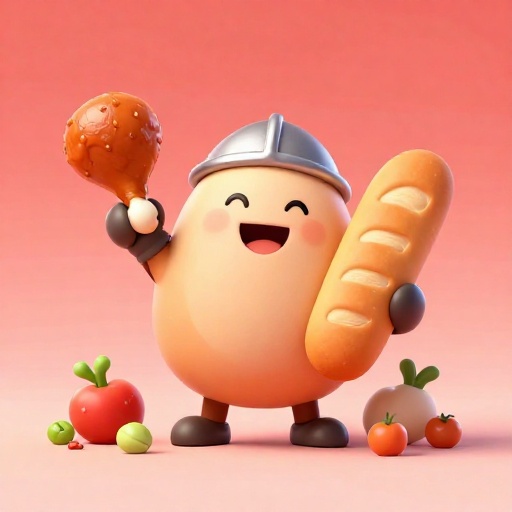
A smiling knight holding a turkey leg and a loaf of bread, representing a high-calorie diet.

Because fighting in armor was such hard work, knights had to eat like champion athletes to stay strong!

While a peasant might eat around 2,900 calories a day, nobles—including knights—often consumed 4,000 to 5,000 calories!

They relied on lots of protein from meat (three days a week!) and hearty bread to fuel their training and battles.

Frequently Asked Questions

Did knights really shout 'For the King!' all the time?

While they were loyal, shouting specific phrases depended on the battle and the commander. Loyalty to your lord and God was the real constant, often shown through banner symbols, not just loud words!

What did knights eat on Fridays?

Because many knights were Catholic, they abstained from eating meat on Fridays for religious reasons. Instead, they got their protein from fish, eggs, and almonds.

Were all knights rich?

No way! While many were sons of nobles, some earned their title through amazing bravery in battle. Others, like Sir William Marshal, had to win tournaments just to earn enough money to be comfortable!

What was the fancy word for the main tower of a castle?

The main, heavily fortified tower at the heart of a castle was called the *keep*. The French word for this stronghold was *donjon*, which is where we get the word 'dungeon' from—though the keep itself was the lord's fancy home!

Ready for Your Own Quest?

See? Knights were way more interesting than just shining armor! They were athletes, diplomats, rule-followers, and incredible builders. Now that you know the secrets, next time you see a castle or read an old story, you’ll know the real history behind the legend. Keep exploring, young adventurer—the world is waiting to be discovered!

Explore More Facts
Audience Debug