10 Fun Facts

Lion Facts for Kids

Hold onto your hats, explorers, because we’re diving into the world of the King of the Beasts! Lions aren't just majestic and golden-maned; they are wild powerhouses with secrets you wouldn't believe. Forget what you think you know about lazy cats—these animals are all about teamwork, incredible sound power, and surviving in some seriously tough places. Get ready to discover 10 truly mind-blowing lion facts!

1

They're 50 MPH Sprint Machines (But Only for a Second!)

TL;DR

Lions can zoom up to 50 mph, but only for a very short dash.
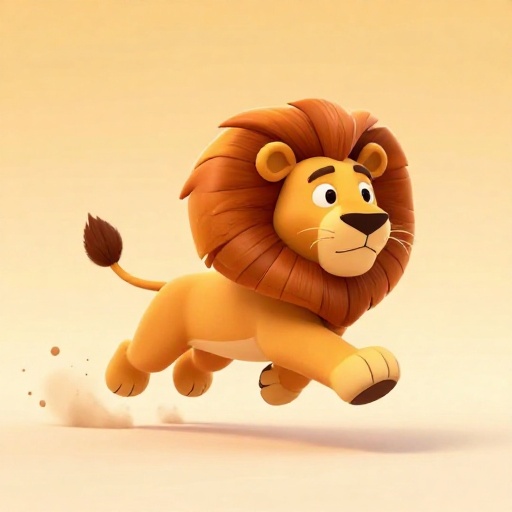
A cartoon lion running very fast in a short burst.

Imagine a speeding car zooming past—that's how fast an adult lion can run, hitting up to 50 mph (80 km/h)!

But here's the surprise: they can only keep that speed up for about 100 to 200 meters before they totally run out of steam.

They aren't built for marathons; they use this explosive burst, often after a stealthy stalk, for one powerful, quick surprise attack.

2

Their Roar is Louder Than Your Pain Threshold!

TL;DR

A lion's roar hits 114 decibels and can be heard 5 miles away.

A cartoon lion roaring loudly with visible sound waves.

Get ready for this: a lion’s roar is the loudest of all big cats, blasting out at about 114 decibels!

To put that in perspective, that’s almost as loud as a running chainsaw!

This incredible sound can travel for up to 5 miles away, which is perfect for telling rivals, 'This land is mine!'

3

Cubs Start Life as Tiny, Blind, Spotty Babies

TL;DR

Newborn cubs weigh only 3 pounds and can't open their eyes for weeks.

A tiny, blind, spotted lion cub huddled in a safe spot.

You might think kingly cubs are born huge, but a newborn lion cub weighs only about 3 pounds—that's less than a loaf of bread!

They are also born completely blind, and their little eyes don't open until they are 2 to 3 weeks old.

For the first month, they hide in a den while mom goes hunting, which is why the pride takes such good care of the babies!

4

Prides Are Mostly Sisters and Cousins Who Team Up

TL;DR

Lionesses, who are related, make up the core of the pride and do most of the hunting.

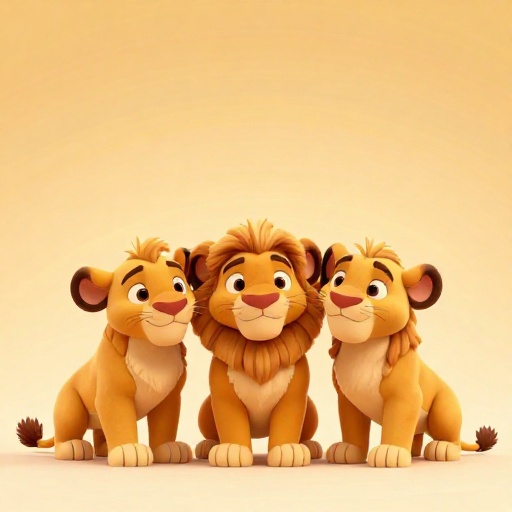
Three cartoon lionesses working together as a team.

The 'King of the Jungle' doesn't rule alone—lions are the only cats that live in social groups called prides!

The heart of every pride is the related lionesses, who stick with their mothers for life.

They hunt together, defend their territory together, and raise their cubs communally, making teamwork their superpower!

5

Male Lions Can Be Maneless—Wait, What?!

TL;DR

Some African lions are completely maneless, and Asiatic lions have sparser manes.

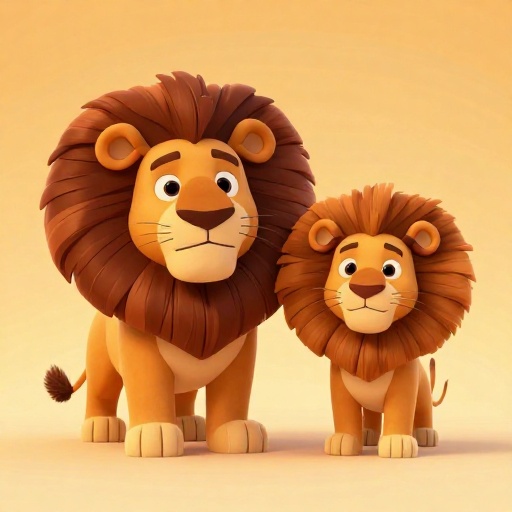
A cartoon male lion with a big mane next to one with a very small mane.

We all picture a huge, dark mane, but some male lions in places like Pendjari National Park are actually completely maneless!

Asiatic lions, which live in India, also have much sparser manes than their African cousins, so you can usually see their ears.

Scientists think the mane is a status symbol—darker, bigger manes signal a strong, healthy lion to the ladies!

6

They Might Be 'King of the Jungle' But They Live on the Plains

TL;DR

Lions prefer open grasslands and savannahs, not dense jungles.

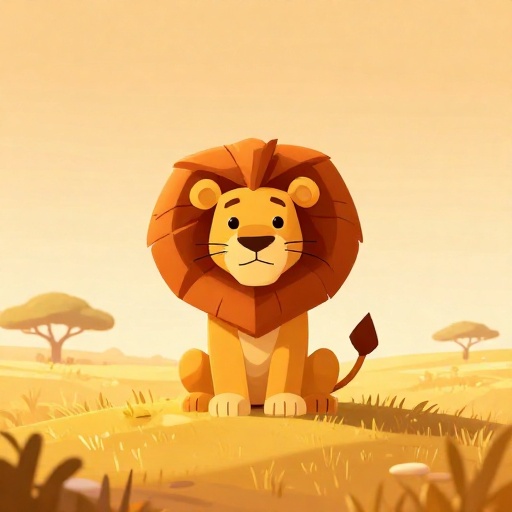
A cartoon lion sitting on a grassy savannah plain.

The name 'King of the Jungle' is actually a little misleading, explorers!

The lion's favorite home is the savannah—that's the big, open grassland with scattered trees where they have room to see and sprint.

They only hang out in thick bush when they desperately need some shade from the 100-degree sun!

7

A Full Meal Can Be 40 Kilograms of Meat!

TL;DR

A big male lion can eat 40 kg (88 lbs) of meat in one sitting.

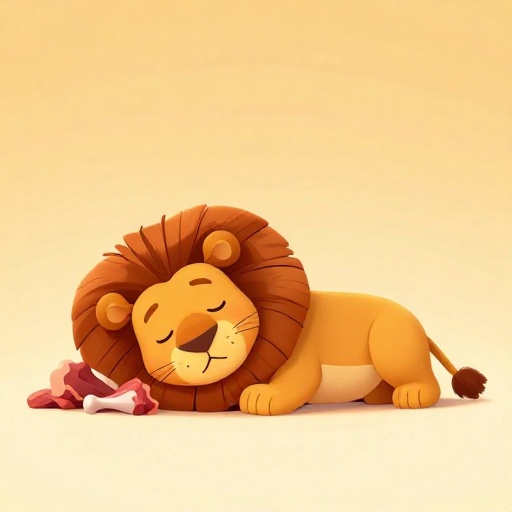
A cartoon lion sleeping soundly after eating a massive amount of food.

When the pride makes a successful hunt, it’s time to feast, and they can really pack it in!

A large male lion can eat up to 40 kg (about 88 pounds) of meat in a single, massive session—that's like eating 20 giant submarine sandwiches!

Because they use so much energy hunting, they need these huge, infrequent meals to rest and refuel afterward.

8

Asiatic Lions Have a Secret 'Belly-Fold' Signature

TL;DR

Asiatic lions have a unique fold of skin running down their belly that African lions lack.

A cartoon illustration highlighting the unique belly skin fold of an Asiatic lion.

Did you know there are two main types of lions today-the African and the Asiatic?

The little group of Asiatic lions left in India’s Gir Forest has a giveaway feature: a long, noticeable fold of skin running down its belly, which African lions do not have!

They are also slightly smaller than the biggest African lions, making every surviving Asiatic lion even more special!

9

They Can Hold Their Prey for 13 Minutes to Finish the Job

TL;DR

Lions kill by clamping down on the throat for up to 13 minutes.

A cartoon lion demonstrating a strong, focused grip with its jaws.

When a lion attacks, it’s all about the final, powerful move—they usually leap onto the prey's rump and bring it down.

Then comes the serious part: the lion clamps its jaws onto the throat and can hold on for up to 13 minutes until the prey stops moving.

This bite is incredibly strong, ensuring a successful, though serious, end to the hunt for the pride.

10

The Wild Population is 'Vulnerable' and Needs Our Help

TL;DR

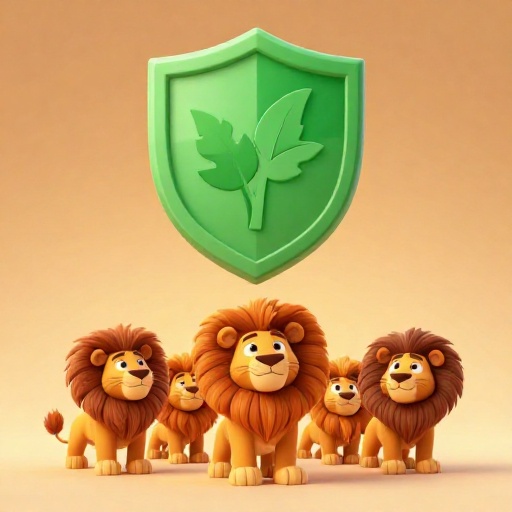
Fewer than 40,000 lions are left, and their status is Vulnerable.

A cartoon illustration of lions looking towards a conservation symbol.

Despite being called the 'King,' lions are in trouble. The IUCN classifies them as Vulnerable.

The estimated wild population is somewhere between 20,000 and 39,000 lions across Africa and India.

Losing their habitat means they have less space to hunt, making conservation efforts super important for their future.

Frequently Asked Questions

Are lions the biggest cats in the world?

Nope! The tiger is the biggest cat. Lions are the second largest, but they are unique because they are the only cats that live in big family groups called prides.

What is the main difference between an African and Asiatic lion?

The biggest differences are that Asiatic lions have a unique belly fold, sparser manes, and live only in India. African lions are generally larger and roam across sub-Saharan Africa.

Why do male lions have manes?

The mane isn't just for looking cool! It makes the male look much bigger and more intimidating to rival males. It also helps signal how healthy and strong he is to the lionesses.

How big is a lion pride?

A pride can have as few as 4 lions or as many as 37, but the average size is usually around **15 members**.

Keep Roaring, Explorers!

Wow, what an adventure through the lion's world! From their thunderous 114-decibel roars to their lightning-fast sprints, these big cats are truly incredible. Now you know more than most people—go share these facts and help us tell the world why we need to protect these amazing animals for generations of Kidopoly explorers to come!

Explore More Facts
Audience Debug