10 Fun Facts

Maya Facts for Kids

Forget dusty history books-we're diving headfirst into the jungle to explore the incredible world of the Maya! These ancient builders, stargazers, and mathematicians created cities that touched the sky and cracked codes we still marvel at today. Get ready to have your mind blown by 10 absolutely essential facts about this powerful civilization that thrived long before your grandparents were even born!

1

Their Calendar Started 5,125 Years Before Today!

TL;DR

The Maya Long Count calendar began on August 11, 3114 BC.
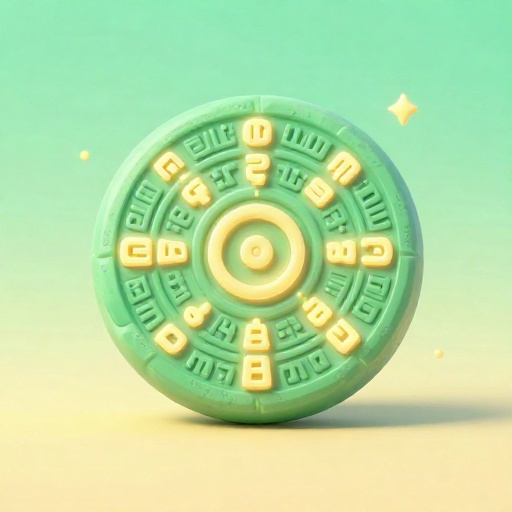
A cartoon Maya calendar stone glowing with historical markings.

The Maya had a super detailed timeline called the Long Count calendar. It was used to track huge stretches of time for history and myths.

The starting date, or "zero date," for this count is calculated by modern scholars to be way back on August 11, 3114 BC!

That means when they started counting, there were no phones, no cars, and humans hadn't even built the famous pyramids yet. It’s an ancient starting line!

This calendar was so complex that one cycle, the baktun, lasted 5,125.366 years.
2

They Invented the Number Zero Before Almost Anyone Else!

TL;DR

The Maya used a symbol for zero, written like a shell, centuries before Europe.

A cartoon image of the Maya glyph for zero, shaped like a shell.

You use '0' all the time in math, right? Well, the Maya figured out the powerful idea of zero as a placeholder for nothingness!

Their symbol for zero looked like a shell or a closed fist. They used it in their base-20 (vigesimal) number system.

This was super advanced-they were one of the first civilizations in the world to have a concept for zero!

3

Their Pyramids Were Built Without Metal Tools or Wheels!

TL;DR

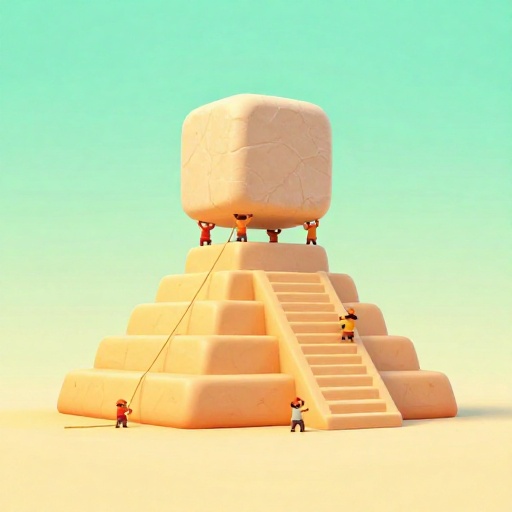
The Maya built massive limestone pyramids using only stone tools and sheer human power.

Cartoon workers building a Maya pyramid without modern tools.

Think about building something HUGE like a skyscraper-now imagine doing it without a single metal hammer or a wheel!

The Maya built incredible step-pyramids, like El Castillo at Chichen Itza, which stands about 24 meters (79 feet) tall.

They shaped and moved massive limestone blocks using only stone tools, sheer teamwork, and an amazing understanding of engineering.

4

El Castillo's Steps Add Up to the Days in a Year!

TL;DR

The 365 steps on El Castillo match the solar year exactly.

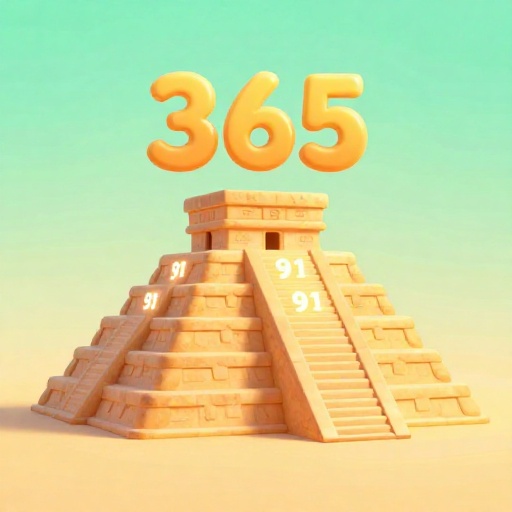
Cartoon depiction of the El Castillo pyramid highlighting its 365 steps.

Let's look closer at El Castillo at Chichen Itza. It's not just a cool pyramid; it's a giant, stone calendar!

Each of its four sides has 91 steps.

If you add those up (4 x 91 = 364) and then add the single top platform as the final step, you get 365—the exact number of days in our solar year!

5

They Wrote Down Everything With Up to 800 Different Signs!

TL;DR

The Maya had over 800 glyphs in their complex writing system.

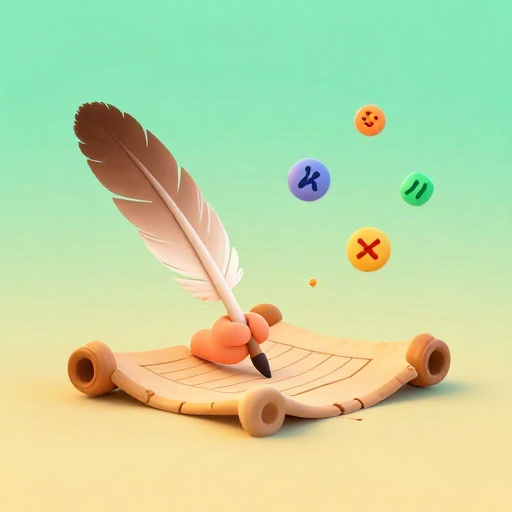
A cartoon Maya scribe writing with complex glyphs.

While we use an alphabet with about 26 letters, the Maya used a logosyllabic system, which is a fancy way of saying they used both whole words and sound symbols together.

They had a huge library of signs, with over 800 different glyphs!

These signs were carved into stone monuments called stelae and painted in special books made from fig tree bark.

6

They Used Cacao Beans as Money to Buy Turkeys!

TL;DR

Cacao beans were so valuable they were used as a form of currency.

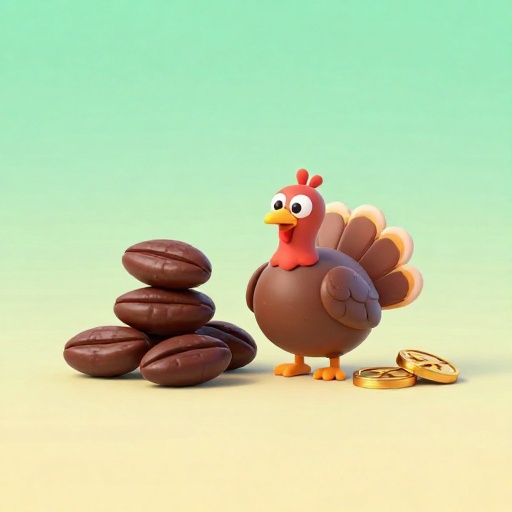
Cartoon cacao beans stacked up next to a cartoon turkey, representing Maya currency.

Forget coins or paper bills-the Maya used cacao beans (the seeds used to make chocolate) as money!

These weren't just treats; they were currency! You could buy a turkey for about 100 cacao beans.

They even buried jars of chocolate with their rulers so they could enjoy their favorite luxurious drink in the afterlife.

7

Their Solar Year Calculation Beat the Europeans!

TL;DR

Maya astronomy was so precise their solar year calculation was better than the Spanish one upon arrival.

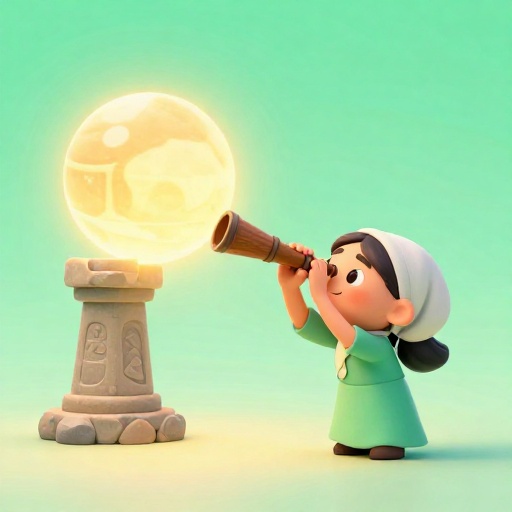
Cartoon Maya astronomer using an ancient tool to look at the stars.

The Maya were brilliant astronomers who tracked the Sun, Moon, and planets without telescopes!

Their calculation for the length of a tropical solar year was more accurate than the one used by the Spanish when they arrived in the 1500s.

They built observatories, like El Caracol at Chichen Itza, to align perfectly with celestial events.

8

Their Sacred Ballgame Used a Solid Rubber Ball Weighing 9 Pounds!

TL;DR

The ancient Maya ballgame used a solid rubber ball that could weigh up to 4.1 kg (9 lbs).

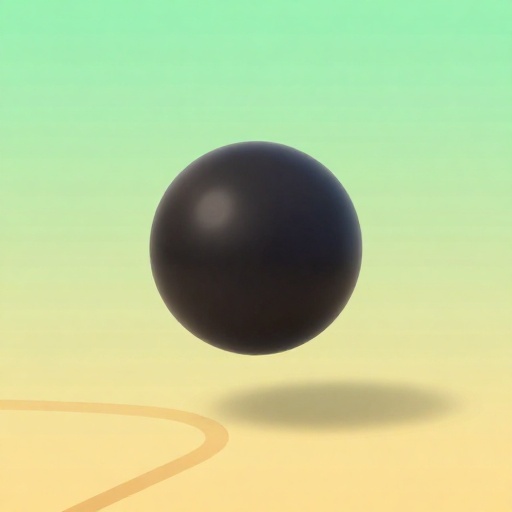
A cartoon solid rubber ball used in the ancient Maya ballgame.

The Maya played a serious game called pitz, which involved hitting a ball with their hips, forearms, or rackets. No hands allowed!

These balls were made of solid natural rubber—the first of their kind—and could weigh as much as 9 pounds (about 4.1 kg)!

That's like trying to kick a bowling ball across the court! The game was part sport, part serious ritual.

9

They Had Over 60 Major Cities, Like Tikal and Chichen Itza!

TL;DR

The Maya civilization was made up of many independent city-states, not one big kingdom.

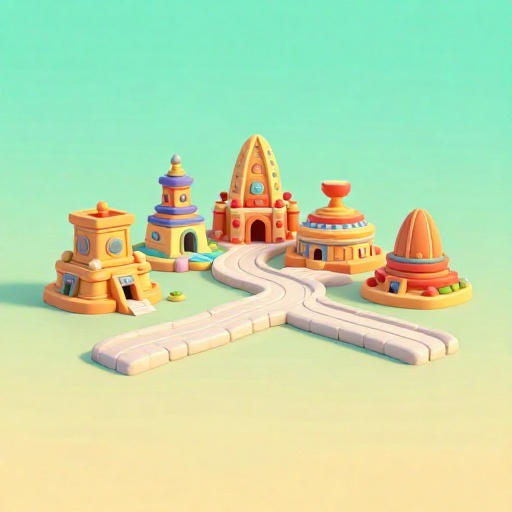
Cartoon illustration of Maya city-states connected by a limestone road.

The Maya weren't ruled by one king over a single country; they were organized into powerful, competing city-states, kind of like ancient Greece.

Archaeologists believe there were over 40 major cities during the Classic Period, with rivals like Tikal and Calakmul battling for power.

At its peak, the great city of Tikal may have held between 10,000 and 90,000 people in its core!

10

A Mysterious Decline Caused Them to Abandon Huge Cities!

TL;DR

Around 900 AD, major Maya cities in the southern lowlands were suddenly deserted.

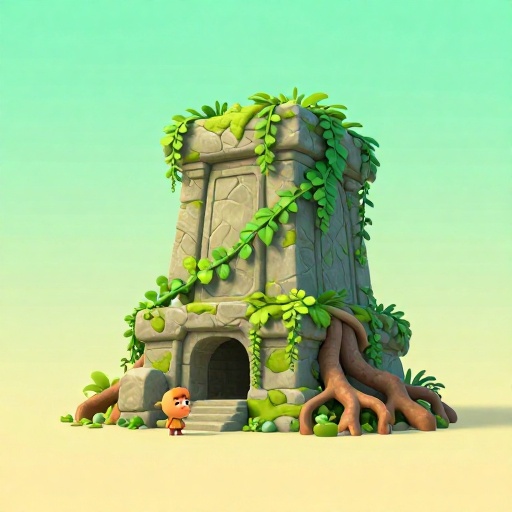
Cartoon image of an ancient Maya temple being reclaimed by the jungle.

The peak time for many huge Maya cities, the Classic Period, ended around 900 AD with a massive mystery!

For reasons scientists are still debating, people abandoned enormous cities like Tikal, leaving their pyramids to be swallowed by the jungle.

The main guesses are long droughts, too much warfare between cities, or running out of farmland to feed everyone.

Frequently Asked Questions

Where did the Maya civilization live?

The Maya lived in a region called Mesoamerica. This area includes modern-day southeastern Mexico (like the Yucatán Peninsula), all of Guatemala and Belize, and parts of Honduras and El Salvador. It was a big area!

What did Maya writing look like?

It looked like complicated picture writing, called hieroglyphics, but it was actually a sophisticated system of **glyphs** that stood for both whole words and sounds. It's the most advanced writing system we know from the ancient Americas.

Did the Maya predict the end of the world in 2012?

Not really! Their Long Count calendar simply finished a huge 13-baktun cycle on December 21, 2012. For them, it was the end of one giant cycle and the start of a new one, not the end of the world!

Why is the Maya decline still a mystery?

It's a mystery because it didn't happen all at once! Major southern cities were abandoned around 900 AD, but others in the north, like Chichen Itza, thrived for centuries more. It was a slow, complex change, not one single event.

Your Adventure Continues!

See? The Maya weren't just people who built old piles of rock! They were brilliant inventors, expert time-keepers, and serious athletes. Every pyramid, every carved stone, is a secret waiting for you to discover. Which fact blew your mind the most? Go check out more amazing stories from Kidopoly and keep digging into history!

Explore More Facts
Audience Debug